REVIEW · NAGANO
Explore Jigokudani Snow Monkey Park with a Local Guide
Book on Viator →Operated by Trip Designer Inc. · Bookable on Viator
Snow monkeys are the reason people come.
This guided winter outing from Yudanaka takes you into Jigokudani’s steaming hot-spring valley, where Japanese macaques bathe in natural onsen amid falling snow and thick winter mist. I like how the plan mixes real nature time (flora, terrain, river valley steam) with simple, practical stops that keep you comfortable and moving.
Two things stand out. First, a local guide keeps the walk meaningful, pointing out what you’re seeing beyond the obvious. Second, you get more than monkey viewing: a free foot spa, plus a chance to sample locally made sake and beer. One consideration: this is a mountain-path walk in winter conditions, so moderate fitness helps—and you’ll want grippy shoes.
In This Review
- Key points to know before you go
- Jigokudani Snow Monkeys: What You’re Actually Visiting
- From Yudanaka Station: The Easy Start (and why it helps)
- Yamanouchi Information Center: A quick stop that can shape your day
- Jigokudani Fountain and the steaming Hell Valley look
- Jigokudani Snow Monkey Park: How to enjoy the walk and the close-ups
- What to wear (this matters more than people think)
- Enza Cafe & Ramen Enza: A realistic break while the day moves
- Kaede no Yu: The free foot spa that makes trains feel easy
- Local guiding style: When you get Teddy, Tamio, or Michiko-level care
- Sake and beer sampling: Small taste, big sense of place
- Price and value: Is $112.01 worth it?
- Timing, walking, and who this tour fits best
- Should you book this Jigokudani guided snow monkey tour?
- FAQ
- Where is the meeting point for the tour?
- What time does the tour start, and how long is it?
- What’s included in the price, and what’s not?
- Do I need to be physically fit for this tour?
- How large is the group?
- Is a passport required for booking?
- Can I cancel for a full refund?
Key points to know before you go
- Small group size (up to 8, often up to 6) means you can actually hear your guide and move at a sane pace.
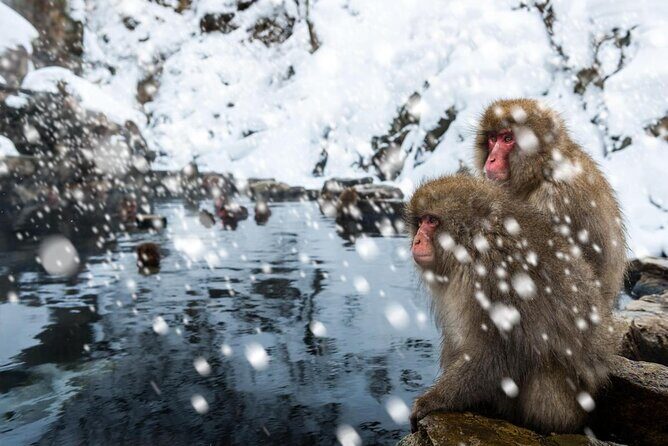
- Onsen-fed snow monkeys are the main event, and timing matters for good viewing along the trail.
- Jigokudani’s Hell Valley steam and cliffs set the tone right from the fountain area.
- Included bus round-trip from Yudanaka Station removes a big chunk of logistics stress.
- Kaede no Yu foot spa is a welcome reset while you wait for train timing.
Jigokudani Snow Monkeys: What You’re Actually Visiting
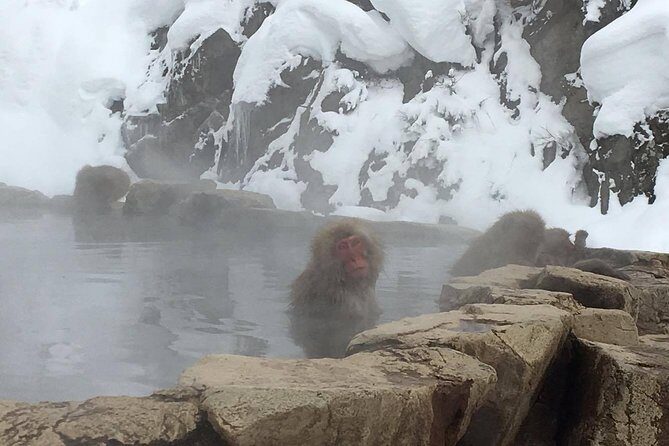
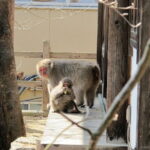
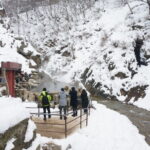
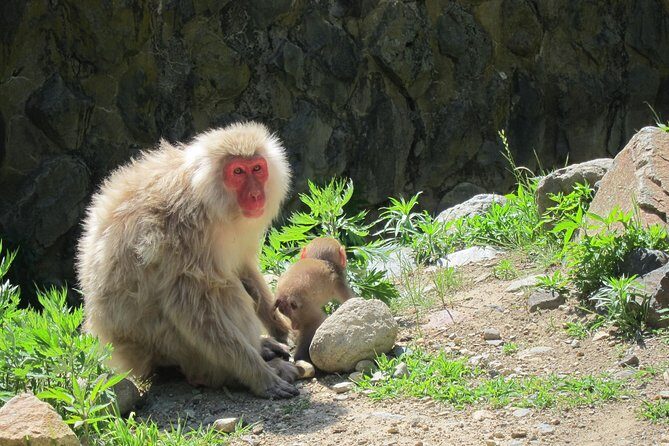
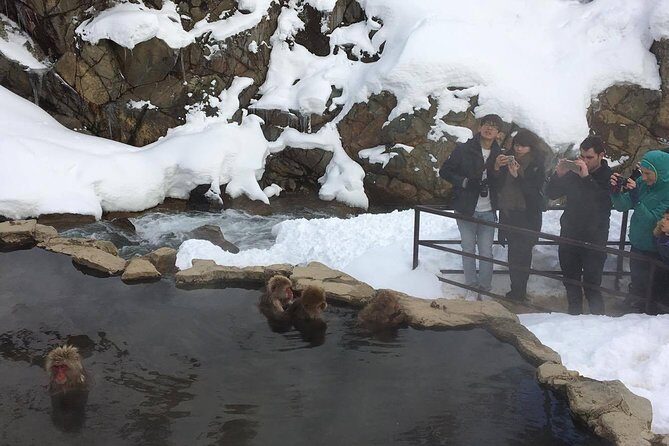
Jigokudani Snow Monkey Park sits in a steep river valley at about 850 meters elevation, and the whole place earns its nickname as Hell Valley because of the steam rising from hot springs against dark cliffs. In winter, the valley gets buried in snow for a large part of the year, and that sets up the show you came for: red-faced Japanese macaques finding warm water and staying close to the steamy springs.
The best part here is that you’re not watching monkeys from behind a theme-park wall. The area is outdoors, the viewing is along paths, and the steam makes a natural atmosphere. Even when the snow isn’t dramatic, you still see the core idea—wild animals using thermal water to survive cold weather.
If you’re the kind of traveler who likes nature with context, the local guide matters. You’ll get a walking orientation that covers local flora and fauna, so you’re not just snapping photos and walking through.
You can also read our reviews of more guided tours in Nagano

From Yudanaka Station: The Easy Start (and why it helps)
Your meeting point is Yudanaka Station (in the Shimotakai District area). You’ll connect with your guide outside the ticket gate, then take a short transfer to Jigokudani. The schedule is set up so you can do this as a half-day plan without spending time figuring out trains and buses on your own.
This is also where small-group format pays off. When a group is capped at eight people (and sometimes even lower), the meeting and walking flow is usually smoother. You’re also more likely to get a guide’s hands-on attention—help with where to stand, how to move with the flow of other visitors, and what to watch for as steam and temperatures shift.
Practical tip: come prepared to walk. The tour asks you to wear shoes easy to walk in and to bring no heavy baggage, because you’ll be on mountain paths.
Yamanouchi Information Center: A quick stop that can shape your day
The first stop is Yamanouchi Information Center. It’s small, but it gives you useful orientation—maps and brochures you can take for free. That matters because Jigokudani is one of those places where a little context makes the paths feel less confusing and the viewing spots feel more intentional.
You get about 10 minutes here, so it’s not a full museum break. It’s the kind of stop that helps you get your bearings fast, especially if it’s your first time in this part of Nagano.
If you’re traveling with kids, this is a nice warm-up moment. It’s short, low-effort, and it can help younger travelers understand what comes next: steamed water, snow, and monkeys right in the valley.
Jigokudani Fountain and the steaming Hell Valley look
Next up is the area around Jigokudani Fountain. Jigokudani translates to Hell Valley, and the fountain is described as a national natural monument. In practical terms, this stop sets the scene: you see steam blowing from the valley area and get a sense of how the hot spring system works at ground level.
What I like about this moment is that it prepares you for the sensory side of the experience. Once you start walking, the steam you notice in the distance turns into the real atmosphere you’ll be moving through—warm air pockets, damp cold, and that unmistakable hot-spring smell.
One consideration: winter dampness shows up fast. Even if the air looks mild, your shoes and socks matter. Bring shoes with grip and plan on a bit of mud if the ground is wet.
Jigokudani Snow Monkey Park: How to enjoy the walk and the close-ups
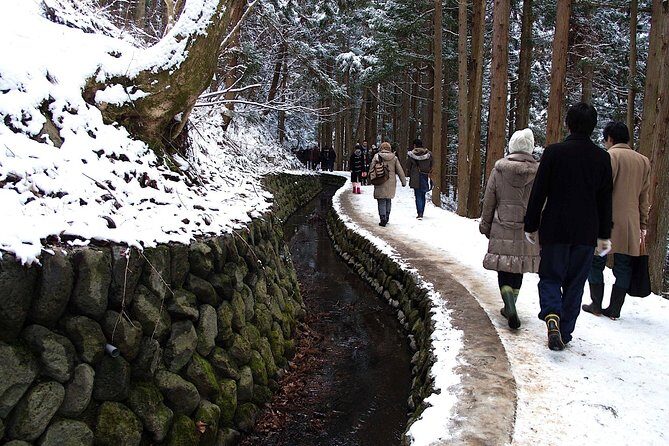
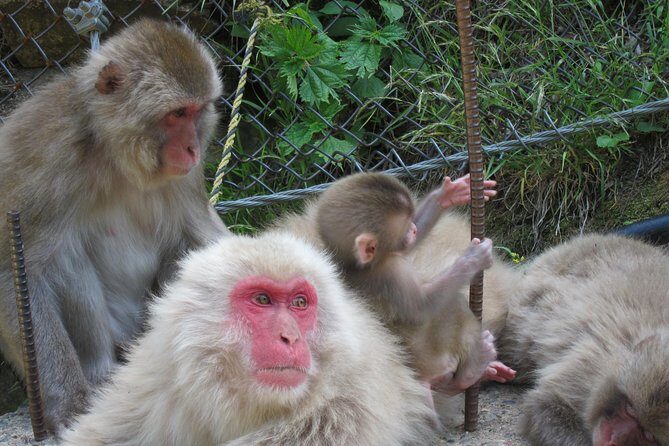
The main event is Jigokudani Snow Monkey Park in the Yokoyu River Valley. You’ll spend about 40 minutes here, with park entry included. Altitude, steam, and snow cover combine to make the monkeys’ behavior feel concentrated—when hot water is available and the weather is cold, they cluster.
Your guide’s job isn’t just to lead you. They help you watch smarter:
- Learn what you’re looking at as the macaques move in and out of the hot water.
- Follow walking trails that run through natural winter scenery and local plant life.
- Get pointed toward viewing areas that help you see animals without wasting energy walking in circles.
This is also where timing can matter. You’ll likely want to arrive with patience in your body. If you rush, you’ll miss movement—monkeys shifting position, steam pulsing around them, and the little moments that make photos look alive instead of staged.
A few more Nagano tours and experiences worth a look


What to wear (this matters more than people think)
This is winter. Paths can get muddy. If it’s been snowing recently or the ground is wet, it can turn slippery. Wear shoes you trust on uneven ground.
If you tend to overpack, keep it light. The tour advises not bringing heavy baggage, and that’s good advice—winter walking feels easier with less weight and fewer dangling items.
Enza Cafe & Ramen Enza: A realistic break while the day moves
There’s a short stop called Enza Cafe & Ramen Enza. This is not presented as a long meal break, but as a place to grab something if you’re feeling hungry while waiting for the next transfer.
Think of it as a buffer stop: coffee, an apple pie for takeout, or a quick snack you can eat without turning the day into a slow-moving food tour. Since food and drinks aren’t listed as included unless specified, this kind of optional stop helps you stay flexible.
If you’re traveling with kids, this is a good moment to reset energy before continuing the day’s walking.
Kaede no Yu: The free foot spa that makes trains feel easy
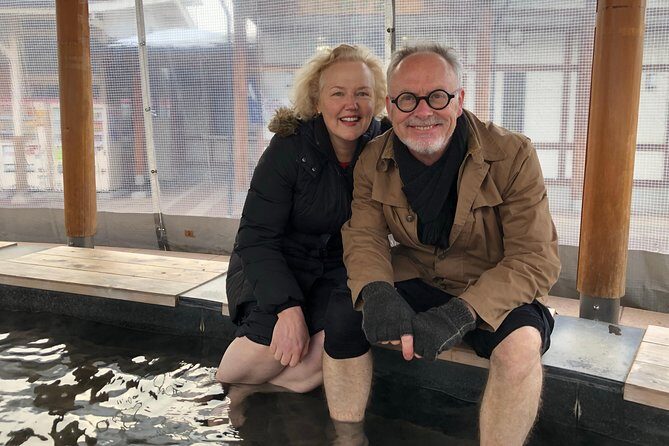
One of the more “smart design” stops is Kaede no Yu, a foot spa commonly referred to as ashi-yu. You can use it free of charge, and it’s timed as a simple relaxation break when you’re awaiting your train.
I love this kind of stop because it turns the end of a cold day from tired and stiff into pleasantly human again. Take off shoes and socks, roll up pants, and put your feet somewhere warm. Even 10–15 minutes can change how the return feels.
If you get sore feet easily, don’t skip this. It’s included, it’s low-effort, and it helps you enjoy the rest of Nagano without hobbling.
Local guiding style: When you get Teddy, Tamio, or Michiko-level care
Even on a fixed itinerary, the guide can change your experience. When the guide is strong, you spend less time guessing and more time watching. Guides like Teddy, Tamio, and Michiko are highlighted for being friendly and for doing real work—answering questions, staying patient, and helping you get to good viewing spots.
Here’s what that means for you:
- You get context as you walk through the valley, not just directions.
- The group stays calmer, which is crucial in busy winter conditions.
- You’re more likely to catch monkey behavior at the right moments for photos and video.
There is one caution worth noting: punctuality matters in winter. If your guide arrives late, your time at the park can feel shorter and your walking can feel more rushed. Still, this is a small-group outing, so once everyone lines up, it tends to move with less chaos than larger bus tours.
Sake and beer sampling: Small taste, big sense of place
Beyond the monkeys, this outing includes a chance to sample sake and beer made at a local brewery (or nearby sake-factory tasting experience). A short tasting can seem like an add-on, but in practice it helps you connect what you saw in the winter valley with something tangible and local.
I like tastings because you don’t have to commit to a full meal. You get a few flavors, you learn what’s made nearby, and you leave with souvenirs you can pack (bottles) if you’re the type who brings back food memories.
Just keep expectations realistic: this is a short sample, not a long pub crawl.
Price and value: Is $112.01 worth it?
At $112.01 per person, you’re paying for a package that includes:
- A professional guide
- Round-trip bus tickets from Yudanaka Station
- All fees and taxes
- Foot spa access
- Monkey park admission
So the value question isn’t just the monkey park. It’s how much you’d spend and how much effort you’d burn trying to assemble this on your own: timing the transfer, navigating routes, handling winter walking logistics, and trying to coordinate your day around park entry.
Where the price feels especially fair is in the small-group limit. When a group is capped at eight (up to six on some days), you get a more personal flow. You’re not fighting for attention, and you can ask questions about what you’re seeing.
One place where you should budget slightly is food. Food and drinks aren’t listed as included unless specified, and the cafe stop functions more like an option than a full meal plan.
Timing, walking, and who this tour fits best
This is about 3 hours 15 minutes total. That’s enough time to get out to Jigokudani, walk, see monkeys, and still return without it feeling like a full-day grind.
Physical comfort: the tour asks for moderate physical fitness because you’ll walk mountain paths. If you hate walking, you’ll feel it here. You’ll want winter-appropriate shoes and the ability to keep a steady pace.
Who it suits:
- Animal lovers who want close-up experiences in winter
- First-time Nagano visitors who don’t want to figure out everything alone
- Families with children who benefit from a guide managing the day’s pace
- Travelers who like a blend of nature plus something local to taste
Who might feel disappointed:
- If you expect a fully seated, no-walking tour, this won’t match your style.
- If you’re sensitive to mud or slippery ground, you’ll need to take shoe choice seriously.
Should you book this Jigokudani guided snow monkey tour?
Book it if you want the famous winter icon in a way that’s organized, not stressful. The mix of small-group guiding, included transport from Yudanaka, and a free foot spa makes the day feel planned rather than improvised. Add the chance to taste local sake and beer, and you get a little extra payoff beyond photos.
Skip or reconsider if your top priority is comfort over movement. This outing is built around walking in winter terrain, and you’ll feel it in your legs if you’re not used to mountain paths.
If you book, do one thing that makes a big difference: dress for cold ground and wear shoes with grip. Then show up with patience for the monkeys to do their thing. In a place where animals choose the warm water, the best viewing often comes from slowing down—not speeding up.
FAQ
Where is the meeting point for the tour?
You meet at Yudanaka Station (outside the ticket gate). The tour also starts back at this meeting point at the end.
What time does the tour start, and how long is it?
The meeting/start time is listed as 12:20 pm, and the tour runs for about 3 hours 15 minutes (approx.).
What’s included in the price, and what’s not?
Included features are a professional guide, foot spa, round-trip bus tickets from Yudanaka Station, and all fees and taxes. Food and drinks are not included unless specified.
Do I need to be physically fit for this tour?
The tour is rated for moderate physical fitness. You’ll walk mountain paths, so bring shoes that are easy to walk in and avoid heavy baggage.
How large is the group?
The tour is limited to a maximum of 8 people per booking, and it notes that the activity will have a maximum of 6 travelers.
Is a passport required for booking?
Yes. You’ll need to provide passport name, number, expiry, and country for all participants at the time of booking.
Can I cancel for a full refund?
Yes. Free cancellation is available if you cancel at least 24 hours before the experience’s start time.
![[1 Group Only] Explore Tokyo Ginza Food Tour for Family - Stop 1 in Shimbashi: cooking your own Japanese pancake-style meal](https://images.thejapantraveler.com/wp-content/uploads/1-group-only-explore-tokyo-ginza-food-tour-for-family.jpg)