REVIEW · KYOTO
Hike and explore the Kurama and Kibune ancient Paths
Book on Viator →Operated by Snow Monkey Resorts Tours (Machinovate Japan Ltd.) · Bookable on Viator
A morning hike into Kyoto’s north mountains hits different. This guided Kurama–Kibune route takes you through Kurama-dera Temple and down to Kifune-jinja Shrine, using the old trail that locals and spiritual seekers have used for centuries. You’ll get stories tied to the sacred sites and natural spots, not just a walk from A to B.
I especially like two things: first, the mix of temple atmosphere at Kurama-dera and water-focused worship at Kifune-jinja gives the day meaning beyond sightseeing. Second, the pace is guided and steady, so you can enjoy the cedar forests and views without constantly worrying about where to step next. One drawback to plan around: parts of the trail are steep and uneven, so you’ll want solid walking shoes and a realistic sense of effort, especially in wet conditions.
In This Review
- Key things to know before you go
- Kurama–Kibune: a calmer Kyoto, linked by sacred paths
- Getting there early: Kyoto Station to Kurama by subway and Eizan Railway
- Stop 1: Kurama-dera Temple, mountain views, and guardian statues
- From cedar forest to the Kibune River area: steep stairs, hidden shrines, and guidance
- Kifune-jinja Shrine finale: water worship, red lantern steps, and omikuji on water
- Pace, fitness, and weather: what “moderate” really means on stairs
- Price and value: what $165 buys (and what it doesn’t)
- Group size and guide experience: why small feels better here
- Who this Kurama–Kibune hike suits best (and who should pass)
- Should you book this Kurama–Kibune hiking tour?
- FAQ
- What is the duration of the Kurama and Kibune ancient paths hike?
- Where does the tour start and what time does it begin?
- What are the main stops on the tour?
- Is lunch included in the price?
- What is included in the tour price?
- Is the hike strenuous?
- How large is the group?
- What ticket type do I receive?
- What is the cancellation policy?
- Does the tour use public transportation?
Key things to know before you go
- Kurama-dera and Kifune-jinja: you’re not only hiking; you’re visiting two distinct sacred stops with different moods
- Eizan Railway + short walks: the route uses local transit to reach Kurama smoothly
- Steep stairs and uneven sections: the guide helps you keep a safe, steady pace on the mountain path
- Small groups (up to 12): more space to ask questions and slow down when needed
- Red lantern staircase and water omikuji: Kifune-jinja offers a memorable finale tied to the shrine’s water theme
- No lunch included: plan a snack strategy so you don’t hit the end of the hike hungry
Kurama–Kibune: a calmer Kyoto, linked by sacred paths
If you like Kyoto but prefer breathing room, this hike is a strong reset. Instead of spending the whole day in crowds around central sights, you head into the forested mountains north of the city and move at a human pace. You’ll feel the day change as the trail narrows into cedar shade and the sound of traffic fades.
What makes this route work is the way it combines spiritual stops with real outdoor hiking. Kurama-dera sets the tone with temple grounds and big mountain views, then the trail itself carries the theme with steep steps, hidden shrines, and legend-filled scenery. When you finish at Kifune-jinja, the contrast is striking: a shrine dedicated to the goddess of water and rain, ending in that famous red lantern staircase.
The day also stays approachable because it’s guided. The group isn’t large, and the guide helps with safety and pacing on rougher sections, which matters more than you might think on a steep mountain path.
You can also read our reviews of more hiking tours in Kyoto
Getting there early: Kyoto Station to Kurama by subway and Eizan Railway
The tour starts at 9:30 A.M. at Starbucks Coffee in Kyoto Tower Sando (Shimogyo Ward). From there, you’ll take the Karasuma Subway Line to Kokusaikaikan Station, then walk about 15–20 minutes through a quiet residential area to Iwakura Station. After that, the Eizan Railway ride is about 30 minutes to Kurama Station—the mountain gateway to your hike.
I like this setup because you’re moving toward the mountains quickly. The transit plan also keeps you from doing a stressful scramble of route planning on your own day. Plus, the Eizan Railway portion gives you a gentle warm-up before the stairs and forest trail start.
Practical tip: wear shoes you’d trust on uneven surfaces, not just for city sidewalks. Even the “short” walk segments add up once you’re preparing for a steep hike.
Stop 1: Kurama-dera Temple, mountain views, and guardian statues
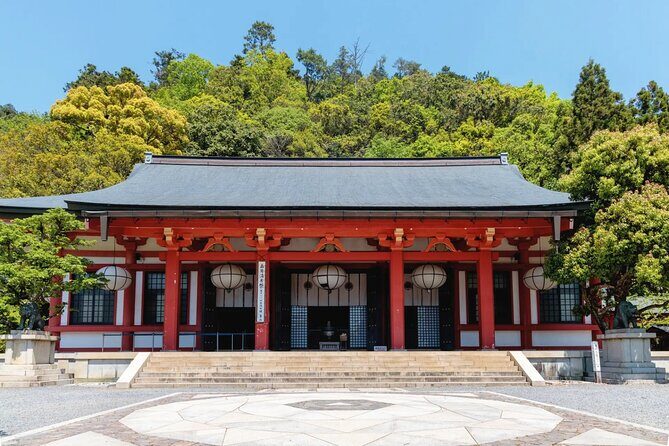
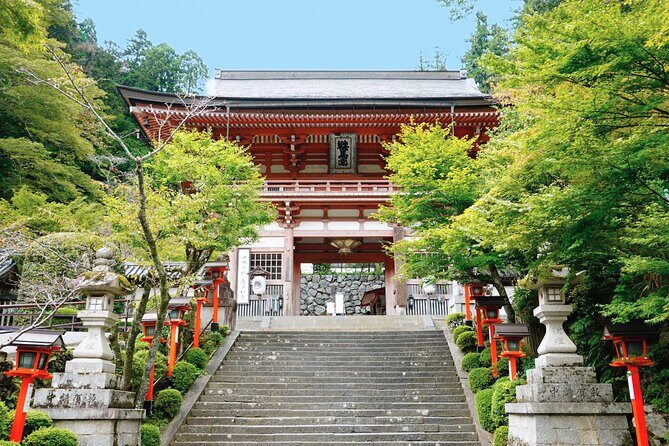
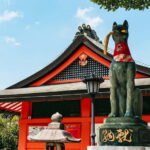
Kurama-dera Temple sits on the slopes of Mount Kurama, and the guided visit is built around that setting. You’ll spend about 2 hours at Kurama-dera, and admission is included. The main hall area offers panoramic views, and you’ll also see mysterious guardian statues that create a strong temple feel even before you step onto the trail proper.
This first stop is valuable because it anchors the rest of the day. Before you tackle the uneven mountain path, you get context for what you’re walking through and why people treat these spaces as more than just scenery. If you want a day that feels connected rather than chaotic, starting with Kurama-dera helps.
What to watch for: give yourself time to look around from the main viewpoints rather than rushing straight through. The views are one of the payoffs for being north of Kyoto and gaining elevation. Also, pay attention when the guide points out meaningful features on temple grounds, since that storytelling tends to make later trail moments click.
From cedar forest to the Kibune River area: steep stairs, hidden shrines, and guidance
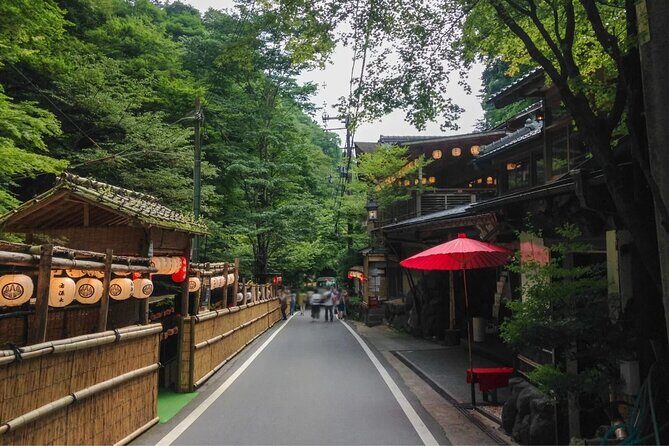
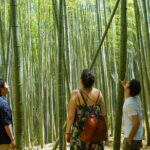
After Kurama-dera, you move into the heart of the day on the mountain trail. This portion centers on the Kibune River area and includes about 3 hours of hiking and exploring. The path runs through dense cedar forests, and along the way you’ll find hidden shrines and steep stairways.
Here’s the honest part: the trail is described as steep and uneven in places, and navigation can be tricky. That’s exactly why the guided format matters. Your guide keeps the group moving at a safe pace and helps you avoid the common mistake of stopping too often on steep sections or taking wrong turns when the path looks similar.
The guides also share the legends and stories tied to the route. One name that showed up in prior group experiences is Justin, noted for being friendly and sharing insights into quieter or lesser-known spots along the way. Even if your guide differs, the focus should be similar: the hike becomes more than exercise when someone explains why these places were meaningful enough to keep using.
Practical advice you’ll thank yourself for:
- Take it slow on the stairs. Short steps work better than long strides.
- If it’s hot or wet, slow down further. Uneven sections feel more slippery when surfaces are damp.
- Expect your legs to get the workout. This isn’t a flat stroll.
Kifune-jinja Shrine finale: water worship, red lantern steps, and omikuji on water
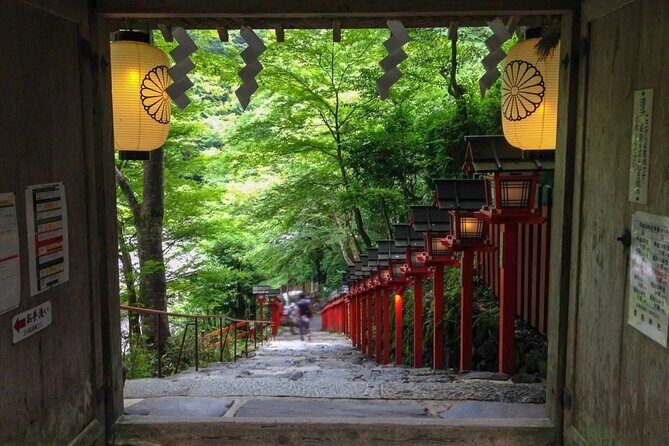
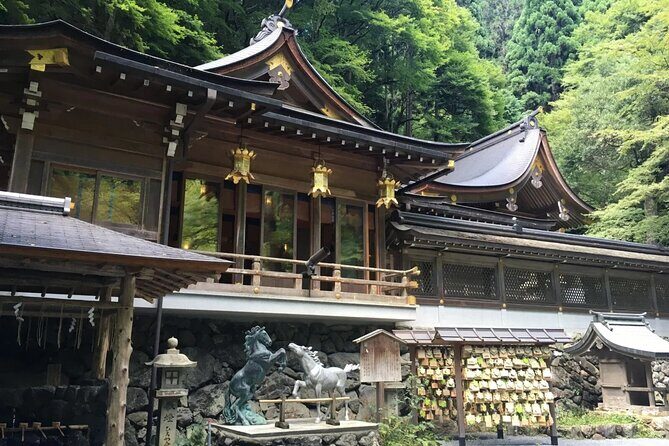
When the hiking portion ends, you descend into the village of Kibune and arrive at Kifune Shrine (Kifune-jinja). The vibe shifts from forest trail effort to shrine atmosphere and photo-friendly detail.
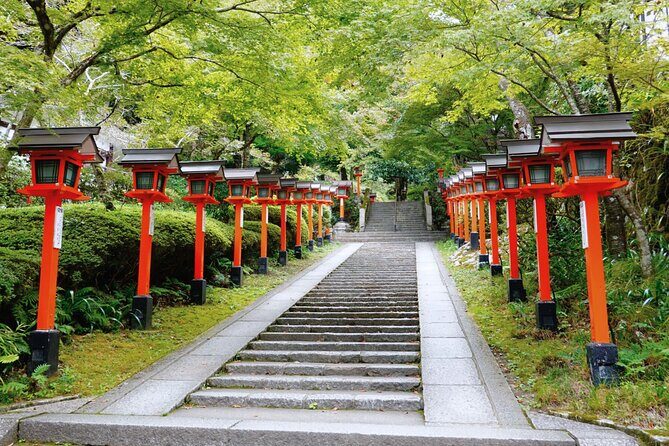
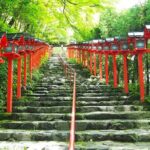
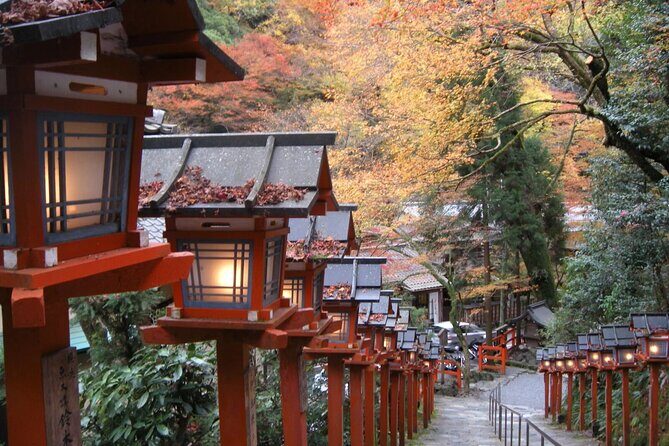
Kifune-jinja is dedicated to the goddess of water and rain, which is a big part of why the place feels so specific. The shrine’s iconic red lantern-lined staircase is the signature scene, especially because it frames the approach and gives you a sense of arrival. In front of you, the steps and lanterns create a corridor-like path that’s different from Kyoto’s more famous urban shrine entrances.
One of the most memorable elements here is the chance to write wishes using water-activated omikuji (fortune slips). If you’re the type who likes small rituals while traveling, this is the kind of moment that makes the finish feel complete rather than like a random stop.
Duration-wise, the day’s total is about 5 hours 30 minutes, and Kifune-jinja is the closing chapter. I like ending here because the symbolism ties together the forest hike and the water theme. You don’t just get tired and then move on—you end with something that feels intentional.



Pace, fitness, and weather: what “moderate” really means on stairs
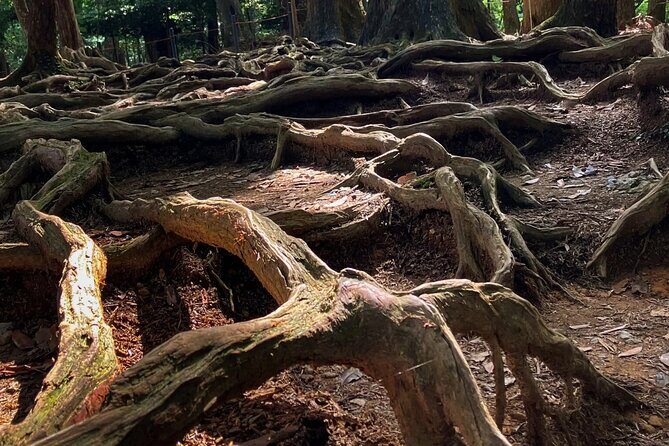
This experience is meant for people with moderate physical fitness. That doesn’t mean it’s impossible, but you should treat the trail like real hiking. Parts are steep and uneven, with steep stairways that can test your balance and stamina.
If you’re used to walking in cities, you’ll probably be fine, but you should still plan for a leg workout. The good news is that you’re not doing this alone—your guide helps set a steady pace, and the group is capped at 12 travelers, which helps keep movement smoother.
Weather matters. In wet conditions, uneven trail sections can feel more challenging, so wear grip-friendly shoes. In heat, you’ll want to slow down early and accept that you might need more breaks than you expect.
If you’re traveling with knee issues or you’re uncomfortable with stairs, you might find this tour harder than it sounds from the word hike. In that case, consider whether you’d rather do a gentler option that matches your comfort level.
Price and value: what $165 buys (and what it doesn’t)
At $165.18 per person, this tour is priced for a guided, all-in experience rather than just “walking with a map.” The value stack is clear: you get an English-speaking guide, transportation during the tour, and entry fees at the tour locations. You also get a mobile ticket, which simplifies your day.
What isn’t included is lunch, so you’ll need your own plan. That matters because a 5.5-hour hike plus shrine time can make hunger hit at the wrong moment. I recommend bringing a snack you can manage easily, then eat properly after the tour if you want a full meal.
One more value point: the guided setup saves effort. You don’t have to figure out trains, transfers, and where to start each segment. On a route like Kurama–Kibune, that convenience is part of the cost justification.
Group size and guide experience: why small feels better here
The tour maxes out at 12 travelers, which is a sweet spot for a hike like this. Small groups make it easier for the guide to notice if someone is struggling on steep or uneven sections. It also improves the quality of the storytelling, since you can ask questions without waiting for a crowded moment.
In the reviews tied to this experience, the guide support comes through strongly. One named guide, Justin, was described as friendly and generous with knowledge, plus good at sharing insights into spots beyond the most obvious stops. Even when you don’t get Justin specifically, the best part of booking a guided hike here is that you’re much more likely to come away with context, not just photos.
Who this Kurama–Kibune hike suits best (and who should pass)
This is a great match if you want:
- A Kyoto day that feels quieter than the city center
- A hike that’s real, but still guided and manageable for most people with moderate fitness
- Temple and shrine time that’s tied to stories and meaning, not only architecture
You might want to skip or choose something else if:
- You have trouble with steep stairs or uneven ground
- You dislike hiking in potentially wet or hot weather
- You’re looking for a mostly flat, casual walk with minimal effort
This tour is also ideal if you like doing one “big” cultural outdoor activity in a day. You get transportation, two sacred destinations, and the trail itself as the connecting experience.
Should you book this Kurama–Kibune hiking tour?
I’d book this if your Kyoto trip includes time for nature and you want the day to feel grounded—forests, temple atmosphere, and a shrine ending tied to water worship. The strongest selling points are the guided support on a steep trail and the way the route connects Kurama-dera to Kifune-jinja with enough context to make it feel meaningful.
If you’re on the fence because of fitness, look at the trail description honestly: steep, uneven, and stair-heavy. For most people with moderate hiking comfort, it’s a rewarding day. For those who avoid stairs or slippery ground, it may feel like too much.
FAQ
What is the duration of the Kurama and Kibune ancient paths hike?
The tour lasts about 5 hours 30 minutes (approx.).
Where does the tour start and what time does it begin?
The meeting point is Starbucks Coffee – Kyoto Tower Sando, and the start time is 9:30 A.M.
What are the main stops on the tour?
You visit Kurama-dera Temple, then hike through the mountain area toward the Kibune River area, and finish at Kifune Shrine (Kifune-jinja).
Is lunch included in the price?
No. Lunch is not included.
What is included in the tour price?
The tour includes an English-speaking guide, transportation during the tour, and entry fees at all tour locations.
Is the hike strenuous?
It is suitable for travelers with moderate physical fitness, and parts of the trail are steep and uneven.
How large is the group?
The tour has a maximum of 12 travelers.
What ticket type do I receive?
You get a mobile ticket.
What is the cancellation policy?
Free cancellation is available up to 24 hours in advance for a full refund. If you cancel less than 24 hours before the start time, there is no refund.
Does the tour use public transportation?
Yes. The route includes subway and Eizan Railway travel, plus short walking segments.