REVIEW · TOKYO
Japanese Cooking and Udon Making Class in Tokyo with Masako
Book on Viator →Operated by Traveling Spoon · Bookable on Viator
A real Japanese home kitchen beats the tourist version. This 2.5-hour private class in Tokyo has you making noodles and more, then eating what you cook—plus a calligraphy keepsake made with your name.
I especially like two things: no ingredient shopping (everything is provided) and the personal touch of Masako writing your name in Kanji as you start. It feels like you’re being hosted, not herded around.
One consideration: Masako speaks limited English, so a translator is part of the setup, and the class isn’t offered to children for safety reasons.
In This Review
- Key Highlights You’ll Care About
- Why This Tokyo Udon Class Feels So Different
- Arriving With Green Tea and Your Name in Kanji
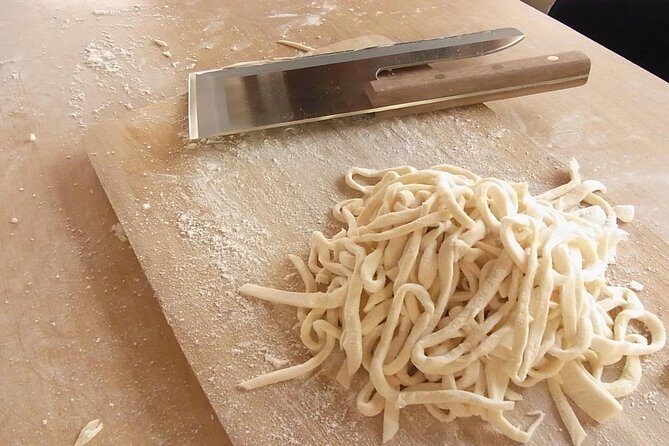
- Udon From Scratch: Kneading, Resting, Cutting, and Cooking
- Tamagoyaki and Tempura: The Egg Roll and the Crunch
- Drinks, Sake, and the End-of-Class Calligraphy Touches
- Menu Choices, Translator Support, and Diet Reality Checks
- Getting to the Meeting Point (No Hotel Pickup)
- Price and Value: Why $142 Can Make Sense in Tokyo
- Who This Cooking Class Suits Best
- Should You Book Japanese Cooking and Udon Making with Masako?
- FAQ
- What do I make in the class?
- Is an English translator provided?
- Are ingredients included, or do I need to shop?
- What is included in the price?
- Does the experience include pickup from your hotel?
- Are children allowed?
- How long is the class and when does it end?
Key Highlights You’ll Care About
- Private, 1-to-1 style teaching so you can ask questions and keep up with the steps
- All ingredients included, so you skip the grocery hunt and just cook
- Masako’s calligraphy keepsake with your name in Kanji right at the start (and more calligraphy may follow)
- Udon from scratch, with hands-on kneading, cutting, and cooking
- A full multi-course meal you eat together, paired with drinks (alcoholic options included)
- Home-kitchen context, not a studio—table rules, prep flow, and how it actually works
Why This Tokyo Udon Class Feels So Different
Most cooking classes in big cities teach technique in a commercial kitchen. This one feels smaller and more grounded because it’s hosted in Masako’s home. You’re welcomed, you cook side-by-side with the rhythm of a real household, and you leave with food you made with your own hands.
What makes it especially attractive is how much you don’t have to manage. You don’t need to find ingredients, translate recipes, or guess which tools matter. The class is structured so you can focus on the process: dough consistency, timing, and finishing details. That’s a big deal if you’re on limited vacation time and don’t want your day to turn into logistics.
The format is also a strong fit for couples and small groups. Since it’s private for your group, you don’t get stuck watching others cook while you wait. The pace stays more comfortable, and it’s easier to get answers to the questions you actually have—like why one kneading style changes the texture later.
You can also read our reviews of more cooking classes in Tokyo
Arriving With Green Tea and Your Name in Kanji
The class begins with a welcome cup of green tea. Then Masako writes your name in Kanji. This isn’t a quick flourish—it’s done by a qualified calligraphy professional, and it sets the tone immediately: calm, personal, and respectful.
For many people, the calligraphy moment is the best “before dinner” memory. It’s a small ritual, but it’s also a practical cultural moment. You see how attention to detail matters in Japanese arts and food. And you also get an object you’ll actually keep—not just a photo.
A quick note for expectations: Masako speaks limited English, so a translator is present. That doesn’t usually slow things down, and it helps you catch the important cues (ratios, timing, and what to watch for when something changes during cooking). One class format feature you can count on is that you’ll get to cook, not just sit and watch.
Udon From Scratch: Kneading, Resting, Cutting, and Cooking
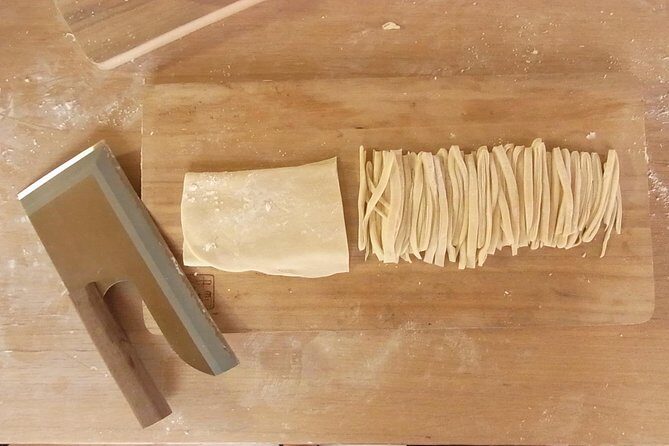
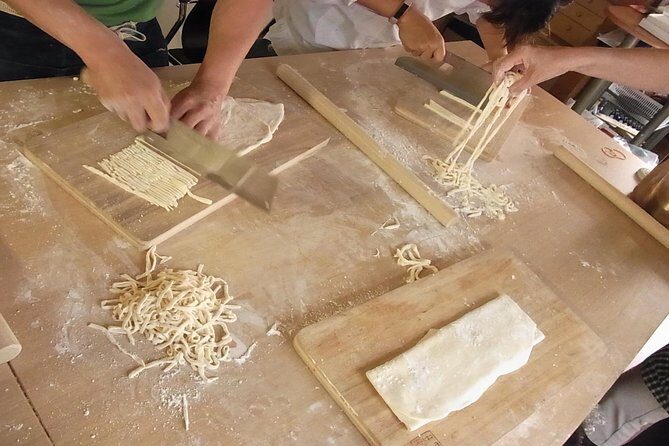
Udon is the star here, and you’re not just boiling packaged noodles. You’ll make the dough, then work through the steps that shape the final chew.
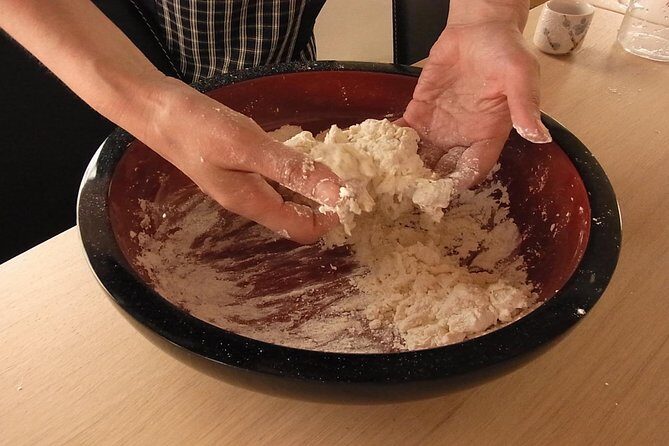
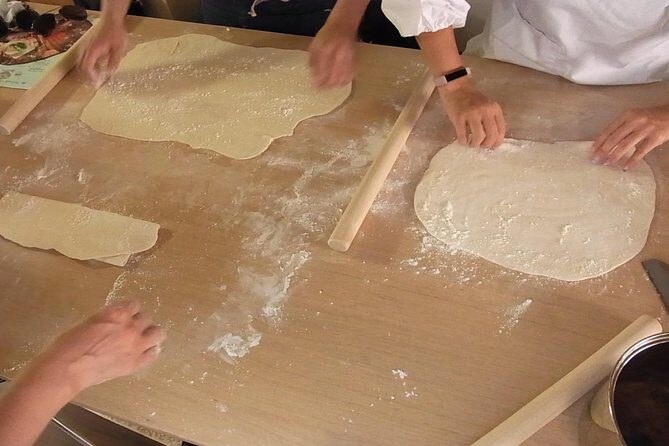
From what you’ll practice in this class, the biggest skill isn’t memorizing a recipe—it’s learning how dough should feel. You’ll get guidance on kneading technique, including how to work the flour and water into a smooth dough and what to do if it seems too dry or too wet. People also mention learning practical water ratio tips, plus the need to knead, rest, flatten, and cut carefully.
Here’s why that matters when you cook at home later. Udon dough behaves differently depending on room humidity, flour type, and your water temperature. When you understand the feel and the logic of kneading and resting, you can adjust without panicking. That’s the difference between following instructions and actually learning.
Once the dough is cut, you’ll cook the udon and eat it as part of your meal. The payoff is twofold: you get to taste what you made while it’s fresh, and you also get the confidence that you can recreate it later. A lot of people walk out saying the udon is one of the best they’ve had in Japan, and the reason is simple: you cooked it at the right stage, with the right handling.
Tamagoyaki and Tempura: The Egg Roll and the Crunch
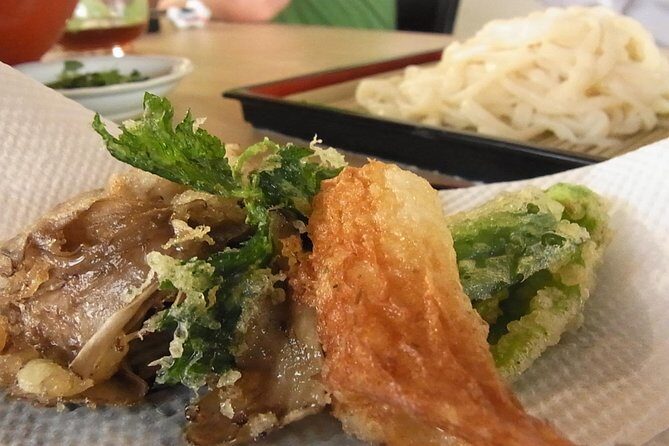
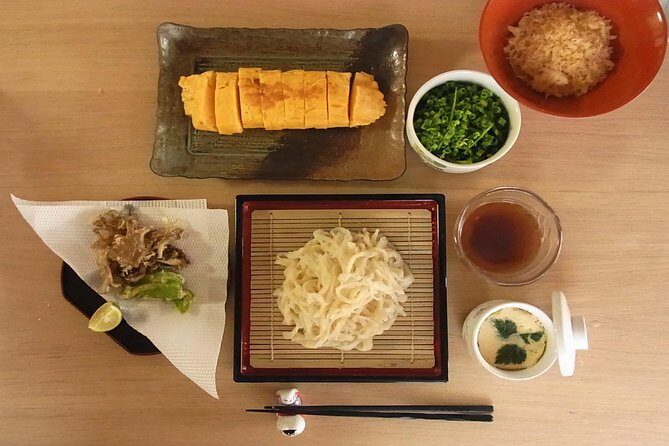
The class usually includes Japanese favorites alongside udon. Two dishes mentioned again and again are tamagoyaki (Japanese omelet) and tempura.
Tamagoyaki is a great skill to learn because it teaches technique fast. You’ll work with an egg mixture and follow step-by-step guidance on the pattern and timing that make it tender and clean. People also mention versions that include flavors like miso in starters and guidance on rolling the egg so it sets evenly.
Tempura is the other big highlight. You’ll prep vegetables, and in some menus you might also handle shrimp. This part teaches more than frying. You learn how to prep the ingredients for even cooking and how to keep the batter and oil behaving the way tempura demands.
If you’re worried about frying, don’t be. The class is built for instruction. You get coaching while you cook, so you’re not guessing about heat. And because you’re cooking in a small group setting, you’re more likely to get direct help when something needs adjustment.
A bonus detail from past sessions: people mention making or tasting an egg-and-miso starter before the udon phase. If that’s included in your menu choice, it’s a nice warm-up—egg is gentle, and it gets your timing sense calibrated before the dough work.
Drinks, Sake, and the End-of-Class Calligraphy Touches
Food is the main event, but you also get drinks with the meal. Alcoholic beverages are included, so this can double as a fun dinner plan without the bar-crawl feeling.
Some classes include sake during the meal or as part of the closing moments. You might also get small handmade extras tied to the craft theme—calligraphy-related gifts show up in multiple accounts, including fans made with symbols or names in Japanese characters. There are also mentions of origami gifts.
Even if you’re not a “souvenir person,” these details are worth paying attention to. They aren’t random. They connect the food you made to the cultural arts you watched—calligraphy, paper folding, and the patience that makes each dish work.
One practical note: because this is held in a home, the vibe stays relaxed. You’ll likely notice etiquette around prep and shared space—simple rules that make the whole meal feel smoother. That’s part of the value: you see how a Japanese kitchen runs at everyday scale, not just as a show.
A few more Tokyo tours and experiences worth a look



Menu Choices, Translator Support, and Diet Reality Checks
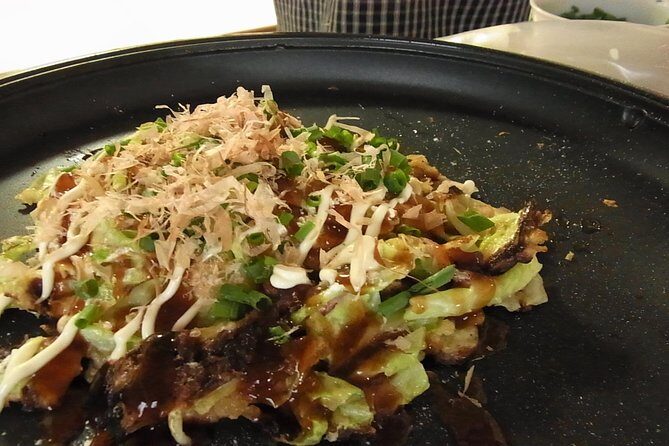
Masako offers four menu choices, and you’re asked to message her with your preference. This is important because the dishes you cook and the exact flow can shift depending on the menu you choose.
If you have diet restrictions, send them ahead of time. At least some participants report that Masako was accommodating with dietary needs. That doesn’t mean every restriction can be handled in every menu, but it does mean it’s worth asking early. Clear messages help keep expectations realistic and avoid last-minute surprises.
Language support is built in. Masako speaks limited English, and a translator is present during the experience. Still, a small percentage of participants have noted communication felt easier than expected. Either way, don’t stress about missing key points—your questions and observations can be translated so you can follow the steps that matter.
There’s also a hard safety rule: Masako does not accept children for the cooking class. If you’re planning this as a family activity, plan an alternative for kids and consider this as an adults-only dinner learning session.
Getting to the Meeting Point (No Hotel Pickup)
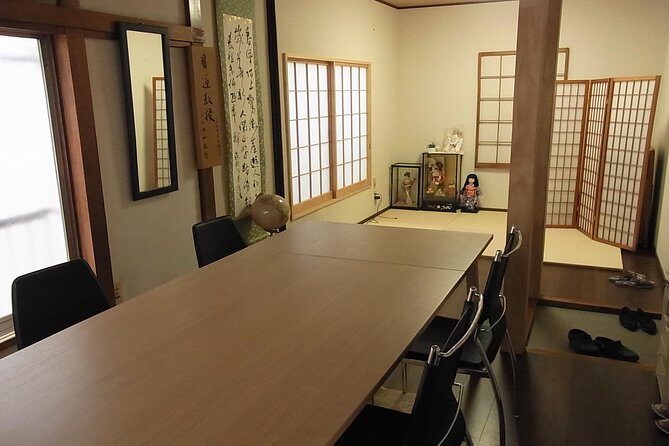
This class does not include hotel pickup or drop-off. You’ll meet at an address in Adachi City, Senju: 4-chōme 275 長円寺, then the activity ends back at the meeting point.
Because the meeting spot is listed near public transportation, you should be able to reach it by train and short walk. Still, Tokyo addresses can be tricky, especially when there are similar street names. I’d treat this like any Japanese local meeting point: get there a bit early, and have your phone ready with the exact address.
Since you’re returning to the start location at the end, plan your night with a nearby transit route. Don’t schedule a late train connection right after the class unless you’re comfortable with a buffer.
Also remember it’s about 2 hours 30 minutes. That’s long enough to cook multiple items and eat, but short enough that you can still fit it into an evening plan without rushing.
Price and Value: Why $142 Can Make Sense in Tokyo
At $142 per person, this isn’t the cheapest activity in Tokyo. But the price-to-value story is strong if you care about learning and not just eating.
Here’s what you’re paying for:
- A private class setup for your group, with hands-on instruction
- All ingredients included, so you avoid the grocery scramble
- A meal you eat, not samples
- Drinks included, including alcoholic beverages
- A calligraphy keepsake with your name in Kanji, plus other craft touches that sometimes appear
In other words, you’re not just buying recipes. You’re buying time, attention, and the chance to create udon and Japanese staples with real guidance. If you price out a normal dinner in Tokyo plus a cooking workshop plus a cultural craft moment, the overall math starts to look more reasonable.
Group discounts may apply, and booking a private experience often costs more than a basic group tour. If that private attention matters to you—especially for cooking technique—this price starts to feel like paying for the right kind of help.
Who This Cooking Class Suits Best
This class is a great match if you:
- Want a hands-on Japanese cooking night, not a lecture
- Like the idea of making udon from scratch and learning kneading and texture skills
- Enjoy cultural crafts like calligraphy and want a tangible souvenir
- Travel as a couple, friends, or a small group who want focused instruction
It may not be the best fit if:
- You want a super-fast “walk-in and taste” food stop
- You’re bringing children (the class doesn’t accept them for safety)
- You dislike home-kitchen settings and prefer big, staged facilities
If you’re nervous as a beginner, don’t be. Multiple descriptions point out that the class is structured so you’ll have fun even if you’re not an experienced cook. The focus is on learning steps clearly and practicing.
Should You Book Japanese Cooking and Udon Making with Masako?
I’d book it if you want Tokyo in a different shape: a real kitchen, real technique, and a meal that comes with a story you can repeat at home. The combination of udon-making, tamagoyaki, tempura, and calligraphy is what makes this more than a typical food class.
You should consider skipping it if you only want casual tasting or if you’re traveling with children. Otherwise, the value is strong because the class handles the hard parts—ingredients, structure, and teaching—so you can focus on cooking and eating.
If you do book, message Masako with your menu choice and any diet needs before you go. That one step helps the night run smoothly and makes sure you cook the dishes you’re actually excited to learn.
FAQ
What do I make in the class?
You’ll make udon noodles from scratch, and the class includes other Japanese dishes such as tamagoyaki and tempura. Masako offers four menu choices for your meal.
Is an English translator provided?
Yes. Masako speaks limited English, so a translator is present during the experience.
Are ingredients included, or do I need to shop?
Ingredients are included. You won’t need to shop for food before the class.
What is included in the price?
The class includes cooking with Masako, alcoholic beverages, and all fees and taxes.
Does the experience include pickup from your hotel?
No. Hotel pick up and drop off are not included. You’ll meet at the listed address and return there at the end.
Are children allowed?
No. Masako does not accept children for a cooking class for safety reasons.
How long is the class and when does it end?
It runs for about 2 hours 30 minutes and ends back at the meeting point.