REVIEW · TOKYO
Tokyo: Meiji Jingu, Harajuku, Shibuya, and Shijuku Tour
Book on GetYourGuide →Operated by ABU · Bookable on GetYourGuide
Tokyo in one solid afternoon: that’s the real trick here. This private West Tokyo tour strings together calm, style, iconic streets, and late-night hangouts into a route you can actually handle in just 4 hours. I like that it’s private (so the pace is yours), and I like that it uses public transit so you’re not stuck in taxi time.
I also like the mix of classic Tokyo and modern pop culture, from Meiji Jingu to the Pokémon Center. One thing to consider: this is a walking-and-subway style plan. If you hate crowds at all, you’ll want to time your photos and keep moving on Shibuya and Harajuku days.
In This Review
- Key things you’ll notice on this tour
- Why This Four-Hour West Tokyo Plan Works
- Meiji Jingu: Start With Forest Calm and Real Shrine Rituals
- Harajuku and Takeshita Street: Fashion Browsing Plus Snack-Stop Energy
- Cat Street and the Harajuku-to-Shibuya Style Bridge
- The Walk to Shibuya: Metro Time and Getting Your Bearings
- Shibuya Crossing and Shibuya City: The Photo Moment Plus Pokémon Pop Culture
- Shinjuku: Golden Gai, Omoide Yokocho, and a Real Taste of Night Streets
- Getting Around and Handling the Pace Without Stress
- Price and Value: What $103 Buys You in Tokyo Terms
- Who This Tour Suits Best (and Who Should Think Twice)
- Should You Book This Meiji Jingu to Shinjuku Tour?
- FAQ
- How long is the Tokyo West Tour?
- Is this tour private?
- What pickup areas are available?
- What language is the guide?
- Is the tour wheelchair accessible?
- What major stops are included?
- What’s included in Shibuya besides sightseeing?
- Does the tour include shopping stops?
- Are meals included?
- Can I add an animal or snake café stop?
- Is cancellation free?
Key things you’ll notice on this tour
- A private guide who can tailor the route as you go, not a rigid group script
- Meiji Jingu first, so you start with quiet forest air before the city noise
- Takeshita Street + Harajuku area, built for fashion browsing and snack stops
- Shibuya moment with Crossing views plus the included Pokémon Center detour
- Shinjuku night lanes including Omoide Yokocho and Golden Gai
- Public transportation is part of the experience and included in the cost
Why This Four-Hour West Tokyo Plan Works
Tokyo can feel like too much, too fast. This tour helps you cover big-name areas without turning your day into a logistics test. You get a smooth flow: Meiji Shrine (a deep breath), Harajuku (style + snacks), Shibuya (the famous street moment), then Shinjuku (nightlife side streets).
The biggest value for you is the private format. In real life, you don’t just want photos—you want context and help making choices. Guides on this route have been praised for stories about everyday life in Japan, plus flexibility. People have specifically called out customized pacing and thoughtful attention, including making it work well for a 12-year-old. That’s a big deal if you’re traveling as a family, or if you need a plan that doesn’t steamroll your interests.
The second value is that key stops are included, not just viewed from the curb. You’re not only passing landmarks. You also get included time at Don Quijote, plus Omoide Yokocho and Golden Gai in Shinjuku, and you’ll visit the Pokémon Center in Shibuya.
You can also read our reviews of more tours and experiences in Tokyo.



Meiji Jingu: Start With Forest Calm and Real Shrine Rituals
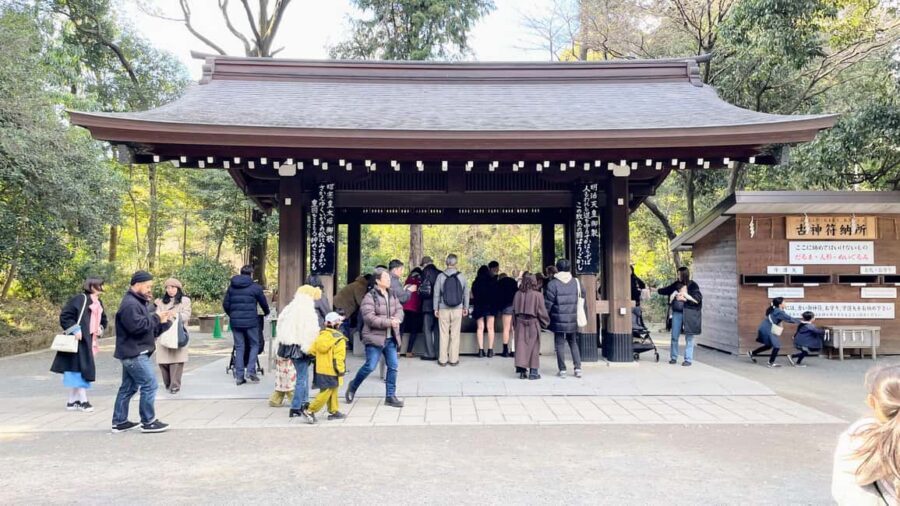
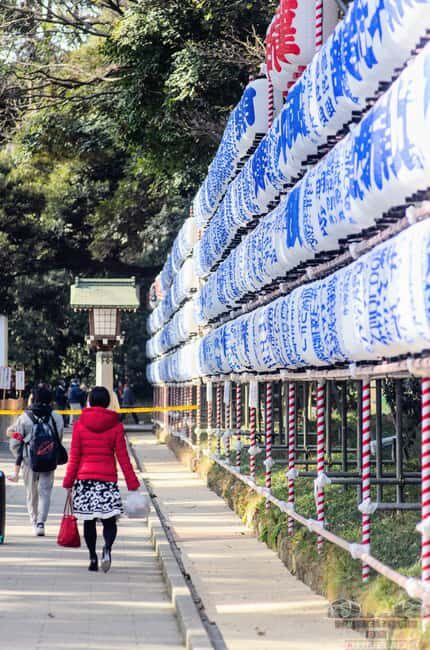
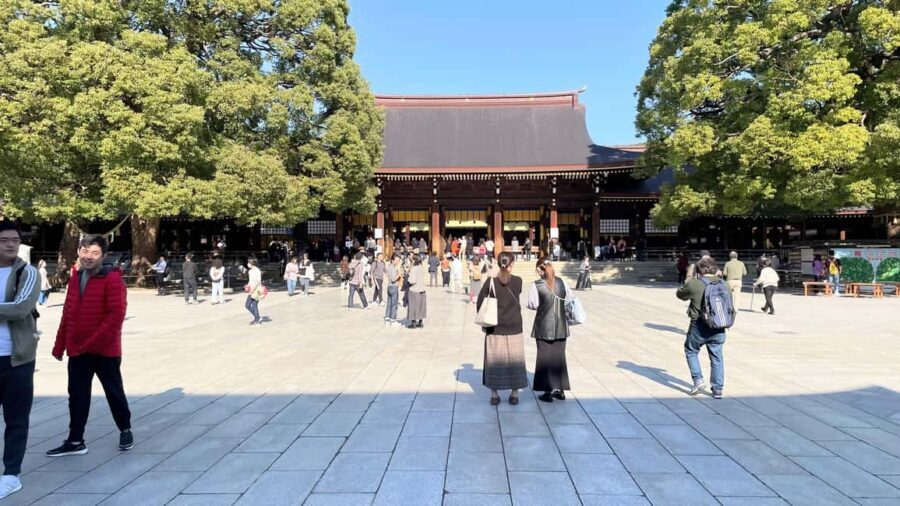
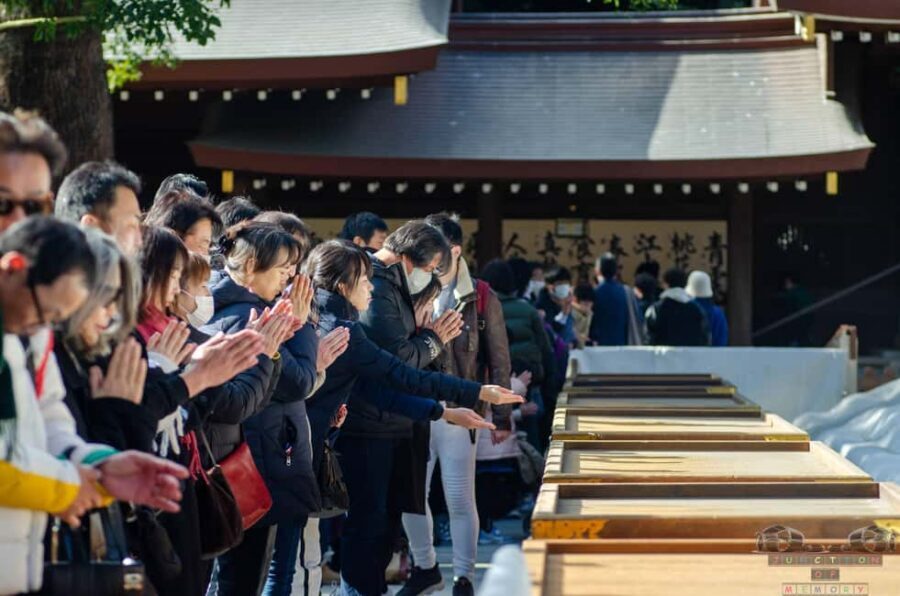
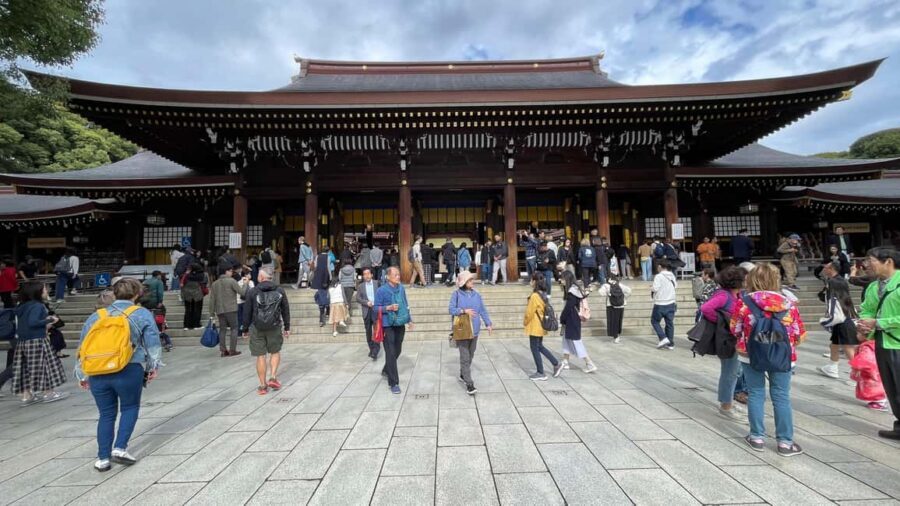
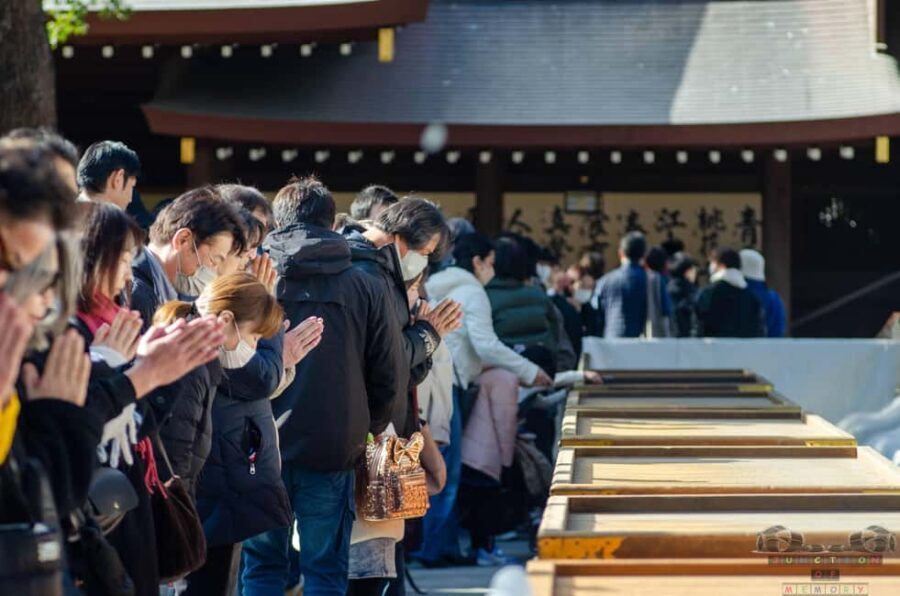
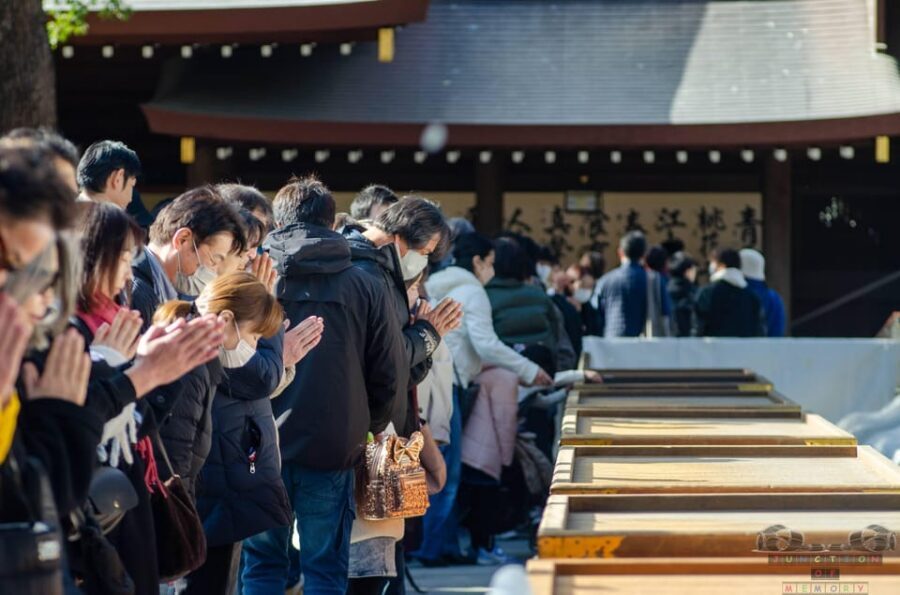
Meiji Jingu (Meiji Shrine) is one of those places where the city noise drops away fast. The shrine sits inside a lush forest setting, and it feels like Tokyo forgot your schedule. You’ll be there with a guided visit, and that matters because Shinto rituals are easier to respect when someone explains what you’re looking at.
What you can expect:
- Learning the significance of the shrine dedicated to Emperor Meiji and Empress Shoken
- Time for a classic experience like writing a wish on ema
- A chance to follow traditional cleansing at the temizuya (water pavilion), where you purify before entering deeper areas
Practical tip: go in with a slower mindset. Even if your next stops are high-energy shopping streets, Meiji Jingu is where you reset. The calm also makes for better photos—less chaos, better light, and a stronger contrast when you jump to Shibuya later.
Possible drawback: if you’re short on mobility or you dislike quiet walking, you’ll still want comfortable shoes. This is not a “sit in one spot” stop. It’s a guided stroll through a sacred space.
Harajuku and Takeshita Street: Fashion Browsing Plus Snack-Stop Energy
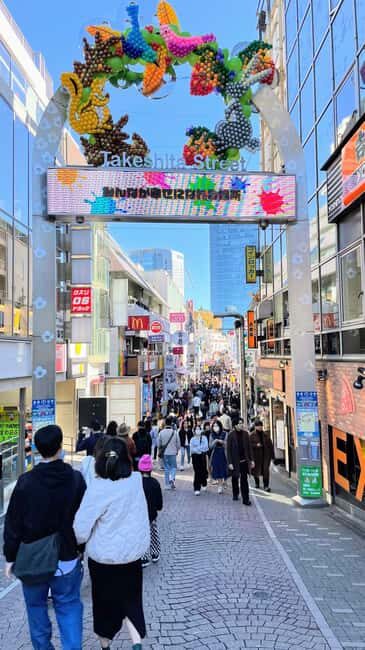
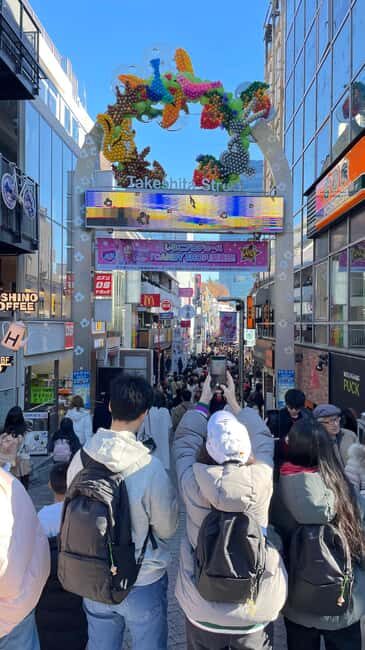
Then the tour turns the volume up—Harajuku. The plan includes Takeshita Street with guided time and a photo stop, and you’ll also cover the broader Harajuku area with additional stops.
Takeshita Street is known for:
- Quirky fashion and fast trend changes
- Small shops with fun, eye-catching displays
- Street food moments where you can snack while you walk
If you want a simple way to enjoy it, this is it: treat Takeshita like a living showroom. You don’t need to buy anything. You’re absorbing the vibe, spotting style trends, and taking photos at the places your guide recommends so you’re not wandering aimlessly.
What I like about this stop for you: it’s built around time that’s short enough to stay fun, not long enough to exhaust you. The tour gives a measured chunk for walking, looking, and sampling. That’s the difference between enjoying Harajuku and feeling like you got stuck in a fashion loop.
One consideration: Harajuku can get crowded. If you’re prone to sensory overload, ask your guide about where to pause, where to move fast, and which lanes are best for photos.
Cat Street and the Harajuku-to-Shibuya Style Bridge
The highlights also point to Cat Street, and that makes sense because it connects Harajuku and Shibuya in a way that feels more “meandering boutique walk” than “everything happens on one main strip.”
On Cat Street, you’re more likely to find:
- A mix of high-end and vintage shops
- A slightly more relaxed flow than Takeshita Street
- A “browse without pressure” atmosphere where style feels curated by personality, not just hype
For you, this matters because it balances Harajuku’s loud energy with a calmer kind of shopping street. It’s also an easy win if you want fashion inspiration without committing to buying right then.
No drawback to flag here beyond time. With only 4 hours total, the guide will likely shape your Cat Street focus based on your interests. If vintage shopping is your priority, say so early.
The Walk to Shibuya: Metro Time and Getting Your Bearings

Between stops, the tour uses subway/metro segments. That’s a practical choice, because in Tokyo the fastest route is rarely the one that feels intuitive. The included public transportation fees mean you don’t spend mental energy figuring out fares or which lines to take.
You’ll also get short walking links between areas. This is good for you if you like feeling how Tokyo moves street-to-street. It also keeps the tour from turning into long transit stretches where your brain checks out.
If you’re sensitive to walking distances, this is where you’ll feel it most—so plan for comfortable shoes. This kind of schedule doesn’t allow for a long sit-down break whenever you feel like it.






Shibuya Crossing and Shibuya City: The Photo Moment Plus Pokémon Pop Culture
Shibuya is where Tokyo does its iconic thing. You’ll experience the Shibuya Crossing—the world-famous pedestrian scramble where traffic stops and hundreds of people flow in all directions at once. It’s chaotic in appearance and organized in reality, and the payoff is the feeling that you’re watching Tokyo’s daily rhythm live.
Then the tour continues through Shibuya City with:
- Break time and free time for your own pace
- A photo stop and guided visit
- Shopping/sightseeing time
Two included anchors make Shibuya more than a photo stop:
1) Pokémon Center (included)
2) A Don Quijote stop (included)
That combo is smart if you want both pop culture and practical Tokyo shopping. Pokémon Center is the obvious draw for fans and families, but Don Quijote is useful even if you don’t plan to buy much. It’s a fast way to see what’s popular, what travel-friendly items look like, and how Tokyo retail feels in motion.
Optional add-on: the tour mentions an animal or snake café option in Shibuya. If you want it, you need to tell your guide at the beginning, and additional fees may apply. This is ideal if you like quirky, memorable experiences that you won’t find in your hometown.
One drawback to watch: if you’re traveling during a peak time, Shibuya Crossing and nearby streets can be crowded. The guide’s job is to pick timing and photo angles so you’re not stuck waiting in the wrong spot.
Shinjuku: Golden Gai, Omoide Yokocho, and a Real Taste of Night Streets
After Shibuya, you head to Shinjuku, and the vibe changes fast. Shinjuku is famous for nightlife, and this tour gives you a slice of that energy without requiring you to fully commit to late hours.
What’s included and worth your attention:
- Omoide Yokocho (Memory Lane)
- Golden Gai
- Time to explore and take photos around the district
- A “sunset” focus as part of the timing for the Shinjuku portion
These lanes are the real story. Omoide Yokocho and Golden Gai aren’t just places to walk past. They’re areas built for small venues and narrow streets, where Tokyo feels older and stranger in a good way—like you’re stepping into a different style of city social life.
The tour also includes time for shopping and sightseeing in Shinjuku, plus a pass-by of major sights like the Godzilla Head (mentioned as a landmark in Shinjuku highlights). That gives you the classic checklist moment, but you’re spending your time where the atmosphere is.
A practical tip for you: use your guide to choose where to pause for photos. In Shinjuku, it’s easy to get pulled into a street that looks great but blocks your next move.
Getting Around and Handling the Pace Without Stress
This tour includes public transportation fees within Tokyo, which matters because transit is the hidden cost in many half-day plans. You’re also not choosing routes while tired. Your guide handles the flow, including the walking links and the metro jumps.
The schedule is built like this:
- Start with pickup in one of several areas: Minato City, Shibuya City, Taito City, or Shinjuku City
- Meiji Jingu guided visit
- Short walk to the Harajuku area for Takeshita Street
- Walking links into broader Harajuku
- Metro to Shibuya City
- Metro to Shinjuku
- Wrapped up with sunset timing and district exploration
Why you’ll like this: it keeps decision-making simple. You get to focus on what you want to see, not how to get there.
If you’re thinking about mobility: the tour is listed as wheelchair accessible. That’s a good sign, but always plan based on your own comfort with walking segments because the day still includes on-foot parts.
Price and Value: What $103 Buys You in Tokyo Terms
At $103 per person for a private 4-hour tour, the price looks fair because you’re paying for more than sight-seeing. You’re paying for:
- A private English-speaking guide for the whole block of time
- Admission fees for Meiji Shrine
- Included public transit fares
- Included time at specific stops that can cost you time or effort on your own
The included stops matter. A lot of tours say you’ll see places. This one includes activities like visiting the Pokémon Center, plus time at Don Quijote and exploring parts of Shinjuku like Omoide Yokocho and Golden Gai.
Also, the private format has real value in Tokyo. You can ask questions about etiquette, culture, or what to do next. In the guide feedback, names like Joe, Ayoub, Maruf, Erica, and Emir show up as strong examples of guides who bring stories and energy. Some are even described as great photographers, helping you get good shots without chaos.
One consideration on value: meals are not included. If you want food, you’ll either snack during Harajuku (street food is a natural fit) or budget for a meal during break time. Your guide can help with recommendations, but the cost isn’t built into the tour.
Who This Tour Suits Best (and Who Should Think Twice)
This tour is a strong match if you:
- Want a first-day or early-day overview of West Tokyo
- Like mixing famous sights with pop culture stops
- Travel with kids who need an upbeat pace (some guides have been praised for adapting well)
- Prefer a guide to translate what you’re seeing and help you move efficiently
It may be less ideal if:
- You hate crowds at all costs (Harajuku and Shibuya can be busy)
- You want a slow, sit-down style tour with long breaks
- You expect meals to be included
If you want Tokyo without getting lost, this is a practical approach.
Should You Book This Meiji Jingu to Shinjuku Tour?
If your goal is to hit Meiji Jingu, Harajuku, Shibuya Crossing, and Shinjuku night lanes in one half-day, then yes, I’d book it. The price works because it includes key admissions and transit, plus specific stops like the Pokémon Center and major Shinjuku alley experiences.
Book it with two simple priorities in mind:
- Tell your guide what you care about most (shopping style, pop culture, photos, or nightlife atmosphere)
- Ask early if you want the optional animal/snake café, since it needs planning and extra cost
Skip it only if you want a low-crowd, slow-paced day. Otherwise, this route is a smart way to experience real Tokyo texture without spending your afternoon fighting train lines or guessing where to go next.
FAQ
How long is the Tokyo West Tour?
It lasts about 4 hours.
Is this tour private?
Yes, it’s a private group tour.
What pickup areas are available?
Pickup options include Minato City, Shibuya City, Taito City, and Shinjuku City.
What language is the guide?
The tour includes an English-speaking live guide.
Is the tour wheelchair accessible?
The tour is listed as wheelchair accessible.
What major stops are included?
Key included areas are Meiji Jingu, Harajuku (including time around Takeshita Street), Shibuya Crossing / Shibuya City, and Shinjuku (including Omoide Yokocho and Golden Gai).
What’s included in Shibuya besides sightseeing?
The tour includes a visit to the Pokémon Center in Shibuya.
Does the tour include shopping stops?
Yes. It includes exploration time at Don Quijote, and shopping time during the Harajuku and Shibuya portions.
Are meals included?
No. Meals and beverages are not included unless specified.
Can I add an animal or snake café stop?
Yes, there’s an optional animal or snake café stop in Shibuya. You should inform your guide at the beginning, and additional fees may apply.
Is cancellation free?
Free cancellation is available up to 24 hours in advance for a full refund.