REVIEW · TOKYO
Tokyo Private Sightseeing Tour by Car and English Speaking Driver
Book on Viator →Operated by Discover Sakura Japan · Bookable on Viator
Nine hours, one private car, Tokyo in full. You’ll bounce between old-school temples, major shopping districts, and landmark viewpoints with a hotel pickup and an English-speaking driver who keeps the day moving.
I especially like the freedom to set your own pace—if you want extra time at a stop, the car stays with you. I also like the practical comfort: an air-conditioned vehicle plus bottled water, so the whole day feels manageable rather than exhausting.
One caution: this route can feel a bit time-tight if you linger too long, and a big-ticket viewpoint like Skytree may crowd out other stops.
In This Review
- Key highlights at a glance
- Why this Tokyo private car setup feels smarter than DIY
- Price and value: what $273.90 per group really buys
- How the 9-hour route works (and where you’ll want to manage time)
- The stop-by-stop day: what each place is like
- 1) Senso-ji Temple in Asakusa: start with Tokyo’s classic scene
- 2) Tokyo Skytree: choose your viewpoint focus early
- 3) Tsukiji Outer Market: snack-first lunch without complicated planning
- 4) Ginza: polished shopping and architecture breaks
- 5) The Imperial Palace Gardens: a calm reset in the middle of the day
- 6) Tokyo Tower: a second skyline option if your schedule allows
- 7) Meiji Jingu Shrine near Harajuku: green calm right inside the city
- 8) Takeshita Street in Harajuku: youth fashion, snacks, and crowd energy
- 9) Omotesando: modern architecture with a more relaxed feel
- 10) Shibuya Crossing: the photo you’ll remember
- What the English-speaking chauffeur really adds
- Food strategy: making Tsukiji and the rest of the day easy
- This works especially well for couples and small groups
- Should you book this Tokyo private car tour?
- FAQ
- How long is the Tokyo private sightseeing tour by car?
- Is the tour private?
- What group size is the tour priced for?
- Is hotel pickup and drop-off included?
- Does the tour include an English-speaking driver?
- Is bottled water provided?
- Are admission tickets included for Tokyo Skytree or Tokyo Tower?
- Are there any free admission stops in the itinerary?
- Is there a walking guide included?
- What is the cancellation policy?
Key highlights at a glance
- Door-to-door private transport with air-conditioning and parking/fuel/tolls handled
- English-speaking chauffeur who explains things mainly while you’re in the car
- Top Tokyo icons in one day: Senso-ji, Skytree, Meiji Jingu, Harajuku, Shibuya Crossing
- Tsukiji Outer Market for easy food breaks with lots of street-snack options nearby
- Two tower choices (Skytree and Tokyo Tower), with admission not included
- Stay as long as you want, with a schedule reality check for fitting all stops
Why this Tokyo private car setup feels smarter than DIY
Tokyo is huge, and most self-planning mistakes come from time lost between neighborhoods. This tour solves that with a private vehicle and a driver who’s there from stop to stop, so you’re not constantly figuring out train transfers, station exits, and re-entry logistics.
You also get a day built around contrast. You’ll start in historic Asakusa, shift toward skyline views, then move through modern city life in districts like Ginza, Harajuku, and Shibuya—without having to change your plan every time you get tired.
The icing on the cake is the driver’s role. An English-speaking chauffeur doesn’t replace a walking guide, but it does mean you still get helpful context and smoother transitions as you travel.
You can also read our reviews of more private tours in Tokyo


Price and value: what $273.90 per group really buys
The price is $273.90 per group (up to 3) for about 9 hours. For Tokyo, that’s often less painful than you’d expect when you factor in private-door pickup, an English-speaking driver, and the cost of getting the car to parking points close to major sights.
If you’re traveling as two people, you’re typically paying a little more per person than mass transit plus museum tickets—but you’re buying time, comfort, and fewer hassles. If you’re traveling as three, the value usually feels better because you split the private-vehicle cost.
Two important cost notes: Skytree and Tokyo Tower admissions are not included. That doesn’t make the tour bad—it just means you should decide ahead of time whether you want both towers or focus on one, because time in the day is your real currency.
How the 9-hour route works (and where you’ll want to manage time)
This day is designed as a series of stops with about 1 hour each for many locations, plus shorter time blocks for places like Omotesando and Shibuya Crossing. In practice, you can often take extra time at a stop, but the overall plan is still ambitious.
That matters because some sights are naturally “time eaters.” Crowds at Asakusa’s approach streets and Harajuku’s Takeshita area can slow you down, even if you only want a quick look. If you also choose to go up a tall tower, that adds time for tickets, lines, and moving around inside.
My advice is simple: pick your priorities. If Skytree is your must-do, treat it as a centerpiece. If you’re more about neighborhoods and people-watching, you can keep tower time shorter and spend more time strolling at ground level.
The stop-by-stop day: what each place is like
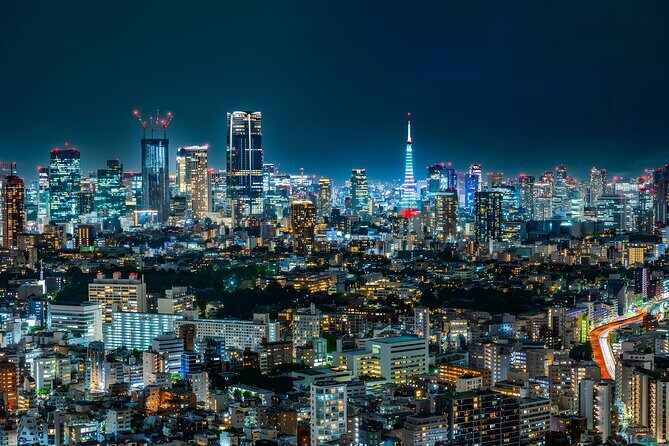
Below is the flow you’ll follow, with what to expect and how to make each stop work.
1) Senso-ji Temple in Asakusa: start with Tokyo’s classic scene
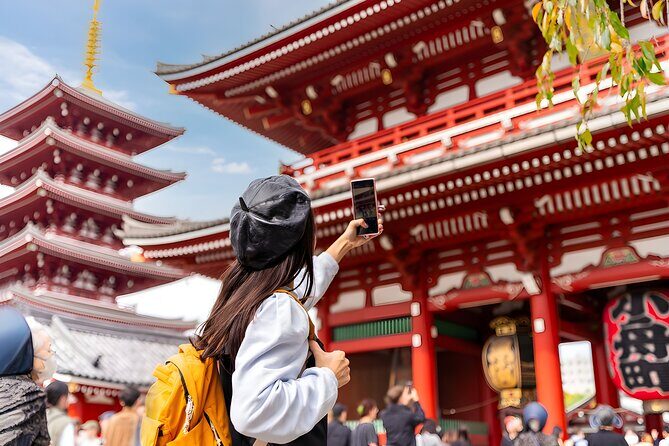
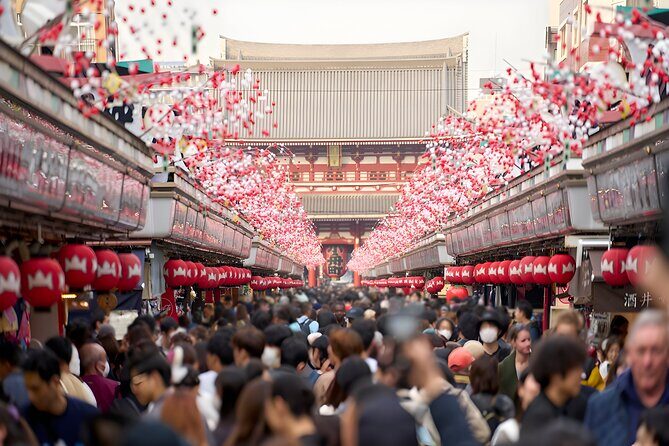
Senso-ji is Tokyo’s best-known Buddhist temple and a strong opening stop because it gives you instant visual energy—big gates, temple grounds, and the motion of people heading into the area. The Kaminarimon gateway is the iconic photo moment, and you’ll also pass through Nakamise, a shopping street filled with snacks and small souvenirs.
What I like here is how easy it is to go at your own pace. Even if you don’t want to shop, the walkway atmosphere is part of the experience.
The only drawback is crowd density. Plan for slower walking and more bumping than you’d see at less central sites.
A few more Tokyo tours and experiences worth a look

2) Tokyo Skytree: choose your viewpoint focus early
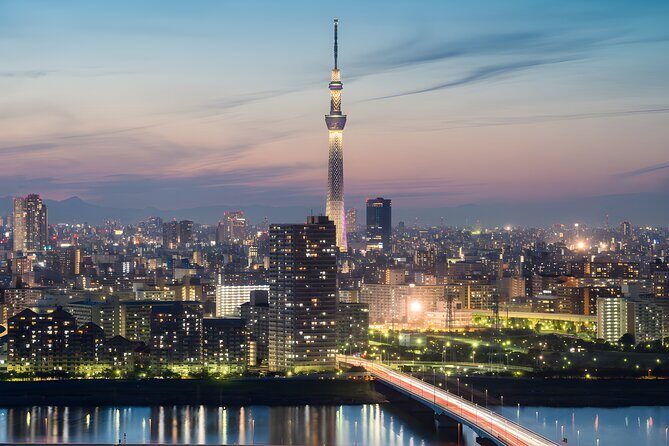
Tokyo Skytree is Japan’s tallest structure at 634 meters, with observation decks that give you wide city views. Admission isn’t included, so you’ll pay the entry fee separately if you go up.
This is one of those moments where your schedule choice matters. If you want the full tower experience, it’s the kind of stop that can take most of its hour—and it can make the later stops feel rushed if you fall behind.
If your goal is skyline views, Skytree is a great pick. If you’re not sure, you can consider keeping your time realistic so you still enjoy Shibuya and Meiji Jingu without sprinting.
3) Tsukiji Outer Market: snack-first lunch without complicated planning
Tsukiji is now known mainly for its Outer Market, a lively zone where you can grab street food and quick bites. You’ll find seafood, Wagyu-related snacks, and lots of smaller local items that make it easy to eat without sitting through a long lunch.
I like how flexible this stop is. You can do a full food crawl, or you can just grab one or two items and use it as a break to recharge.
The practical caution is crowds and narrow walkways. If you hate standing in lines, you’ll want to move with purpose and make your choices quickly.
4) Ginza: polished shopping and architecture breaks
Ginza is Tokyo’s upscale shopping and dining district, known for luxury brands and modern buildings. It’s also useful as a contrast stop after Tsukiji—less “market chaos,” more “city streets you can browse.”
What to watch for: the mix of department stores and streets that feel designed for strolling. You’re not coming here for temple vibes, but for that Tokyo modern-city feel.
Drawback: if shopping isn’t your thing, your hour can feel short. Use the time for a short walk and a coffee pause rather than trying to do everything.
5) The Imperial Palace Gardens: a calm reset in the middle of the day
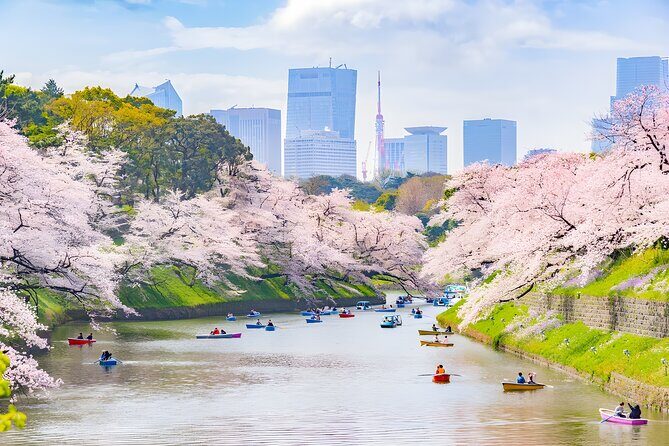
The Imperial Palace area gives you a break from the crowds. The gardens are public spaces around the palace grounds, known for stone walls, moats, and seasonal flowers, depending on when you go.
This stop works because it’s calmer and slower. It’s a good moment to step back, take photos from viewpoints you can access, and mentally “reset” before Harajuku and Shibuya.
The only downside is that it’s not an action-packed stop. If you want constant motion, you might wish you had paired it with a longer break elsewhere.
6) Tokyo Tower: a second skyline option if your schedule allows
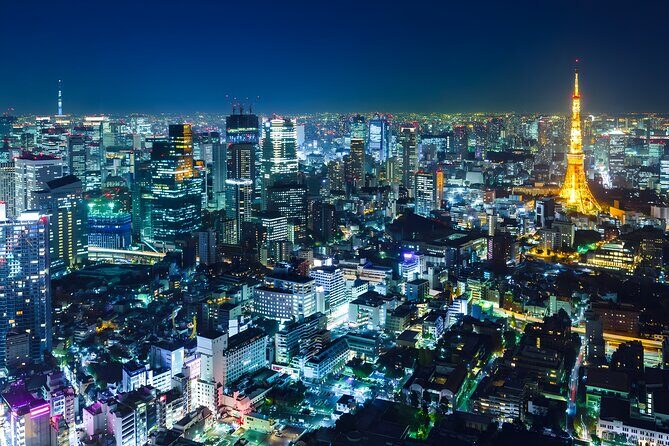
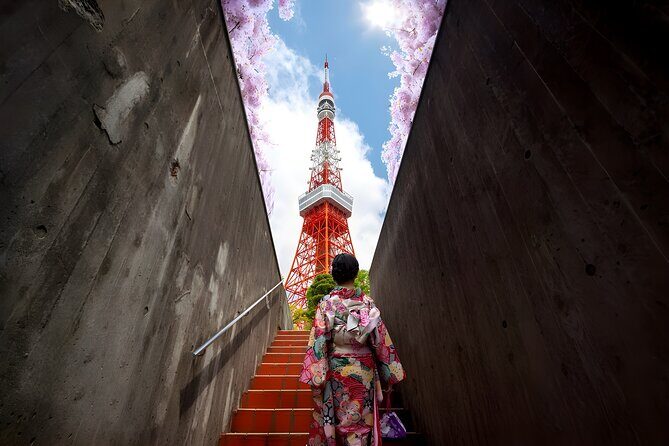
Tokyo Tower is a 333-meter observation and communications tower, inspired by the Eiffel Tower. It’s a great option if you want another viewpoint, especially because it can be a strong night option—but your tour timing may place it earlier in the day.
Admission isn’t included, so same story as Skytree: decide based on time and what you care about more.
If you only have energy for one tower, I’d pick your favorite skyline style and stick with it. Two towers in one day is possible, but only if you keep other stops tight.
7) Meiji Jingu Shrine near Harajuku: green calm right inside the city
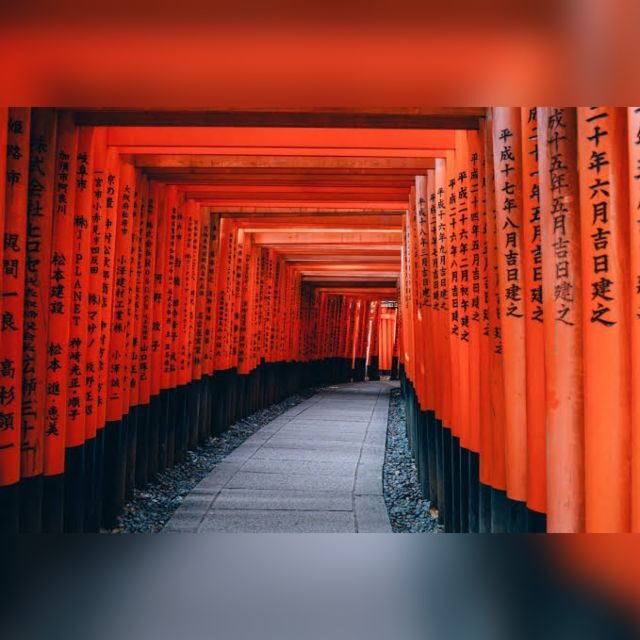
Meiji Jingu is one of Tokyo’s major Shinto shrines, set in a peaceful forest area. You’ll see large torii gates and the whole vibe shifts from city noise to a more quiet, grounded feeling.
This is the stop that often helps people breathe again—literally. It’s a good counterbalance to the shopping streets later.
The caution is that you’ll still be among other visitors. Expect lines into major photo spots and walking crowds, especially if you go at peak hours.
8) Takeshita Street in Harajuku: youth fashion, snacks, and crowd energy
Takeshita Street is a pedestrian strip packed with trendy shops and youth culture. It’s known for colorful fashion, quick treats, and quirky side attractions like animal cafés.
This stop is fun if you like people-watching and street-level Tokyo. It’s also an easy place to grab something sweet or a small snack while you wander.
The tradeoff is crowd pressure. Narrow space plus constant foot traffic means it’s not the place to move slowly or stop to read every sign.
9) Omotesando: modern architecture with a more relaxed feel
Omotesando is a fashionable avenue often compared to a Tokyo version of a grand boulevard, known for modern architecture and stylish shopping and cafés. You’ll get about 30 minutes, so this is best used for a short walk and a few key photo angles.
What I like about Omotesando is that it’s a bridge between Harajuku’s youth energy and Shibuya’s major-intersection intensity. It feels designed for strolling.
If you want lots of shopping time, 30 minutes will feel short. Use it as a visual and refresh stop.
10) Shibuya Crossing: the photo you’ll remember
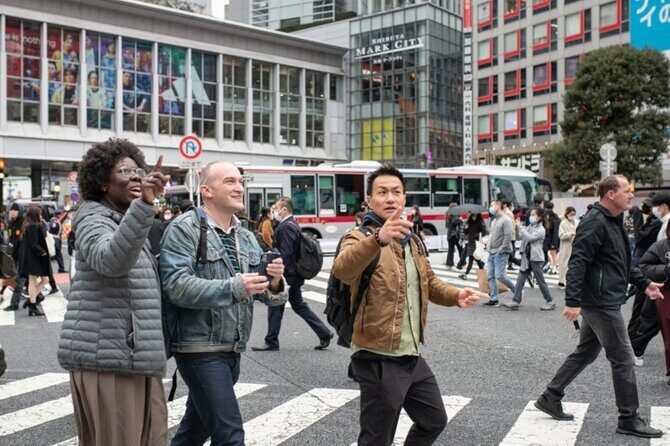
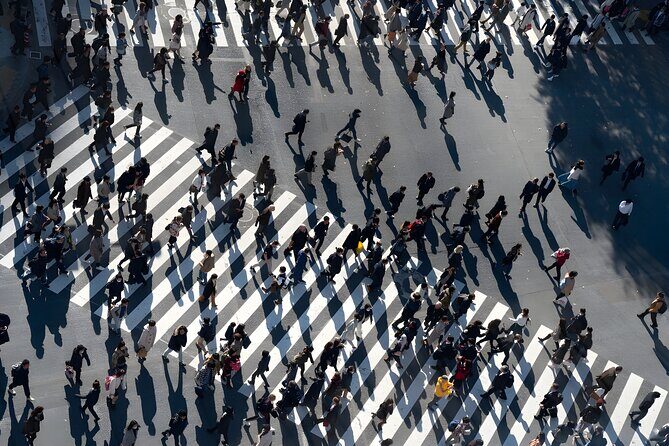
Shibuya Crossing is one of the world’s busiest pedestrian intersections, right in front of Shibuya Station. It’s fast, loud, and visually intense—hundreds of people moving in every direction at once.
Your allotted time is about 30 minutes, which is enough to get the crossing experience and catch a safe vantage point nearby. If you’re hoping for a perfect photo, arrive prepared to wait a moment as people cycle through the crossings.
The main consideration: it’s busy. If you get stressed in crowds, choose your position early and keep your expectations simple.
What the English-speaking chauffeur really adds
A private driver in Tokyo can be more than a translator. The best part is practical: parking and pickup near attractions, timing between neighborhoods, and knowing how to keep the day from turning into a logistics puzzle.
I’ve seen this in action through guides like Ken, Bek, Aki, Louis, Adam, Jeffrey, Ali, and Bob, each described as friendly, accommodating, and ready to adapt pacing. That range of names matters because it suggests the experience is built on consistent service, not just one star guide.
One more key point: the tour doesn’t position itself as a walking-led guide. Insights are mostly shared while you’re in the car, so if you love deep, on-foot commentary, you may want to supplement with a short local guide at one or two stops.
Food strategy: making Tsukiji and the rest of the day easy
This tour structure makes food breaks feel natural. Tsukiji Outer Market is the obvious stop for snacks, and the rest of the day is set up for shorter browsing walks where you can decide on the fly.
My approach would be:
- Eat a light breakfast, then treat Tsukiji as your main lunch-with-snacks moment.
- If you want a sit-down meal, plan it for Ginza or another calmer area rather than trying to do it in the tightest-feeling streets.
Also remember you’ll have bottled water included. That’s a small thing, but it matters during a full day of walking and queueing in central Tokyo.
This works especially well for couples and small groups
This is a private tour, so you’re not sharing the vehicle with strangers. With up to three people, it’s ideal for couples, friends, or a parent-child mix who want a shared plan but not a rigid one.
It’s also a strong choice if someone in your group walks slowly or needs shorter distances. The car-based format helps because pickup and drop-off can happen close to destinations, reducing the amount of long, nonstop walking.
If you’re traveling solo, it can still be worth it if you value comfort and want an efficient path through multiple neighborhoods in one day.
Should you book this Tokyo private car tour?
Book it if you want the easiest way to hit major Tokyo highlights without spending your vacation troubleshooting train routes. The biggest win is time saved plus a driver who keeps the day organized, especially if it’s your first trip and you want the lay of the land.
Don’t book it if you’re the type who needs lots of unstructured hours per stop and hates crowd settings. This route is built for variety and momentum, so your enjoyment depends on managing your priorities—especially around the tower choices.
My final take: if you’re planning a compact Tokyo trip and you want a smooth, English-friendly day that strings together Asakusa, Harajuku, and Shibuya into one plan, this is a solid use of your time.
FAQ
How long is the Tokyo private sightseeing tour by car?
It lasts about 9 hours.
Is the tour private?
Yes. Only your group participates.
What group size is the tour priced for?
The price is per group up to 3 people.
Is hotel pickup and drop-off included?
Yes, pickup is offered and you’ll be picked up and dropped off in Tokyo.
Does the tour include an English-speaking driver?
Yes. You’ll have an English-speaking chauffeur/driver.
Is bottled water provided?
Yes. Bottled water is included.
Are admission tickets included for Tokyo Skytree or Tokyo Tower?
No. Admission for those is not included.
Are there any free admission stops in the itinerary?
Yes. Senso-ji Temple, Tsukiji Fish Market (Outer Market area), Ginza, the Imperial Palace Gardens, Meiji Jingu Shrine, Takeshita Street, and Omotesando are listed as free.
Is there a walking guide included?
No. A walking guide isn’t included, and insights are given mostly while you’re in the car between destinations.
What is the cancellation policy?
Free cancellation is available, and you can cancel up to 24 hours in advance for a full refund.