REVIEW · TOKYO
Tokyo: Imperial Palace East Gardens Walking Tour
Book on GetYourGuide →Operated by Localized Walking & Food Tours · Bookable on GetYourGuide
History hides in plain sight at Tokyo’s palace gardens. I love the way Edo Castle history is made clear on the ground, and I also love the calm, design-first feel of Ninomaru Garden. The one catch: this tour does not include entry into the Imperial Palace itself, so you’re admiring the gardens and ruins from outside.
The best part is the story layer. You’ll hear how the shogun era shaped this space, then you’ll physically walk through what’s left—stonework, guard structures, ponds, bridges, and carefully pruned trees. It’s a guided, English-language walking tour (wheelchair accessible), and at $19 for about 150 minutes, it’s a solid way to get more meaning than you’d get from wandering alone.
Expect a peaceful stretch in the middle of a huge city. Spring brings cherry blossoms; fall brings color; and even in other seasons, the gardens still feel like a reset button—just add good shoes and a little patience for weather.
In This Review
- Key Points You’ll Care About
- Meeting at Starbucks Kokyo Gaien: Easy Start, Clear Expectations
- East Gardens Walking Route: Cherry Blossoms, Ponds, Bridges, and Bonsai
- Honmaru Remnants of Edo Castle: Fortified Layout, Foundation Footprints
- Ninomaru Garden: Traditional Japanese Design for Quiet Focus
- Old Tokyo vs New Tokyo: Shogun Stories That Make the Space Make Sense
- Price and Time: Is $19 Worth It for a 2.5-Hour Guided Walk?
- Who This Tour Suits Best (and Who Might Skip It)
- Should You Book the Tokyo Imperial Palace East Gardens Tour?
- FAQ
- How long is the Tokyo: Imperial Palace East Gardens Walking Tour?
- Where is the meeting point for the tour?
- Does the tour include entry to the Imperial Palace?
- What will I see during the walk?
- Is the tour guided, and is it in English?
- Is the tour wheelchair accessible?
- What’s the price for this tour?
- Can I cancel for a refund?
- Is there a reserve-and-pay-later option?
- When is the best time to enjoy seasonal views?
Key Points You’ll Care About
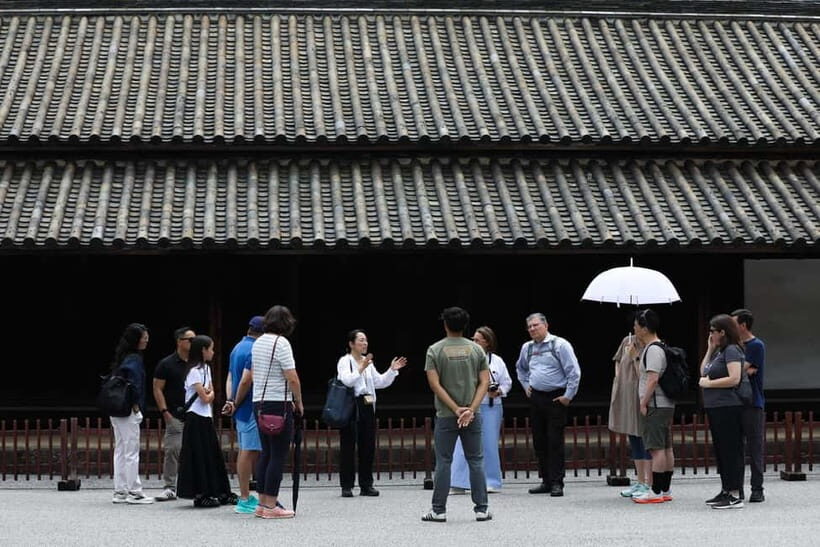
- Honmaru ruins without a museum vibe: You’ll see foundations and defensive layout clues while you walk.
- Ninomaru Garden is about design: Stone lanterns, arranged plantings, and quiet viewing paths.
- Old Tokyo meets new Tokyo stories: Shogun-era context explained in plain language.
- Seasonal photo moments: Cherry blossoms in spring and fall foliage when the timing is right.
- Guides make the difference: People often highlight guides like Kei, Mei, Laura, and Midori for clear, lively explanations.
Meeting at Starbucks Kokyo Gaien: Easy Start, Clear Expectations
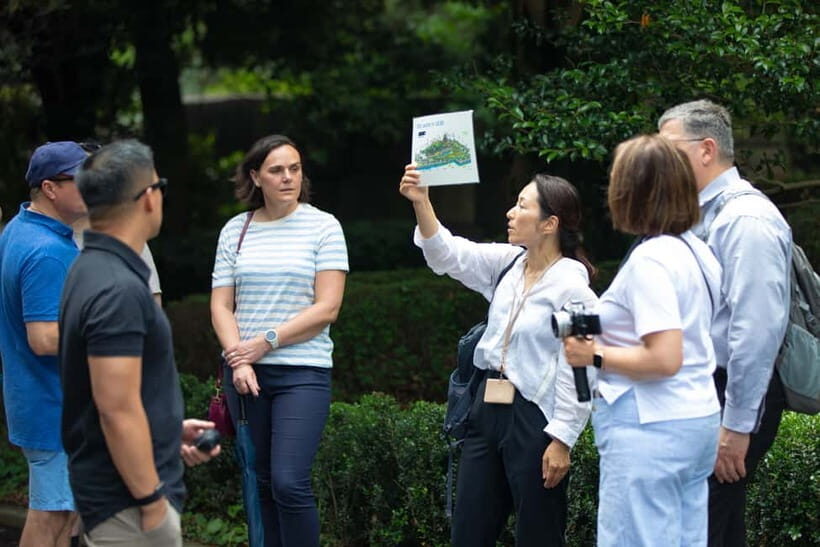
This tour starts at a practical, findable spot: Starbucks Coffee – Kokyo Gaien Wadakura Fountain Park (near these coordinates: 35.68299330000001, 139.7611971). Your guide waits nearby, so you’re not trying to decode gate numbers or hunt for a meeting dot in a massive park area.
That matters because the Imperial Palace East Gardens sit in a busy part of Tokyo. Starting at a landmark like Starbucks helps you get oriented fast—and you’ll spend your energy on the walk, not on logistics.
Two expectation notes to keep in your head:
- You’re getting a guided walk of the East Gardens, not a ticketed palace interior visit.
- If your goal is the interior rooms or indoor exhibits, you’ll still need separate arrangements. This experience is about the gardens, the ruins, and the story built around them.
You can also read our reviews of more walking tours in Tokyo


East Gardens Walking Route: Cherry Blossoms, Ponds, Bridges, and Bonsai
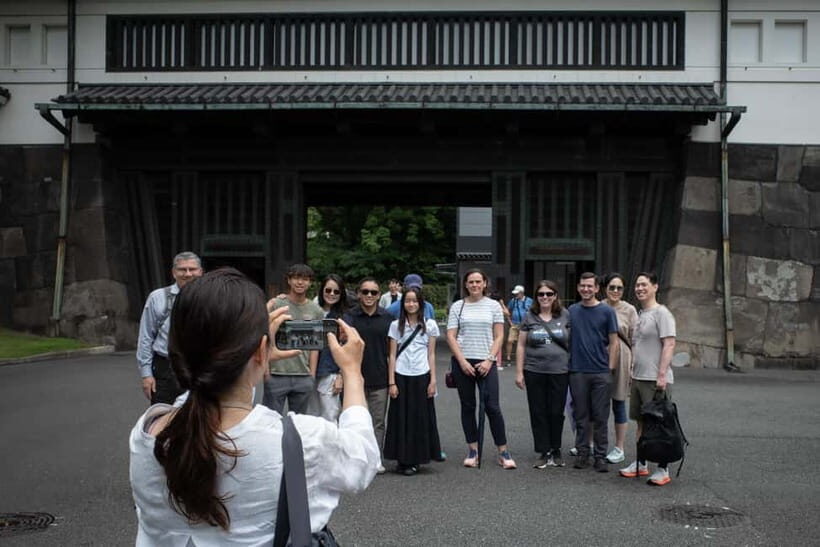
Once you’re with the group, the pace is what you want for a history-and-gardens mix: steady walking, with frequent stops where the guide explains what you’re actually looking at. The East Gardens are set up to reward slow looking—so even if the schedule is tight, you should still come away with clear impressions.
Here’s what you can expect to see as you move through:
- Manicured greenery that feels intentionally shaped, not just “pretty park.”
- Tranquil ponds and graceful bridges that change the mood as you turn corners.
- Lush seasonal variation, especially cherry blossoms in spring or colorful foliage in fall.
- Carefully pruned bonsai-like trees (the kinds of forms that only show their meaning if you notice the shaping).
What I like about this part is how it reframes “gardens” as history. In a lot of places, gardens are scenery. Here, the plantings and pathways act like clues—quietly showing how people used space for status, control, and contemplation.
Seasonal tip: if you’re planning your Tokyo trip around one “perfect timing” moment, this tour aligns well with spring and fall. Spring gives you the bloom drama; fall gives you color contrast against the stone and water.
Honmaru Remnants of Edo Castle: Fortified Layout, Foundation Footprints

The tone shifts when you move toward the Honmaru area, once the main compound of Edo Castle. Even though a lot of the castle isn’t standing anymore, this is the part where the ground tells the story.
Instead of vague talking points, you’ll get to see remnants like:
- Castle foundation ruins
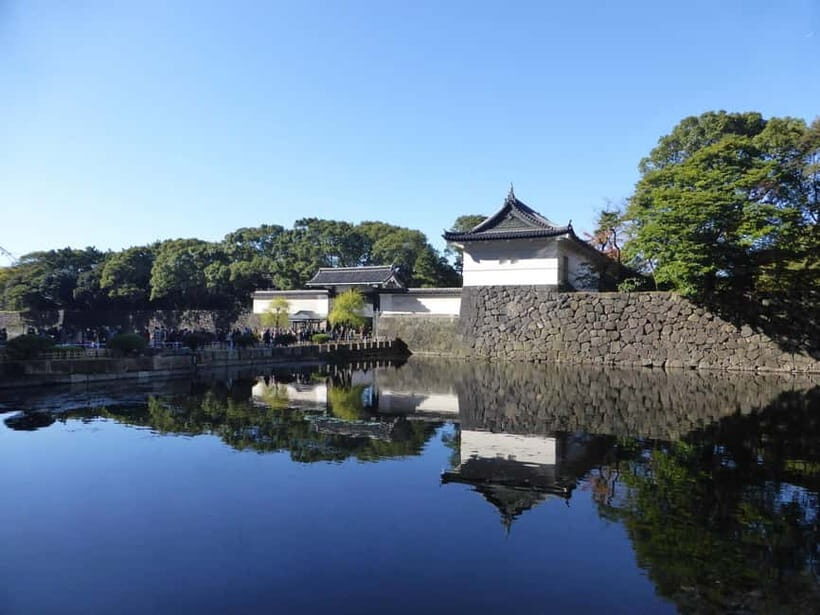
- Gates and defensive structures
- Stone walls
- Other military-style artifacts such as guard houses and watch towers
This is where the tour earns its price. A self-guided garden stroll can be lovely, but it doesn’t automatically connect the dots between the space and how it worked for power and protection. With a guide, you start asking better questions:
- Why is a wall placed where it is?
- What does the approach tell you about defense?
- How would you move through the space if you were inside the compound?
Also, the East Gardens aren’t just “old stuff.” The area sits in modern Tokyo. So as you look at the remnants, you’re also living inside the contrast—old systems replaced by new city life, but still readable if you know what to look for. People who love castles and architecture tend to be especially happy here.
Ninomaru Garden: Traditional Japanese Design for Quiet Focus
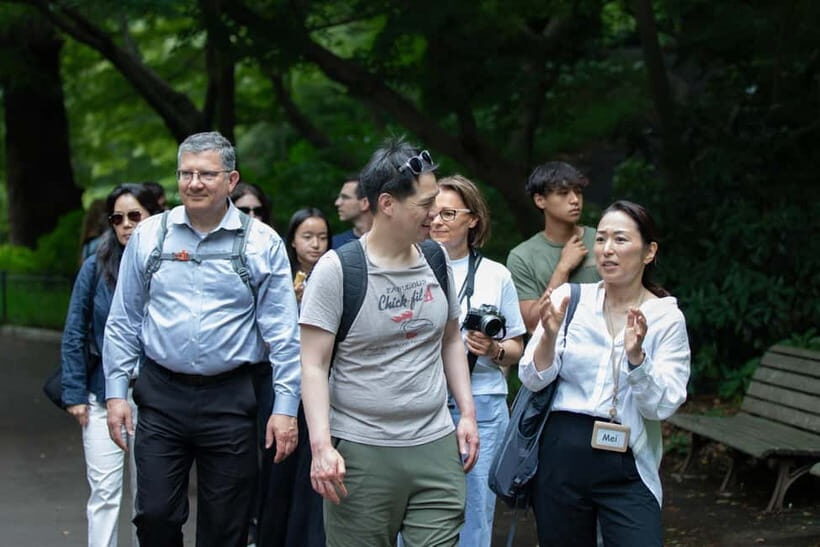
If Honmaru is about defense and layout, Ninomaru Garden is about design and pause. This area is known for traditional Japanese-style scenery, and you’ll see that in the details.
Look for:
- Meticulously arranged trees and shrubs
- Stone lanterns
- Paths and viewing angles that encourage calm, close attention
- A quieter rhythm that slows the whole group down
This section is the one I’d recommend to anyone who’s a little tired of nonstop “must-see Tokyo.” The garden doesn’t just feel pretty—it feels intentional. Even if you’re not an expert in Japanese garden design, you can feel the logic: arrangement, balance, and framing.
Practical drawback: because it’s calmer and more contemplative, this isn’t the stop you sprint through. You’ll enjoy it more if you’re the type who likes standing still for a few minutes and letting the scene settle in.
Old Tokyo vs New Tokyo: Shogun Stories That Make the Space Make Sense
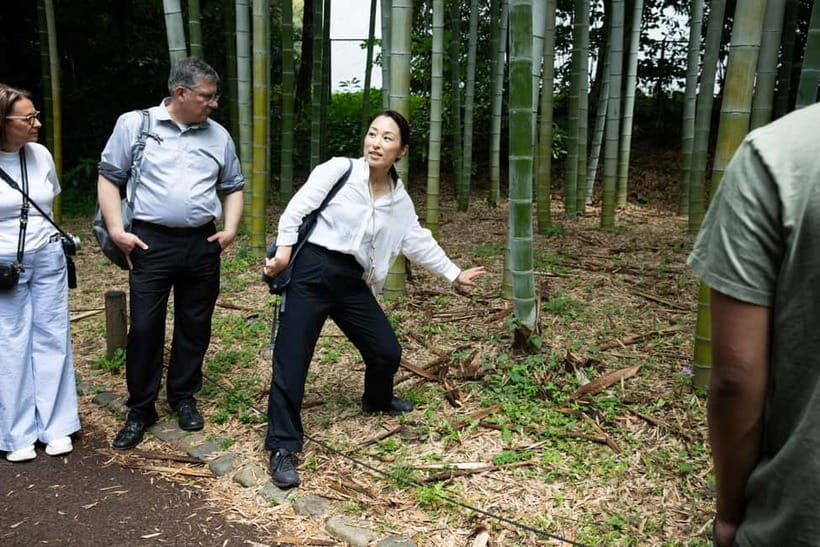
A lot of Tokyo history is famous, but not always easy to picture. This tour helps you visualize it. You’ll hear stories connecting what you’re seeing to the shogun era, including how the area functioned during the Edo period.
The appeal here is contrast. Imperial Palace grounds can feel like a single “big important place.” The guide’s job is to break that down into layers:
- the earlier shogun residence role
- the castle compound layout behind the gardens
- the way design served both authority and daily order
You’ll also likely hear playful context about the modern connection—especially if you get a guide like Laura, Mei, or Midori, who are described as making the walk feel lively instead of like a lecture. Some guides also use visual aids such as printed maps to clarify where you are and how the old compound fit together, which is a big help if ruins are subtle.
If your “Tokyo style” includes history you can stand next to—this is a great fit.






Price and Time: Is $19 Worth It for a 2.5-Hour Guided Walk?
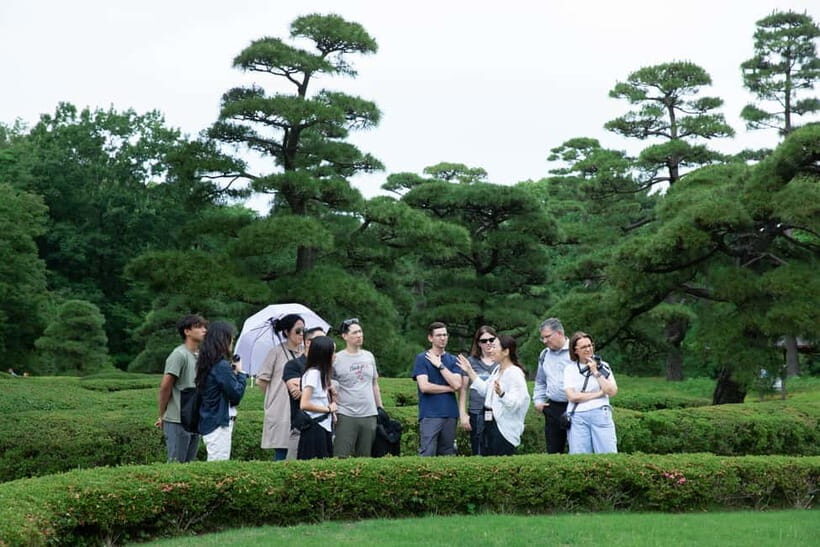
Let’s talk value without marketing fog. At $19 per person for about 150 minutes, this is priced like a focused, guided experience rather than a full-day excursion. And because it includes a live English-speaking guide and a guided walk through high-interest areas of the East Gardens, the cost-to-time ratio is pretty compelling.
What you get for that money:
- A structured route through the gardens and key remnants
- Explanations tied to features you can see (not general Tokyo trivia)
- Time to slow down at Ninomaru and really read the space
- Seasonal highlights when timing matches
What you don’t get:
- Entry into the Imperial Palace interior (the tour does not go inside)
- Anything that feels like a museum experience
If you’re trying to decide between doing this yourself and paying for a guide, here’s the real difference: self-walking can get you the beauty, but a guide gets you the meaning. In a place where many structures are gone or reduced to traces, interpretation is what you’re buying.
Who This Tour Suits Best (and Who Might Skip It)
This experience works best if you:
- Enjoy gardens, but want them explained through design and history
- Like castle-era architecture and the logic of defense layouts
- Want a route that’s easy to follow, starting from a clear meeting point
- Travel with someone who appreciates stories, not just sightseeing
You might want to skip or adjust expectations if you:
- Only care about interior palace rooms and indoor exhibitions
- Prefer fully independent pacing with zero scheduled stops
- Are expecting a long photo-heavy route without guidance (this isn’t trying to be that)
Weather note: the park settings can be rainy or chilly. One reason people rate this tour highly is that guides seem to adapt—so if your schedule is flexible, you’ll likely still enjoy the walk even when conditions aren’t perfect.
Should You Book the Tokyo Imperial Palace East Gardens Tour?
I’d book it if you want a smart mix of calm gardens and real historical context, without spending your whole day in transit. The starting point is easy, the timing is reasonable, and the guide layer turns the remnants—foundation traces, walls, and defensive leftovers—into something you can actually understand.
But if your priority is only interior palace access, this one won’t satisfy that itch. For garden lovers, history walkers, and anyone who wants Tokyo’s past explained in a way you can see with your own eyes, this is a strong, good-value choice.
FAQ

How long is the Tokyo: Imperial Palace East Gardens Walking Tour?
The tour runs for about 150 minutes.
Where is the meeting point for the tour?
The meeting point is Starbucks Coffee – Kokyo Gaien Wadakura Fountain Park. Your guide waits nearby.
Does the tour include entry to the Imperial Palace?
No. The tour does not go inside the Imperial Palace, and entry is not included.
What will I see during the walk?
You’ll explore the East Gardens and see features such as ponds, bridges, pruned bonsai trees, historical artifacts like stone walls and guard houses, the Honmaru remnants, and the Ninomaru Garden.
Is the tour guided, and is it in English?
Yes. It includes a live tour guide and the tour is in English.
Is the tour wheelchair accessible?
Yes, it is listed as wheelchair accessible.
What’s the price for this tour?
The price is $19 per person.
Can I cancel for a refund?
Yes. Free cancellation is available up to 24 hours in advance for a full refund.
Is there a reserve-and-pay-later option?
Yes. The activity offers Reserve now & pay later, so you can book without paying today.
When is the best time to enjoy seasonal views?
The tour highlights cherry blossoms in spring and colorful foliage in fall, so those seasons are ideal for the seasonal scenery.