REVIEW · IRIOMOTE ISHIGAKI NATIONAL PARK
Iriomote Island: Guided 2-Hour Canyoning Tour
Book on GetYourGuide →Operated by IRIOMOTE ADVENTURE PiPi · Bookable on GetYourGuide
Canyoning on Iriomote hits different. This guided 2-hour canyoning tour on the Ōmija River mixes rock jumps, slides, and rainforest walking, so you get both action and the feeling of being out in nature on Okinawa’s wild side. You’ll meet up with your guide at Uehara Port (and the day’s start is managed from the Densa Terminal area), gear up fast, then follow a simple plan that keeps the fun moving.
Two things I like a lot: the safety setup is serious—life jacket and helmet are mandatory—and you’re never left to guess what to do next. I also love the photo idea: you’ll get photo data shot during the waterproof-camera moment, which saves you from fumbling your phone at river level. The guides, including Kono and Matsuko-san, are focused on support and capturing the best bits.
One drawback to plan around: you’re active for a short window because the day includes about an hour of hiking to get to the river and back. If you’re hoping for an all-water, all-the-time canyoning session, this is more of a tight, well-guided intro than a full-day extreme adventure.
In This Review
- Key points at a glance
- Omija River canyoning: what you’re really signing up for
- Meeting at Uehara Port and starting from Densa Terminal
- The 1-hour hike: rainforest walking with a purpose
- Rock jumps, slides, and small falls on the Ōmija River
- Safety rhythm: helmets, life jackets, and constant coaching
- Waterproof photos and shower facilities: keep the memories without stress
- Yaeyama firefly knowledge: a nice nature add-on
- Rain or shine: how weather affects the day
- What to bring (and what the operator handles)
- Who should book, and who should skip
- Price and value: why $50 makes sense for this setup
- Should you book this 2-hour canyoning tour?
- FAQ
- How long is the Iriomote Island canyoning tour?
- Where is the meeting point, and when should I arrive?
- What language will the guide speak?
- What should I bring?
- Does the tour run in the rain?
- Who is not allowed to participate?
Key points at a glance
- Ōmija River rock jumps, sliding, and splashy small falls—built for momentum in just 2 hours
- Mandatory helmet and life jacket, plus clear guide instructions for each section
- Waterproof-camera photo data so you can enjoy without babysitting electronics
- A local guide shares Iriomote nature details, including Yaeyama firefly information
- Rain or shine operation, with adjustments based on local conditions
Omija River canyoning: what you’re really signing up for
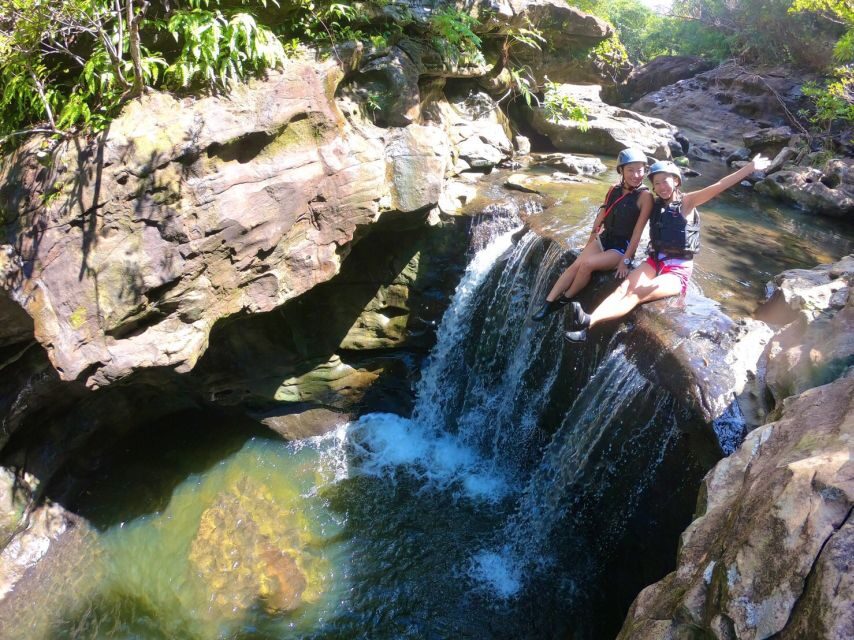
This is a guided Iriomote Island canyoning tour designed as a compact adventure. You’ll spend the day moving through a simple rhythm: get to the river area, put on gear, then run the canyon sequence with stops and instructions.
The highlight is the variety packed into a short time. You’re not just “walking by water.” You’re jumping off rock platforms, doing slides, and getting splashed along the Ōmija River. There are also small falls to handle, which is where the real canyoning feel shows up—water pushing you into the next move, not just letting you sit there and watch.
That short time window is the trade-off. The tour is 2 hours total, and the schedule includes a 1-hour hike plus a 15-minute break. So yes, you’ll have fun in the canyon. Just don’t expect a long, lingering session that gives you time to perfect every technique.
You can also read our reviews of more tours and experiences in Iriomote Ishigaki National Park.
Meeting at Uehara Port and starting from Densa Terminal
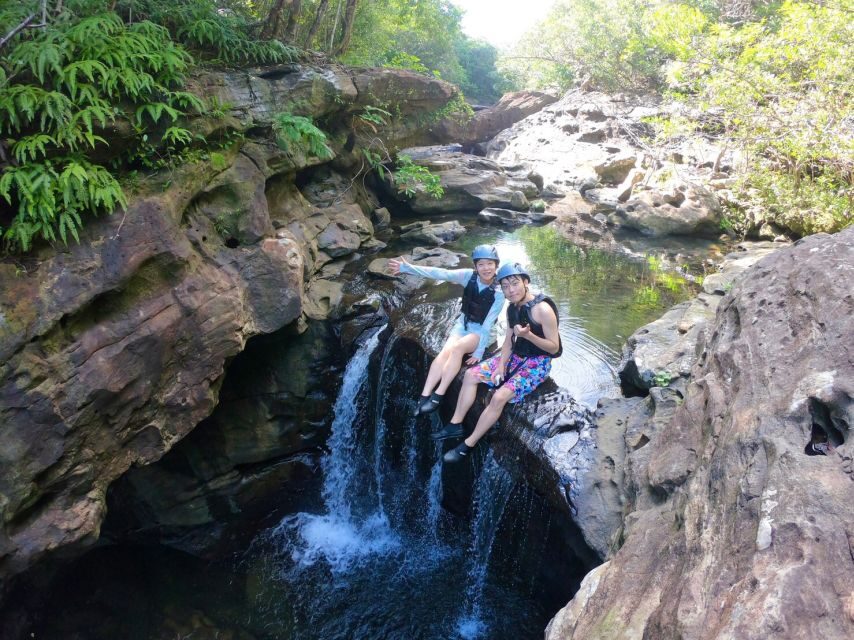
You’ll meet your guide at Uehara Port and the start of the experience is managed from the Densa Terminal area. The operator’s instructions make it clear that the exact meeting details can shift a bit by pickup timing, season, and weather.
Plan for this: arrive about 10 minutes early. That buffer matters because canyoning isn’t a “show up whenever” activity. You’ll be checked, geared up, and briefed quickly before you step into a wet, slippery environment.
If you’re staying elsewhere on the island, the tour may adjust your meeting time. You’ll get contact details by the day before, so it’s smart to use a phone number in Japan where you can actually be reached.
The 1-hour hike: rainforest walking with a purpose
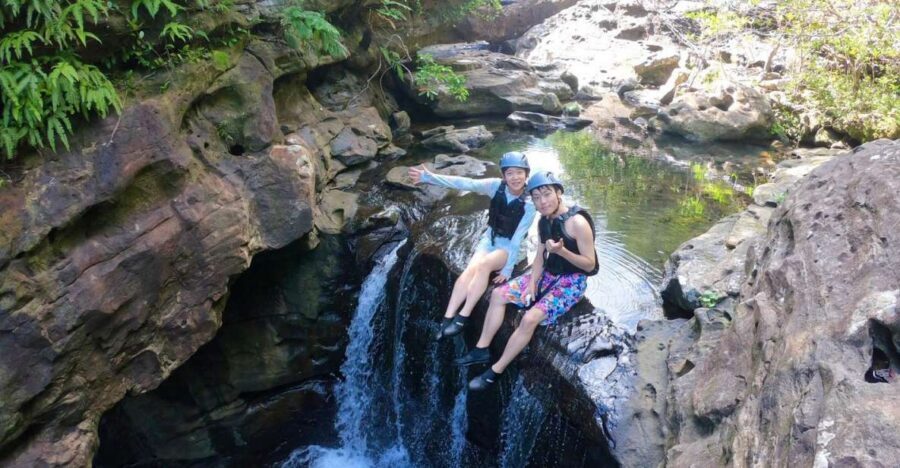
Before the water fun starts, you walk. The schedule includes about an hour of hiking, which is how you reach the river section where the canyoning happens.
This part matters because it sets expectations for the day. Even if you came for jumps and slides, the hike is part of the experience’s pacing and safety plan. You get time for the guide to size up the group’s flow and make sure you’re comfortable with the rules before things get wet.
Also, you’re in Iriomote. That means you’re not just walking through a paved path. You’re moving through an outdoor environment where you’ll likely feel the island’s humid air and the natural texture of the place—good boots or good hiking socks make sense, even though the guide provides the canyoning gear.
Rock jumps, slides, and small falls on the Ōmija River
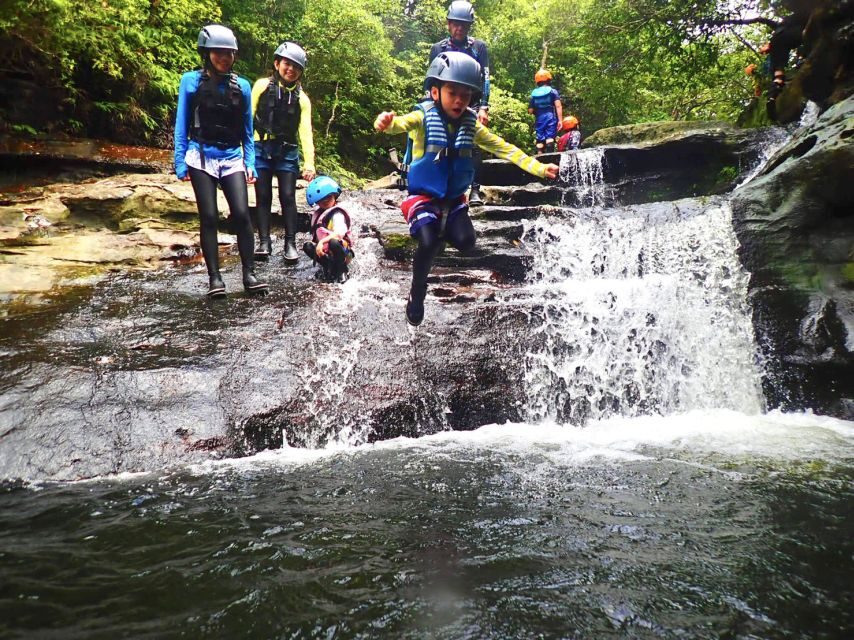
Once you’re at the river, the tour turns into action. The plan is straightforward, but the sensations can surprise you at first. You’ll jump from rock platforms into the Ōmija River, then work through short sections with slides and splashing moments.
The slides are especially fun because they feel like a controlled version of backyard chaos. You’ll move from one point to the next with the guide leading the way, which keeps the experience feeling adventurous without turning it into a risky free-for-all.
Then come the small falls. These are not presented as huge, cinematic drops. Still, water and momentum do their thing. If you’ve never canyoned before, this is where your confidence either clicks or you decide you’d prefer a slower day. The guide’s job is to keep you in the right zone—challenged, but not confused.
Safety rhythm: helmets, life jackets, and constant coaching
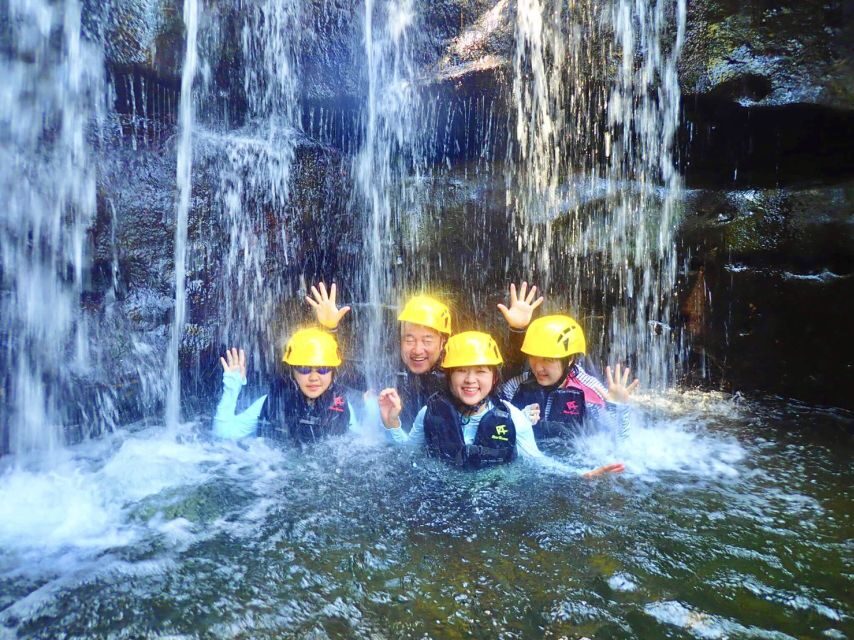
Canyoning is one of those activities where safety isn’t an add-on. It’s the foundation. Here, you wear a helmet and life jacket for the river portion, and the operator is direct about it: if you don’t wear them, you may be refused participation.
What I like about this kind of setup is that it removes uncertainty. You’re not wondering if you’re “doing it wrong” by default. You’re following the guide’s instructions, using the right gear, and moving as a group.
The guides—like Kono and Matsuko-san—are described as attentive and supportive. That matters, because the most intimidating part of canyoning isn’t the water itself. It’s the fear of making a mistake at the wrong moment. With a good guide, the “first jump” becomes just another step in the plan.
Also note: the tour is aimed at people who can handle active movement. There’s a specific list of conditions that won’t work, including certain health issues and mobility limitations.
Waterproof photos and shower facilities: keep the memories without stress
One of the best-value parts here is the photo system. You’ll receive photo data captured using a waterproof camera during the most memorable moments. That means you don’t need to strap your phone to your body like a frantic action hero.
This also pairs well with the included shower facilities. After you rinse off, you’re not stuck feeling grimy and cold. You can actually transition back into sightseeing mode without the usual canyoning “laundry list” of needs.
If you care about documentation—especially videos and action shots—this is one of those tours where included media genuinely saves you money and effort compared to trying to DIY it with gear you’d rather not risk.
Yaeyama firefly knowledge: a nice nature add-on
Not every tour includes a nature lesson that feels tied to where you are. Here, your guide shares information about the Yaeyama firefly as part of the experience.
I like this because it turns the walk and the river time into more than “just activity.” Even if you’re mostly focused on staying balanced, it’s nice to leave with something you didn’t know before. It also nudges you to look at the island like an ecosystem, not just a theme park for water sports.
Rain or shine: how weather affects the day
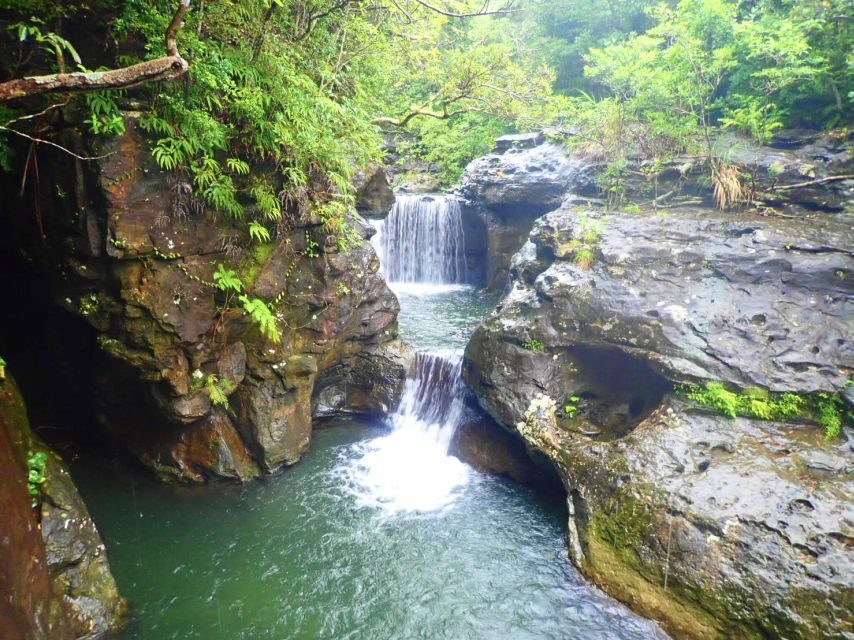
The tour generally runs rain or shine. That’s common for outdoor activities on Iriomote, and honestly, canyoning is kind of built for wet weather.
Still, there’s a key practical caveat: the tour may be canceled depending on local conditions. So you want to keep your schedule flexible on the day you book, and be ready for adjustments.
If you’re the type who hates uncertainty, this might feel like a stress point. If you’ve traveled in Okinawa, you’ll recognize the pattern: weather changes fast, and operators plan around safety first.
What to bring (and what the operator handles)
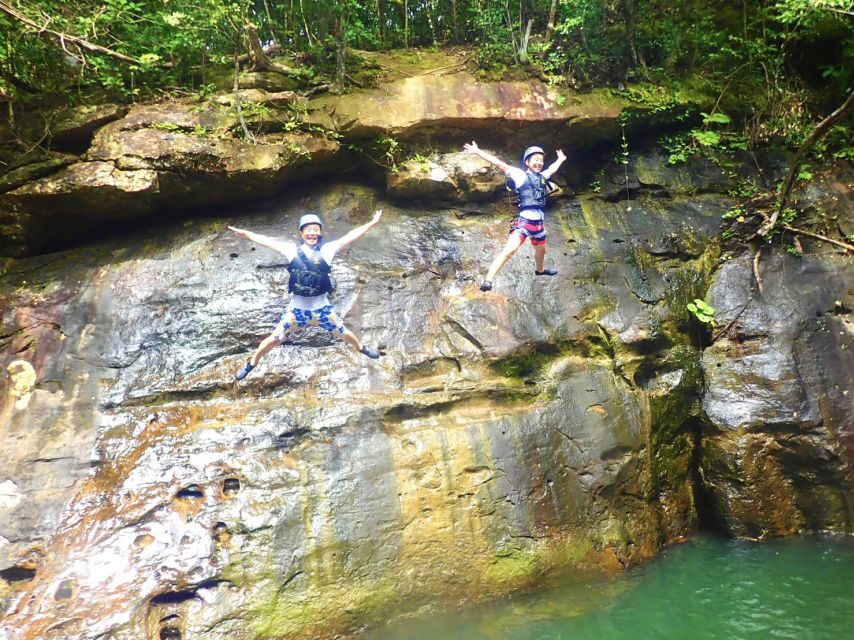
You’ll want to come ready to change quickly and get wet. Bring:
- Swimwear
- Towel
The important part: towels aren’t included, even though shower facilities are. So don’t assume there will be one waiting.
The operator provides the core canyoning gear, and that’s a big part of the value. You also get wetsuits in winter if you wish to wear them in colder seasons. For other seasons, you can ask the guide.
Drinks are not included, so plan for hydration later rather than expecting water bottles at the start.
Who should book, and who should skip
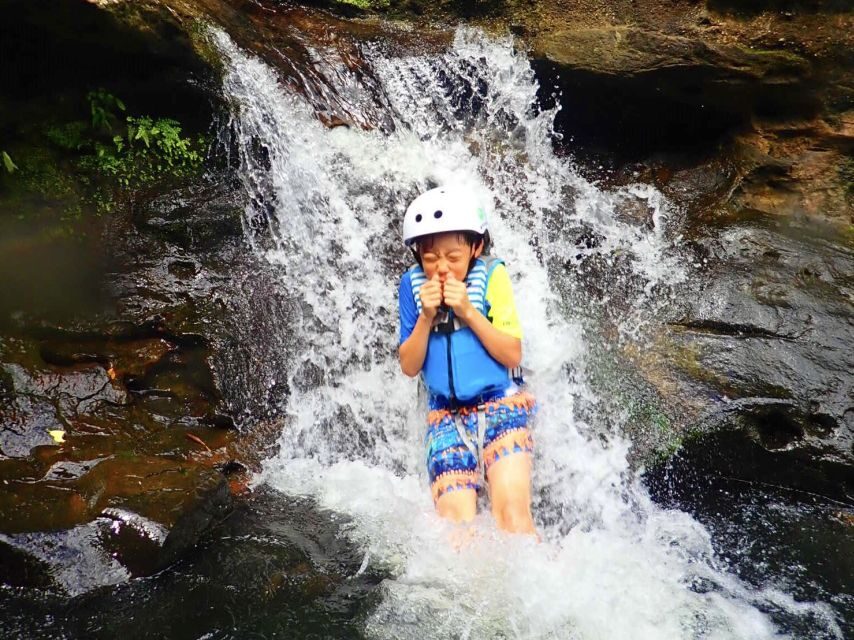
This tour targets an active age range of about 6 to 59 years old, with clear “not suitable” categories. It’s not framed as a gentle splash-and-smile outing for everyone.
It’s not suitable for:
- Pregnant women
- Children under 6 (the info says not suitable for children under 5, and the target range starts at 6)
- People with chronic illnesses (ask in advance if you’re unsure)
- People with mobility impairments or wheelchair users
- People over 60
- People with high blood pressure
- People with recent surgeries
- People over 115 kg (254 lbs)
There’s also a practical warning about fear of the ocean. Even though this is river canyoning, the water environment can trigger anxiety, and the operator asks you to contact them in advance if that’s you.
If you’re young-ish, healthy, and willing to get wet, this is a good match. If you’re working around physical limits or health constraints, you’ll likely have a better time (and fewer worries) choosing a different activity style.
Price and value: why $50 makes sense for this setup
At $50 per person for a 2-hour guided canyoning tour, the price looks fair once you count what’s included.
You’re paying for:
- All necessary canyoning equipment provided
- Life jacket and helmet as part of the gear setup
- Liability insurance
- Photo data from the waterproof-camera moment
- Shower facilities
- Wetsuits in winter (if you want them)
When you add up those items, you’re not just buying “a guided walk.” You’re buying a turnkey day of gear + safety + captured memories. The things you’d normally pay extra for—gear rental, photo services, basic shower access—are handled.
What’s not included is also straightforward: towels, drinks, and hotel pickup/drop-off. So if you’re traveling on your own and already have transport figured out, this pricing is clean. If you rely on pickup and don’t want to coordinate, you’ll need to plan for meeting at the port/terminal area.
Should you book this 2-hour canyoning tour?
Book it if you want a short, structured adventure on Iriomote with clear safety support. This is especially smart for first-timers who still want an authentic canyoning hit—rock jumps, slides, small falls—and a guide who keeps the pace right for the group.
Skip it if you want maximum time in the water. The schedule includes a good chunk of walking time, so your “pure canyon” time is limited. Also skip it if you fall under the health and mobility restrictions. Canyon water doesn’t care how brave you feel on land.
If you book, do one thing that helps a lot: go in expecting to get wet and moving. The tour works best when you treat it like a guided route with coaching—not a solo athletic challenge.
FAQ
How long is the Iriomote Island canyoning tour?
The tour lasts about 2 hours total.
Where is the meeting point, and when should I arrive?
Arrive about 10 minutes before the activity starts. You meet your guide at Uehara Port, and the day begins from the Densa Terminal area.
What language will the guide speak?
The tour is conducted in Japanese or English. Depending on the reservation situation, it may run in Japanese only.
What should I bring?
Bring swimwear and a towel. There are no restrooms nearby at the meeting point, so use the restroom before you go.
Does the tour run in the rain?
It generally proceeds rain or shine, but it may be canceled depending on local conditions.
Who is not allowed to participate?
The tour is not suitable for pregnant women, children under 6, people with chronic illnesses, people with mobility impairments or wheelchair users, people over 60, those with high blood pressure, anyone with recent surgeries, and people over 115 kg (254 lbs).