REVIEW · NANTO
From Takayama: World Heritage Gokayama & Shirakawa-go
Book on GetYourGuide →Operated by Machinovate Japan Ltd. · Bookable on GetYourGuide
Snow-proof farmhouses and hand papermaking in one day. This trip strings together three UNESCO villages in the mountains, and I love how it gives you time in quieter Ainokura before the bigger spotlight of Shirakawa-go. You also get a hands-on traditional papermaking stop, plus a museum visit at Suganuma. One consideration: the day includes several village walks, and some parts like the panoramic lookout are only possible if conditions allow.
If you’re lucky with your guide, this can be a very smooth, friendly day. I saw examples of strong service from guides like Yoshi and drivers like Kondor, with calm professionalism and clear explanations of local culture. The tradeoff is simple: guide quality can swing your experience, and the schedule can also shift a bit based on what’s available that day.
In This Review
- Key stops that make this day trip worth it
- Planning your day: 9:00 AM start and where you meet
- The value of visiting Ainokura and Suganuma before Shirakawa-go
- Ainokura: quiet UNESCO farmhouses and traditional papermaking
- The papermaking experience you’ll actually remember
- What to watch for
- Suganuma: a compact village and a museum tied to gunpowder materials
- The museum stop that adds real-world context
- Lunch in the mountains: plan for what’s offered
- Shirakawa-go: enter a farmhouse and look for the snowy-roof design
- A guided walk that helps you see what matters
- Farmhouse entry: more than a photo stop
- Panoramic lookout: possible if conditions allow
- Timing back to Takayama and onward transfer to Kanazawa
- Price and value: what $179 buys you in practice
- One more reality check: availability can affect the day
- Who this tour fits best (and who might want to rethink it)
- The guide factor matters
- Practical tips to make the day easier
- Should you book this UNESCO Gokayama & Shirakawa-go day trip?
- FAQ
- What time does the tour start?
- Where exactly is the meeting point in Takayama?
- What UNESCO villages will I visit?
- Is papermaking included?
- Do I get to enter a traditional farmhouse?
- Is lunch included in the price?
- Can I end the tour in Kanazawa instead of Takayama?
- How long is the tour?
- What should I bring?
- Can I cancel for a refund?
Key stops that make this day trip worth it
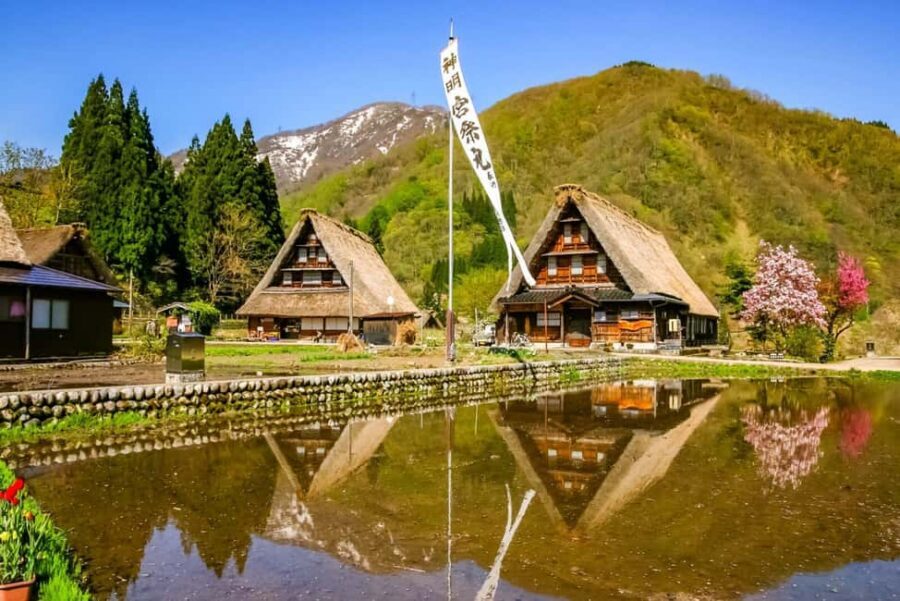
- Ainokura first: a quieter start in Gokayama, with time for gassho-zukuri farmhouses
- Traditional papermaking: a hands-on craft lesson in the village of Ainokura
- Suganuma museum visit: you’ll learn about the village’s role in producing materials used in traditional gunpowder
- Shirakawa-go farmhouse entry: step inside a traditional farmhouse, not just view it from outside
- Optional panoramic lookout: possible if conditions allow, for wide views over the village
Planning your day: 9:00 AM start and where you meet
This tour runs as a focused one-day outing, starting at 9:00 AM at JR Takayama Station. Meet outside the ticket gates, then once you leave the gates, look to your left for a walkway with a carving depicting an ornate wagon. The guide wears a “Snow Monkey Resorts” tour tag, so it’s usually easy to confirm you’re in the right place.
If you arrive early, there’s a waiting room with benches nearby, but you should still be at the meetup point at 9:00. Comfortable shoes matter here more than you think—this is a walking day inside villages.
You can also read our reviews of more tours and experiences in Nanto.
The value of visiting Ainokura and Suganuma before Shirakawa-go
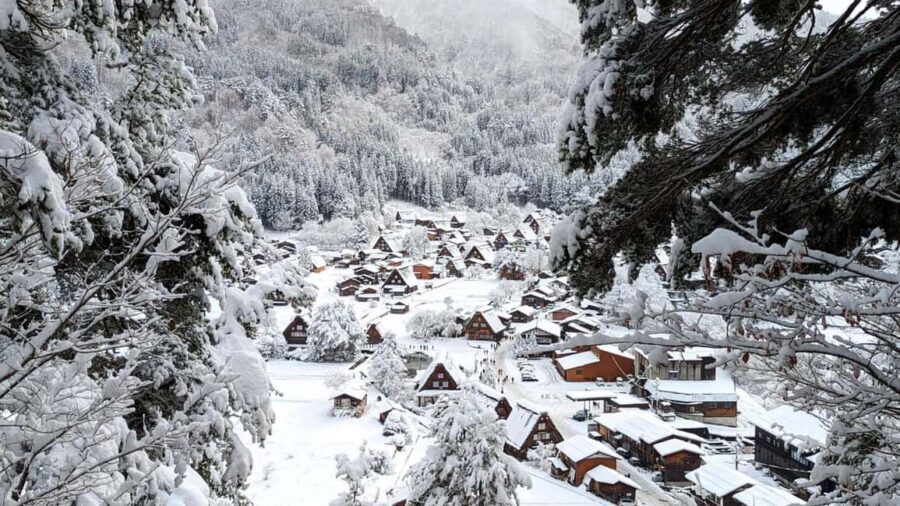
The smart move on this itinerary is the order. You start with Gokayama villages (Ainokura and Suganuma) that are calmer and less crowded than Shirakawa-go, then you move deeper into the mountains to the area’s biggest name.
That sequencing changes the feel of your day. In Ainokura and Suganuma, you have room to notice details in the architecture and the way daily life used to be organized around the steep-roof farmhouses. By the time you reach Shirakawa-go, you’re ready for the larger scale and busier energy.
Ainokura: quiet UNESCO farmhouses and traditional papermaking
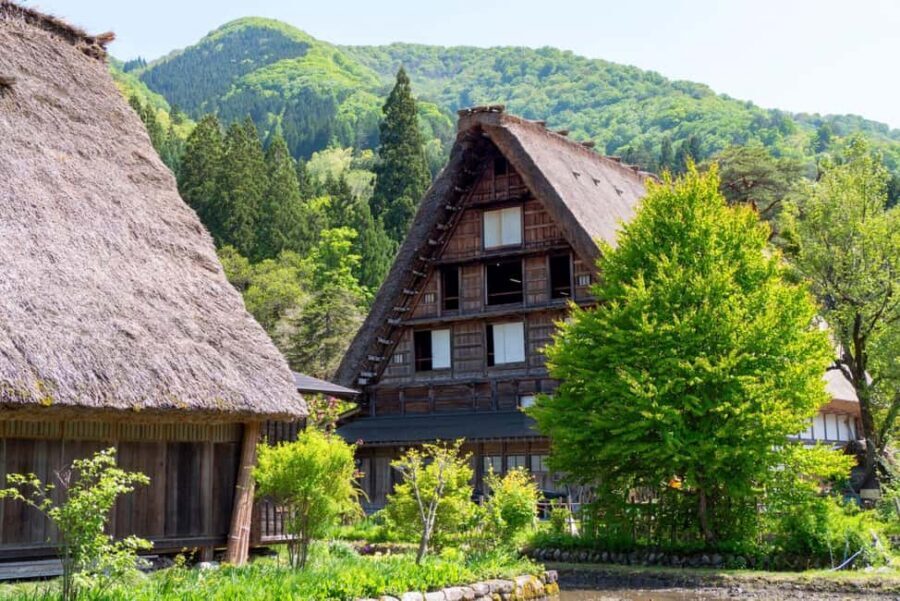
Your first stop is Ainokura in the Gokayama region, a UNESCO World Heritage village known for well-preserved gassho-zukuri farmhouses. You’ll be walking through a rural settlement surrounded by forested hills, and the whole vibe is slower and more personal than what you get at the most famous sites.
The papermaking experience you’ll actually remember
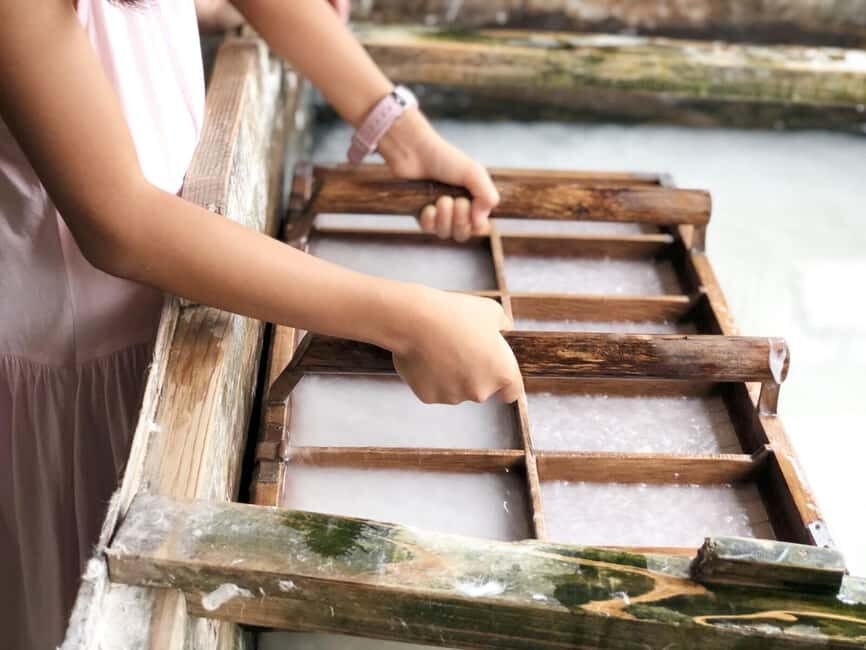
One of the best parts is the traditional papermaking experience in Ainokura. Instead of just seeing something historical from a distance, you get a hands-on introduction to a craft that connects directly to what local communities have depended on over time.
Even if you’re not a craft person, this kind of activity works because it’s practical and sensory—watching, trying, and learning how materials become paper. It also breaks up the walking so you’re not spending the whole morning just moving from one photo spot to another.
What to watch for
Bring your camera, but also be ready for moments where you’ll want to slow down. In Ainokura, some of the magic is in small details: roof shapes, materials, and the way the village layout frames mountain views.
Suganuma: a compact village and a museum tied to gunpowder materials
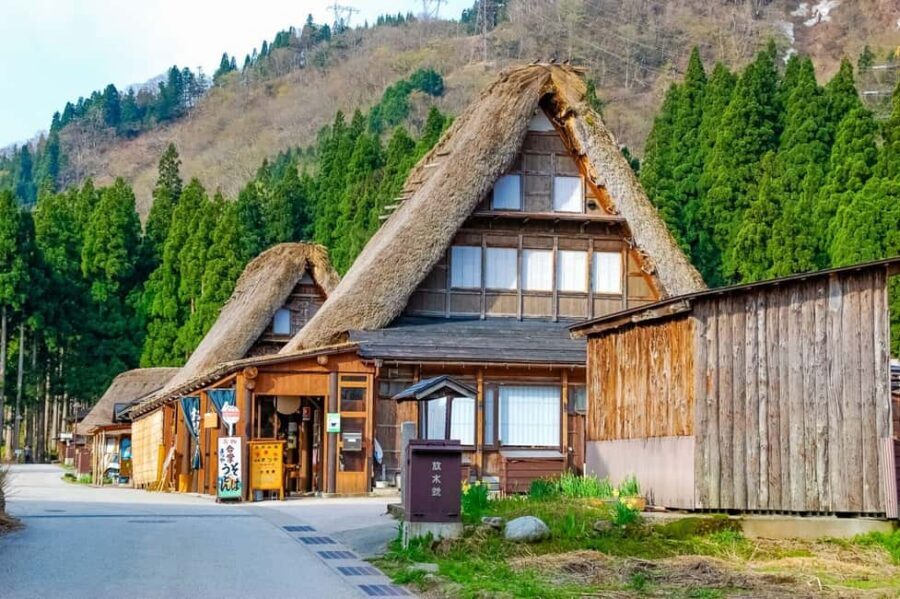
After Ainokura, you’ll go to Suganuma, a smaller Gokayama settlement along a quiet river. The village is still UNESCO-level in terms of architecture and preservation, but it feels more compact, which makes the walking easier to manage.
The museum stop that adds real-world context
Suganuma includes a museum visit that highlights the village’s role in producing materials used in traditional gunpowder. That’s not the kind of fact most people expect on a mountains-and-roofs day trip, and I like that it adds a different angle to the story of these communities—work, materials, and trade, not just scenery.
You’ll take a short visit inside the museum, then you’ll have guidance for a walk through the village afterward.
Lunch in the mountains: plan for what’s offered
Lunch isn’t included, but you will get a scheduled lunch window in the middle of the day. The tour description says lunch is either at a local restaurant or as a packed meal at rest areas, depending on what’s available.
Because lunch is separate, I recommend bringing a little flexibility in your budget and your appetite. If you’re traveling in cooler months, warm food can matter more than usual, and a packed meal can be easier if you want to keep moving.
Shirakawa-go: enter a farmhouse and look for the snowy-roof design
Then comes the big one: Shirakawa-go, the most iconic of the three UNESCO villages. It’s larger and more lively than the earlier stops, so the energy shifts. The key visual feature is the steeply pitched gassho-zukuri roofs, built to handle heavy snowfall.
A guided walk that helps you see what matters
Your guide leads a walk through Shirakawa-go, pointing out key landmarks and giving context so the place doesn’t feel like a themed set. The roof shapes, the layout, and how the community worked as seasons changed are the details worth paying attention to.
Farmhouse entry: more than a photo stop
One of the standout perks is that you’ll have a chance to enter one of the traditional farmhouses. This is where the trip becomes more than sightseeing, because you can see how the interior is organized and how the space supports the lifestyle associated with the architecture.
Panoramic lookout: possible if conditions allow
You may also visit a panoramic lookout point for wide views over the village, but it depends on conditions. In practical terms, that means weather can affect what you get. Pack for changing conditions—clouds, rain, or cold can all change how much time you want to spend outside.
Timing back to Takayama and onward transfer to Kanazawa
The day is structured for a smooth return. After Shirakawa-go, you’ll reunite with your guide and head back toward Takayama. The drive back takes roughly one hour, with arrival around 17:30 at Takayama Station.
If you selected the option to end in Kanazawa at booking, you’ll transfer from Shirakawa-go at that point. The drive to Kanazawa takes a little over one hour, with arrival expected around 18:40. Your guide provides help to keep the transition manageable, which matters because you’ll be wrapping up a full day of walking and travel.
Price and value: what $179 buys you in practice
At about $179 per person for a one-day tour, you’re paying for more than transportation. You’re also buying guided village walks across multiple UNESCO sites, a papermaking session, museum entry at Suganuma, and the added coordination of getting you between mountain villages without having to figure out local logistics yourself.
Is it cheap? No. Is it good value for a one-day format? Often yes—especially if you want to see multiple villages in a single trip and you prefer having a guide handle timing and transitions. The value gets better if you care about the craft component and the museum stop, because those aren’t just “look, take a picture, leave.”
One more reality check: availability can affect the day
The itinerary notes that experiences depend on availability, and some parts may be adjusted. That’s normal for any small-group tour in rural areas. The practical takeaway for you: keep your expectations flexible, and focus on the core idea—three UNESCO villages plus hands-on and guided learning.
Who this tour fits best (and who might want to rethink it)
This day trip is a strong fit if you want culture + craft + UNESCO architecture without committing to an overnight stay. It also works well for first-timers who are based in Takayama and want a clear plan for the mountains.
You might rethink it if you’re someone who hates walking in village settings or you want a very long, slow pace at only one site. This is efficient by design, so you’ll be moving.
The guide factor matters
From the experience quality you’ll encounter, the guide matters a lot. I’ve seen examples of guides and drivers being very kind and professional, like Yoshi and Kondor, with solid knowledge of Japanese culture and the area. I’ve also seen how things can feel off if the guide isn’t prepared or communication style is uncomfortable. You can’t control who you’ll get, but you can control how you show up: arrive on time, ask questions, and give your guide a chance to explain before you decide you’re not vibing with the experience.
Practical tips to make the day easier
- Wear comfortable shoes with grip. Village paths can be uneven.
- Bring a camera, but also plan to put it down for the papermaking and farmhouse entry moments.
- Dress for weather changes. Mountain conditions shift fast.
- Be ready for lunch choices that depend on what’s available that day (restaurant or packed meal).
Should you book this UNESCO Gokayama & Shirakawa-go day trip?
Book it if you want a well-paced UNESCO day with hands-on papermaking, a unique museum stop tied to gunpowder materials, and the chance to enter a traditional farmhouse in Shirakawa-go. The itinerary is built to show contrast: quiet Ainokura, compact Suganuma, then the larger Shirakawa-go center.
Consider skipping or switching plans if you have very limited mobility, you want extra downtime at just one village, or you’re sensitive to schedule changes based on availability. Also think carefully about lunch since it isn’t included.
If you’re traveling from Takayama and you want one strong day that combines architecture, craft, and guided storytelling, this is the kind of tour that can make the mountains feel personal.
FAQ
What time does the tour start?
The tour starts at 9:00 AM at JR Takayama Station.
Where exactly is the meeting point in Takayama?
Meet outside the ticket gates at JR Takayama Station. After you leave the gates, look to your left for a walkway with a carving depicting an ornate wagon, and look for the guide wearing a Snow Monkey Resorts tour tag.
What UNESCO villages will I visit?
You’ll visit Ainokura and Suganuma (Gokayama) and Shirakawa-go.
Is papermaking included?
Yes. You’ll take part in a traditional papermaking experience in Ainokura.
Do I get to enter a traditional farmhouse?
Yes. In Shirakawa-go, you’ll have a chance to enter one of the traditional farmhouses.
Is lunch included in the price?
No. Lunch is not included, but you’ll have time for lunch during the tour. Lunch may be at a local restaurant or as a packed meal.
Can I end the tour in Kanazawa instead of Takayama?
Yes. You can select at booking whether the tour ends in Takayama or you transfer to Kanazawa.
How long is the tour?
It’s listed as 1 day.
What should I bring?
Bring comfortable shoes, a camera, and weather-appropriate clothing since conditions can vary.
Can I cancel for a refund?
Yes. You can cancel up to 24 hours in advance for a full refund.