REVIEW · TOKYO
Tokyo Night Drive: Daikoku PA Car Culture & Wangan Midnight
Book on GetYourGuide →Operated by Tokyo Midnight Tours · Bookable on GetYourGuide
Daikoku PA at night is a different planet. This 4-hour Tokyo Night Drive puts you on the Wangan route with photo stops (Tokyo Tower, Rainbow Bridge) and a proper look at modified cars at Daikoku Parking Area. I really like the hands-on feel of the car meetup and how the guide keeps the night flowing instead of turning it into a bus ride. One drawback to consider: you only get about an hour at Daikoku, and there’s no food provided, so you’ll want to plan around that.
The best part is how “Wangan Midnight” style energy shows up in real life: loud looks, sharp angles, and owners who seem happy to talk cars. In my view, this is a fun fit if you want night views plus a tangible car-scene moment in one evening. If you’re chasing a long, nonstop thrill ride, you may find it more like a focused tour route than an all-night street-racing fantasy.
In This Review
- Key Highlights Worth Your Time
- From Akihabara to the Expressway: setting the tone for Tokyo car culture
- The Wangan-style route: what it feels like to see Tokyo at speed
- Tokyo’s night photos: Rainbow Bridge and Tokyo Tower stop pacing
- Daikoku Parking Area: where the car meet energy becomes real
- A PIT Autobacs after Daikoku: turning the night into take-home gearhead joy
- The drive past Tokyo’s skyline: why the route itself is part of the attraction
- Price and value: is $93 per person fair for what you get?
- Who should book this Tokyo night drive, and who should skip it
- Practical tips for a smoother night (and better photos)
- The guides matter: what Lee and Kaku-style hosting adds
- Should you book the Tokyo Night Drive to Daikoku PA?
- FAQ
- How long is the Tokyo Night Drive?
- Where does the tour usually start?
- What landmarks do you see during the night drive?
- How long do you spend at Daikoku Parking Area?
- Do I need to bring food or is it provided?
- What is included in the price?
- What should I bring?
- Are alcohol or drugs allowed?
- What languages are the guides?
- Is there a limit on group size?
Key Highlights Worth Your Time
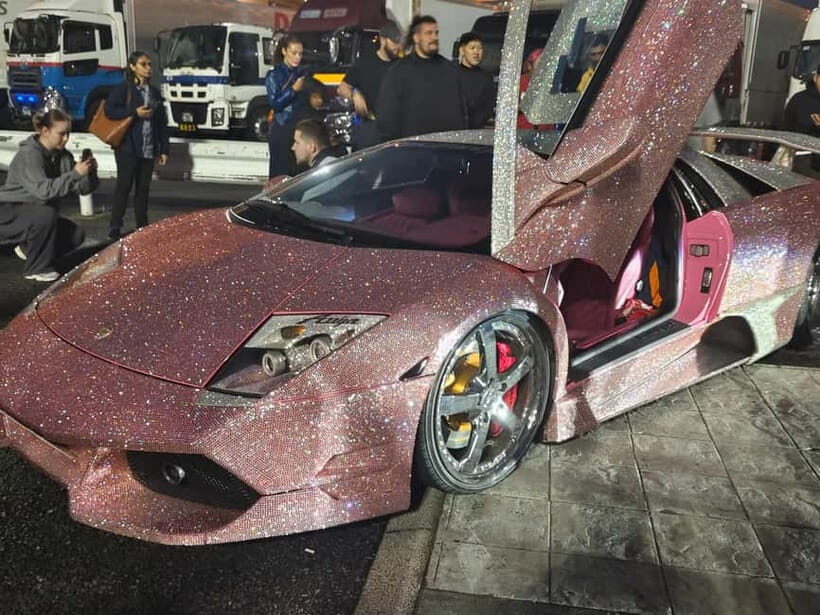
- Daikoku PA modified car meetup: the place where tuner culture concentrates after dark
- Real Tokyo night icons on the drive: you’ll pass Tokyo Tower and Rainbow Bridge for quick photo windows
- Wangan route vibes without the fantasy rules: serious car culture, not scripted theater
- A PIT Autobacs stop: a practical gearhead finale with parts, memorabilia, and shop energy
- Small group size (up to 4): easier conversation and a calmer experience at crowded stops
- Charger included: you can keep your phone alive for photos and maps
From Akihabara to the Expressway: setting the tone for Tokyo car culture
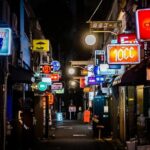
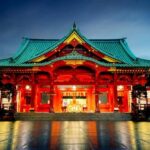
Most of the energy starts right away, with the tour typically beginning in Akihabara. That matters because Akihabara is visually busy in the daytime, but at night it turns into a perfect launch pad: bright streets, lots of movement, and that “Tokyo is in motion” feeling before the expressway takes over.
Then you shift gears. You’re not just touring landmarks; you’re moving into the space where Japan’s car culture breathes. The drive uses the highway system, and that changes everything—speed feels smoother, views open up faster, and you’re in the right rhythm for night photography.
There’s also something I appreciate in how the group stays small. When you’ve got up to four participants, you’re less likely to get swept into a strict schedule, and you can ask your guide about what you’re seeing without the conversation getting lost. In one past experience with a guide named Lee, the host was communicative and helped the group find their bearings quickly at the venue—exactly what you want when your eyes are already scanning for wide-body kits and rare wheels.
You can also read our reviews of more evening experiences in Tokyo

The Wangan-style route: what it feels like to see Tokyo at speed
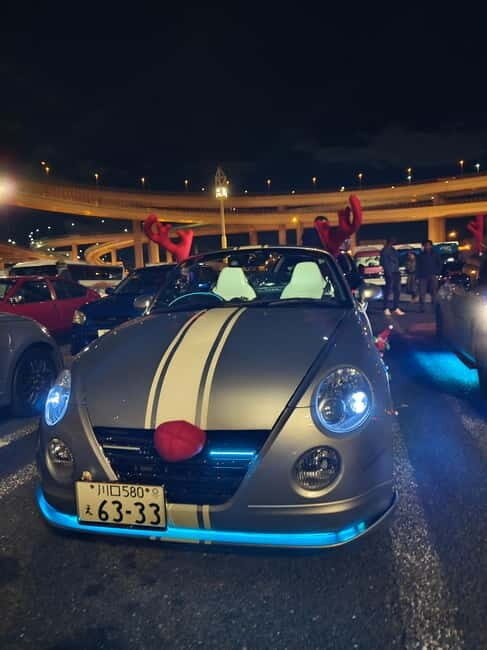
You’ll be on a route associated with the legendary Wangan scene, and even if you know Wangan Midnight only as a story, the vibe lands fast. This is night driving with real-world car culture in the background—dark stretches, bright signage, and the sense that Tokyo’s nightlife has its own lanes.
What you’re really buying with this tour isn’t only transportation. It’s a guided way to experience the atmosphere: the route connects you to places that feel like “car people’s Tokyo,” not just “tourists’ Tokyo.” The guide’s introduction helps you understand what you’re looking at when the car meet starts—why certain modifications show up together, what owners tend to emphasize, and how the meet works socially.
Also, the tour is built for watching, not just waiting. You’re given short sightseeing stops along the way so you’re not stuck staring out a window for the entire evening. And because you’re on a small group format, you can typically adapt your photo pace without feeling like you’re holding up a big bus.
Tokyo’s night photos: Rainbow Bridge and Tokyo Tower stop pacing
Two of the most photogenic night landmarks are folded into the experience: Rainbow Bridge and Tokyo Tower.
Rainbow Bridge is quick on purpose. You get enough time to step out, frame a shot, and capture the bridge-lit feel without turning it into a long sightseeing detour. That balance is smart, because your main event is the Daikoku meetup, and you don’t want the night to drift away from the reason you booked.
Tokyo Tower is the bigger photo target. The tour gives you a longer stop here, and that’s useful if you want multiple angles—tower close-ups, skyline reflections, or just a clean “Tokyo at night” overview between expressway sections. It’s also a rare moment where you’re seeing the icon not in a daytime postcard way, but in a night-drive context, with the city’s lights doing the heavy lifting.
If you’re a photographer, plan to pack for low light. Bring your phone charger (you’ll have one with you on the tour) and keep expectations realistic: short stops mean you’ll be working efficiently, not wandering for an hour.
Daikoku Parking Area: where the car meet energy becomes real
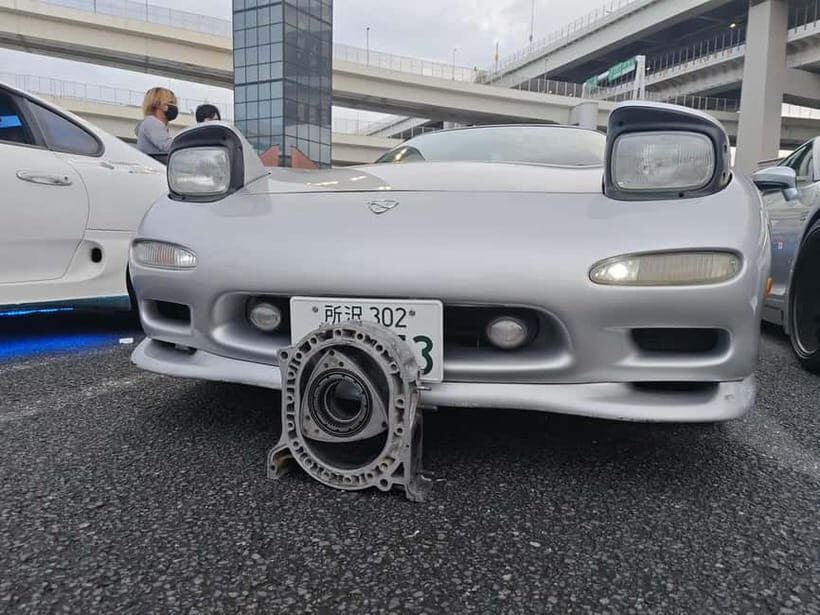
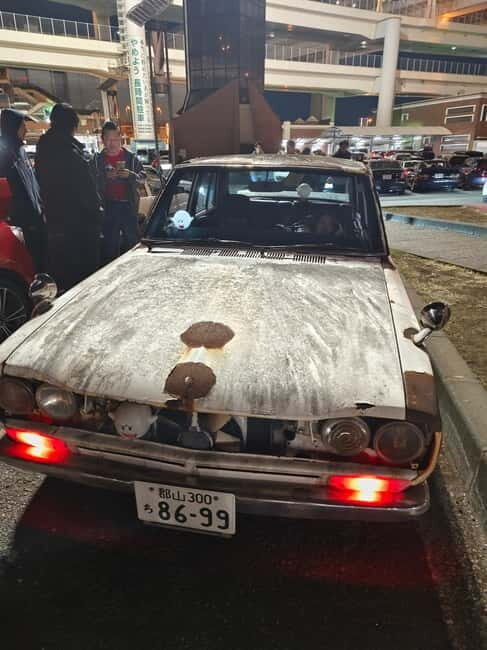
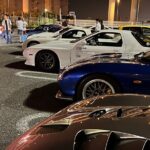
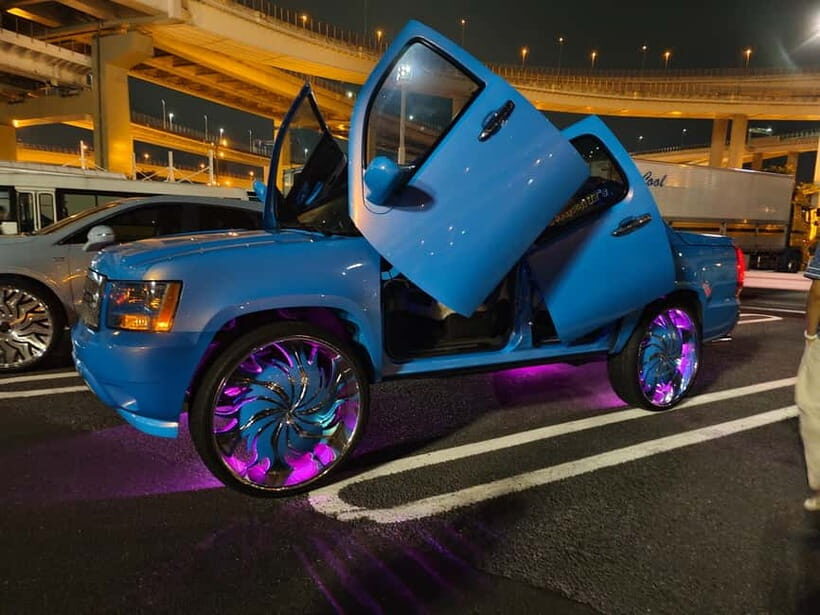
Daikoku Parking Area is the heart of the tour, and it’s not just famous for modified cars—it’s famous for how the scene sounds and moves in that space. A past participant from Switzerland pointed out that the acoustics inside the parking setup have a unique effect. Translation: you don’t just see the cars, you feel the atmosphere in the air.
You’ll spend about an hour at Daikoku. That length is a careful trade-off. Enough time to walk the rows, notice design details, and talk briefly with owners if the moment fits. Not enough time to do a slow, full museum-style tour of every car—so go with an intent. Pick a few categories to focus on:
- wide-body vs. clean OEM+ styles
- paint finishes and detailing
- wheels/stance (fitment is often the story here)
- rare trims or older builds
The meetup itself often feels welcoming. In one strongly positive experience, the guide Kaku helped set the tone, and the group got to enjoy the meet with owners who were happy to share what they were running. That’s the difference between watching a highlight video and standing in front of a machine with the people who built it.
What I liked most is how the tour doesn’t just drop you at a gate and disappear. The guide’s presence keeps you oriented, which matters because Daikoku is visually intense. You want help with where to look and how to move so you’re not stuck in one lane or missing the best photo spots.
A PIT Autobacs after Daikoku: turning the night into take-home gearhead joy
After the main car meetup, there’s a stop at A PIT Autobacs. If Daikoku is the show, Autobacs is the nerd zone. This is where the night’s car culture becomes stuff you can actually buy or at least browse seriously—parts, tuning merchandise, and the kind of store energy that makes car people grin.
One reason this stop works well is timing. You’ve already seen the modifications in real life. Then you walk into a store that feels connected to that world. It’s a satisfying bridge between viewing and understanding, even if you don’t plan to purchase anything.
You also get a change of pace. After walking around Daikoku, stepping into a shop is a reset for your feet, your phone, and your brain. It gives you a chance to reflect on what you liked most and compare it with what you see being marketed inside.
Past reviews specifically praised that the shop stop came after Daikoku, calling it the perfect finale. I agree with the logic. Seeing the real cars first makes the store feel more meaningful afterward.






The drive past Tokyo’s skyline: why the route itself is part of the attraction
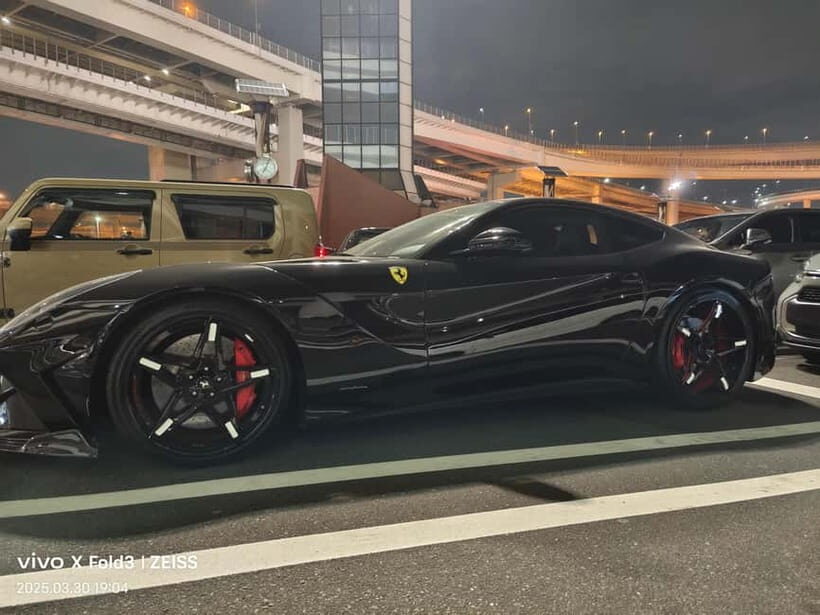
A lot of tours sell “landmarks,” but this one sells a sequence: landmark views delivered as part of a nighttime driving plan. That’s why it includes passes and quick sightings around the city’s big illuminated moments.
You’ll cruise past major night scenes like the futuristic bayside skyline and you’ll see iconic structures in motion, not just from a standing viewpoint. That shift changes how the city reads. At night, Tokyo is all layers: bright lines, dark water or road reflections, and sudden building glow. Moving through it on a highway adds to that effect.
This is also where the tour’s “friendly introduction” is useful. Even without long lectures, a good guide can point out what you’re likely to be seeing from the road—so the scenery feels intentional, not random.
Price and value: is $93 per person fair for what you get?
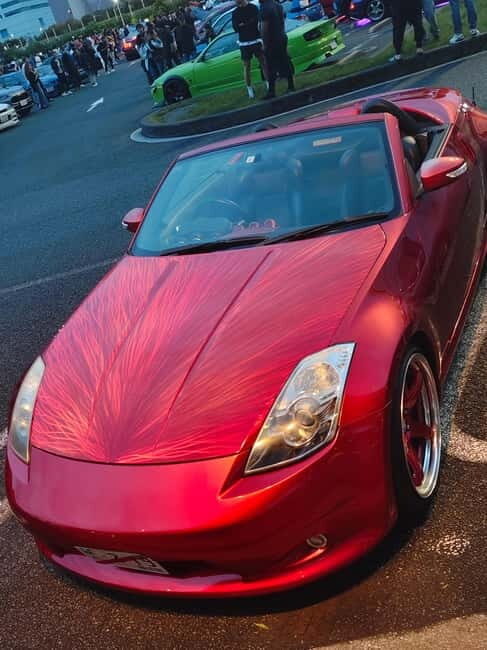
At $93 per person for a 4-hour experience, value depends on your mindset.
If you’re a hardcore car fan, you’re paying for access to a real modified-car meetup plus a guided route that links multiple night-photo moments. The tour includes transportation, highway driving, a guide introduction, and a charger. Those details matter because they reduce friction: you’re not figuring out how to reach the meet area at night, and you’re not trying to squeeze your own night-drive itinerary together.
If you’re less focused on the car scene, you may feel the cost more sharply. One critical review described it as a pricey option when the time at the meetup and shop feels limited compared to driving and transfers. That’s a fair consideration. This is not a full half-day of wandering every corner of Tokyo. It’s a compact night plan built around one major event (Daikoku) and one shop finale (A PIT Autobacs).
So here’s my practical take: it’s good value when your goal matches the tour’s goal. If you mainly want long sightseeing, you might be better with a different type of night tour. If you want a tight, car-centered evening with real atmosphere, the price feels more reasonable.
Who should book this Tokyo night drive, and who should skip it
This experience is best for:
- car enthusiasts who want to see modified vehicles in a real setting
- photographers who like night city shots with quick landmark stops
- people who enjoy the Wangan Midnight vibe as a cultural mood, not a pure fiction reenactment
- anyone who likes small group tours where you can talk to the guide without shouting
It’s not a great fit for everyone. The tour isn’t suitable for children under 10, wheelchair users, or people over 70. Also, it’s not designed around food stops, because food and drink aren’t included. So if you need meals at fixed times, plan to eat before or after.
One more factor: the tour environment follows clear boundaries. No alcohol and drugs are allowed. That’s important for safety and for keeping the experience focused on the car scene and city night driving rather than risky behavior.
Practical tips for a smoother night (and better photos)
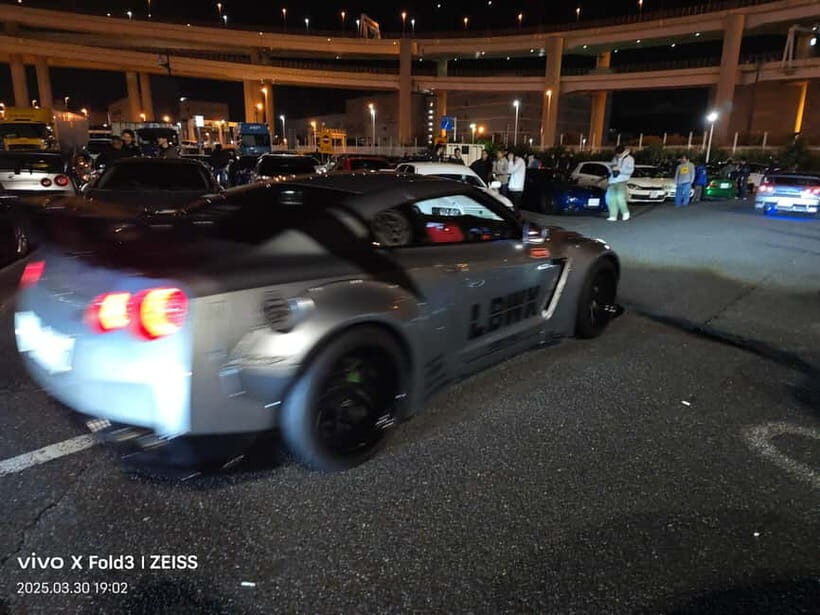
A few things will make your evening feel easier.
Bring your passport. The tour explicitly requires it, so don’t assume you can skip it.
Dress for night temps and movement. You’ll walk around at Daikoku for about an hour, and you’ll do quick stand-and-shoot moments at the landmarks. Comfortable shoes win.
For photos, think “short burst,” not “photoshoot marathon.” Rainbow Bridge and Tokyo Tower stops are timed, so be ready to shoot quickly. If you’re using a heavier camera setup, keep spare batteries accessible.
Also, be phone-smart. A charger is included, which is great, but you’ll still want a backup plan if you’re shooting constantly. Low light eats battery fast.
Finally, bring curiosity. The best moments at a car meetup often come from respectful questions. Owners are there for their cars, but they’re also humans. Ask, listen, and move on without crowding.
The guides matter: what Lee and Kaku-style hosting adds
This is one of those tours where the guide can make or break the night. Several experiences highlighted the guides by name.
Lee was described as a nice host who stayed communicative and waited while the group explored at Daikoku. That kind of pacing helps when you’re trying to find your footing in a crowded, high-energy setting.
Kaku was praised for being friendly, knowledgeable, and passionate about Japan’s car culture, setting a good tone for the meetup and shop stop. Whether your style is shy observation or more talk-first, a guide like that helps you get the most out of the time you’re given.
Since the tour runs with English and Japanese live guides and keeps groups small, you’re not just following a route. You’re getting someone to translate what matters so you can enjoy the car scene without guessing.
Should you book the Tokyo Night Drive to Daikoku PA?
Book it if you want a compact, car-focused night that combines a real modified-car meetup at Daikoku Parking Area, iconic Tokyo night views like Tokyo Tower, and a fun gearhead shop finale at A PIT Autobacs. It’s also a strong pick if you like small groups and you’re the type who enjoys walking up close to machines rather than just sightseeing from a distance.
Skip it if your main goal is extended sightseeing, full dining coverage, or a long time at the meetup. With only about an hour at Daikoku and no food included, you’ll want to be comfortable with a “hit the highlights fast” style of tour.
If your ideal Tokyo night is part city lights, part real car culture, and part photo-friendly motion, this is the kind of evening you’ll remember.
FAQ
How long is the Tokyo Night Drive?
The tour lasts 4 hours.
Where does the tour usually start?
It usually starts in Akihabara.
What landmarks do you see during the night drive?
You’ll pass or stop for views including Rainbow Bridge and Tokyo Tower.
How long do you spend at Daikoku Parking Area?
You spend about 1 hour at Daikoku Parking Area.
Do I need to bring food or is it provided?
Food and drink are not included.
What is included in the price?
Transportation, highway use, a friendly introduction from the guide, and a charger are included.
What should I bring?
You should bring your passport.
Are alcohol or drugs allowed?
No, alcohol and drugs are not allowed.
What languages are the guides?
The tour offers a live guide in English and Japanese.
Is there a limit on group size?
Yes. It’s a small group limited to 4 participants.