REVIEW · TOKYO
Experience Crafting a Flower-Adorned Mini Japanese Garden
Book on GetYourGuide →Operated by Bancre Inc. · Bookable on GetYourGuide
Making a tiny garden beats souvenir shopping. This English-led craft session turns preserved and dried flowers into a Japanese-style diorama box, and you get a calm, hands-on break in the middle of Shinjuku. I love the spacious cafe atmosphere with plenty of time to work at your leisure, and I love that your finished piece feels personal rather than store-bought. One drawback to consider: it’s a focused 90-minute workshop, so it’s not the kind of activity that stacks into a full sightseeing day.
In a small group capped at 10, you’ll get clear guidance, lots of breathing room, and a friendly vibe that makes first-timers comfortable. The instructor explains the materials and the approach, then steps back so you can arrange the flowers your way.
When you’re done, you’ll leave with a one-of-a-kind souvenir that also doubles as cute interior decor. The included soft drink helps make it feel like a small Tokyo treat, not just a class.
In This Review
- Key highlights you’ll care about
- Shinjuku Sanchome’s Flower-Workshop Base (and how to find it fast)
- What you’ll create: a Japanese-style mini garden diorama in a box
- The 90-minute workshop flow inside the cafe
- Price and value: what $45 buys you in real craft time
- English instruction and first-timer comfort
- Your souvenir’s real “wow”: why the diorama look matters
- Optional parfait upgrade: a small sweet you can plan for
- Who should book this mini Japanese garden workshop
- Group size, pace, and why it changes the experience
- Final thoughts: should you book this mini garden workshop?
- FAQ
- How long is the experience?
- Is the workshop taught in English?
- What is included in the price?
- What will I make during the session?
- Is it suitable for beginners?
- How big is the group?
- Where do I meet, and how do I get to the right floor?
- Is cancellation allowed, and what about reserving without immediate payment?
Key highlights you’ll care about
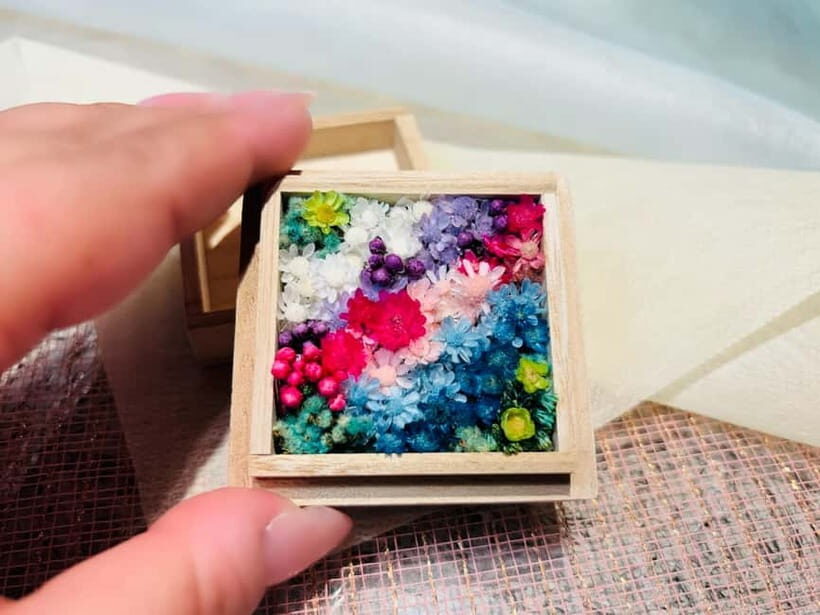
- A diorama-style mini Japanese flower garden made inside a small box you can display afterward
- Preserved and dried flowers plus a guided plan for arranging colors and textures
- Relaxed pace in a spacious cafe with enough time to enjoy the crafting process
- Easy for first-timers, even if you’ve never done anything like this
- Small group size (up to 10) so you get real help without feeling rushed
- Optional parfait upgrade recommended by past participants for a sweet add-on
Shinjuku Sanchome’s Flower-Workshop Base (and how to find it fast)
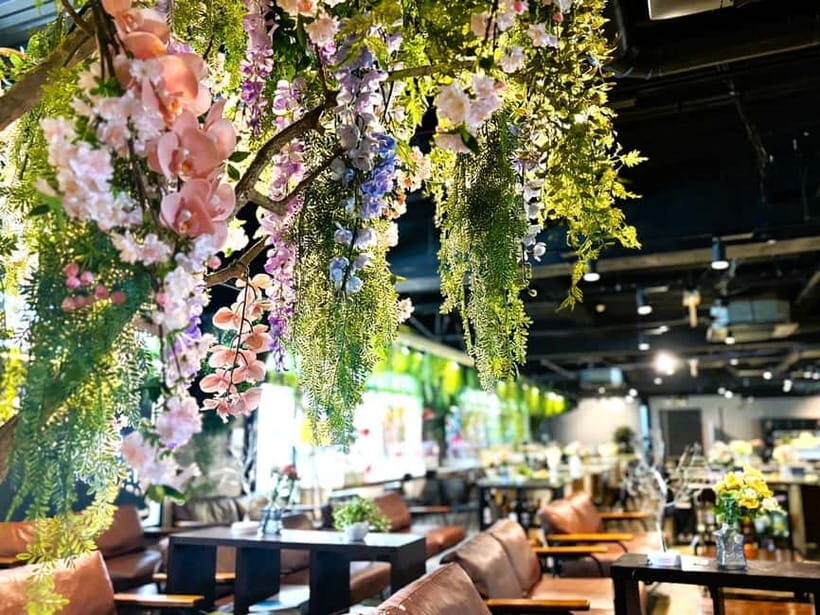
This experience meets in a busy Shinjuku area, just a minute walk from Tokyo Metro Shinjuku Sanchome Station (Exit E3). The building is attached to a pachinko parlor on the first floor, so look for the outside elevator near the entrance, then ride up to the 4th floor. The shop is called Sumika (plus code: MPR4+J9).
Why I like this location: you can fit it into an afternoon or early evening without a long transit hassle. The workshop itself is the main event, so the simpler the getting-there part is, the better your day feels.
One practical note: since the meeting point is inside a multi-use building, I’d give yourself a few extra minutes to spot the right elevator and floor. In Tokyo, that small buffer saves stress.
You can also read our reviews of more tours and experiences in Tokyo.



What you’ll create: a Japanese-style mini garden diorama in a box
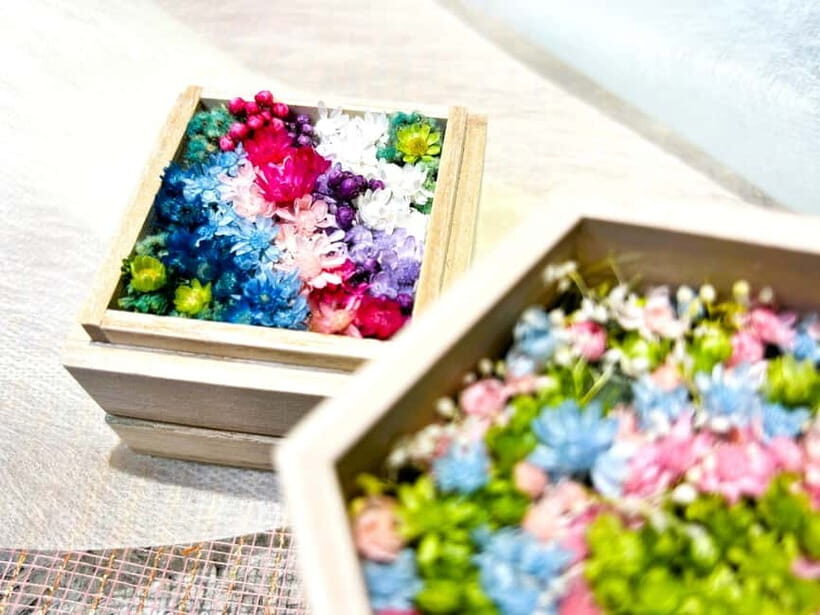
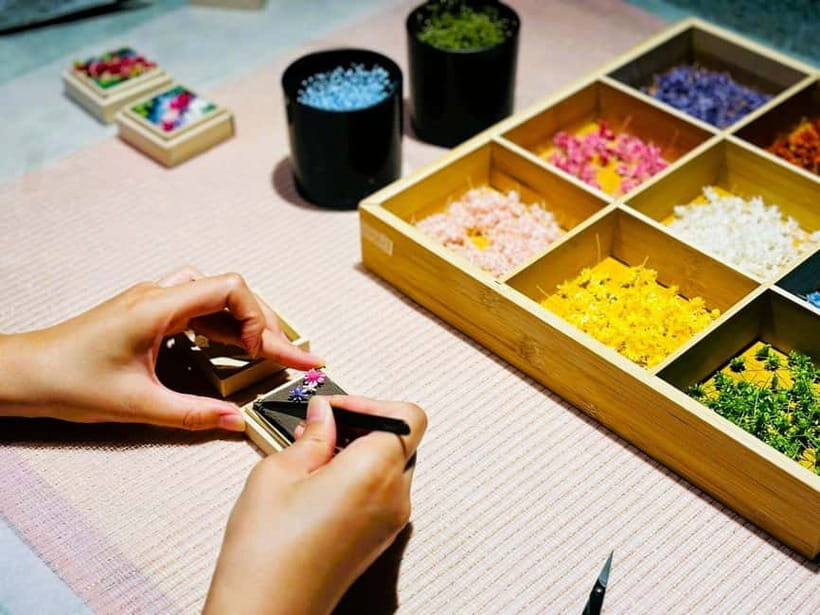
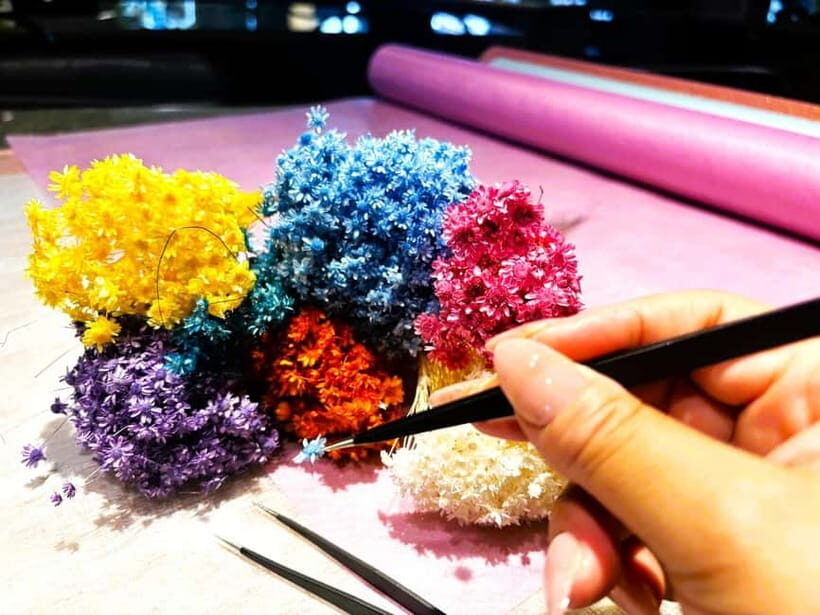
The core idea is simple and very satisfying. You’ll arrange preserved flowers and dried flowers in a small container to make a Japanese-style flower garden that looks like a tiny diorama. It’s a craft project, but it also has that Japanese “small form, careful detail” vibe.
What you’ll actually be building is a compact scene: little colorful flowers placed with intention inside the box. The result is meant to work as both a keepsake and a display piece. In other words, you’re not just making something pretty for an hour; you’re making something you can live with.
This also means you can tailor the look. The class setup gives you a plan and ingredients, then lets your hands do the layout. If you like choosing colors, playing with spacing, or just slowing down, this kind of souvenir is more fun than magnets.
The 90-minute workshop flow inside the cafe
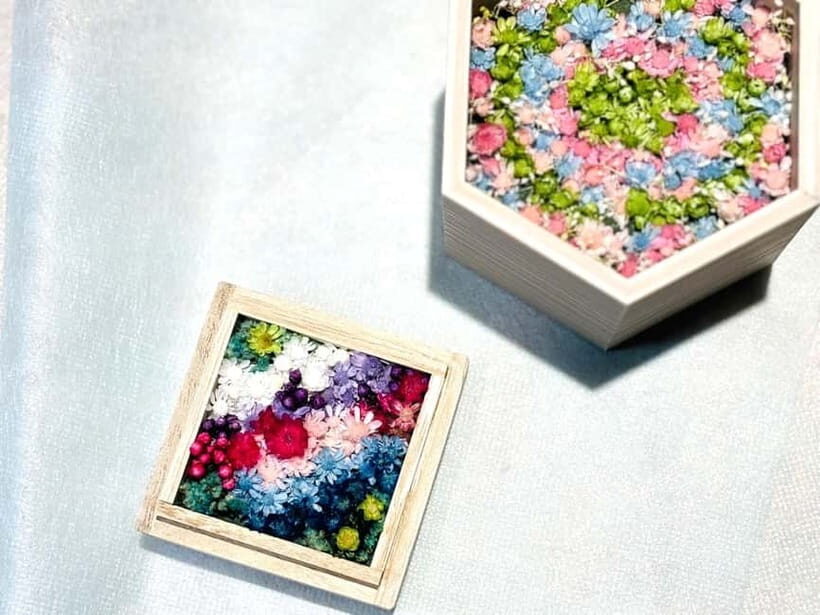
The session runs 90 minutes, which is enough time to learn the basics, assemble your mini garden, and still feel relaxed about it.
Here’s how the rhythm typically works:
First, you arrive and get oriented in the space. Then the instructor explains how the process works and goes over the ingredients you’ll use. You’re not thrown into the materials blind. You’ll understand what each element is for before you start placing things.
Next comes the fun part: building your flower box. You’ll arrange the flowers in your container, taking your time with color and layout. The class is designed with “plenty of time” so you can enjoy the work rather than rushing through it.
Throughout, you can ask questions and get guidance, and with a small group of up to 10, help doesn’t feel delayed. Past participants also highlight that the atmosphere is calm and that instructors are kind and helpful, which matters if you want a creative activity to feel welcoming.
Finally, you finish with your finished diorama-like mini garden and get the chance to enjoy the accomplishment before you head out. The whole experience is paced for satisfaction, not speed.
Price and value: what $45 buys you in real craft time
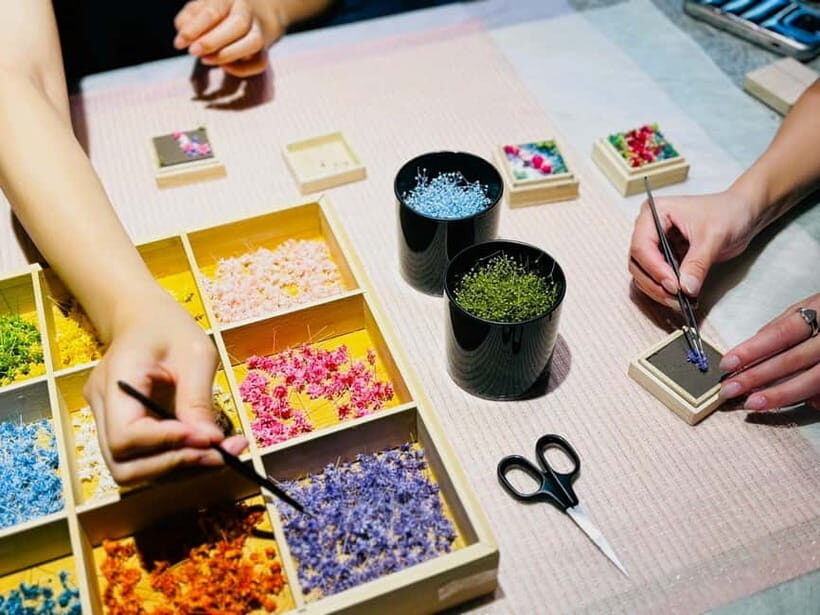
At $45 per person for 90 minutes, this is priced like a focused workshop, not like a quick photo stop. The value is mainly in three places:
- You’re paying for guided making, not just entry to a place. The instructor explains the ingredients and the approach, so you’re less likely to feel lost.
- You’re paying for materials used to create a display piece. The preserved and dried flower setup is the heart of the workshop, and that’s what turns the project into a real souvenir.
- You’re paying for comfort and time in a cafe environment. It’s not just sitting at a table while you guess what to do next.
The package also includes one soft drink, which may sound small, but it helps the experience feel like a “Japan moment” rather than a rushed class.
If you’re comparing against other Tokyo experiences, ask yourself what you’ll still enjoy on day 2 or day 30. This one has a long life because it ends up on a shelf or desk. For me, that’s the best kind of souvenir value.
English instruction and first-timer comfort
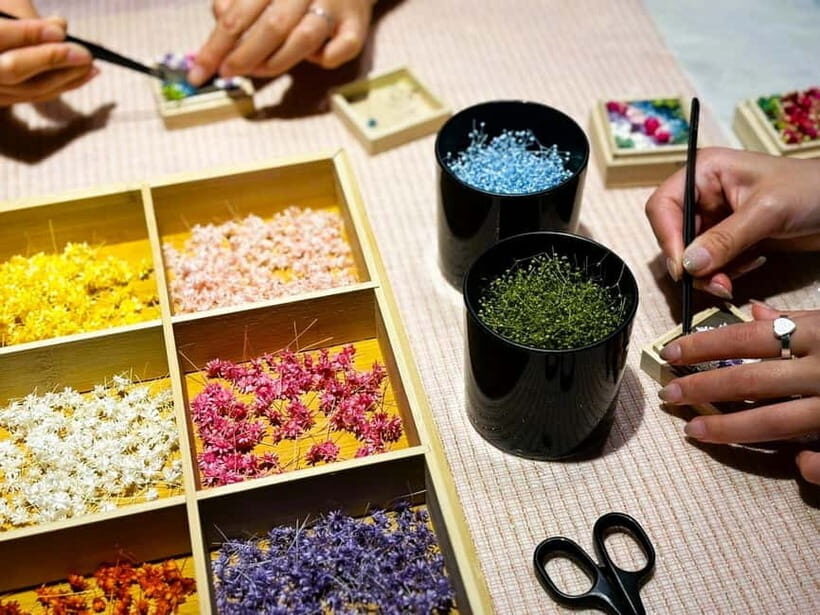
The workshop is offered with an English instructor, and the pace is friendly for people who’ve never made anything like this. You’ll get the explanation upfront, and you’re working in a small group, so questions are easy to ask.
What I like about that for first-timers: you don’t have to arrive with craft knowledge. The class is structured so your job is arranging and enjoying, not figuring out a complex system alone.
You also get the satisfaction of making choices yourself. That’s important because it’s what makes the souvenir feel like it belongs to you, not like everyone’s box looks identical.
And since the session is short enough to keep energy up, it’s a good option when you want something creative but you still want your day to stay light.






Your souvenir’s real “wow”: why the diorama look matters
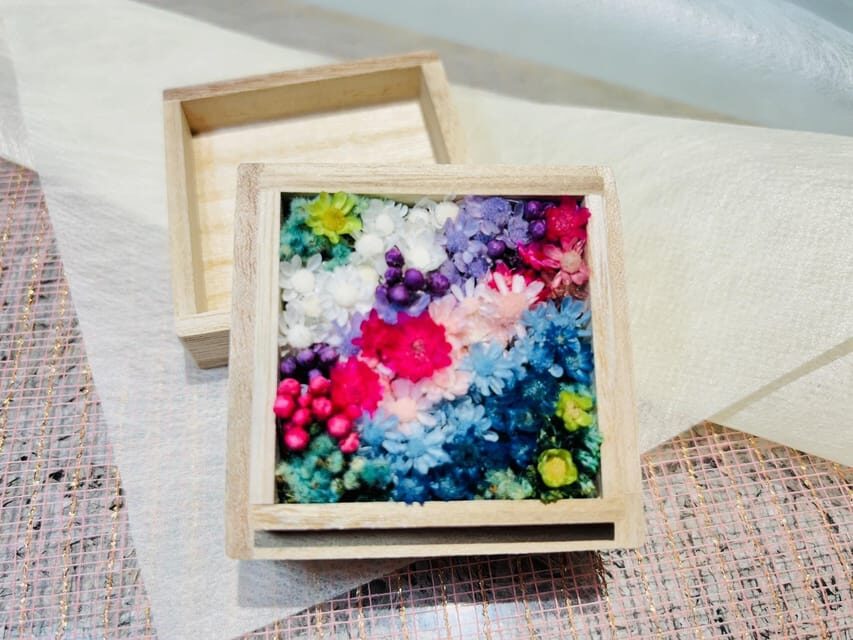
A mini garden in a box is cute, sure. But the diorama effect is what gives it that extra charm. You’re building a scene with depth and placement, so the final piece has a “look, it’s almost alive” quality.
That’s why it works as decor. The box format makes it easy to keep neat, and the flower arrangement gives it instant visual interest without needing a lot of styling on your end. It’s also a memorable gift option if you travel with friends or family and want something that isn’t mass-produced.
One thing to consider: because it’s made with preserved and dried elements, it’s a delicate craft item by nature. Treat it as a keepsake display piece, not a toy. If you’re traveling with limited luggage space, you’ll likely appreciate that it’s compact rather than bulky.
Optional parfait upgrade: a small sweet you can plan for
Some participants specifically recommended upgrading to get parfaits, calling it a special treat. The basic experience includes a soft drink, but the cafe setup can support an extra indulgence if you feel like turning your craft session into a proper Tokyo snack break.
If you want that add-on, I’d ask what’s available during your visit and how the upgrade works on the day. Since you’ll be in the cafe environment anyway, it’s a natural way to stretch the “enjoyment” part of the experience.
This is also the kind of upgrade that makes sense for groups: one person pays for dessert, you all share the vibe, and the workshop remains the main event.
Who should book this mini Japanese garden workshop
This is best for you if you want a hands-on Tokyo activity that’s calm, creative, and small enough to fit into a day. It’s especially appealing if you:
- Like making souvenirs that don’t feel generic
- Want an easy English-friendly activity that still feels meaningful
- Prefer a relaxing indoor stop over another round of walking
- Travel with friends or family and want everyone to leave with something personal
It’s also a solid choice for couples. The whole setup feels like a quiet shared project, and you’ll have a physical memory you can display together.
If you’re looking for a performance, a guided history lecture, or a big outdoor viewpoint, this won’t be that. This is about making, not touring.
Group size, pace, and why it changes the experience

With a small group limited to 10 participants, you won’t feel like you’re part of a conveyor belt. That matters because flower arrangement needs small corrections and gentle guidance. When the group is small, the instructor can respond faster, and you get more confidence as you build.
The 90 minutes also keeps things comfortable. You have enough time to enjoy the work, but it won’t drag. For me, that sweet spot is the difference between a craft class that feels like a chore and one that feels like a creative break.
A final point: the atmosphere being described as relaxing in feedback is consistent with the workshop design. When a class is paced with leisure, you actually remember the experience, not just the result.
Final thoughts: should you book this mini garden workshop?
I’d book it if you want a Tokyo souvenir with real personality and a relaxing setting. For the price, the value comes from guided making, the materials that turn your effort into a displayable keepsake, and the calm cafe time to do it without pressure.
Skip it only if you’re after a major sightseeing program, or if you know you don’t enjoy careful, hands-on craft. This is best for travelers who like making something with their own hands, then enjoying the quiet satisfaction that comes with finishing.
If you’re in the Shinjuku Sanchome area and you want an activity that feels uniquely Japanese without being intimidating, this one is a strong pick.
FAQ
How long is the experience?
The activity lasts 90 minutes.
Is the workshop taught in English?
Yes, the instructor teaches in English.
What is included in the price?
The price includes one soft drink and all fees and taxes.
What will I make during the session?
You’ll create a Japanese-style mini flower garden diorama by arranging preserved flowers and dried flowers in a small box.
Is it suitable for beginners?
Yes, it’s designed to be easy even for first-time users, with an explanation of the materials and how to make it.
How big is the group?
The group is limited to 10 participants.
Where do I meet, and how do I get to the right floor?
Meet about a minute walk from Tokyo Metro Shinjuku Sanchome Station, Exit E3. The building includes a pachinko parlor on the first floor; use the outside elevator near the entrance and go to the 4th floor. The shop is called Sumika.
Is cancellation allowed, and what about reserving without immediate payment?
Cancellation is free up to 24 hours in advance for a full refund. You can also reserve now and pay later to keep your plans flexible.