REVIEW · KYOTO
Private Kyoto with Exceptional Guide Tailored to Your Needs
Book on Viator →Operated by OMAKASE · Bookable on Viator
Kyoto feels less like a checklist when someone local steers the day. This private Kyoto experience pairs you with an English-speaking guide and gives you real control over what you see, what you skip, and how fast you walk. You can build your half-day or full-day around history, food, shopping, or pure photo stops.
I especially like the tailor-to-you flexibility. For a 4-hour tour, you choose 2–3 places; for an 8-hour tour, you choose 4–5 places. That means you’re not stuck racing through the same top 10 spots that everyone else does.
The one thing to consider: you’ll still need to plan around Japan’s cash habits and the extra timing of entrances and guidance at temples. It’s doable, but it’s smarter to show up ready with yen and a few decisions made in advance.
In This Review
- Key details that make this Kyoto private tour worth it
- Why a private Kyoto guide makes the day feel easier
- Price and value for a 4–8 hour private day
- How the guide builds your day: half-day vs full-day
- The 4-hour plan: pick 2–3 must-dos
- The 8-hour plan: add variety and pacing breaks
- The route highlights you can tailor: torii, gold, gardens, and rock views
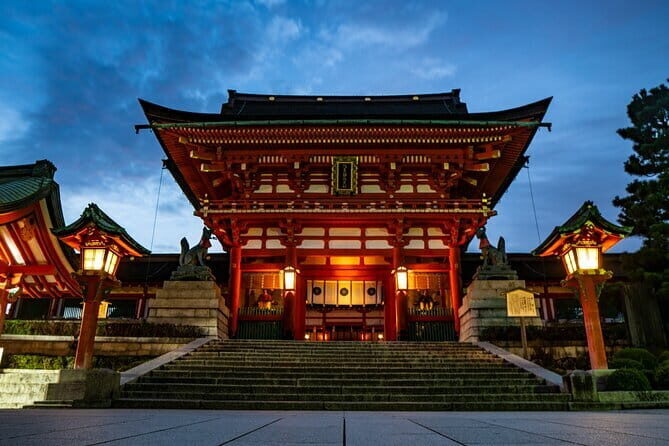
- Fushimi-style Inari torii gates: the walk you remember
- Golden Pavilion: iconic looks plus a reason to visit
- The Zen garden stops: ponds, moons, and “spot the shapes”
- Kannon-focused temple stops: statuary you can track
- Shogun-to-Imperial connection: a military complex with political purpose
- Arashiyama bamboo trails and the Togetsu-kyo bridge for photo lovers
- Gion area atmosphere: shrine stop plus Shirakawa bridge views
- Getting around: public transit vs private car (and why it matters)
- Cash, tickets, and the small stuff that saves your day
- Who this Kyoto private tour is best for
- A real-world feel from a guide like Yumiko-san
- Should you book this private Kyoto tour?
- FAQ
- FAQ
- How long is the Kyoto private tour?
- How many places can I choose for each tour length?
- Is lunch included in the tour price?
- Are entrance fees included?
- What about transportation during the tour?
- Do you offer pickup?
- Will I need cash in Kyoto?
- How does the guide contact work after booking?
- What if weather is bad?
Key details that make this Kyoto private tour worth it
- You choose the pace: relaxed walking or a smoother route with a private car option
- A real local plan: your guide helps recommend the best matches for your time and interests
- English-speaking help, not just interpretation: bottled water and practical guidance for the rest of your trip
- In-demand highlights, without the stress: big-name Kyoto scenes like the Inari torii path, Golden Pavilion, Arashiyama bamboo, and Gion area stops
- Built for families and couples: a true private format means the day can bend around your interests
Why a private Kyoto guide makes the day feel easier
Kyoto can be beautiful and confusing at the same time. The streets are dense, the walking can add up fast, and the best temples often have rules about when and where you can go. With a private guide, I like that you get help with the big stuff right away: timing, what to see next, and how to avoid wasting hours.
You also get a day that feels personal. You’re not just following a script. Instead, you decide what matters to you—shrines and temples, Japanese culture, Japanese cuisine, shopping, or specific interests—and the guide shapes the route to fit.
In one real example, the guide Yumiko-san described guiding a mother and son through Kyoto with stops that matched their shopping goal and interests, including finding a yukata they liked and even locating a Japanese Giants MLB hat right when they wanted it. That kind of “day gets better as it goes” moment is hard to engineer on your own.
You can also read our reviews of more guided tours in Kyoto

Price and value for a 4–8 hour private day
At $149.85 per person, this isn’t the cheapest way to do Kyoto. But private time has a cost for a reason: you’re paying for an English-speaking guide and a plan that changes with you. If you’re traveling as a couple, with family, or with a small group, the per-person price can start to feel more reasonable compared with multiple separate tours, because you’re packing fewer decisions into one guided day.
Also, the structure matters. It runs 4 to 8 hours, and you pick 2–3 stops for the shorter day or 4–5 for the longer day. That’s a smarter pace than trying to cram the entire city into a few hours and then ending up too tired to enjoy what you did see.
One more value point: you get advice on future plans from the guide. That’s not just small talk. A good guide can help you place the next day’s activities so you don’t bounce around Kyoto inefficiently.
How the guide builds your day: half-day vs full-day
Here’s the practical way to think about it: the half-day is for focus, and the full-day is for variety.
The 4-hour plan: pick 2–3 must-dos
Choose fewer places when you want to stay present. With just 2–3 stops, your guide can help you manage walking time, photo timing, and transitions between sites without rushing you into “see everything” mode.
This is a great format if you already have a hotel base you like, or if you’re mixing Kyoto with other parts of Japan and need a tight hit of classics.
The 8-hour plan: add variety and pacing breaks
With 4–5 places, you can combine big visual icons with calmer gardens and neighborhoods. You’re also more likely to include something extra that fits your interests, like shopping stops or a culture-focused experience, as long as your timing works.
This is the better option if you’re the type who likes to wander—because Kyoto rewards slow attention. And with a private guide, you can slow down without losing your whole route.
You can also read our reviews of more private tours in Kyoto


The route highlights you can tailor: torii, gold, gardens, and rock views
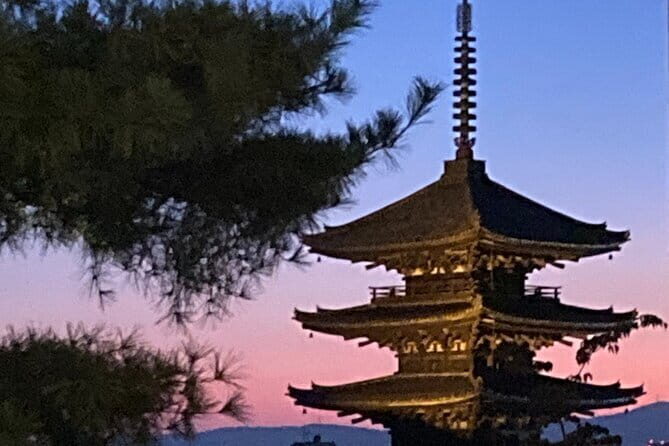
The tour gives you options that cover multiple Kyoto styles: spiritual landmarks, iconic architecture, and the kind of garden design that makes you pause and look longer than you expected.
Fushimi-style Inari torii gates: the walk you remember
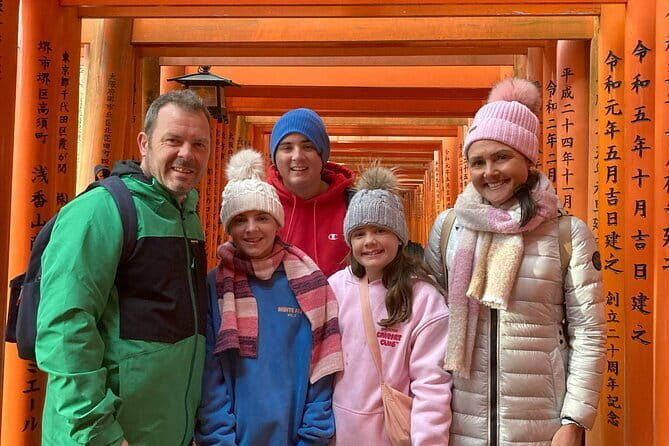
One stop centers on the shrine famous for 10,000 red torii gates climbing up Mt. Inari. Even if you’ve seen photos, I find the real experience hits differently because of the tunnel-like rhythm of the gates. It’s also a place where your timing matters: your guide can steer you to make the walk more comfortable.
A key consideration: this is a walking-heavy area. You’ll want moderate physical fitness for Kyoto days like this, even on a private tour.
Golden Pavilion: iconic looks plus a reason to visit
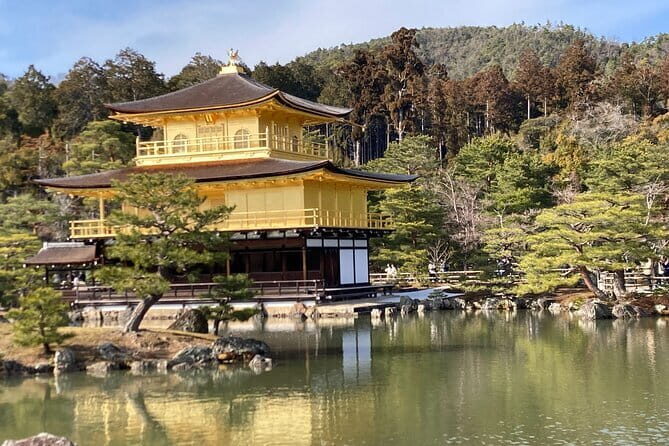
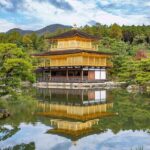
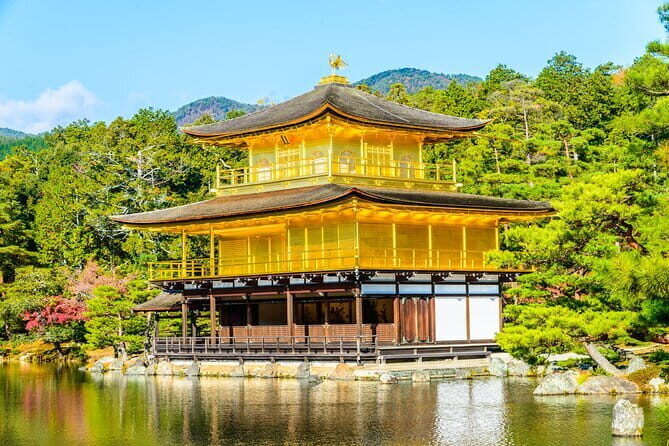
Another highlight is the Golden Pavillion, known for its connection to Buddha’s ashes and bones within the temple complex. The value here isn’t only the sight—it’s also the meaning and placement inside the temple grounds.
You may want to slow down here and let your guide explain what you’re looking at. The pavilion’s fame can make it feel “photo-only,” but the guide helps you see it as part of a larger temple experience.
The Zen garden stops: ponds, moons, and “spot the shapes”
Kyoto’s best gardens aren’t random decoration. They’re designed to guide how you notice the world around you.
This tour includes multiple garden-focused temple options, such as:
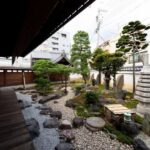
- A Japanese garden with a pond behind a temple, shaped by centuries of training by Zen monks
- A temple designed as a moon-viewing place around August 15th (old calendar), with the note that it isn’t allowed to enter at night
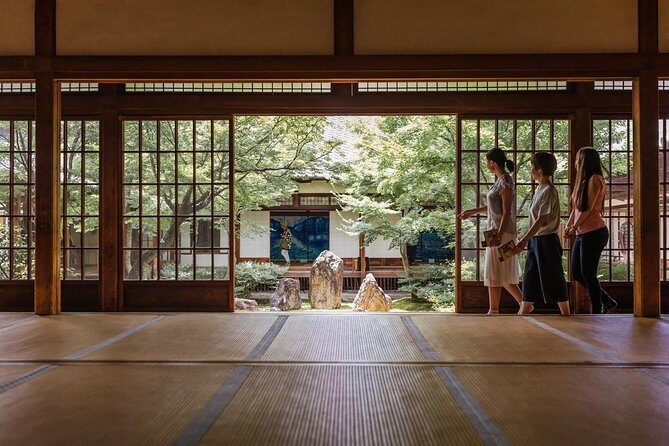
- A famous landscape garden featuring 15 rocks, where you’re asked to try different ways of “seeing” through the arrangement
The practical tip: if you’re the type who thinks you’ll “get bored in gardens,” don’t dismiss them. A guided explanation changes what your eyes catch. You’ll notice why certain viewpoints exist and how the garden’s design controls your attention.
Kannon-focused temple stops: statuary you can track
Some stops focus on temples with lots of Kannon Boddhisattva statues and guardians. The tour information points out that these statues trace back to ancient Indian deities, which is a helpful context note if you want to understand the symbolism instead of just snapping pictures.
There’s also mention of Japanese archery competitions being held at the back side of one temple area. That’s the kind of detail that makes a temple feel connected to real life, not only to architecture.
Shogun-to-Imperial connection: a military complex with political purpose
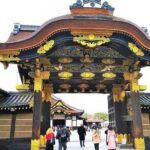
Another included option describes an original military complex that was converted into a place meant to harmonize the relationship between the military government in Edo and the Imperial Palace in Kyoto about 400 years ago. If you like context, this kind of stop gives you a bridge between Kyoto’s spiritual sites and its political past.
If you’re not a “castles and politics” person, you can skip this type of stop and keep your day weighted toward gardens and shrine walks.
Arashiyama bamboo trails and the Togetsu-kyo bridge for photo lovers
If you want the Kyoto postcard vibe, Arashiyama (Mt. Arashi) area is the go-to. The tour highlights include:
- Togetsu-kyo bridge on the Katsura River
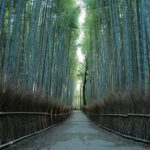
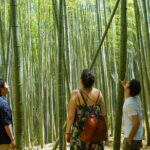
- Bamboo trails, which are among Kyoto’s most photogenic scenes
This area is ideal when you want scenery with instant payoff. I like pairing Arashiyama with a quieter temple or garden stop, because otherwise you can spend too much of the day in the “look, take photos, repeat” mode.
If you’re booking the full-day option, Arashiyama can work as one of the middle stops, so you don’t start the day with your legs tired.
Gion area atmosphere: shrine stop plus Shirakawa bridge views
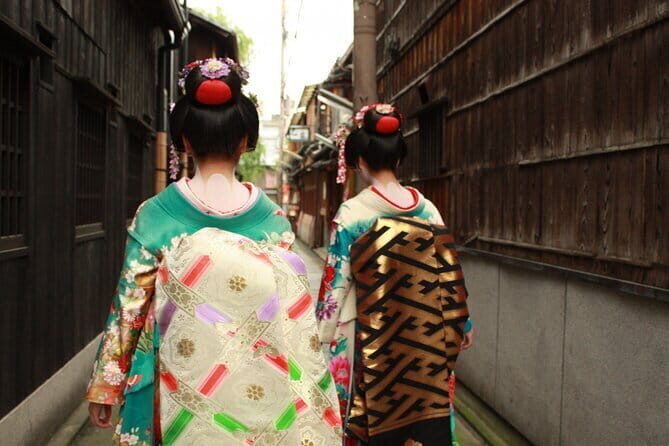
For a different Kyoto flavor, this tour also offers a Gion (Entertainment) area segment. It includes:
- Tatsumi Daimyo-jin Shrine
- Tatsumi-bashi bridge on the Shirakawa River
This is the kind of stop where you get both a specific site and a neighborhood mood. Even if you don’t plan a shopping detour, Gion-style streets tend to reward a slow stroll.
Quick reality check: Gion can be busy depending on time of day. Your private guide can help you choose the moments when the scene feels best for walking and photos.
Getting around: public transit vs private car (and why it matters)
You’re given a choice in how you move through Kyoto. You can do a relaxed walking tour using public transportation, or choose a more seamless day with a private vehicle.
This is a big deal because Kyoto distances can surprise you. Even if each stop is “near,” you’ll feel it by the second or third transfer. If you’re traveling with kids, older relatives, or you just don’t want to stress about connections, the private car option can make your day more enjoyable.
One more note: public transportation isn’t included in the price, so factor that into your planning if you’re choosing the transit route.
Cash, tickets, and the small stuff that saves your day
A few practical notes make the difference between a smooth day and a frustrating one.
- Many stores and restaurants in Japan only accept cash, so carry Japanese yen
- There’s mobile ticket support, which helps with access and timing
- Pickup is offered, which reduces the early-day scramble
- You’ll want to download WhatsApp or share your email so the guide can contact you
Also, plan for extra spending where indicated. Lunch is not included, and entrance fees may apply—especially if you want the guide to accompany you into certain facilities (the tour info notes that you may need to pay the guide’s portion as well for that scenario).
Who this Kyoto private tour is best for
This experience fits well when you want control, not cookie-cutter tourism.
It’s a great fit if:
- You’re a couple or family and want a day that adapts to your pace
- You care about a mix of famous sights and practical shopping or food time
- You prefer an English-speaking guide who can recommend next steps rather than you guessing your way through Kyoto
It might be less ideal if:
- You want a fully structured, no-decisions itinerary where you just show up
- You dislike walking or you’re traveling with extremely limited mobility (the tour asks for moderate physical fitness)
A real-world feel from a guide like Yumiko-san
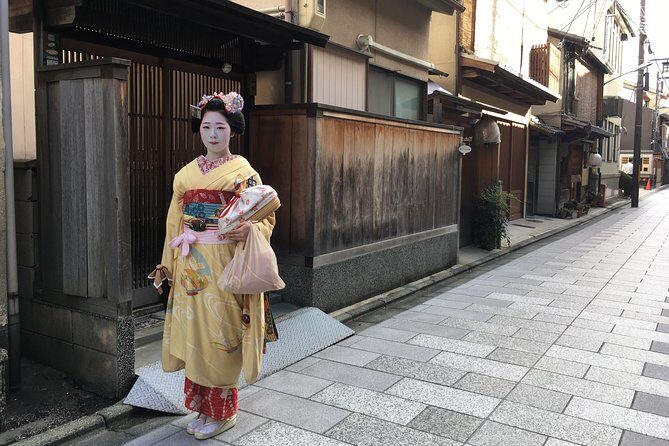
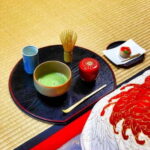
One standout detail from the guide feedback you can use as a planning clue: Yumiko-san is described as delivering a full-day private guide experience that included shopping stops (kimono/yukata related) and even a very specific item request (a Japanese Giants MLB hat). The same feedback also mentions a tea ceremony, described as going well.
That tells me something important for your planning: if you have a personal goal beyond the usual sights, a good guide can help turn it into a real stop rather than a random detour. If that’s your travel style, this is the kind of private setup that can deliver.
Should you book this private Kyoto tour?
Book it if you want Kyoto to feel designed around you. The combination of private format, an English-speaking guide, and a route you shape through 2–3 or 4–5 targeted stops is exactly how you avoid the common Kyoto problem: spending your time in transit instead of enjoying the places.
Skip it or reconsider if you’re comfortable navigating on your own and you want to keep costs low. Also, if you’re very sensitive to walking, choose the half-day and keep your stop list compact.
My recommendation: if you’re visiting Kyoto for the first time and want the classics—Inari torii gates, the Golden Pavilion area, plus a garden moment—this is a strong way to get there with less stress and more personal satisfaction.
FAQ
FAQ
How long is the Kyoto private tour?
It runs for 4 to 8 hours. You’ll choose the time option when booking.
How many places can I choose for each tour length?
For a 4-hour tour, you can choose 2–3 places. For an 8-hour tour, you can choose 4–5 places.
Is lunch included in the tour price?
No. Lunch is not included, and you’re expected to pay for lunch together with the guide’s portion.
Are entrance fees included?
No. Entrance fees are not included, and if you want the guide to accompany you into a facility, you may need to pay for the guide as well.
What about transportation during the tour?
Public transportation is not included. The tour notes that you can do a walking tour using public transportation, or you can choose a private car option (private car is included if you select it).
Do you offer pickup?
Yes, pickup is offered.
Will I need cash in Kyoto?
Yes. The tour info says many stores and restaurants in Japan only accept cash payments, so have Japanese yen on hand.
How does the guide contact work after booking?
The tour suggests you download WhatsApp or share your email address so the guide can contact you.
What if weather is bad?
The tour requires good weather. If it’s canceled due to poor weather, you’ll be offered a different date or a full refund.