REVIEW · OSAKA
Master Washoku: 5 Core Techniques for Authentic Cooking
Book on GetYourGuide →Operated by yuki Japanese cooking class · Bookable on GetYourGuide
A wasabi-grab and a warm sake sip. This Osaka class with Yuki turns basic washoku ideas into food you can actually make, and it’s built around hands-on work with real Japanese ingredients. I especially like the five-snack lineup (not just one dish), and I love that the optional sake tasting uses a smart comparison of chill vs warm. One thing to consider: transportation isn’t included, so you’ll want a plan for getting to the central apartment on your own.
You get a small-group setup (max 4), instruction in English and Japanese, and a relaxed pace that still feels efficient. It’s a good choice if you want more than sushi souvenirs and you’d rather leave with techniques you can use at home.
In This Review
- Key Highlights You Should Care About
- Master Washoku in Osaka: What You’re Really Learning
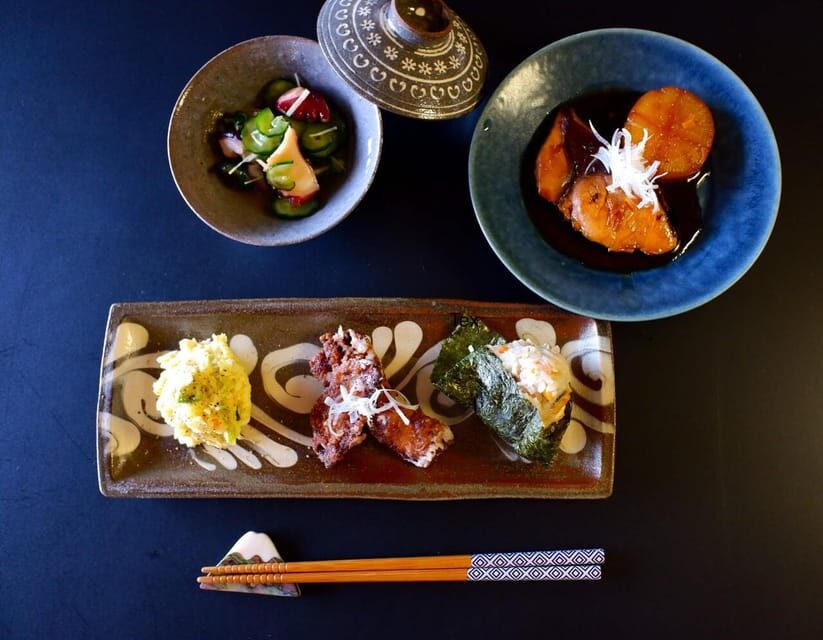
- The Five Snacks Menu: Techniques in Real Form
- Wasabi Garlic Potato Salad: Heat Meets Creamy Balance
- Octopus and Cucumber Vinegar Salad: The Art of Tang Without Chaos
- Fish Tatsuta-age with Scallion Sauce: Marination That Shows Up in Every Bite
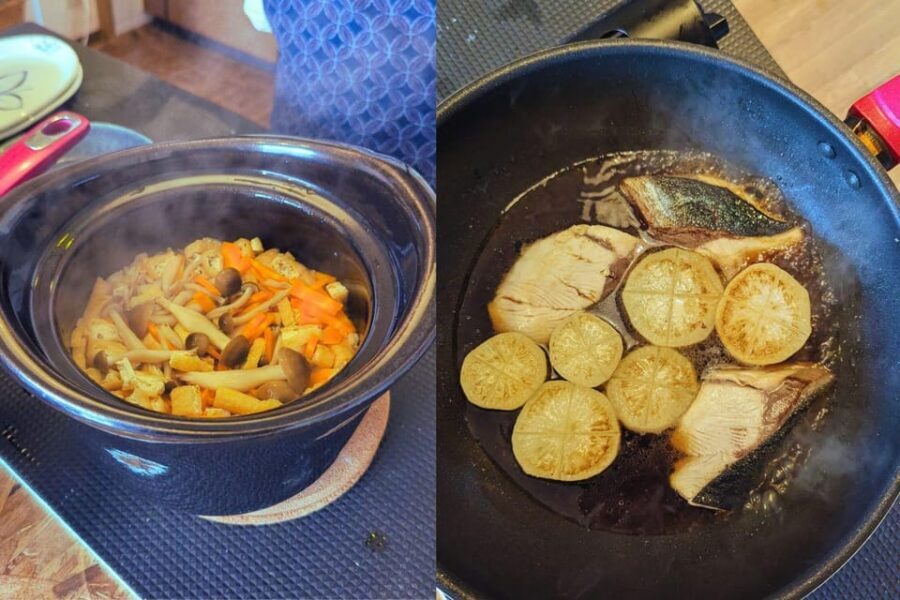
- Simmered Yellowtail with Daikon: Tender, Not Mushy
- Mixed Rice Onigiri: Flavor in the Rice, Control in the Shape
- Sake Pairing (Optional): A Simple Lesson You Can Taste
- Small-Group Cooking in a Central Osaka Apartment
- Price and Value at $109 for 3 Hours
- Who Should Book This Class (and Who Might Skip It)
- Where It Happens and How Meeting Works
- Should You Book Master Washoku
- FAQ
- How long is the cooking class?
- How many people are in the group?
- What does the class include?
- Is sake tasting included?
- What dishes will I cook?
- Where does the class take place?
- Do I need to bring cooking tools or ingredients?
- What languages are used during the class?
- What about allergies?
- Is transportation provided to the venue?
- Can I cancel and get a full refund?
- Can I reserve now and pay later?
Key Highlights You Should Care About
- Michelin-trained chef experience in Osaka: You learn with professional standards, not a generic demo.
- Hands-on cooking of five authentic snacks: Each dish teaches a different flavor approach and method.
- Real Japanese staples: Soy sauce, mirin, and sake show up across the menu.
- Core methods you can reuse: Grilling, simmering, marinating, and pickling-style flavoring show up through the dishes.
- Optional sake tasting with temperature contrast: Two chilled sakes plus one warm for an easy flavor lesson.
- Small group attention (4 participants max): You get help while you cook, not after you finish.
Master Washoku in Osaka: What You’re Really Learning
This class is about building a washoku foundation you can use beyond one meal. You’re not just copying recipes. You’re learning how Japanese cooking creates balance: salty and sweet, fresh and mellow, warm and bright. And you do it through five snacks that cover a range of techniques like grilling, simmering, marinating, and pickling-flavored preparations.
I like that the course is specifically designed to move you past the usual “I tried sushi and tempura” track. You get to work with ingredients you’ll actually recognize at Japanese grocery stores. Soy sauce, mirin, and sake aren’t treated like exotic imports. They’re tools, and you learn where each one fits.
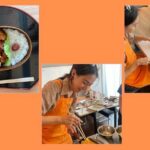
The setting matters too. This takes place in a comfortable apartment near central Osaka, which usually means you’re cooking in a less frantic space than a kitchen built for high turnover. You’ll also get water and tea during the class, plus aprons and digital photos so you have a record of what you made.
The experience is also intentionally timed. You have only three hours, so you need to pay attention and keep moving. If you like a slow, wandering cooking day with lots of pauses, this may feel compact. But if you want useful skills delivered with momentum, it fits well.
You can also read our reviews of more cooking classes in Osaka
The Five Snacks Menu: Techniques in Real Form
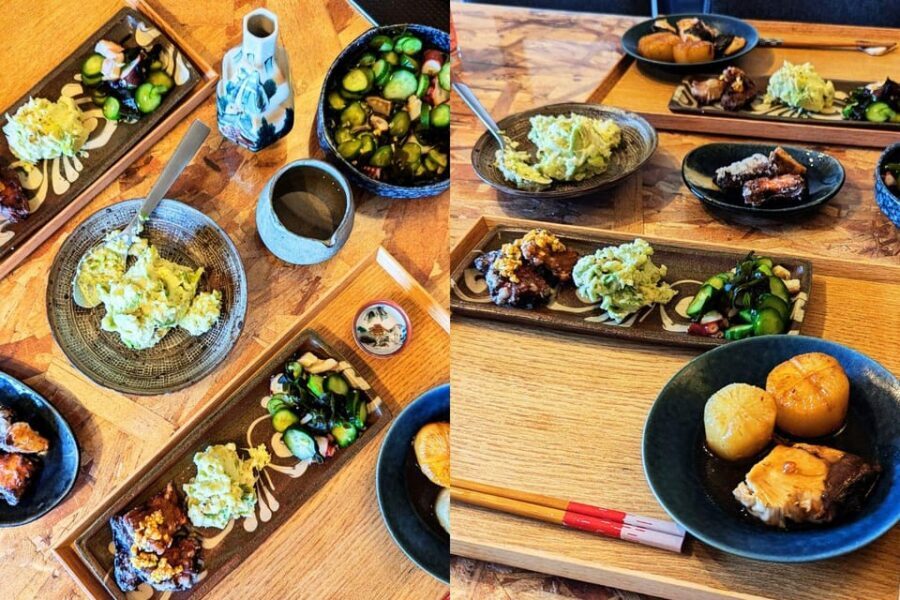
The menu is where the class earns its value. Each dish is a short lesson with a clear purpose: teach a method, then let you apply it immediately. Here’s what each one sets you up to understand.
Wasabi Garlic Potato Salad: Heat Meets Creamy Balance
This is your first dish, and it works as a confidence builder. You’ll make an izakaya-style potato salad with a spicy wasabi punch and a garlic layer that brings depth without turning it harsh. The main skill isn’t fancy plating. It’s balancing bold flavors so the heat doesn’t overpower the potato.
Why this matters for you at home: Japanese potato salads are common in convenience-store lunch culture and izakaya plates, but they can be hard to recreate if you don’t know how much wasabi to use. Doing it in class means you’ll learn the texture and flavor intensity you should aim for, rather than guessing.
Octopus and Cucumber Vinegar Salad: The Art of Tang Without Chaos
Next comes an octopus and cucumber vinegar salad, and it’s one of the standout dishes. The idea is simple: keep it refreshing, keep it balanced, and make the vinegar taste like a tool, not a blunt instrument.
This is also where you get a clearer sense of Japanese pickling-style flavoring. Vinegar isn’t just sour. It’s there to sharpen, brighten, and cut through richness. The cucumber helps, of course, but the dressing balance is the real lesson.
If you like dishes that go well with drinks, this one makes sense. It’s built to reset your palate, so the next bites taste cleaner and more interesting.
Fish Tatsuta-age with Scallion Sauce: Marination That Shows Up in Every Bite
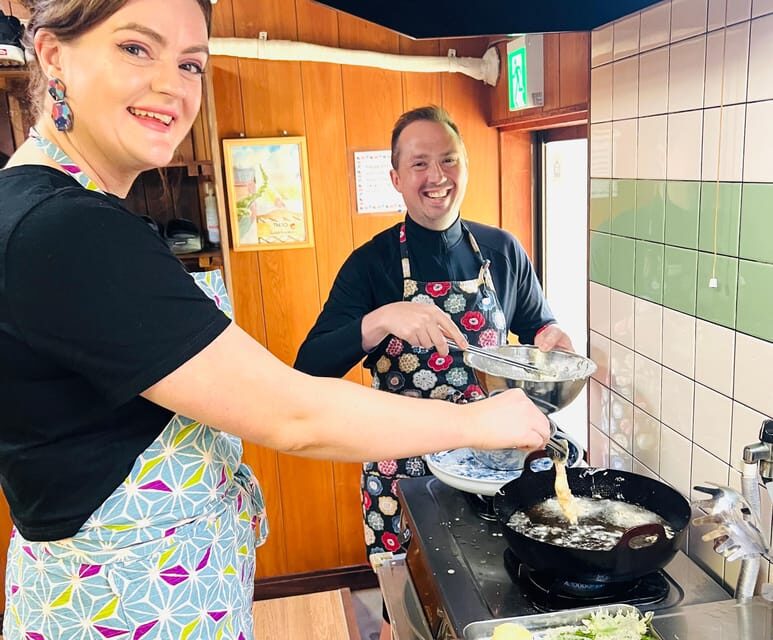
Fish tatsuta-age is all about crisp contrast and flavor that goes deeper than the surface. In this class, you’ll learn to handle the marination process and pair the result with a scallion sauce that keeps everything fresh.
The big takeaway here is how Japanese cooking builds flavor layers. The fish isn’t just seasoned at the end. It’s treated so the taste is part of the bite.
And because this is a classic match for sake, it’s a smart dish to learn if you’re planning to try Japanese drinks later on your trip (or recreate the pairing at home).




Simmered Yellowtail with Daikon: Tender, Not Mushy
This is your simmering-focused dish. Yellowtail and daikon are a great pairing because daikon absorbs flavor while still keeping a pleasant texture if you cook it correctly. The teaching point is timing: getting tender without turning everything into mush.
This dish also helps you understand the logic behind Japanese simmering. It’s not about boiling down aggressively. It’s about gentle cooking that supports a clean taste and a soft finish.
For you, this is practical. If you’ve ever had simmered dishes go wrong at home, it usually comes down to heat level and patience. Here, you get the guidance to make the process repeatable.
Mixed Rice Onigiri: Flavor in the Rice, Control in the Shape
You end with mixed rice onigiri, which is both comforting and surprisingly teachable. You’ll learn how the rice gets seasoned and how you shape it into onigiri that holds together without turning into a messy crumble.
The value here is bigger than snacks. Onigiri is a “base skill” in Japanese home cooking. If you can make it well, you can turn leftover rice into something satisfying. And you can adjust the fillings and flavors to match what you like.
Sake Pairing (Optional): A Simple Lesson You Can Taste
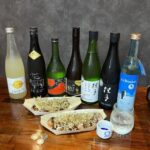
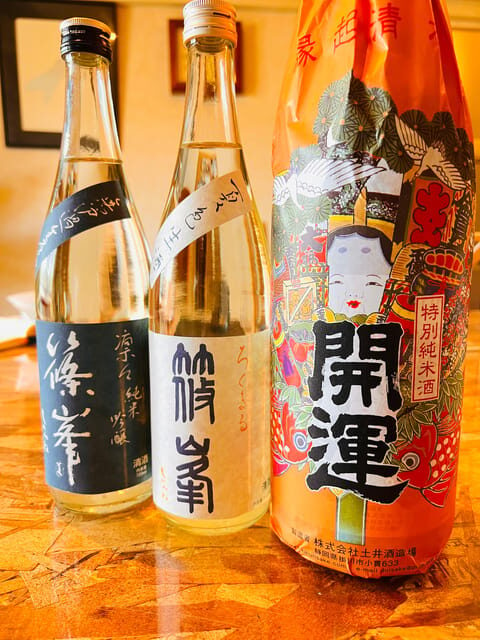
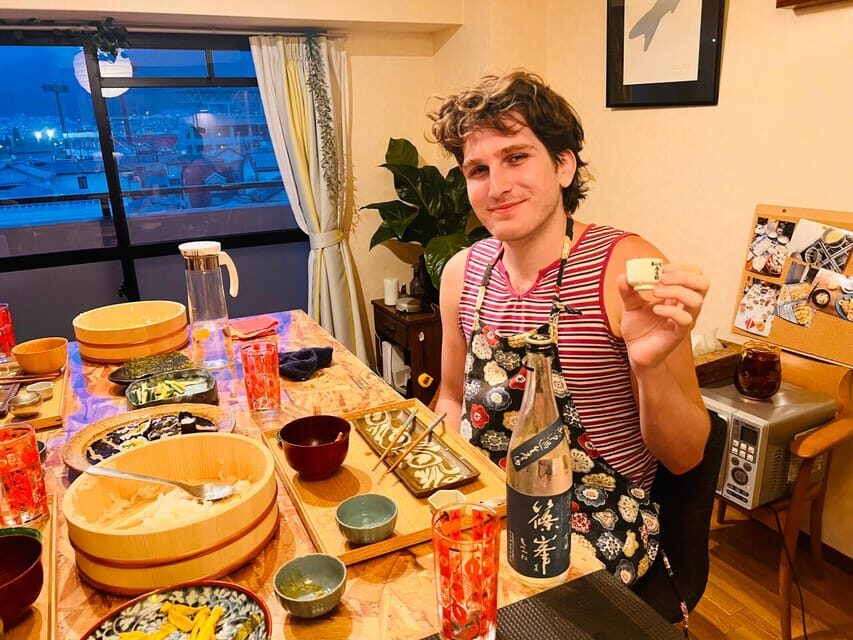
If you choose the premium sake option, you’ll taste three types: two chilled sakes and one warm sake. The two chilled pours compare a Junmai and a Junmai Ginjo from the same brand, which is a clever way to keep the brand character consistent while showing what the label differences do to aroma and flavor. Then you taste one warm sake so you can notice how temperature changes the experience.
This is useful even if you’re new to sake. You don’t need expert vocabulary. You just pay attention to what changes in your mouth and nose when the temperature shifts and when the style shifts. That’s how you learn to order with confidence later.
Practical tip: take a small bite of what you’re eating during each pour. You’re learning pairing logic, not just tasting sake by itself.
Small-Group Cooking in a Central Osaka Apartment
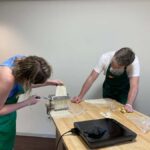
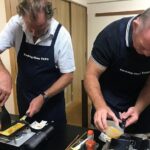
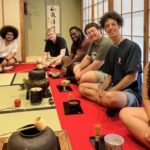
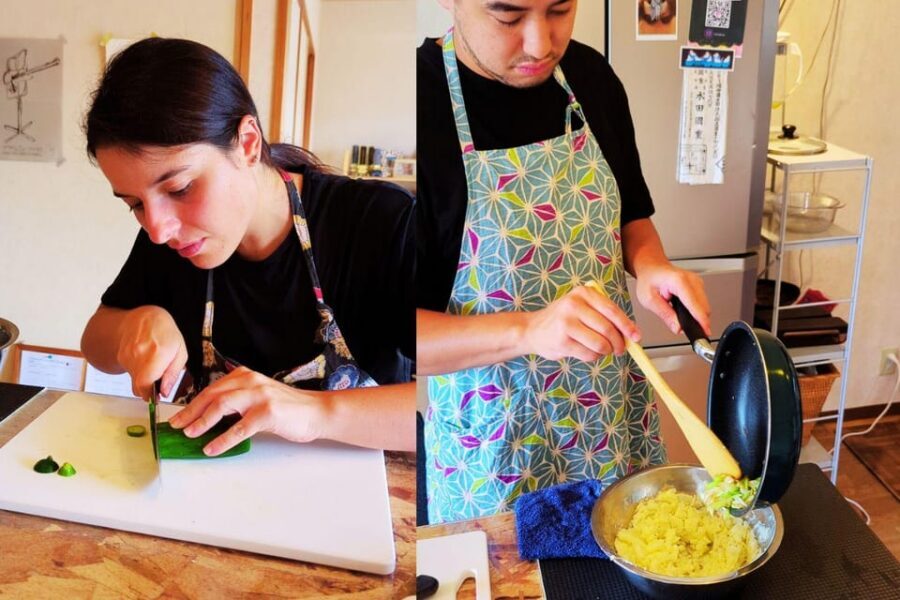
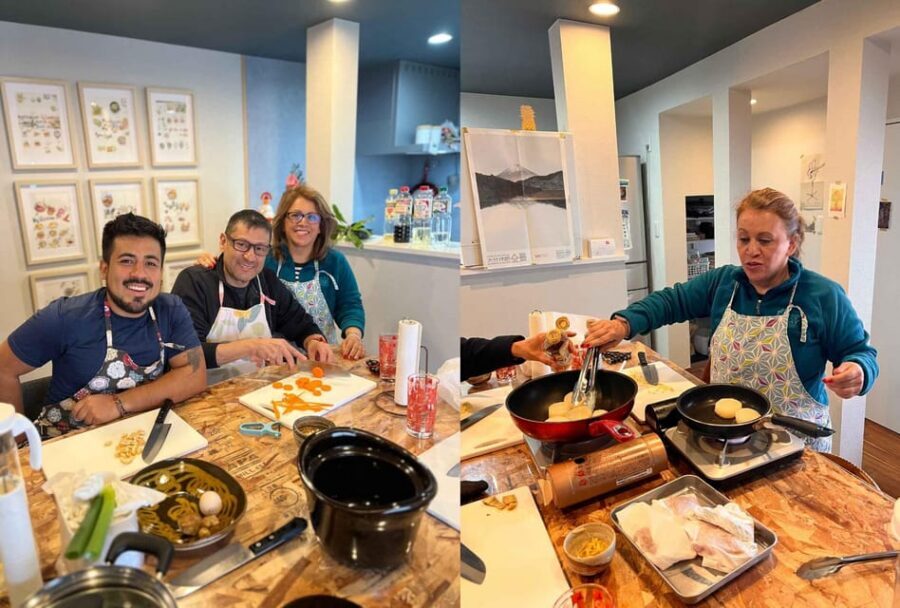
This is limited to 4 participants, which changes everything. You’re less likely to feel like you’re watching from the sidelines. You can ask questions while you’re mid-step, and instruction doesn’t get diluted across a big class.
The vibe is also described as relaxed, with Yuki being attentive and staying engaged. That matters because three hours of cooking can get stressful if the teacher is only rushing forward. Here, the pace feels like it’s built around keeping you on track while still helping you correct mistakes.
You’ll also get cultural insights alongside the cooking techniques. That doesn’t mean a lecture. It’s more like quick context that helps you understand why the technique is used, especially for flavor balance with ingredients like soy sauce, mirin, and sake.
And the class gives you practical support: all ingredients and equipment are included, plus complimentary water and tea.
Price and Value at $109 for 3 Hours
$109 per person is not the cheapest option in Osaka, but you’re paying for a specific setup: a Michelin-trained chef’s instruction, hands-on cooking of five dishes, and a small group size that keeps attention high.
What makes the cost feel fair is what you actually leave with:
- Five dishes you made yourself
- Techniques that connect across multiple methods
- A clear sense of washoku flavor-building with soy sauce, mirin, and sake
- Photos of the experience (nice for memory, useful for recreating what you made)
- Optional sake tasting if you want the pairing lesson
If you come only to eat, you might feel it’s expensive. If you come to learn how Japanese cooking works in real steps, it tends to feel like a good deal. You’re basically buying structured instruction plus a mini menu worth of practice time.
Who Should Book This Class (and Who Might Skip It)
This class is a strong match if you:
- Want authentic washoku snacks, not only popular restaurant staples
- Like hands-on cooking and want techniques you can repeat at home
- Enjoy sake and want a guided temperature comparison
- Prefer small-group attention over a big tour-style workshop
You might skip it if you:
- Want transportation handled end to end (it isn’t included)
- Don’t enjoy a cooking class format that moves at an efficient pace
- Expect a full-day market tour or sightseeing program (this is focused on cooking)
Where It Happens and How Meeting Works
You’ll meet at a location that can vary depending on the option you book. The class is held in an apartment near central Osaka, which is convenient for staying flexible around the rest of your day.
Because transportation isn’t included, plan your route in advance. If you’re using public transit, you’ll want to build in a little buffer so you arrive ready to cook rather than rushing.
If you’re picky about dietary needs, you should tell the organizer about allergies ahead of time. The class can adjust preferences as much as possible.
Should You Book Master Washoku
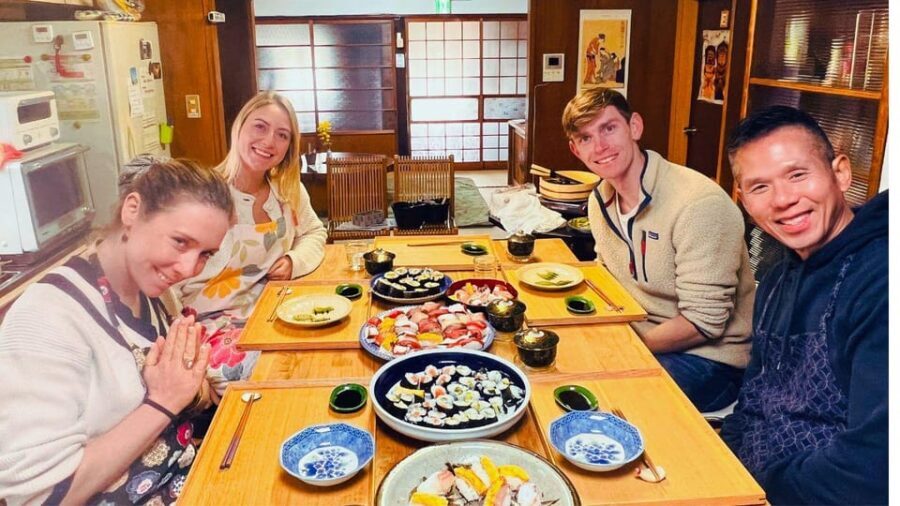
Book it if your goal is to leave Osaka with actual cooking skills: marinating, simmering, and flavor balance using soy sauce, mirin, and sake. The five-snack menu is a smart mix, and the small-group size plus Yuki’s attentive teaching style makes the time feel productive.
Skip it if you’re mainly after a casual meal with zero prep and zero learning. This class is hands-on by design, and it expects you to participate.
If you want, pick the optional sake tasting too. Even if you’re a beginner, it’s a simple way to learn how style and temperature change what you experience.
FAQ
How long is the cooking class?
The class lasts 3 hours.
How many people are in the group?
It’s a small group limited to 4 participants.
What does the class include?
You get expert instruction, hands-on cooking of five authentic Japanese dishes, all necessary ingredients and equipment, cultural insights, water and tea, aprons, and digital photos.
Is sake tasting included?
Sake tasting is optional. If you add it, you’ll taste three premium sakes: two chilled (Junmai and Junmai Ginjo from the same brand) and one warm.
What dishes will I cook?
The menu includes: Wasabi Garlic Potato Salad, Octopus and Cucumber Vinegar Salad, Fish Tatsuta-age with Scallion Sauce, Simmered Yellowtail with Daikon, and Mixed Rice Onigiri.
Where does the class take place?
The experience is in Honshu, Japan, with the class held in a comfortable apartment near central Osaka.
Do I need to bring cooking tools or ingredients?
No. All necessary ingredients and equipment are included, along with aprons.
What languages are used during the class?
Instruction is available in English and Japanese.
What about allergies?
If you have any food allergies, let them know in advance and they will adjust your preferences as much as possible.
Is transportation provided to the venue?
No. Transportation to the venue is not included.
Can I cancel and get a full refund?
Yes. You can cancel up to 24 hours in advance for a full refund.
Can I reserve now and pay later?
Yes. The option is reserve now & pay later, so you pay nothing today.