REVIEW · KANAGAWA PREFECTURE
Hiking Tour in Enoshima with a Local Guide
Book on Viator →Operated by Waku Waku Trip · Bookable on Viator
Enoshima is a stair workout with big views. This walking tour with a local guide turns the island into a simple, story-filled route to sea panoramas and Mount Fuji viewpoints. I like that you get the human part too: English conversation with a guide (Daichi is highlighted for great conversation) makes the stops feel personal, not just scenic. The one real catch is the stairs. You’ll want a moderate fitness level and comfortable shoes.
I also like the value. At about $23 for 3 to 4 hours, you’re not just walking—you’re getting elevator fees and the arcade fees included, plus a small group size (maximum 8). That small-group pace matters on Enoshima, where the path can feel more like a climb than a stroll.
The route is structured around a few key places: an observation area on top, a photo-friendly spot called the Enoshima Sea Candle, a main shrine stop with Omikuji fortune paper and praying, and an arcade called 朝日軒 (射的・スマートボール) if it’s open. One more thing: this experience depends on good weather, so plan with some flexibility.
In This Review
- Key highlights worth planning for
- Why Enoshima feels like a quick escape you can actually do
- Price and timing: what you’re paying for, and where it shows up
- Stop 1: Enoshima Observation Deck and the climb you should expect
- Stop 2: Enoshima Sea Candle for a top-of-the-route viewpoint
- The main shrine stop: Omikuji fortune paper and praying
- The 朝日軒 arcade stop (射的・スマートボール) when it’s open
- How the small-group pace changes the whole experience
- Getting your snacks and downtime right (without losing momentum)
- Before you go: weather, shoes, and realistic expectations
- Who this tour is best for
- Should you book this Enoshima hiking tour or DIY it?
- FAQ
- FAQ
- What’s the duration of the Enoshima hiking tour?
- How much does the tour cost?
- Where do I meet the guide?
- What time does the tour start?
- Does the tour include any tickets or fees?
- Are snacks included?
- Is the arcade stop always available?
- What’s the cancellation policy if weather is bad?
Key highlights worth planning for
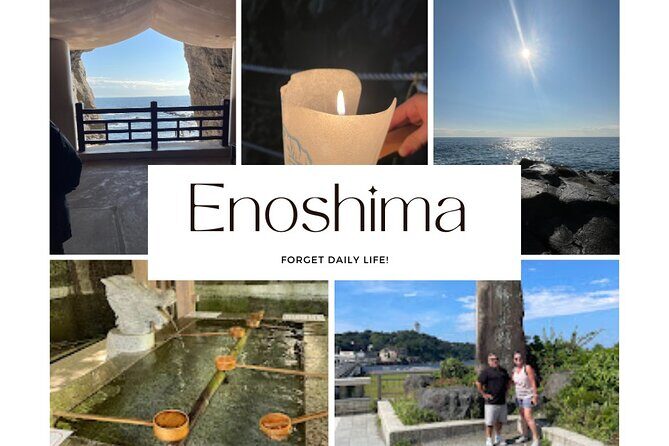
- Small group size (up to 8) keeps the pace comfortable on steep sections
- English-friendly guide time makes the shrine and viewpoints easier to enjoy
- Enoshima Sea Candle gives you a top-of-the-route viewpoint payoff
- Omikuji fortune paper and praying add a real cultural moment
- 朝日軒 arcade includes arcade fees, so you’re not hunting for extra costs
- Elevator fees included helps reduce the stair burden somewhere along the way
Why Enoshima feels like a quick escape you can actually do
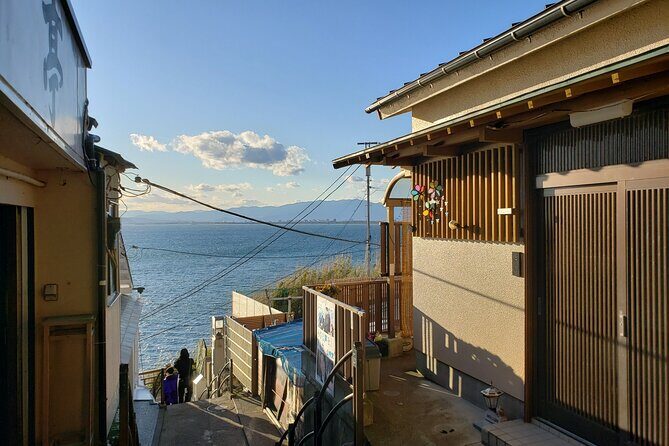
Enoshima sits in Kanagawa Prefecture and works well as a day-trip mood shift. You’re close enough to feel convenient, but the island layout makes it feel like you stepped into a different rhythm. The payoff is a mix: sea air, shrine atmosphere, and lookout points that can look over the water with Mount Fuji in the background on clear days.
This tour focuses on doing the island’s highlights without making you figure out every turn. And that’s the best kind of guided tour: less “museum facts” and more “here’s what you’re looking at and why it matters.”
What I like most for you: the guide doesn’t just point. The conversation piece is strong—people call out excellent English from guides like Daichi—so you can ask questions while the views keep coming.
If you dislike heights or you hate stair-heavy routes, Enoshima can feel like a challenge. But with a guide keeping your pace, it’s a challenge you can manage.
You can also read our reviews of more tours and experiences in Kanagawa Prefecture.
Price and timing: what you’re paying for, and where it shows up
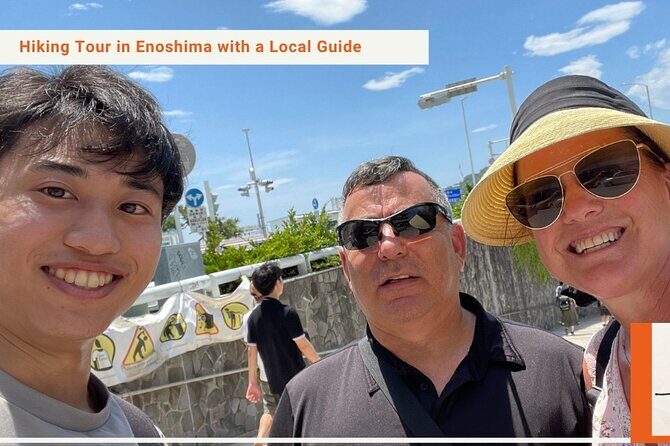
This hike runs about 3 to 4 hours and starts at 9:30 am, returning back to the same meeting point. The meeting point is 1-chōme-14-8 Katasekaigan, Fujisawa, Kanagawa 251-0035, Japan.
You’re paying $23 and getting a lot of practical inclusions:
- arcade fee
- elevator fees
- a local guide to walk the route with you
Not included, you’ll handle on your own:
- snacks (there are shops along the way, and you’ll have time to eat, but it’s pay-yourself)
A small tour like this is priced right when the route would otherwise cost you time and energy figuring things out. Here, the guide reduces guesswork, and the inclusions help avoid that annoying add-on feeling.
One more practical note: it’s a mobile ticket. That’s a simple win if you like keeping things on your phone.
Stop 1: Enoshima Observation Deck and the climb you should expect
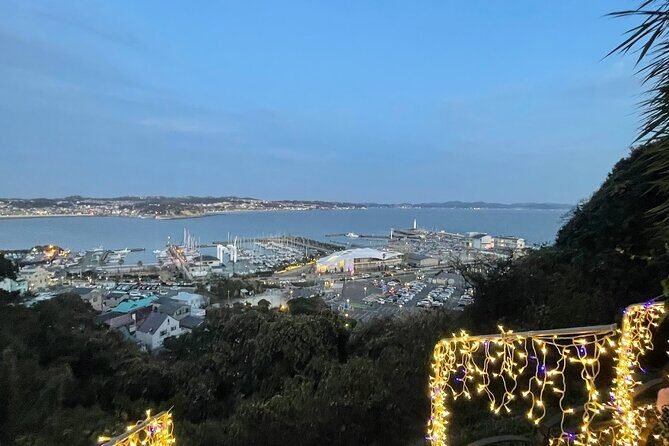
The first big moment is the Enoshima Observation Deck, one of the island’s most famous viewpoints. The structure can be short on paper, but the lived experience includes plenty of walking and climbing. Plan for at least over an hour of moving through this first island stretch.
From here, the view payoff is the point. You get wide sightlines over the sea and the island’s layered terrain. On clearer days, Mount Fuji can show up in the distance, which is exactly the kind of view people travel for.
The real value of having a guide at this stage is pacing. Enoshima’s stairs can stack up quickly. One of the most repeated bits of feedback is how it’s stairs—stairs and more stairs—and that your guide helps you go slow. That patience matters. If you’re traveling with anyone who gets tired easily, a guide who understands the rhythm keeps the day from turning into a stressed sprint.
Potential drawback for you: if you don’t like climbing, you may find the observation deck approach physically demanding. Bring shoes with grip and be ready to pause.
Stop 2: Enoshima Sea Candle for a top-of-the-route viewpoint
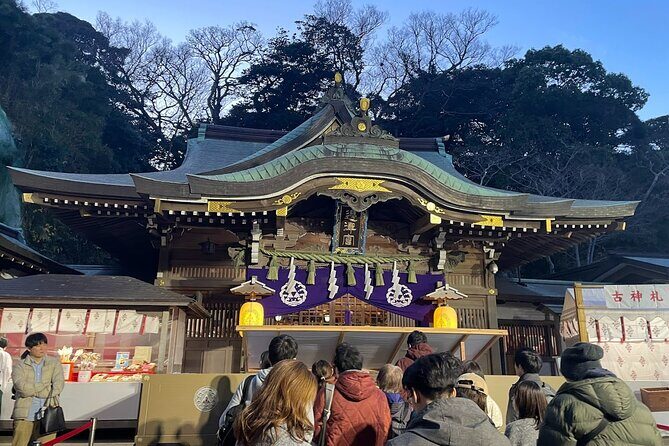
After the first big climbing section, you head to the Enoshima Sea Candle area for another viewpoint moment. It’s listed as a short stop (about 20 minutes), but it’s positioned as a “look up here” payoff.
This is the part of the route where you’re rewarded for staying in motion. The name points to the lookouts that feel elevated, and that’s where you get that classic Enoshima feeling: sea right there, sky up above, and the island’s geometry working in your favor.
If you like photo breaks that actually feel useful, this is a good one. Your guide will help you time your look so you don’t end up stuck at a viewpoint while everyone else is moving.
One caution: if weather is poor, you may not get the same visibility. The tour depends on good weather, so the day-of conditions matter.
The main shrine stop: Omikuji fortune paper and praying
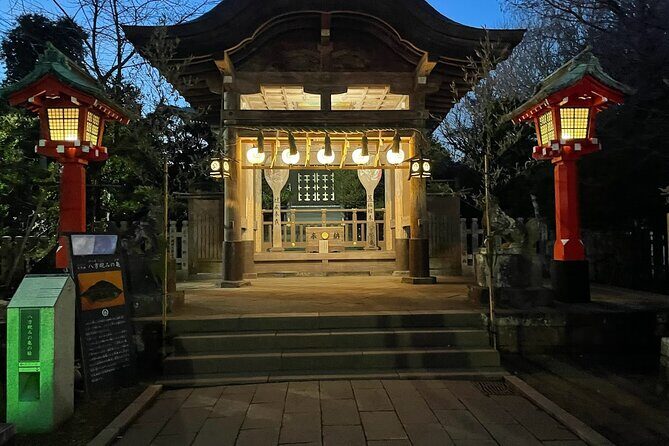
Next up is the island’s main shrine area. This is where Enoshima shifts from views to tradition.
You’ll get a chance to try Omikuji, the fortune paper people draw at shrines. You also get to do Japanese praying as part of the shrine visit. Even if you’re not fluent in Japanese, this is one of the easiest cultural activities to enjoy with a guide. They’ll help you understand when to watch, when to move, and what to do at the key moments.
Why I think this stop is worth your time: it stops the tour from being just a scenic walking loop. Enoshima is a real place with active religious space, not a theme park of viewpoints.
Practical advice for you:
- If you’re curious about what your Omikuji says, ask your guide rather than guessing.
- Give the shrine area a little patience. People move slowly there for a reason.
Also, it’s a nice moment to rest your legs before the final portion.
The 朝日軒 arcade stop (射的・スマートボール) when it’s open
At the end, you have a fun wildcard: 朝日軒 (射的・スマートボール). It’s a traditional-style arcade stop where you can try shooting and smart ball games.
The tour includes the arcade fee, which is great because it keeps the budget predictable. There’s one big condition though: if it’s not open when you arrive, you may not be able to go in that day. So think of this stop as a bonus if the timing works.
Even if you’re not an arcade person, this is a useful culture-to-life bridge. It’s casual. It’s local leisure. And it gives you something hands-on after the walking.
If you do go in, keep it simple. One or two games is usually enough to enjoy the atmosphere without turning the tour into a long detour.
How the small-group pace changes the whole experience
This tour caps at 8 travelers, and it shows. On Enoshima, spacing matters because stairs funnel people into slow lanes. With a small group, you’re less likely to get stuck behind someone who moves at a different pace. Your guide can also make micro-decisions—wait here, move now—based on how everyone is doing.
One thing that stands out in the experience vibe is how guides help you slow down. That’s not just about comfort. It also changes how you enjoy the views. When you’re breathing hard and rushing, you barely register what you’re looking at. When you’ve got a patient guide, you notice the sea angles, the change in elevation, and the way the island’s paths connect.
If you’re the type who likes to talk, you’ll probably enjoy this more than a strict sightseeing loop. Guides are described as having excellent English conversation skills, including Daichi, so you can get context while you walk.
Getting your snacks and downtime right (without losing momentum)
You’ll have time to eat. There are shops lined up along the road on Enoshima, and you can walk around grabbing snacks. But you should budget that part separately because snacks are not included.
My suggestion: treat food as fuel, not a full meal stop. Grab something quick, sit for a few minutes if you need it, and then keep the day moving. That keeps you from arriving late to the later points, especially the arcade if it’s open.
Also consider water. The route is stair-heavy and part of the day is outdoors. The tour requires moderate physical fitness and depends on weather, so hydration helps you enjoy the viewpoints instead of just surviving the climb.
Before you go: weather, shoes, and realistic expectations
Weather is a real factor. This experience requires good weather, and if conditions are poor, you’ll be offered a different date or a full refund. That means your best-view scenario depends on visibility and timing.
Shoes matter here. Stairs on an island path can be slippery and steep. Wear something with grip, and avoid shoes that you feel unsure about on uneven ground. Bring layers too. Coastal weather can shift.
Expect a day that’s more active than you might think from the word “hiking.” This isn’t a mountain expedition. It’s an island route with lots of vertical movement.
And mentally, it helps to accept the rhythm: climb, look, move, shrine pause, climb again, then finish with fun.
Who this tour is best for
You’ll likely love this if you:
- want an easy-to-follow Enoshima route without navigating alone
- enjoy cultural stops like shrines and Omikuji, not just sightseeing photos
- don’t mind stairs and are comfortable with moderate walking
- like the idea of an English-speaking guide who chats as you go
It may feel less ideal if you:
- hate stair-heavy routes
- expect a fully relaxed stroll with minimal physical effort
- need guaranteed access to the arcade regardless of hours
Because the group is small and the route is short enough to fit a morning-to-afternoon window, it’s a strong choice for first-time visitors who want maximum Enoshima for the time.
Should you book this Enoshima hiking tour or DIY it?
If you’re deciding between doing Enoshima on your own and booking this, here’s the clean way to think about it.
Book it if:
- you want a guided route that links viewpoints with shrine meaning
- you value English conversation with a guide like Daichi
- you’d rather not pay attention to elevator and arcade fees planning
- you want a small-group pace that helps you manage the stairs
DIY it if:
- you’re comfortable planning your own route and timings
- you don’t need help understanding Omikuji and shrine etiquette
- you’d rather spend your time exactly how you want, even if it becomes less efficient
My take: if this is your first time on Enoshima, the guide makes the experience smoother and more meaningful. When your time is limited, a structured route with practical inclusions is usually a better deal than “winging it.”
FAQ
FAQ
What’s the duration of the Enoshima hiking tour?
The tour runs about 3 to 4 hours.
How much does the tour cost?
The price is $23.
Where do I meet the guide?
You meet at 1-chōme-14-8 Katasekaigan, Fujisawa, Kanagawa 251-0035, Japan, and the tour ends back at the meeting point.
What time does the tour start?
The start time is 9:30 am.
Does the tour include any tickets or fees?
Yes. Admission is free for the observation deck and included for the Sea Candle stop. Elevator fees and the arcade fee at 朝日軒 are also included.
Are snacks included?
No. There are shops along the way, and you’ll have time to eat, but you pay for snacks yourself.
Is the arcade stop always available?
It depends on whether 朝日軒 is open when you arrive. If it’s not open, the tour may not be able to go that time.
What’s the cancellation policy if weather is bad?
There’s free cancellation up to 24 hours in advance for a full refund. The experience requires good weather, and if it’s canceled due to poor weather, you’ll be offered a different date or a full refund.