REVIEW · AOMORI PREFECTURE
Hirosaki 6hr Private Tour with Government-Licensed Guide
Book on Viator →Operated by Japan Guide Agency · Bookable on Viator
Hirosaki is quieter, and better on foot. This 6-hour private tour pairs a licensed English-speaking guide with customizable stops you can shape around your interests. One catch: entrance fees, lunch, and transportation costs are on you, and it’s a walking-first route.
I like the focus on interpretation, not just photos. When the guide is someone like Tomohiko Kudo, you get that calm, friendly pacing that makes history feel understandable instead of like a lecture.
You’ll also get the small helpful touches—mobile ticket, near public transportation, and pickup that’s done by meeting on foot in the area. Just come ready to walk between sites and plan your own tickets.
In This Review
- Key highlights worth planning around
- A private, walk-first way to see Hirosaki
- Entering Hirosaki Castle: 1611, moats, and the tower
- Neputa culture at Tsugaruhan Neputa Mura
- Fujita Memorial Japanese Garden: 1919 calm and two-part design
- Former family residences: Sekigahara to everyday power
- Otemon Square: the castle entrance “starting line”
- Price and what you’re really paying for
- Logistics that can make or break your day
- Timing: how 6 hours usually feels
- Who should book this tour
- Should you book this Hirosaki Private Tour?
- FAQ
- What’s included in the tour price?
- Are entrance fees included?
- Is lunch included?
- How long is the tour?
- Is this tour private?
- Do I need to arrange my own transportation?
- Can I customize which sites I visit?
- Does the tour involve walking?
- Are there group discounts or a mobile ticket?
- What’s the cancellation policy?
Key highlights worth planning around
- Choose 3–4 sites for your exact day so you don’t get stuck in a preset checklist
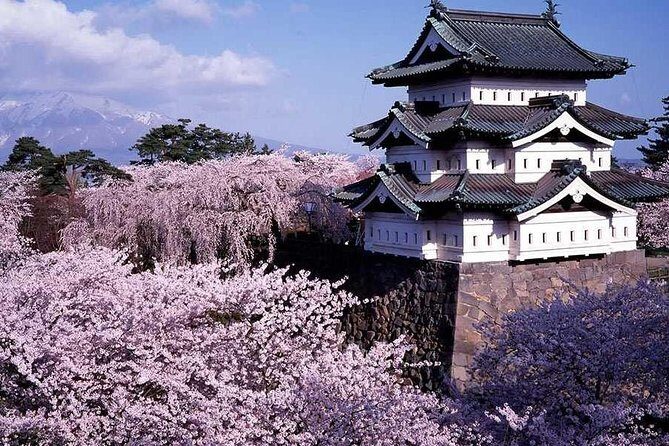
- Hirosaki Castle built in 1611 with moats, gates, and a three-story tower (surviving/reconstructed parts)
- Neputa Matsuri context at Tsugaruhan Neputa Mura so the festival makes sense beyond the big floats
- Fujita Memorial Japanese Garden from 1919 designed in a traditional landscape style and split into two main areas
- Former family residences tied to Sekigahara (1600) and how the Tsugaru clan secured authority through the Edo period
- Otemon Square as your orientation point across from the castle’s main entrance gate
A private, walk-first way to see Hirosaki
This tour is designed for people who want more than a “drive-by culture stop.” You’re with a licensed local English-speaking guide, and only your party joins—so the pace and order can follow your interests rather than a group schedule.
What makes it practical is the “3–4 sites” structure inside a 6-hour window. You get enough time to actually look, ask questions, and absorb details, without sprinting from one ticket line to the next. That balance is especially important in Japan, where transit and entrance tickets add up fast.
The walking element is real. Meet up is on foot within a designated area, and there’s no private vehicle included. If you like comfortable shoes and a relaxed pace, you’ll feel right at home.
You can also read our reviews of more guided tours in Aomori Prefecture
Entering Hirosaki Castle: 1611, moats, and the tower

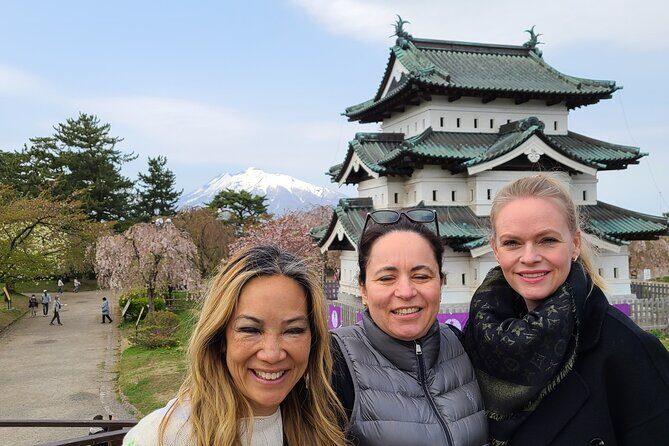
Hirosaki Castle is the anchor of the day, and it’s a strong one. The castle dates to 1611, built by the Tsugaru clan, and you’ll see a three-story tower plus fortified moats, gates, and corner turrets (yagura). Some structures survive, while others were reconstructed—so you’re looking at both the original legacy and later restoration choices.
Why this stop matters on a private format: you don’t just read a plaque and move on. A good local guide helps you connect the castle to the people who built and defended it, and to the broader Edo-era setup that shaped Hirosaki’s identity. You’ll also spend about an hour here, which is long enough to walk the grounds and still keep your energy for the later residences and garden.
A practical note: admission tickets are not included. So think ahead—if you want photos, plan your ticket purchase so you’re not stuck figuring it out mid-walk.
Neputa culture at Tsugaruhan Neputa Mura

Next up is Tsugaruhan Neputa Mura, a museum focused on Hirosaki’s famous Neputa Matsuri. If the festival floats have always looked cool to you but you never learned what they mean, this is the point where it clicks.
You’ll spend about an hour learning how the museum presents the festival, and also how it introduces other local cultural specialties. The advantage of a guided visit is that you can ask what to notice—symbols, themes, and the way the festival connects to community life—without feeling lost.
Again, you’ll want to budget for admission tickets, since they’re not included. If you’re traveling in a season when festivals aren’t happening, this stop becomes even more valuable because it gives you the “festival brain” you can carry into the rest of the day.
Fujita Memorial Japanese Garden: 1919 calm and two-part design
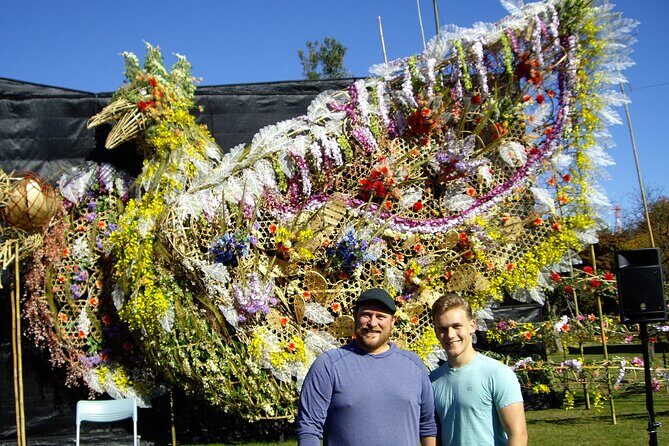
Then you shift from city landmarks into slower, quieter time with the Fujita Memorial Japanese Garden. It was built in 1919 in the style of a traditional Japanese landscape garden, and it’s designed with two main parts.
This matters because the layout affects how you experience the space. A guided visit can help you understand how the garden’s design nudges your walking path and your sightlines—what you should notice first, and what you’ll likely see from different angles as you move through.
You’ll have about an hour here. That’s usually the sweet spot for a garden visit on a day packed with history, since you’re not rushing through looking for a single photo spot.
Admission tickets aren’t included, so bring a little flexibility. If you’re the type who likes to linger, factor in a few extra minutes beyond the hour to enjoy the garden pace.
Former family residences: Sekigahara to everyday power
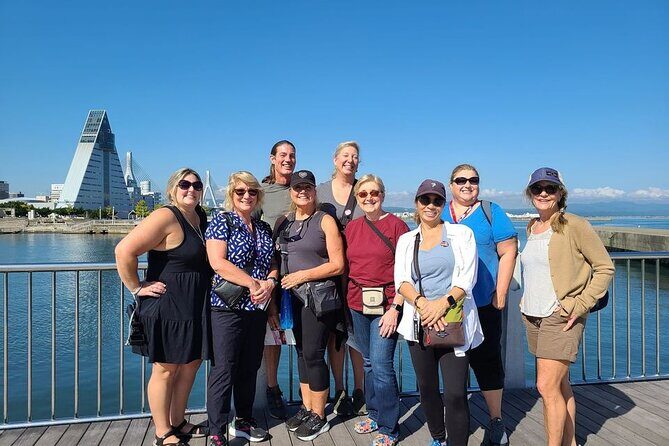
One of the most interesting parts of this day is the cluster of former residences tied to the Tsugaru clan’s rise. You’ll visit several historic homes connected to the Edo period power structure—Former Ito Family Residence, Former Umeda Family Residence, Former Iwata Family Residence, and Ishiba Residence.
Each of these places points to the same big turning moment: when the Tsugaru clan sided with Tokugawa Ieyasu at the battle of Sekigahara in 1600. That choice helped secure their authority as feudal lords in Hirosaki for about 250 years during the Edo period.
Here’s where a private guide really earns their keep. Houses like these can look similar at first glance, especially if you’re not sure what features matter. A guide can help you connect the architecture and setting to the political story—why these families had influence, how power was displayed, and how the Edo period shaped daily life.
You’ll spend around an hour at each stop. That can feel like a lot, so it’s smart to keep an eye on what you’re most curious about:
- Are you drawn to how status was expressed through space?
- Or do you prefer the broader story of rule and alliances?
Because the tour is customizable, you can also choose whether to emphasize the residences or swap them for other interests within the offered set.

Otemon Square: the castle entrance “starting line”
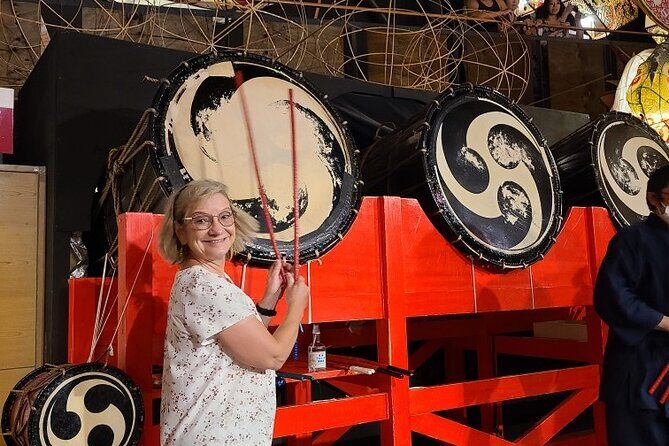
Right after the deeper history stops, you’ll end with Otemon Square (Ōtemon Hiroba). The square is named after and located across from Hirosaki Castle’s main entrance gate, and it’s designed as a stepping-off point for visitors.
This is a useful final moment because it helps you reassemble the day in your mind. After multiple historic sites, you get to look back at the castle entrance area and make sense of the spatial relationship—where everything sits and how visitors flow.
The visit is short—about 15 minutes—so don’t expect a long museum experience here. Think of it as your orientation and photo break, not your final “big learning” stop.
Price and what you’re really paying for
At $153.50 per person for about 6 hours, this tour sits in the “serious sightseeing” bracket. The value depends on what you want out of Hirosaki.
If you love castles, gardens, and old residences, you’ll likely feel good about the cost because you’re covering several major sites with interpretation. Private guiding isn’t just about being alone—it’s about making the time between stops count. Without a guide, you can still visit these places, but you’d have to stitch together the stories yourself.
Also important: entrance fees, lunch, and transportation fees are not included. So add a realistic budget for tickets plus food. The more you spend on admissions, the more you’ll appreciate having the guide set the priorities and explain what’s most worth your attention.
One more value factor: group discounts and a mobile ticket are offered. I can’t tell you how the discount is calculated from your details, but the key point is that the provider is set up for smoother logistics than a lot of small private tours.
Logistics that can make or break your day
This tour is near public transportation, which is helpful. But because pickup at Aomori isn’t included, you’ll want to plan how you’ll reach the meet-up area in Hirosaki. Since pickup is done on foot within a designated area, you shouldn’t assume a car will bring you to the first stop.
The tour also isn’t set up as a “private vehicle day.” You’ll walk. That means you should dress for your shoes first, weather second, and everything else third.
Finally, guide entry fees are only covered for the sights included for your chosen set. That lines up with the fact that entrance tickets aren’t included for you either. In plain terms: have your ticket strategy ready before you start paying for things one by one.
Timing: how 6 hours usually feels
With 1 hour at each of the major sites (castle, Neputa museum, garden, and the residences) plus shorter time at Otemon Square, you can see how the “3–4 sites” choice matters. If you do the full set of four longer stops, you’ll likely have a very full day. If you pick fewer long stops, you may have breathing room for extra viewing time.
This is why customization is more than a marketing line. It lets you match Hirosaki to your energy level and your curiosity.
If you’re traveling with anyone who gets tired easily, this format is still workable because you can choose fewer sites. If everyone in your group is history-leaning and loves architecture, you can push toward more stops within the time window.
Who should book this tour
This private tour is a great fit for:
- People who want a guide-led explanation of castle, festival culture, and Edo-period stories
- Anyone who likes flexible sightseeing rather than a fixed route
- Groups who can comfortably walk for about 6 hours
- Families or solo travelers who value a licensed English guide and a calm pace
It may be less ideal if:
- You want a car-based tour with minimal walking
- You’re hoping entrance fees and lunch are included
- You don’t want to manage your own ticket purchases
Should you book this Hirosaki Private Tour?
I’d book it if you’re the type who notices details: rebuilding choices at a castle, how a festival museum frames meaning, or how political turns show up in family residences. The private, English-speaking guide angle makes these places easier to understand and more fun to revisit in your photos.
I’d think twice if you hate walking days or you’re trying to keep costs very tight, because entrance fees and lunch aren’t included. Still, if you plan a realistic ticket + meal budget, the guide-led pacing and the freedom to pick 3–4 sites can make the price feel fair.
FAQ
What’s included in the tour price?
You get a licensed local English-speaking guide and a customizable tour choosing 3–4 sites. You also meet up with the guide on foot within the designated area in Hirosaki.
Are entrance fees included?
No. Entrance fees for the castle, museum, garden, and residences are not included.
Is lunch included?
No. Lunch isn’t included.
How long is the tour?
It runs for about 6 hours.
Is this tour private?
Yes. It’s private, meaning only your group participates.
Do I need to arrange my own transportation?
Transportation fees are not included, and a private vehicle is not part of the service. The tour is near public transportation, and pickup at Aomori is not included.
Can I customize which sites I visit?
Yes. You can customize your day by choosing 3–4 sites from the listed options.
Does the tour involve walking?
Yes. This is a walking tour, and pickup is on foot within the designated area.
Are there group discounts or a mobile ticket?
Group discounts and a mobile ticket are listed as features of the experience.
What’s the cancellation policy?
Free cancellation is available. You can cancel up to 24 hours in advance for a full refund; cancellations less than 24 hours before the start time aren’t refunded.