REVIEW · AOMORI PREFECTURE
Culinary Home Cooking with Grandmothers – Vegan Friendly
Book on Viator →Operated by BASAMA's Kitchen · Bookable on Viator
Family-style cooking in Aomori starts fast. You sit at the same table as everyone else while you learn seasonal dishes from local grandmothers in a cozy home kitchen setting. It’s Aomori through food: winter snow, summer growing seasons, and recipes passed down with real warmth.
I especially love the hands-on format. You’re not watching from the sidelines; you’re washing, cutting, and seasoning ingredients right alongside the people teaching you. I also love how naturally plant-based the meal is, with options that work for vegan, vegetarian (including Oriental Vegetarian), and gluten-free diners.
One thing to plan: transportation to Mutsu-Tsuruta Station (JR Gono Line) isn’t included, so you’ll want to handle getting to the area before the class.
In This Review
- Key things to know before you cook
- Your Aomori home-kitchen lesson starts with one shared table
- Meeting in Maeda Tsuruta: show up rested and ready to cook
- A quick Aomori geography and climate talk before you cook
- Hands-on cooking with keno-jiru and onigiri basics you can reuse
- How the vegan-friendly menu actually works in practice
- Lunch at the one-table finale: eating with stories attached
- Value: what $78 buys you in Aomori
- Who this Aomori grandmother cooking class fits best
- Quick FAQ for planning your visit
- FAQ
- How long is the culinary home cooking experience in Aomori?
- What dishes will I help cook?
- Is the menu vegan and gluten-free?
- Who teaches the class?
- What’s included in the price?
- Where do I meet for the tour?
- Is getting to the station included?
- Should you book this vegan-friendly grandmother cooking class?
Key things to know before you cook
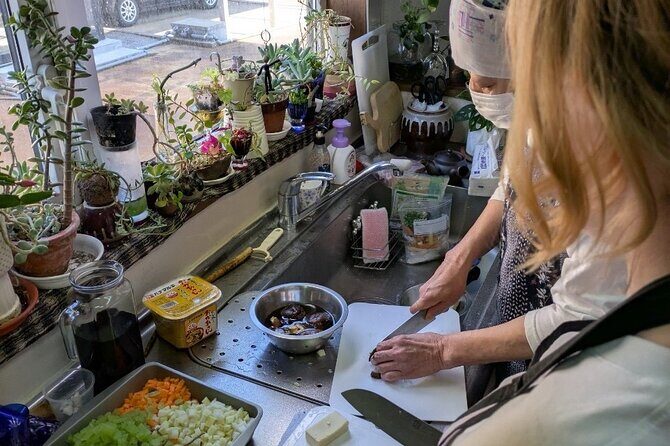
- Cook side by side with local grandmothers instead of doing a quick demo
- Plant-based menu built in for vegan, gluten-free, and vegetarian needs
- Aomori’s climate lesson first, so the food makes sense right away
- Simple techniques for washing, cutting, and seasoning Japanese-style ingredients
- Comforting dishes on the menu, like keno-jiru and onigiri, plus seasonal sides
- A shared lunch at one table ends the experience with community energy
Your Aomori home-kitchen lesson starts with one shared table
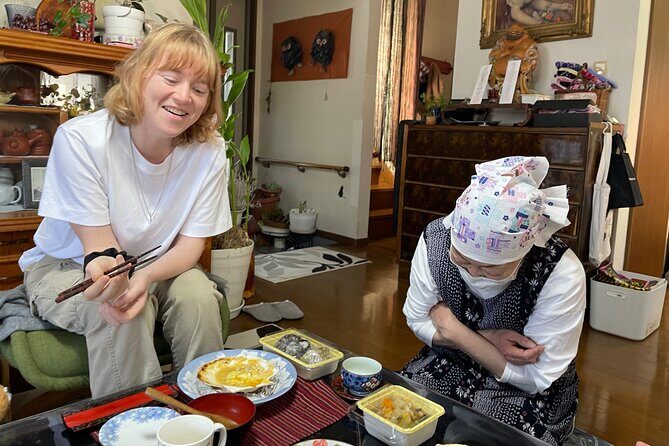
This class is built around a simple idea: one meal, shared by everyone. You’ll step into a warm kitchen in Aomori Prefecture and spend about 3 hours cooking and eating together. The vibe is family-level hospitality, not stiff classroom energy, and that matters because you’ll learn more when people feel relaxed with you.
The best part is how the “together” theme stays real. Even with dietary differences, the meal is designed so you’re eating the same core Japanese comfort foods, not separate plates made elsewhere. That’s part practical and part deeply cultural, because food in Japan often lives in the space between home routines and seasonal changes.
If you’re the kind of person who likes cooking but hates complicated instructions, this format should feel friendly. You’ll be guided step by step by English-speaking support (and a kitchen team focused on helping you actually succeed), and you’ll go home with methods you can repeat.
You can also read our reviews of more tours and experiences in Aomori Prefecture.


Meeting in Maeda Tsuruta: show up rested and ready to cook

The experience meets at Maeda Tsuruta, Kitatsugaru District, Aomori 038-3503, Japan. It starts at 11:00 am and ends back at the meeting point. The listing notes it’s near public transportation, and you’ll use a mobile ticket for check-in.
Plan to arrive a little early so you can settle in and get your bearings before the cooking begins. When a kitchen activity starts on time, there’s no slow drift into the lesson—people start working, knives come out, and suddenly you’re in motion.
Also, handle your travel to the area thoughtfully. Transportation to Mutsu-Tsuruta Station (JR Gono Line) isn’t included, so you should be ready to get there on your own. If you’re already comfortable navigating local trains, this is easy. If not, give yourself extra time and avoid the last-minute rush.
Finally, this is a private activity, meaning only your group participates. That’s a big deal in a home setting. It can make the atmosphere more personal, and it often means the hosts can respond faster to your questions.
A quick Aomori geography and climate talk before you cook
Before you start chopping, you’ll get an intro to Aomori’s geography and climate and how local traditions connect to food. This isn’t trivia for trivia’s sake. It’s a way to understand why Aomori cooking feels the way it does: winter conditions push the need for warm, comforting meals, while growing seasons influence what shows up on plates.
You’ll specifically hear about the shift between snowy winters and lush summers. Even if you’re only in town for a short visit, that framing helps you read the menu like a local would. Seasonal ingredients stop feeling random and start feeling like a plan.
If you’re the type who hates cooking classes that treat recipes like isolated instructions, this start will make you feel oriented. You’re learning not just how to make the food, but why the food belongs to this place.
Hands-on cooking with keno-jiru and onigiri basics you can reuse
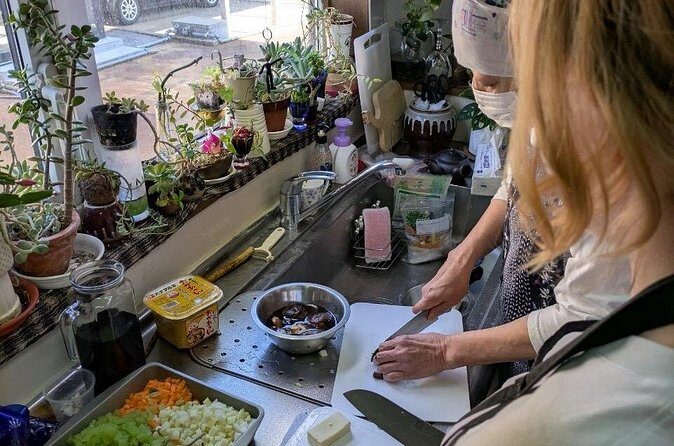
After the intro, you’ll cook side by side with the grandmothers. Expect practical guidance, especially around the fundamentals: washing, cutting, and seasoning ingredients in ways that match Japanese home cooking.
The class menu includes comforting local dishes such as keno-jiru (vegetable miso soup) and onigiri rice balls, plus seasonal sides. The exact menu can vary by season and what ingredients are available, so don’t assume you’ll get the exact same selection year-round. That said, you can still count on the same cooking rhythm: prepare ingredients, build flavor simply, and finish into something you’ll want seconds of.
A big reason these dishes are taught here is that they’re approachable. Miso soup teaches seasoning balance without requiring advanced technique. Onigiri gives you a satisfying, hands-on goal—rice shape and fillings—without needing complicated equipment. The seasonal sides add variety, so your plate doesn’t feel like one-note training.
One more practical point: a lot of home cooking success is about prep discipline. When the instructions focus on cutting style, how ingredients are prepped, and how seasoning is handled, you end up with transferable skills. That’s what makes this class worth more than a meal you eat once.
How the vegan-friendly menu actually works in practice
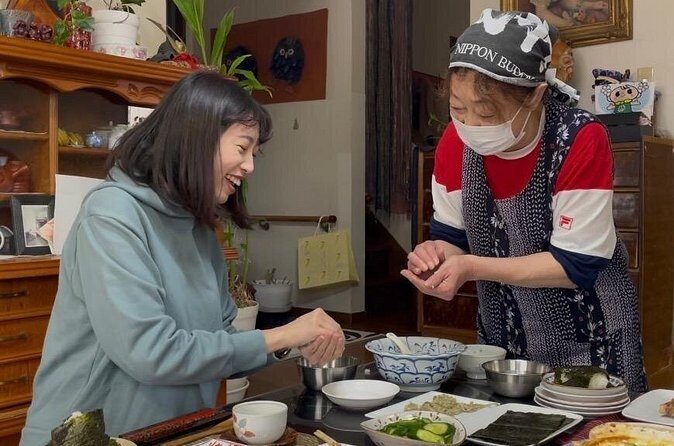
The meal is naturally plant-based and presented as inclusive for multiple dietary needs. The information you’re given highlights that it works for vegan diners and is also free from common restrictions, including gluten-free. It also lists vegetarian, including Oriental Vegetarian.
What this likely means for you in the kitchen: you don’t need to worry about your dietary needs being treated as an afterthought. Instead, the course is built around ingredient choices that fit the group. You’re still learning Japanese flavors—miso-based soup, rice comfort, and seasonal sides—just without animal-based components.
This kind of menu planning matters even if you’re not vegan. Many Japanese dishes rely on dashi flavoring or animal-based stocks, so having a menu that stays aligned with restrictions removes stress. You can focus on learning the techniques rather than playing dietary detective.
And then there’s the social part: everyone gathers around one table and shares what you cooked. That shared meal is where dietary differences stop being a problem and start being part of the conversation.
Lunch at the one-table finale: eating with stories attached
Once cooking is done, everyone gathers to share the meal. You’ll eat the homemade lunch you prepared together, and the grandmothers share stories and wisdom while the food is on the table. That “stories while eating” rhythm is classic home dining: the conversation keeps moving because the food keeps people present.
Based on the feedback you’ll see from people who do this, the strongest emotional note is the kindness. The grandmothers don’t just teach steps; they teach through attention. Many diners describe the feeling as close to being welcomed like family—gentle guidance, lots of conversation, and real encouragement during cooking.
If you’re worried about language, take heart. English-speaking support is included, and the class is designed so international participants can follow along comfortably. You’ll still hear Japanese in the kitchen, but the structure is built for comprehension, not confusion.
One small thing to remember: since ingredients and menu items can vary by season, the exact plates may differ from what you expect from another visit. That’s normal for a seasonal home-cooking class, and it can be part of the charm. You’re tasting what the kitchen can make well right now.
Value: what $78 buys you in Aomori
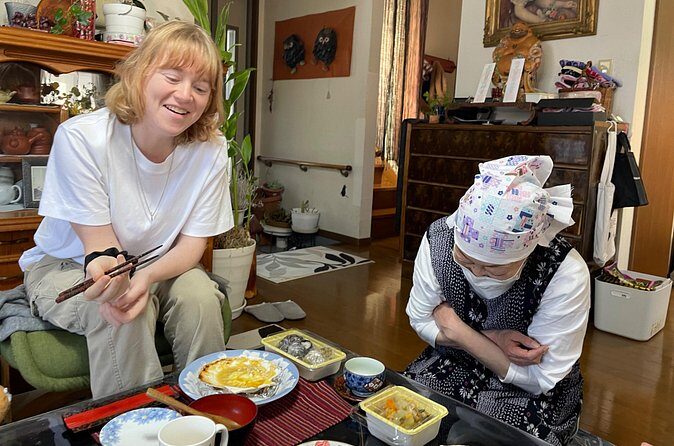
At $78.04 per person for about 3 hours, you’re paying for more than food. You’re paying for access to a home-style kitchen experience with grandmothers, English-speaking support, and a full meal made from ingredients and utensils handled for you.
Cooking classes that only include a short demonstration often feel overpriced because the participant time is limited. Here, you spend actual time chopping, seasoning, and building dishes. That turns the class into a skill experience, not just a cultural lunch.
You’re also getting meal value baked into the ticket. The included lunch is homemade and reflects what you cooked together—so you’re not buying ingredients and figuring out the rest later. The class includes a welcome drink on arrival too, which helps the whole thing feel like a real hospitality exchange.
If you’re someone who loves Japanese food but wants something beyond restaurants, this is a practical way to learn. You’ll leave with a clearer sense of how local ingredients become comfort meals, and with cooking steps you can repeat at home.
Who this Aomori grandmother cooking class fits best
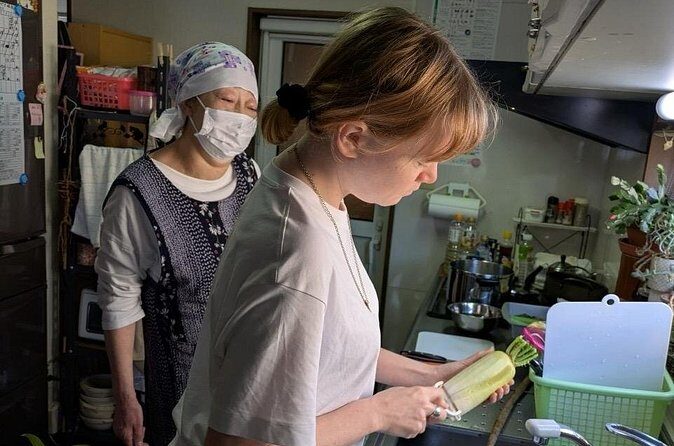
This tour fits you well if you want hands-on cooking, plant-based Japanese comfort food, and a cultural conversation that feels human. It’s especially appealing if you:
- want vegan-friendly or gluten-free options without separate meals
- enjoy learning techniques like prepping vegetables and seasoning miso-based dishes
- like stories and social time, not just finishing a task quickly
- prefer smaller, more personal settings in a home kitchen
It might not be the best fit if you’re looking for a high-energy sightseeing itinerary. This is about the kitchen, the table, and the connection. You’ll spend your time cooking and eating, not hopping between locations.
Also, because the menu can shift with seasons and ingredient availability, you should go with curiosity rather than a fixed expectation of what you will definitely cook that day.
Quick FAQ for planning your visit
FAQ
How long is the culinary home cooking experience in Aomori?
It lasts about 3 hours.
What dishes will I help cook?
The class includes local dishes such as keno-jiru (vegetable miso soup), onigiri rice balls, and seasonal sides. The exact menu may vary by season and available ingredients.
Is the menu vegan and gluten-free?
Yes. The menu is naturally plant-based and free from common restrictions, including vegan and gluten-free. Vegetarian options, including Oriental Vegetarian, are also supported.
Who teaches the class?
You cook with local grandmothers. An English-speaking host or guide is also included.
What’s included in the price?
The price includes a welcome drink, the hands-on cooking experience, all ingredients and utensils, and the homemade lunch you prepare together.
Where do I meet for the tour?
The meeting point is Maeda Tsuruta, Kitatsugaru District, Aomori 038-3503, Japan, and the activity ends back at the meeting point.
Is getting to the station included?
No. Transportation to Mutsu-Tsuruta Station (JR Gono Line) is not included, so you’ll need to make your own way there.
Should you book this vegan-friendly grandmother cooking class?
If you want a Japanese cooking experience that’s truly shared at one table, this is an easy yes. The combination of hands-on cooking, an inclusive plant-based menu, and real home-kitchen storytelling is exactly the kind of activity that makes a short trip feel longer in the best way.
Book it if you care about dietary comfort, want to learn practical prep and seasoning techniques, and like the idea of spending an afternoon cooking with people—not performing in front of them.
Pass if your priority is sightseeing or if you prefer tours with built-in transport from city centers. Since you’ll handle your own way to the station area, plan your timing so you can arrive calm, not rushed. Then you’ll be ready for what this class does best: warm food, shared conversation, and recipes you can actually cook again.