REVIEW · OTSU
Private Japanese Home Cooking Class in Kyoto with Michiyo
Book on Viator →Operated by Traveling Spoon · Bookable on Viator
Kyoto home cooking hits different when it’s in someone’s real life kitchen. Here you learn dashi and make chirashi sushi using fresh, seasonal ingredients, then sit down to eat what you helped create with paired drinks. I love the hands-on feel, and I also love the calm, friendly conversation that turns a cooking lesson into a small slice of local daily life. One thing to consider: because it’s at a residential home in Otsu, you’ll want to plan your arrival and meeting point carefully since there’s no hotel pickup.
From Otsukyo Station on the JR Kosei line, Michiyo picks you up in her car and drives only a few minutes to her home. The class runs about 3 hours total, with around an hour and a half of cooking followed by the meal at the table. You can usually choose lunch or dinner, which makes it much easier to plug into a Kyoto day.
Price-wise, $86 per person sounds small for what you actually get: private coaching, local alcohol options, and a full meal built from scratch. The value is strongest if you like learning technique (not just eating) and you’re okay traveling a short hop to Otsu to get the real home-kitchen experience.
In This Review
- Key highlights I’d aim for
- Kyoto home cooking in Otsu: meet Michiyo and settle in fast
- The menu basics: why dashi and chirashi sushi are the perfect starter combo
- Cooking hands-on: sushi rice, wooden bowls, and technique you can repeat
- What I’d watch for during the hands-on portion
- The meal at the table: 1–2 drinks, then you get to enjoy everything
- Food timing note
- What makes it feel local: conversation, household rhythm, and real hospitality
- Price and logistics: is $86 per person worth it?
- Lunch or dinner choice
- Who this class suits best (and who might not love it)
- Should you book Michiyo’s private Japanese home cooking class?
- FAQ
- FAQ
- How long is the Japanese home cooking class in Kyoto with Michiyo?
- Where does the class start, and do I get picked up?
- Is this a private experience or shared with other people?
- What dishes will I learn to cook?
- Are drinks included with the meal?
- Can I choose lunch or dinner?
- Does the menu stay the same every time?
- What if I have dietary requirements?
- How does cancellation work if plans change?
Key highlights I’d aim for
- Pick-up from Otsukyo Station: you’re not navigating trains mid-class day.
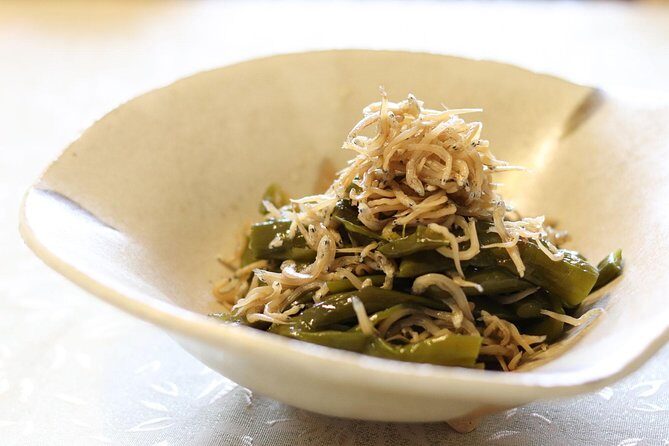
- Dashi from scratch: learn the base flavor that shows up everywhere in Japanese cooking.
- Chirashi sushi made the traditional way: sushi rice and garnish in a wooden bowl.
- Drinks paired with your food: 1–2 glasses of alcoholic or non-alcoholic options.
- A private group in a local home: Michiyo and her husband share stories with clear English.
- Seasonal menus: what you cook changes with the time of year and local ingredients.
Kyoto home cooking in Otsu: meet Michiyo and settle in fast
This experience starts with something simple and helpful: Michiyo’s pick-up from Otsukyo Station. If you’ve ever tried to coordinate a cooking class right after hopping off a train, you know that even a small delay can wreck the vibe. This one keeps things smooth because you meet at a clear station point, then get whisked to the home in just a few minutes.
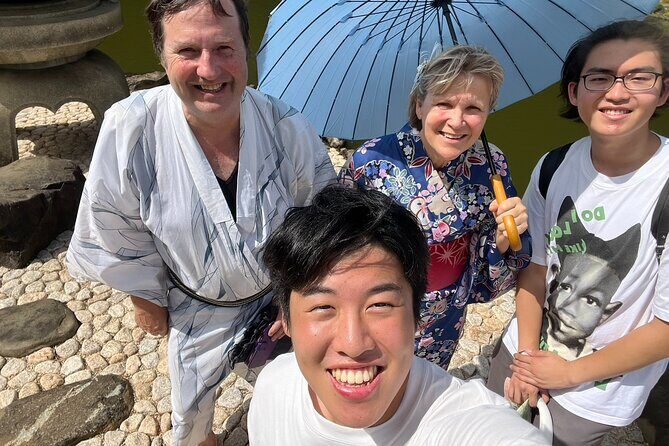
When you arrive, Michiyo and her husband welcome you into their house and introduce the menu of the day. That matters, because you’re not just following steps—you’re understanding what you’re making and why. It also sets expectations so you’re not fumbling around in a foreign kitchen while everyone waits on you to catch up.
The home setting is part of the point. You’re not in a classroom with a demo counter and a camera crew. It’s a real kitchen, run by real people, which means the pace feels human and the conversation feels natural. You’ll even share the space with their dachshund, El, who is there as part of the household rhythm.
You can also read our reviews of more tours and experiences in Otsu.
The menu basics: why dashi and chirashi sushi are the perfect starter combo
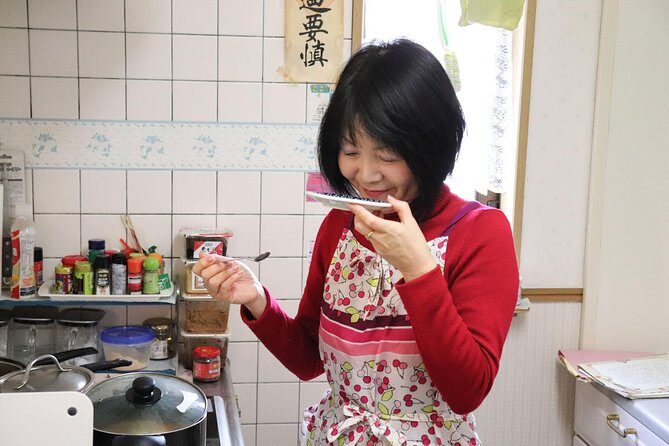
If you want one lesson that teaches you the logic behind Japanese flavors, dashi is it. Dashi is a foundational fish broth, and once you understand how it’s built, it becomes easier to recognize why Japanese food tastes balanced and layered without being heavy. In this class, you actually learn how to make it, not just hear about it.
Then you move to chirashi sushi, which is the kind of dish that looks festive but is very technique-driven. You learn how to prepare the sushi rice properly—because rice quality and seasoning make or break the final bite. After that, you garnish your chirashi-sushi in a traditional wooden bowl, which adds a small but satisfying tactile touch to the cooking process.
The menu changes depending on the season. That’s not a marketing trick; it’s what keeps the food feeling current instead of generic. Michiyo also emphasizes fresh, seasonal vegetables sourced from locals, so the ingredients you handle are the ones that make sense for the time of year in Shiga.
Here’s the practical benefit: if your goal is to cook Japanese food at home later, dashi and sushi rice are teachable building blocks. You can carry these skills forward even if you don’t recreate every topping exactly.
Cooking hands-on: sushi rice, wooden bowls, and technique you can repeat
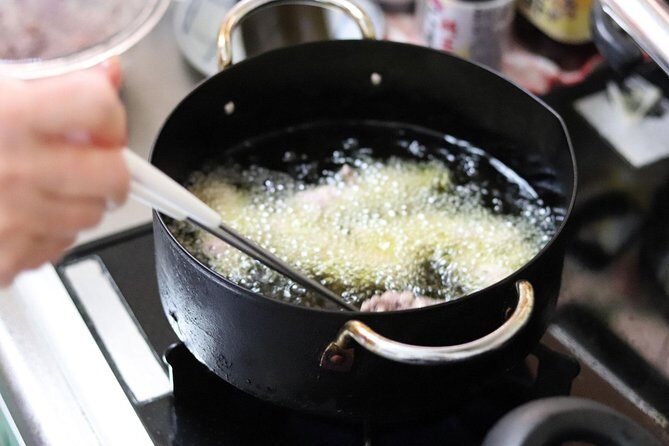
Once the menu intro is done, the clock shifts into real work. The cooking portion is about an hour and a half, which is a nice length: long enough for you to do the steps, short enough that you’re not exhausted before dinner.
You’ll start with dashi stock. Even if you’re an experienced cook, making dashi from scratch can feel new because the flavor comes from the process and timing, not just a seasoning dump. Michiyo shares techniques she has perfected over the years, which helps you avoid the common mistakes people make when they try to substitute ingredients without understanding the role they play.
Next comes the sushi rice—one of the most important parts of the whole dish. Getting sushi rice right isn’t only about taste; it’s also about texture and how the grains behave after seasoning. In this class, you learn the preparation steps needed to make chirashi sushi properly.
Then you garnish. The wooden bowl is more than “cute tradition.” It’s the kind of kitchen tool that signals this isn’t a fast assembly-line meal. You handle the ingredients with the intention of how the bowl is meant to present the dish. When you sit down later and eat what you assembled, you’ll notice the difference between chirashi that’s rushed and chirashi that was built with care.
What I’d watch for during the hands-on portion
You’ll get the best results if you treat it like a skills workshop, not a race. Slow down for measurements, ask questions as you go, and pay attention to how Michiyo corrects small things—like rice consistency or flavor balance in the broth. That’s where the repeatable lesson is hiding.
The meal at the table: 1–2 drinks, then you get to enjoy everything
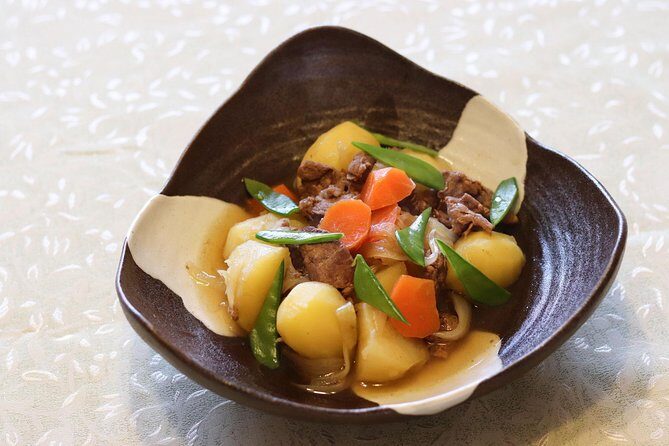
After cooking, you don’t just get a token bite and shuffle out. You sit down together and eat the authentic meal you helped prepare. That shared meal part is the emotional core of the experience. It’s where your brain connects the steps you did in the kitchen with the flavors you taste at the table.
Drinks are included, with a choice of alcoholic or non-alcoholic options. The class includes local alcohol, typically 1–2 glasses, paired with your food. Pairing is helpful here because Japanese meals often rely on subtlety. Drinks can complement that rather than fight it—especially when you’re eating multiple components you just made.
This is also where the English conversation becomes a big value. In past experiences with this host, Michiyo and her husband have been noted for speaking excellent English, which makes the lesson easier to follow and the cultural conversation more relaxed. You’re free to ask practical questions like ingredient roles, cooking timing, and what to buy if you want to repeat the dish at home.
Food timing note
The whole experience runs about 3 hours. That structure works well if you’re balancing Kyoto sightseeing with food-centered plans. You won’t feel like you’re giving up half a day, but you also won’t feel rushed out of the meal. It’s a sweet spot.
What makes it feel local: conversation, household rhythm, and real hospitality
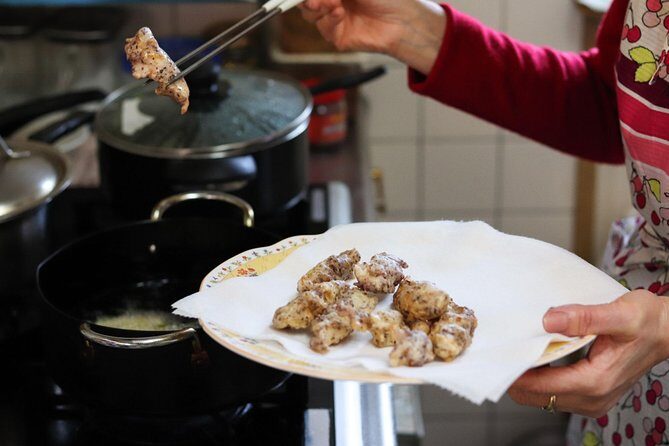
A cooking class can be two things: instruction, or a performance. This one leans toward instruction with real household warmth. Michiyo opens her home to visitors and shares not only how to cook, but how to think about the food—especially the role of seasonal vegetables and the fundamental base flavors like dashi.
Because it’s private, you’re not squeezed into a large group dynamic. You and your group can move at a comfortable pace, ask questions that actually matter to you, and take in the conversation without shouting over a crowd. That matters in a language-learning environment, too. Even if your Japanese is limited, you’ll have a more natural flow for questions and clarifications.
And yes, El the dachshund is part of the environment. That’s not just “a cute detail.” It keeps the atmosphere human. This doesn’t feel like a staged set; it feels like someone’s home, with all the small, normal household rhythms that make cultural exchange feel real.
Price and logistics: is $86 per person worth it?
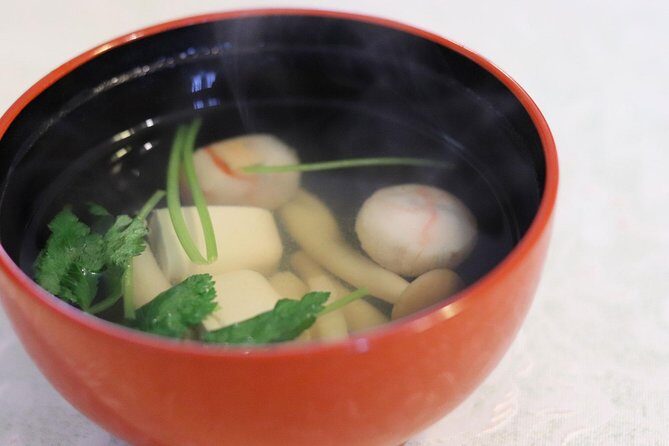
Let’s talk straight value. At $86 per person for about 3 hours, you’re paying for several things at once:
- a private class in a local home
- hands-on instruction for key components (dashi and sushi rice)
- a sit-down meal with included drinks
- station pick-up from Otsukyo Station (hotel pickup is not included)
If you’ve ever compared home-style cooking to ticketed food experiences in Kyoto, the biggest difference is the level of direct participation. You’re not just tasting. You’re learning technique you can actually use later.
Also, the timing is efficient. Many Kyoto food activities start far from where you’re already staying or require a lot of extra transport time. Here, you meet at Otsukyo Station on the JR Kosei line, then get picked up to the home immediately. It’s a short ride, so your day doesn’t balloon.
One practical planning note: this experience is commonly booked about 67 days in advance on average. That doesn’t mean you can’t find space last-minute, but if you’re traveling around busy periods or want a specific lunch vs dinner slot, earlier booking gives you more flexibility.
Lunch or dinner choice
The ability to pick lunch or dinner matters more than it sounds. Kyoto days can be tight, especially if you’re juggling temple timing, meal schedules, and getting back to your hotel. Being able to choose the meal window helps you avoid forcing a clumsy schedule just to fit cooking class hours.
Who this class suits best (and who might not love it)
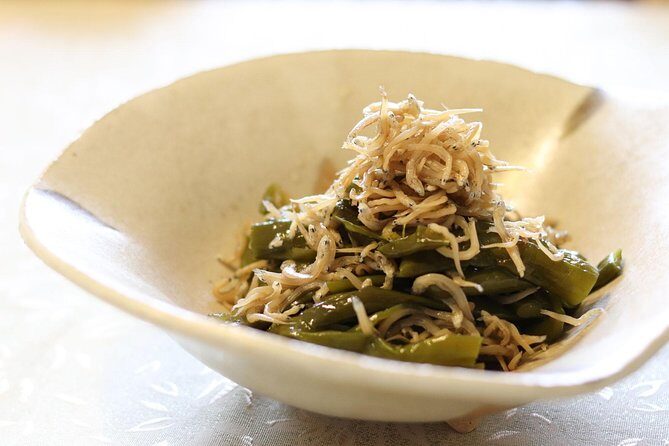
This is ideal if you want:
- hands-on cooking and not just observation
- a meal that’s part of the learning process
- a private setting where you can ask questions without a group scramble
- a Kyoto-area experience that feels more local than touristy
You’ll likely enjoy it even more if you’re the type who likes to learn the basics behind a cuisine. Dashi and sushi rice are not only tasty—they’re foundational.
You might want to think twice if:
- you strongly prefer cooking in a professional studio environment
- you’re trying to minimize all travel beyond Kyoto city center (Otsu is close, but it’s still another stop)
- your schedule is extremely rigid and you can’t handle a station meeting point
If you have dietary requirements, you can request them at booking. The menu can vary by season, so communicating needs early is the smart move.
Should you book Michiyo’s private Japanese home cooking class?
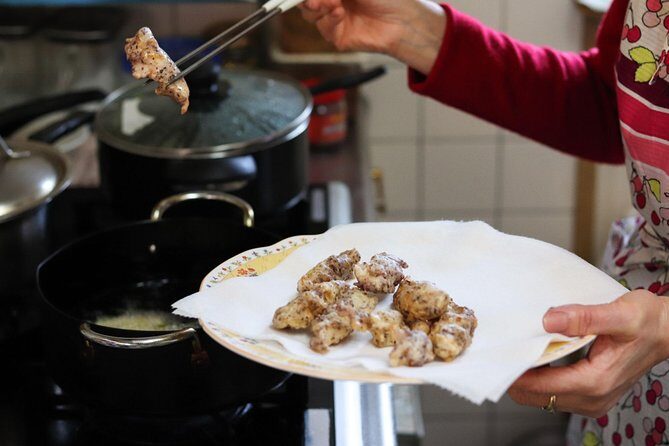
I’d book this if you want a real home-kitchen experience with instruction you can repeat. The combination of making dashi from scratch, learning sushi rice for chirashi, and then sitting down to eat your own work is exactly the kind of payoff that makes a cooking class memorable for years, not just hours.
It also scores well on comfort and fairness: you get pick-up from the station, a private group setting, and included drinks with the meal. For $86, you’re not just buying dinner—you’re buying technique, conversation, and a shared table experience that’s hard to replicate on your own.
My final advice is simple: if you’re traveling to Kyoto and you want one activity that goes beyond sightseeing, book this and treat it like a skills lesson with good food. Plan your arrival at Otsukyo Station, show up with curiosity, and expect to leave with a new respect for the humble building blocks that make Japanese cooking work.
FAQ
FAQ
How long is the Japanese home cooking class in Kyoto with Michiyo?
The experience lasts about 3 hours, including both the cooking time (about 1.5 hours) and the meal you eat afterward.
Where does the class start, and do I get picked up?
You’ll meet at Otsukyo Station on the JR Kosei line. Michiyo provides pick-up from Otsukyo Station, but hotel pickup and drop-off are not included.
Is this a private experience or shared with other people?
It’s a private tour/activity. Only your group participates.
What dishes will I learn to cook?
You’ll learn how to make dashi (fish broth) and prepare chirashi sushi, including sushi rice and garnishing it in a traditional wooden bowl.
Are drinks included with the meal?
Yes. The meal includes local alcohol, typically 1–2 glasses, and there are also non-alcoholic drink options.
Can I choose lunch or dinner?
Yes, you can choose between lunch or dinner options.
Does the menu stay the same every time?
No. The menu may vary depending on the season.
What if I have dietary requirements?
You should advise any specific dietary requirements at the time of booking in the special requirements box.
How does cancellation work if plans change?
You can cancel for a full refund if you cancel at least 24 hours before the experience start time. If you cancel less than 24 hours before, the amount paid is not refunded.