REVIEW · CHITOSE
Sapporo: Hokkaido, Noboribetsu and Lake Toya Day Tour
Book on GetYourGuide →Operated by YH International Travel co.,Ltd · Bookable on GetYourGuide
A one-day bus ride in Hokkaido can feel like a magic trick. You get steam, seabirds, bears, and lake views all in one shot, without having to juggle trains or transfers. I like how this trip links big-name stops like Noboribetsu and Lake Toya with quieter scenery at Cape Chikyu and Lake Shikotsu.
Two things I really like: the timing is usually tight in a good way, and the guides can make the day run smoothly. In several accounts, the guide Lisa gets singled out for being friendly, attentive, and strong in English.
One drawback to keep in mind is that the day is long and the stops can be short. You may spend more time on the bus than you want, and some parts can feel focused on quick photo ops and shopping breaks.
In This Review
- Key Things to Know Before You Go
- A Bus Tour That Packs Hokkaido Into One Long Day
- Noboribetsu Hell Valley: Steam, Sulfur, and Easy Walking
- Cape Chikyu (Earth Cape): Ainu Name, Lighthouse, and Bird Life
- Showa Shinzan Bear Farm: A Beloved Stop With a Reality Check
- Lake Toya Hot Spring Town: Lunch on Your Terms and Lakeside Foot Baths
- Silo Observatory at Lake Toya: The View You’ll Want Photos For
- Lake Shikotsu Finish: Deep Water, Bird Watching Seasonality, and Sunset Potential
- Price and Logistics: Is $66 Good Value?
- Who This Day Tour Suits Best
- Seasonal Variations You Should Expect
- Should You Book This Sapporo to Lake Toya Day Tour?
- FAQ
- What is included in the tour price?
- What is not included?
- What languages are the guides?
- Is there time for lunch?
- What should I bring?
- Is food and drink allowed on the bus?
- Will the guide contact me before the tour?
Key Things to Know Before You Go
- A full day, packed on purpose: expect a lot of getting on and off the bus and photo windows that move fast
- Hell Valley’s sulfur-and-steam vibe: geothermal trails are dramatic and easy to walk at your own pace
- Cape Chikyu views from 131 meters up: a cliffside lighthouse with big Pacific air
- Showa Shinzan Bear Farm with mixed feelings: it’s a classic stop, but the setup can disappoint some people
- Lunch time is yours at Lake Toya: free time for Hokkaido food plus lakeside foot baths
- Seasons can change the program: winter versions may add snowy passes and outlet shopping
A Bus Tour That Packs Hokkaido Into One Long Day
This is the kind of tour you book when you want the big scenery hits but you’re short on time in Sapporo. It’s run as a day bus tour from Sapporo and it operates daily, with reservations generally easy to arrange. You’ll have an English or Japanese guide, and the route can shift depending on the season.
The real value is that you’re not planning. You’re following a route that moves across southern Hokkaido’s highlights: Noboribetsu’s geothermal world, the cliff views at Cape Chikyu, then down to Lake Toya and finally Lake Shikotsu. You’ll see a lot, but you’ll also feel the rhythm of a group tour: arrive, look, move, repeat.
If you like slow travel, this may not be your favorite format. If you like checklists done well—without thinking about buses, parking, or tickets—this fits.
You can also read our reviews of more tours and experiences in Chitose.

Noboribetsu Hell Valley: Steam, Sulfur, and Easy Walking
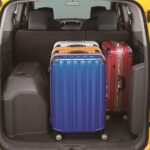
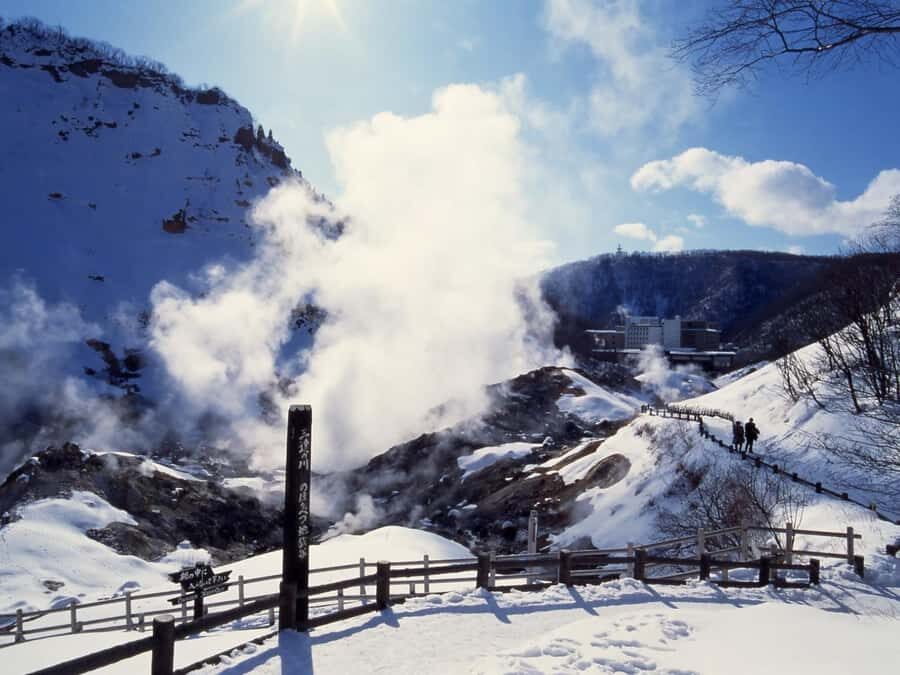
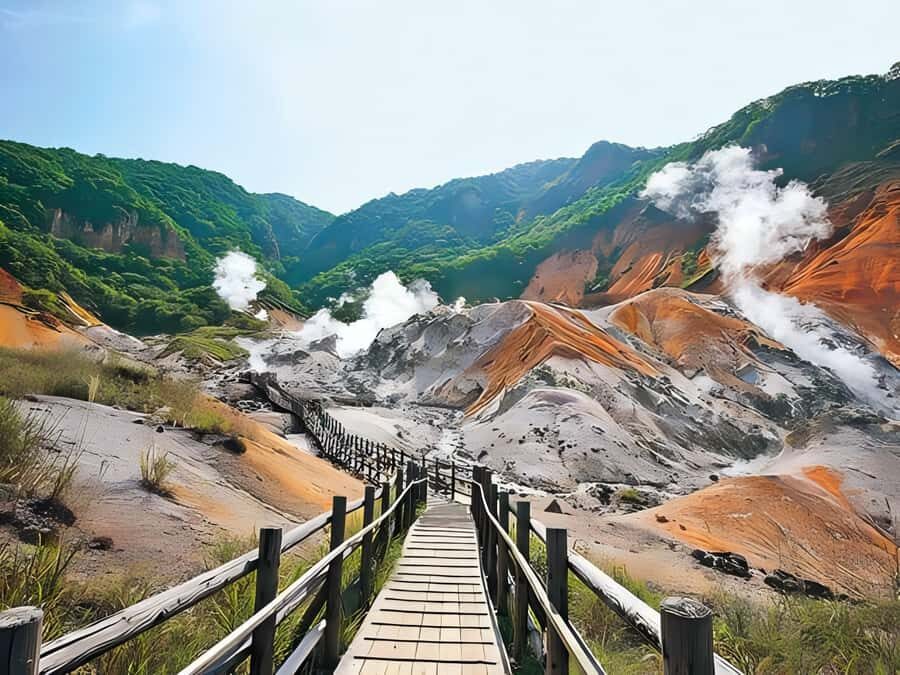
Noboribetsu Hell Valley is the opener, and it does the job fast. You’ll see a volcanic crater area where geothermal activity pushes up steam, and the air carries a noticeable sulfur smell. The walking trails are well maintained, so you’re not doing risky trekking—more like a steady stroll through a surreal, otherworldly setting.
What makes this stop work on a day tour is that it’s self-contained. Once you’re there, you can spend the time you want within the walking area, grab photos of the steam vents, and enjoy the sensory experience without needing a long explanation to understand it.
Wear comfortable shoes. Some surfaces can feel uneven or slick depending on the weather. And if you’re sensitive to strong smells, know that this is part of the deal here.
Cape Chikyu (Earth Cape): Ainu Name, Lighthouse, and Bird Life
After Hell Valley, the tour heads to Cape Chikyu, a cliffside viewpoint with big horizon energy. The name comes from an Ainu word meaning cliff, which gives the stop a little extra depth without turning the day into a lecture.
The viewpoint sits high—131 meters above sea level—and there’s a white lighthouse. It’s built for visibility; the light can be seen from up to 44 kilometers away. On a clear day, you’ll get a dramatic view over the Pacific.
There’s also a bird angle. The cape is a habitat for birds like peregrine falcons and sits on migratory routes. If you’re the kind of person who likes to watch motion in the sky, this is a nice palate cleanser after the steam and sulfur of Noboribetsu.
Bring your camera-ready layer. Even in milder seasons, capes can feel windy. This is one of those “short stop, good payoff” places.
Showa Shinzan Bear Farm: A Beloved Stop With a Reality Check

Next comes Showa Shinzan Bear Farm, home to around 100 Hokkaido brown bears. This is the stop that people remember—often for its comedy, because the bears can look powerful and oddly clumsy in the same moment.
You may be able to feed the bears and watch them up close, depending on the on-site setup during your visit. It’s popular for adults and kids, and the hands-on interaction is part of why it’s on almost every Hokkaido itinerary that includes bears.
Now the important reality check: some experiences have not matched the warm wording you might hear. One account described the bear area as a cruel-feeling, narrow concrete setup and felt the stop name didn’t match what was seen. Another account was happier with the day overall, and this is a common pattern with animal-related stops anywhere in the world—your comfort level depends on what you expect and what you personally can handle.
So here’s my practical advice: go in with open eyes. If up-close animal housing is a hard no for you, you may want to adjust your expectations before the bus arrives.
Also, remember that admission for the bear ranch is listed as not included, so you should plan on extra cash on the day.
Lake Toya Hot Spring Town: Lunch on Your Terms and Lakeside Foot Baths
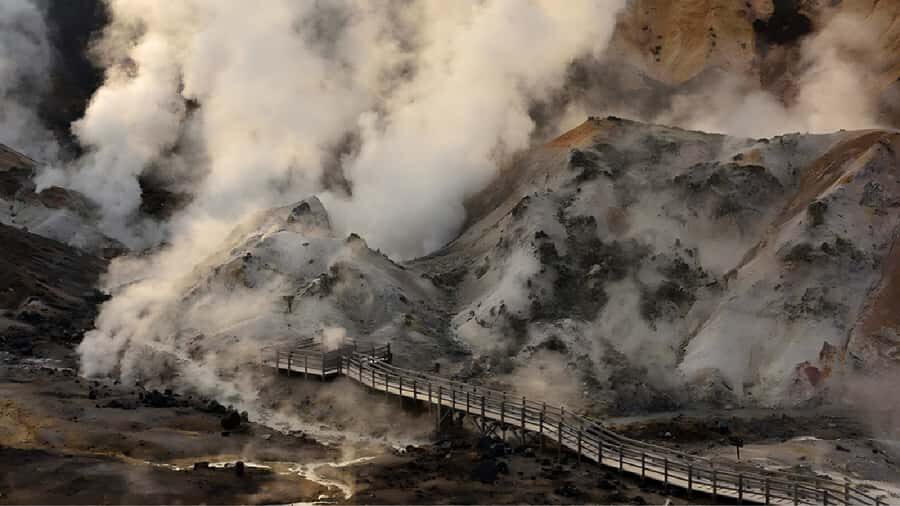
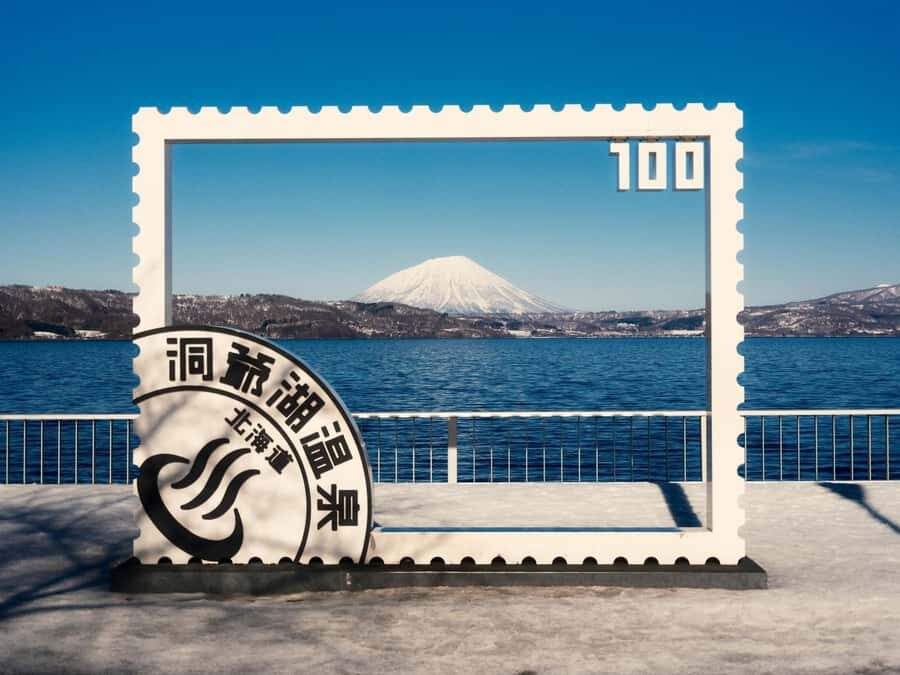
Lake Toya is the emotional middle of the day. You’ll get free time for lunch in the Lake Toya Hot Spring Town area, where there are plenty of local restaurants serving Hokkaido specialties. This is one of the more satisfying breaks because it’s not a guided march—you can pick what sounds good and eat at a normal pace compared with the rest of the day.
You’ll also find lakeside foot baths. In winter, that’s especially helpful when your legs feel like icicles. Even in other seasons, it’s a simple way to slow down while staying warm and relaxed.
People often mention the midday slot as their favorite part of the route, which makes sense. After the sensory shock of Hell Valley and the cliff views, lunch by the lake gives you room to breathe.
If you like strolling, you’ll have a chance for a relaxed walk along the lake area. Bring cash for food and any on-site costs, since lunch is not included and some attractions may require tickets.

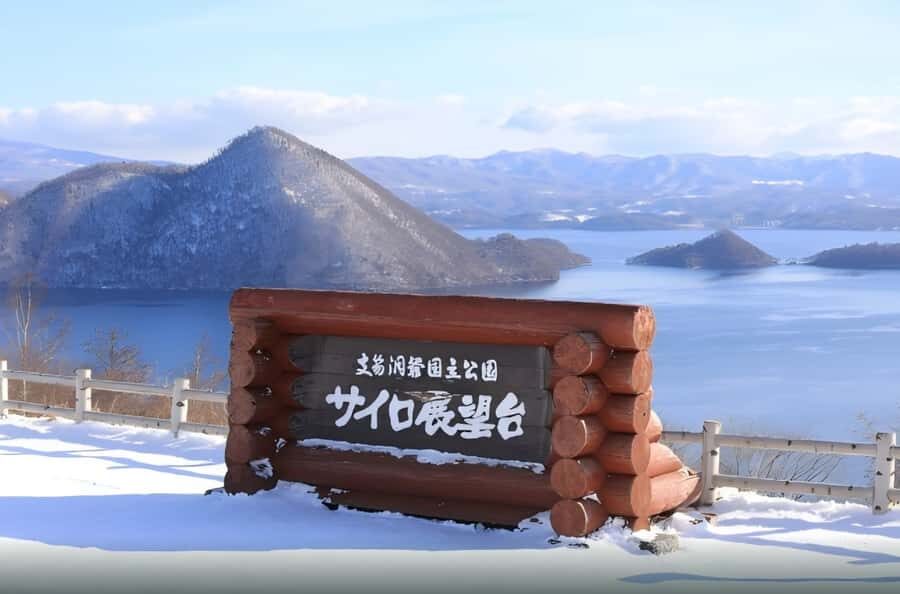
Silo Observatory at Lake Toya: The View You’ll Want Photos For
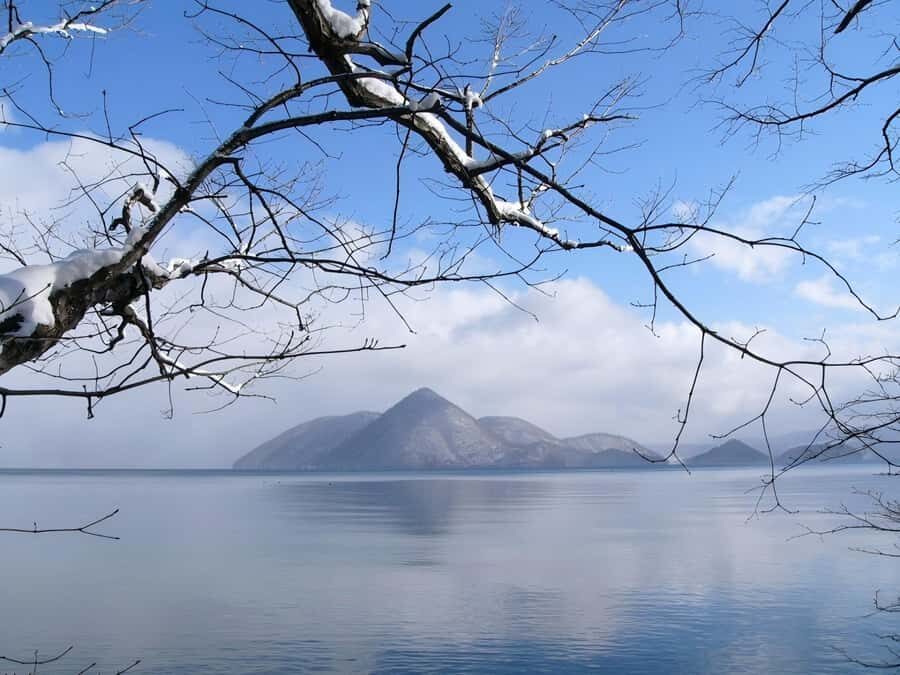
This tour’s overview includes views from Silo Observatory at Lake Toya. That’s a smart add-on because it gives the day a “final framing shot” where you can see the lake and surrounding scenery from a designated viewpoint.
Even on a packed schedule, an observation stop helps you connect the dots. You see how the geothermal and coastline stops fit into the larger shape of the region. And if you’re the kind of person who likes photography, this is the kind of place where it’s worth slowing down for a minute.
What to bring: a light layer for wind, and patience for quick turnarounds. Observation stops in bus tours are usually scheduled tight, but a viewpoint payoff can still be big.
Lake Shikotsu Finish: Deep Water, Bird Watching Seasonality, and Sunset Potential
The last stop is Lake Shikotsu. It’s located in western Chitose and falls within the Shikotsu-Toya National Park area. This is one of those ending points that feels like a payoff: the lake is described as Japan’s second-deepest, with an average depth of 265 meters and a maximum depth comparable to the height of Tokyo Tower.
The key idea is that Lake Shikotsu has different charms depending on the time of year:
- In summer, it’s a habitat for migratory birds and a birdwatching hotspot
- In autumn, foliage and sunset views can be a major highlight
Even if you’re not a hardcore birdwatcher, the depth and the seasonal behavior make the lake feel special. The fact that it never freezes (even in winter) is also unusual enough to be worth a quick look if you’re in Hokkaido during the cold months.
This stop can be a good place to reset your day-tour brain. By then, you’ve seen enough “big moments,” so you can simply stand there and let the quiet do its job.
Price and Logistics: Is $66 Good Value?
At $66 per person, the price is mostly for the bus and a guide. That’s important, because it changes how you judge value. You’re not paying for all tickets and all meals—the tour explicitly lists certain admissions and lunch as not included.
So the value comes from efficiency: you’re buying a route that strings together major places across Hokkaido in one day without driving. If you’re trying to cover a lot while staying based in Sapporo, that can be a bargain compared with the time and stress of arranging multiple legs on your own.
But you should be honest about the tradeoff. Some feedback points to long bus rides and quick stops, and that can make the day feel more like logistics than exploration. If you hate shopping-style breaks or you want lots of deep, unhurried time at fewer stops, you may feel frustrated.
Guide quality can be the swing factor. In good cases, guides like Lisa are described as speaking English well and managing the day so it flows. In less ideal cases, English explanation has been described as short or uneven, and the day can feel promotional for products sold at stop areas.
My take: it’s good value if you’re flexible, like seeing many sites, and you can handle a day tour pace.
Practical notes that matter:
- The guide won’t contact you in advance, so you must arrive at the designated meeting spot on time.
- Smoking is not allowed on the vehicle, and alcohol and drugs are not allowed.
- Food and drinks are not allowed in the vehicle.
- This isn’t a good match if you’re pregnant, over 75, or traveling with babies under 1 year.
Who This Day Tour Suits Best
This is a strong fit if you:
- Have limited time in Sapporo and want a structured sampler of southern Hokkaido
- Like big scenery and iconic stops, even if the time at each is short
- Want someone else to handle route planning, pickup timing, and basic coordination
- Appreciate having a lunch break where you pick your own meal
It may not be the best fit if you:
- Prefer slow travel and hate rushed photo windows
- Are sensitive to animal housing setups
- Get irritated by shopping-focused stop rhythms
- Need a calmer pace for health or mobility reasons (and the tour lists age/pregnancy limits)
Seasonal Variations You Should Expect
The tour’s route can change with the seasons. That’s not a small detail—it’s the difference between snowy Hokkaido visuals versus greener, coastal-season views.
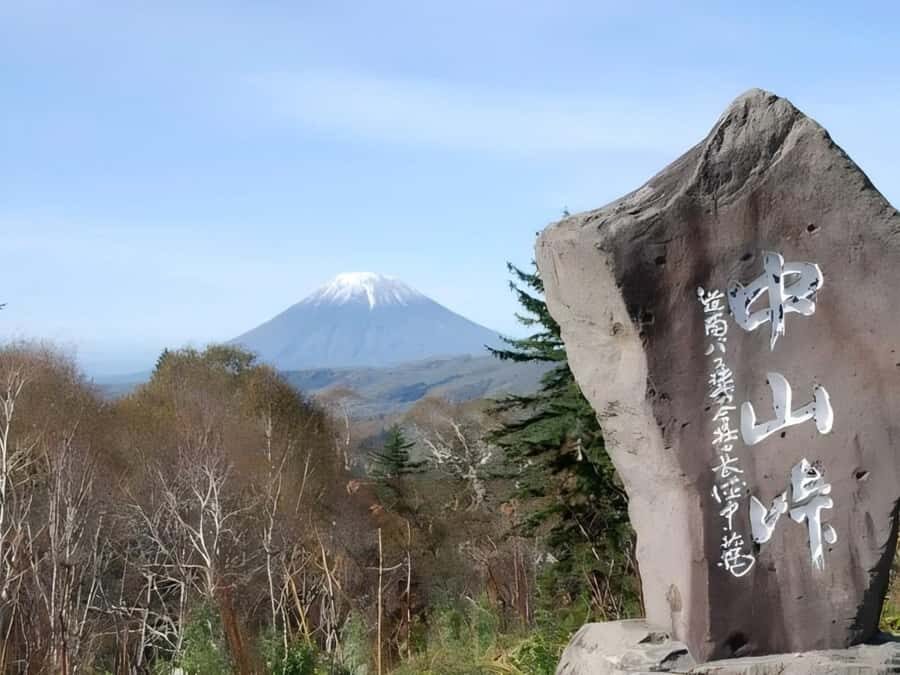
For winter, the program description includes snowy Nakayama Pass, views at Lake Toya from Silo Observatory, and extra time such as Toya Onsen Town plus shopping at Mitsui Outlet Park Kitahiroshima. It also mentions additional stops like walking around the bear area and Hell Valley as part of the winter-friendly schedule.
So when you book, think of this as a “Hokkaido highlights day,” not a rigid script that never changes. The scenic goal stays the same; the exact shape of the day can shift.
Should You Book This Sapporo to Lake Toya Day Tour?
I’d book it if you want a one-day overview with real geographic variety: volcanic steam at Noboribetsu, cliff views at Cape Chikyu, bears at Showa Shinzan, and two lakes to finish. The best versions of this tour are guided in a way that keeps the day moving and makes the time feel earned, not wasted.
I wouldn’t book it if you want deep time at a single place, or if you’re uncomfortable with animal encounters. Also, if you’re easily bothered by bus time and quick stop transitions, consider whether a slower plan would suit you better.
My decision rule: if you can handle a packed day and you’re okay paying extra for admissions and lunch, this tour is a practical way to see a lot of Hokkaido without driving.
FAQ
What is included in the tour price?
The tour includes the tour bus and a guide.
What is not included?
Admission tickets for Usuzan Ropeway and the Showa Shinzan Bear Ranch are not included, and lunch is also not included.
What languages are the guides?
Guides are available in English and Japanese.
Is there time for lunch?
Yes. You’ll have free time for lunch at Lake Toya Hot Spring Town.
What should I bring?
Bring comfortable shoes and comfortable clothes, and also cash since lunch and some admissions are not included.
Is food and drink allowed on the bus?
No. Food and drinks are not allowed on the vehicle.
Will the guide contact me before the tour?
No. The guide will not contact you in advance, so you need to arrive at the designated meeting place on time.
If you want, tell me what month you’re going and whether you care more about views or walking time, and I’ll help you decide if this pace is right for you.