REVIEW · OKINAWA
Tuna Auction in Toyosu and Tsukiji Fish Market Tour
Book on Viator →Operated by MY Travel Consulting · Bookable on Viator
You’re up early for a reason: the tuna auction rhythm at Toyosu only makes sense when you’re there before the day gets loud. This tour pairs that high-energy wholesale action with a walk through Tsukiji, plus a stop at Tsukiji Hongwanji Temple, so you get food culture and a calmer counterpoint in the same morning.
I especially like how this is built around the two market eras—Toyosu, opened in 2018 after the relocation from Tsukiji, and Tsukiji, which has served as Tokyo’s kitchen since 1935 and still runs many shops through the Tsukiji Outside Market. The big drawback is also the big selling point: the start time is 4:30 am, so you’ll want to be rested and ready for an early start.
In This Review
- A Private Morning With a Guide Who Can Slow It Down
- Key Highlights You’ll Actually Feel
- Why the 4:30 am Start Changes Everything at Toyosu
- Hotel Pickup and the Smooth Toyosu-to-Tsukiji Transfer
- Toyosu Market: Seeing Modern Wholesale Life Up Close
- Tsukiji Fish Market: Classic Tokyo’s Kitchen Energy
- Tsukiji Hongwanji Temple: A Calm Pause After the Auction
- Price and Value: What $480 Buys You (And What It Doesn’t)
- Who This Tour Fits Best (And Who Should Skip It)
- How to Prep for an Auction Morning (So You Enjoy It More)
- Is This the Right Choice for Your Tokyo Morning?
- FAQ
- What time does the tour start?
- How long is the tour?
- Is hotel pickup included?
- Do I pay for admission to the markets and temple?
- How do you travel between Toyosu and Tsukiji?
- Is breakfast included?
- Can this tour handle dietary restrictions?
- Is this a private tour?
- What happens if the schedule changes due to weather?
- Is there a cancellation option?
A Private Morning With a Guide Who Can Slow It Down
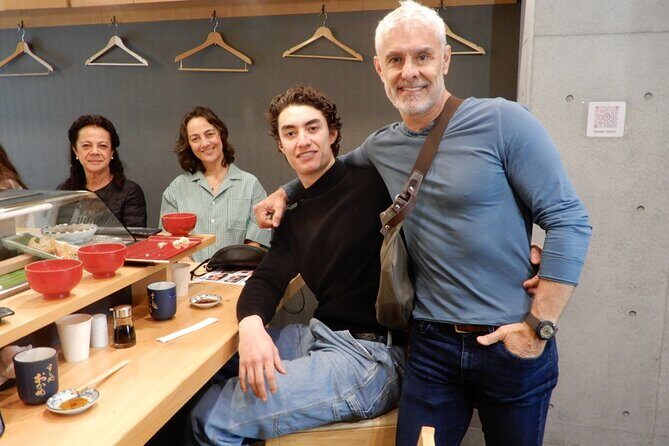
My second favorite part is the human one: the licensed guide approach here is patient and clear. The pace is also family-friendly in practice, with a format that works even for teens who are curious but don’t want a lecture marathon, and you’re finished early enough to keep the rest of your day for other Tokyo plans.
Before you book, consider whether the early-morning crowd energy and market walking fit your body. It’s marked as not recommended for anyone with physical issues, and there’s no mention of resting time built into the schedule—so go in knowing it’s an active morning.
Key Highlights You’ll Actually Feel
- 4:30 am start so you’re there for auction action when it matters
- Toyosu meets Tsukiji: the 2018 wholesale shift plus the classic market atmosphere
- Licensed guide with an approach that’s informative and patient
- Private tour format with just your group, plus hotel pickup to reduce stress
- A temple stop (Tsukiji Hongwanji) that breaks up the sensory overload
- Free admission tickets for the market/temple stops listed on the itinerary
You can also read our reviews of more tours and experiences in Okinawa.


Why the 4:30 am Start Changes Everything at Toyosu
This tour begins at 4:30 am, and that timing is not optional. Tuna auctions are early-morning events, and the whole flow of the morning is designed around being in the right place before momentum shifts. If you’ve only seen markets later in the day, you’ll notice the difference immediately: early wholesale hours have a tighter rhythm, more urgency, and a different kind of focus.
You’ll also get a practical benefit from the early start: you’re typically wrapped up by the late morning window, leaving the afternoon for sightseeing. That matters in Tokyo, where you can burn daylight quickly with transit and lines.
One more thing I appreciated is how the schedule respects your time in each location rather than turning the markets into a long blur. You get a short stop at Tokyo for the handoff, a set block in Toyosu, a longer block at Tsukiji, and then a temple visit. It’s built to help you actually see what you’re standing in front of.
Hotel Pickup and the Smooth Toyosu-to-Tsukiji Transfer
A big part of the value here is the logistics. You get hotel pickup at your Tokyo hotel lobby, and you’re handled through the key connections: a taxi from your hotel to Toyosu, then a bus from Toyosu to the Tsukiji fish market area.
This is the kind of morning where small frictions become big problems. Finding an exact meeting point, navigating early transit, and keeping track of time gets stressful fast at 4:30 am. With pickup plus planned transport, you’re trading uncertainty for certainty—especially helpful if you’re traveling with family or teens who are better off getting answers than wandering.
Also note the tour is private (only your group participates). That can change everything about pacing. A private format lets your guide tailor attention to the group’s curiosity level without needing to keep five different interests aligned.
Toyosu Market: Seeing Modern Wholesale Life Up Close
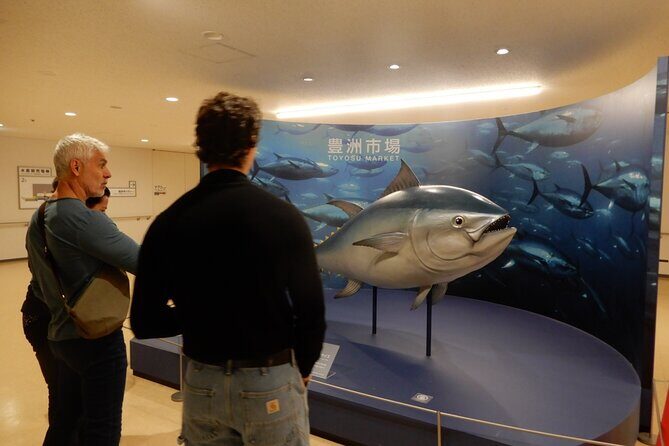
Toyosu is one of Japan’s largest wholesale markets, and it opened in 2018 after the relocation from Tsukiji. That fact matters because it frames what you’re looking at. You’re not only seeing fish—it’s a modern wholesale system designed for volume, timing, and workflow.
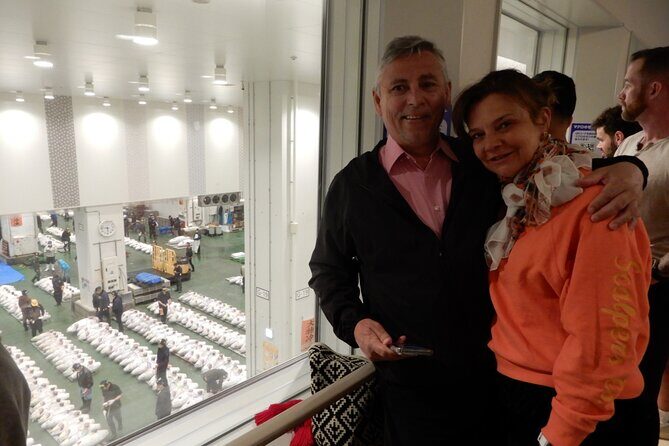
In your morning block at Toyosu, you’ll spend about 45 minutes with a course that looks over the fisheries wholesale area. Expect the scene to feel operational rather than touristy. The focus is on how the market functions: movement, sorting, and the quick exchange of information that keeps wholesale buying and selling moving.
What I love about Toyosu in particular is that it connects you to the present-day version of Tokyo’s seafood supply chain. It’s not just history; it’s the mechanism that still feeds the city.
A practical consideration: Toyosu time is relatively short compared with Tsukiji. If you’re the type who wants to linger with stalls and try lots of sampling, Toyosu is where you get the auction-focused overview, then you shift into more browsing later at Tsukiji.
Tsukiji Fish Market: Classic Tokyo’s Kitchen Energy
Tsukiji has a reputation for a reason. It dates back to 1935, and it’s long been described as Tokyo’s kitchen. Even though many core functions moved to Toyosu in 2018, plenty of shops continued operating as the Tsukiji Outside Market, so you still get that familiar market identity.
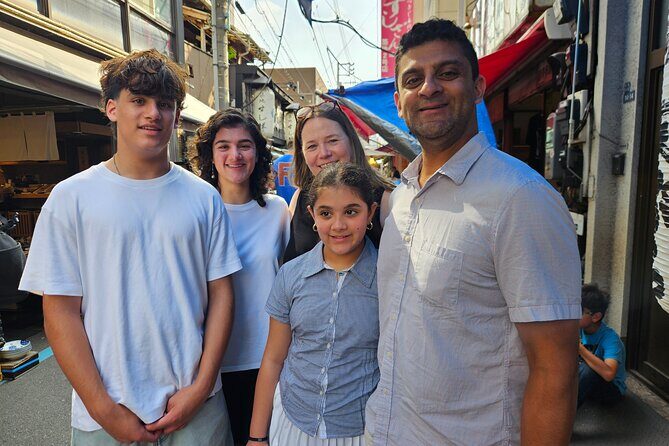
You’ll have about 1 hour 30 minutes here, which is long enough to actually notice what’s around you rather than rushing past things you wanted to see. This is where your guide’s context helps: you’ll see the mix of wholesale and retail energy—where you can catch the market feeling while still thinking about what makes the place special.
I also like how Tsukiji complements Toyosu. Toyosu answers the question of how things work now. Tsukiji answers the question of why people still care, even after the official relocation. Together, they give you a fuller picture of the food ecosystem rather than just a single snapshot.
If you plan to eat during the morning, keep your expectations realistic: breakfast is not included, and market food can mean long decisions in a busy environment. If you have dietary restrictions (vegetarian, vegan, gluten-free, and more), you can indicate them when booking—just be aware the tour itself doesn’t list meals as part of the package.
Tsukiji Hongwanji Temple: A Calm Pause After the Auction
After the markets, the itinerary includes Tsukiji Hongwanji Temple, connected to the Jodo Shinshu Honganji sect. It was originally built in Tsukiji during the Edo period (1603–1868), then rebuilt in 1934 after damage from the Great Kanto Earthquake.
This stop is about balance. Market mornings can be loud, fast, and a bit overwhelming for the senses. A temple visit turns the volume down. You shift from wholesale intensity to a place that invites slower attention—even if only for about 1 hour.
I find that especially valuable when traveling with mixed interests. Some people come for fish and the auction; others appreciate seeing how food culture connects to everyday life, religion, and neighborhood history. You get that connection here without needing to turn the morning into a full museum day.
Price and Value: What $480 Buys You (And What It Doesn’t)
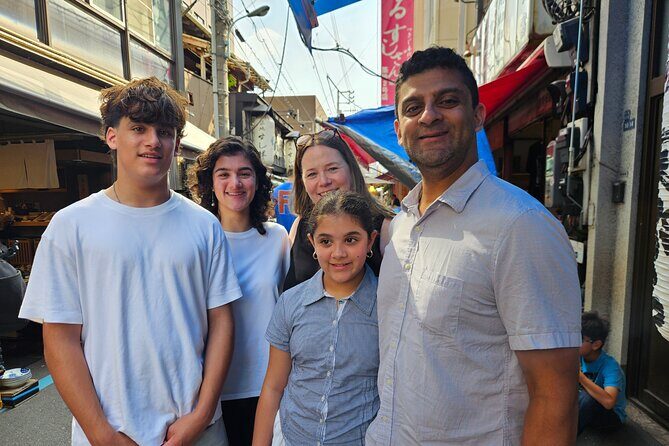
At $480.00 per person, this isn’t a cheap morning. So you should be asking: what am I paying for beyond a tour guide and two markets?
Here’s the value case, based on what’s included:
- Hotel pickup
- Taxi from your hotel to Toyosu
- Bus fee from Toyosu to Tsukiji
- Licensed guide
- The market and temple stops listed as admission ticket free
- A private format for your group
When you price those pieces individually, the total starts to make more sense. The early morning also has a real cost in scheduling and coordination—this kind of timing is harder to manage than normal tours that start later. You’re paying for the ability to show up prepared at 4:30 am, not for extra attractions.
What’s not included is also important:
- Breakfast is not included, so plan for that on your own.
- Personal expenses are your responsibility.
If you’re a solo traveler, the cost can feel steep. If you’re a couple or small group where you want private pacing and you value not wrestling with early transit, the price tends to feel more reasonable.
Who This Tour Fits Best (And Who Should Skip It)
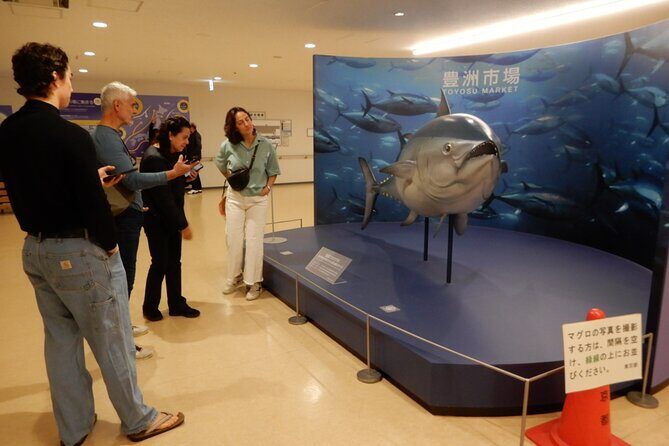
This tour is ideal if you:
- Want a true early-morning Tokyo experience, not just a late-day market stroll
- Care about how seafood supply moves, from wholesale systems to ongoing market traditions
- Prefer having a licensed guide explain what you’re seeing, in a patient and practical way
- Are traveling in a group where private pacing helps (including families with teens)
It may not fit if you:
- Struggle with very early starts and want a later schedule
- Have physical issues that make walking or standing difficult, since it’s not recommended for people with physical issues
- Want plenty of time for unhurried browsing and long food stops, because the itinerary is time-boxed across multiple locations
How to Prep for an Auction Morning (So You Enjoy It More)
You don’t need fancy gear, but you do need smart prep.
First, plan your morning around the start time. Arrive at pickup-ready mode the night before so you aren’t searching for chargers, extra layers, or the right shoes at 3:45 am.
Second, wear practical shoes. Market floors can be uneven, crowded, and busy. Even without any specific warning about terrain, it’s a market environment, so comfort matters.
Third, decide in advance how you’ll handle food. Since breakfast isn’t included, either eat before you go or budget for a post-tour meal. If you have dietary restrictions, include them when booking so your day plan stays realistic.
Finally, go in with the right mindset. This is not a slow sightseeing stroll. It’s a morning built around auction and market flow, which means you’ll enjoy it more if you’re curious about systems and details rather than expecting postcard stillness.
Is This the Right Choice for Your Tokyo Morning?
If you want one Tokyo activity that feels specific, time-sensitive, and meaningfully different from the usual sightseeing circuit, this is a strong pick. The combination of Toyosu’s modern wholesale setup, Tsukiji’s enduring market culture, and a temple stop gives you variety without breaking the day into unrelated blocks.
I’d book it if you value guided context and you hate wasting time figuring out early logistics. The private format and hotel pickup also make it a calmer choice for families or groups who want structure.
I’d skip it if you can’t handle the 4:30 am start, you need a more relaxed pace, or you have physical limitations that make a market morning hard.
FAQ
What time does the tour start?
The tour start time is 4:30 am.
How long is the tour?
The duration is about 4 hours 15 minutes (approx.).
Is hotel pickup included?
Yes. Hotel pickup is included, with pickup from your hotel lobby in Tokyo.
Do I pay for admission to the markets and temple?
The itinerary lists admission ticket free for the included stops.
How do you travel between Toyosu and Tsukiji?
The tour includes a taxi from your hotel to Toyosu and a bus fee from Toyosu to Tsukiji fish market.
Is breakfast included?
No. Breakfast is not included.
Can this tour handle dietary restrictions?
Yes. You can indicate dietary requirements such as vegetarian, vegan, gluten-free, etc. at booking.
Is this a private tour?
Yes. It’s a private tour/activity, and only your group participates.
What happens if the schedule changes due to weather?
The itinerary might be changed due to weather conditions or other reasons.
Is there a cancellation option?
You can cancel for a full refund if you cancel up to 24 hours in advance of the experience’s start time. If you cancel less than 24 hours before, the amount paid is not refunded.