REVIEW · OKINAWA
Okinawa: Kendo Martial Arts Lesson
Book on GetYourGuide →Operated by Park for us Co.,Ltd · Bookable on GetYourGuide
Gear up for a real sword lesson. In Okinawa, you’ll train at the Okinawa Prefectural Budokan with a kendo instructor while wearing traditional kendo armor and getting English-friendly guidance. It’s a chance to understand kendo as both physical practice and a code of behavior, not just a fight scene.
I especially like that you’re taught the basics of striking and practice form, but you also spend real time on etiquette and the cultural side of the art. The lesson is framed around three ideas: unify your spirits, manners, and lifelong kendo.
One thing to consider: you’re in full gear and doing focused drills in a short window, so if you’re looking for a long, slow warm-up or lots of free sparring, you may feel the practice time is tight.
In This Review
- Key things to know before you go
- Okinawa Prefectural Budokan: the right setting for serious practice
- Getting fitted in kendo armor (and why it changes everything)
- The lesson framework: unify your spirits, manners, lifelong kendo
- From hitting to history: what you learn beyond the moves
- Sparring time: what the end of class feels like
- Lunch after kendo: what to do with the break
- Price and value: is $116 for 2 hours fair?
- Who should book this kendo lesson in Okinawa (and who shouldn’t)
- Practical details that help your day go smoothly
- Should you book this Okinawa kendo lesson?
- FAQ
- Where is the meeting point for the lesson?
- How long is the kendo lesson?
- What’s included in the price?
- Is food included?
- What languages does the instructor speak?
- How many people are in the group?
- Who should not join this activity?
- What is the cancellation policy?
Key things to know before you go
- Small group format (up to 4 people) means you get more attention and corrections
- Full kendo armor and equipment rental is provided, so you can train without buying gear
- Etiquette and history are part of the class, not tacked on at the end
- Japanese-English instruction helps you follow the why behind each movement
- A fun sparring moment shows how the techniques feel in motion
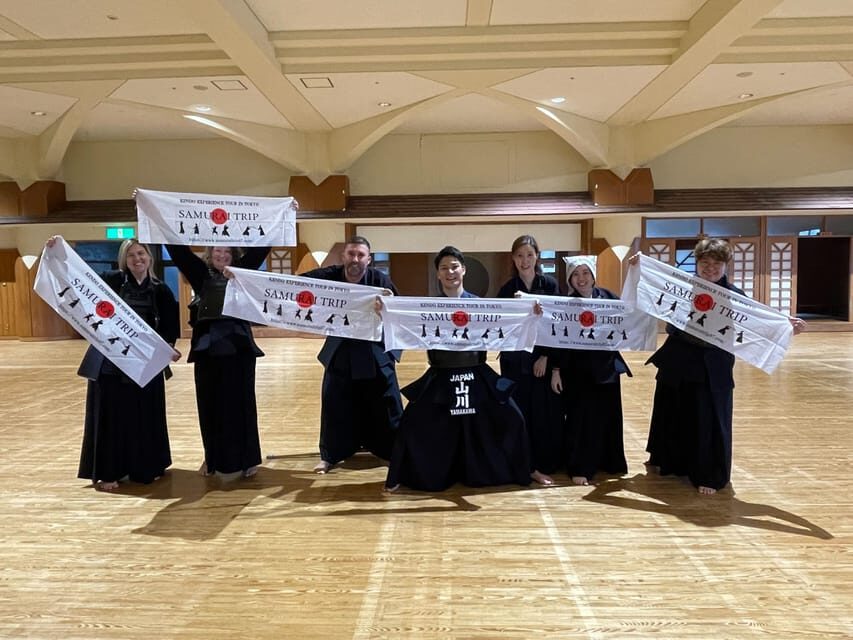
- You take home a kendo towel as a souvenir from the day
Okinawa Prefectural Budokan: the right setting for serious practice
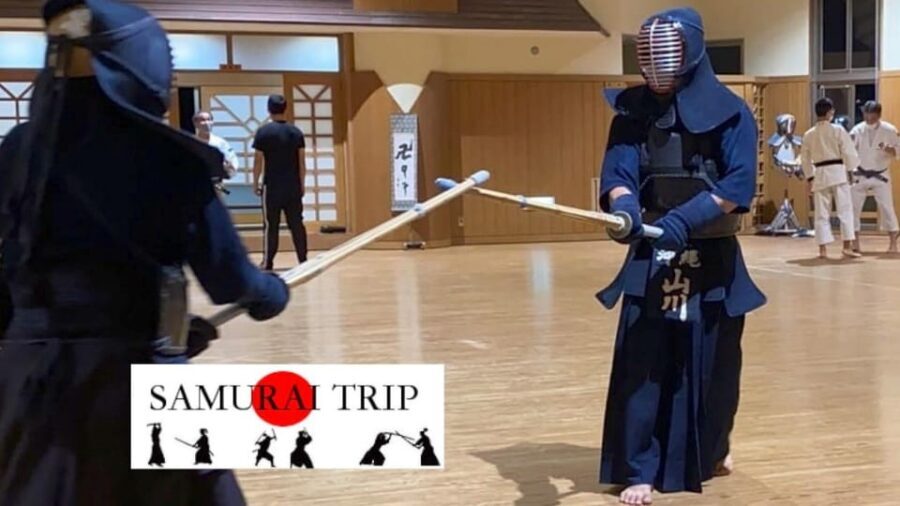
Meeting at the entrance of the Okinawa Prefectural Budokan is a smart choice. This isn’t some back-room demo. You’re walking into a place built for martial arts training, where the room itself sets the tone: respectful, focused, and practical.
From there, the day moves quickly. You’ll meet your instructor, get fitted, and transition into the proper mindset. That matters because kendo isn’t only about how strong you are. It’s about how you control your body while staying calm, courteous, and aware of the people in front of you.
Also, you’re not stuck waiting with a crowd. This is a small-group experience limited to 4 participants, so you should be able to move at a normal training pace without feeling lost in the shuffle.
You can also read our reviews of more tours and experiences in Okinawa.



Getting fitted in kendo armor (and why it changes everything)
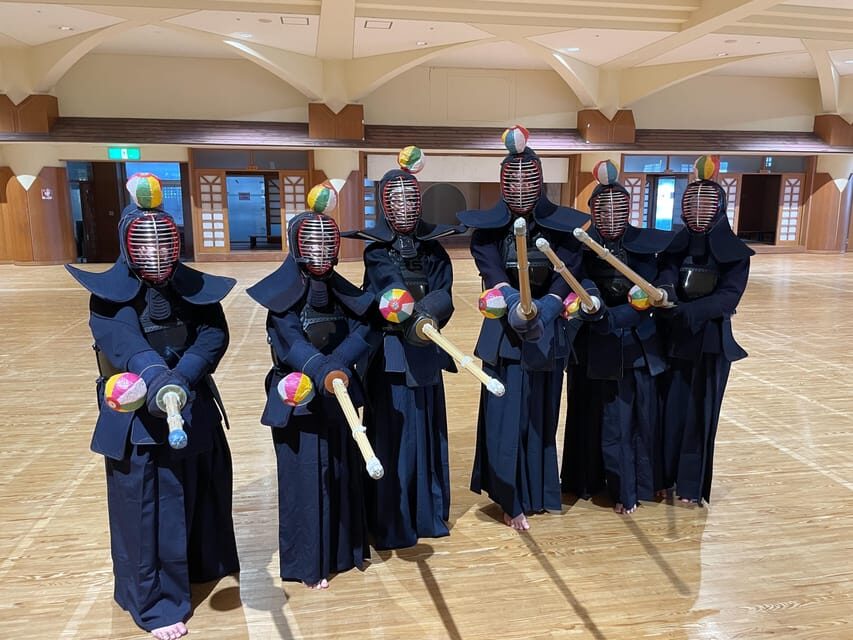
The first real step is putting on traditional kendo armor. For many visitors, this is the coolest part and also the most important learning tool. When you wear the armor, your brain stops thinking of this as a “toy sword” activity and starts treating it like training.
The lesson includes armor and equipment rental, plus mineral water to keep you comfortable during the drills. The gear is designed for practice—while still giving you the feel of formality and protection you don’t get from a simple demonstration. Even if you have no martial arts background, you’ll have the equipment you need to participate safely and confidently.
Two things to watch for:
- Fit and comfort: If anything feels off, tell the instructor early. Small adjustments make a big difference in a training session.
- Pace: Armor can feel warm and restrictive. Plan to treat this as a workout, even if the moves are teaching basics.
If you’ve never done contact-style drills in protective equipment, your expectations might shift fast—in a good way.
The lesson framework: unify your spirits, manners, lifelong kendo
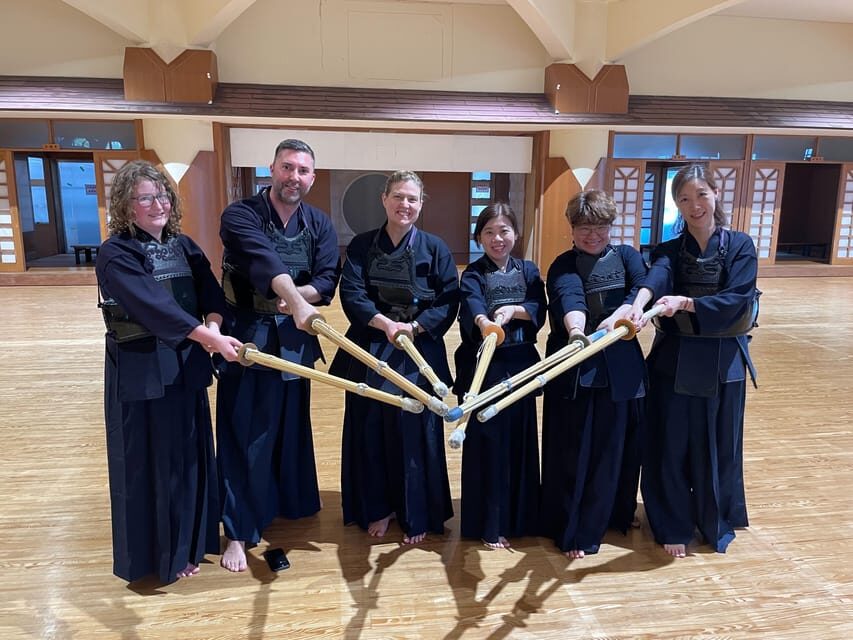
What makes this class more than a few sword swings is how it organizes the practice around three concepts.
First is unify your spirits. In plain terms, it’s the idea that your energy should line up with your intention and your actions. The instructor tends to guide you so you’re not just moving your arms; you’re coordinating posture, timing, and focus. You start to see how calm control is part of the technique.
Second is manners. Kendo etiquette is not a formality for show. It affects everything from how you enter the training space to how you interact before and after practice. You’ll learn how to follow the rules of respect in a way that makes the session safer and smoother for everyone involved.
Third is lifelong kendo. This is the long view. The class won’t try to turn you into a pro in 2 hours. Instead, it gives you a foundation you can build on, so the practice feels meaningful even when it ends quickly.
That structure is a big reason the experience resonates with people. You’re not just catching a glimpse of samurai culture. You’re learning how modern kendo trains discipline.
From hitting to history: what you learn beyond the moves
Yes, you’ll learn how to strike and how practice works with a professional instructor. But the class also brings in kendo’s cultural side—history, etiquette, and the spirit behind the art.
This is where I think the value becomes clear for non-experts. Many “fight” activities teach how to attack. Kendo teaches how to train: how to keep control, how to respect the space and your partner, and how to understand the purpose of each drill. That’s why you’ll spend time on etiquette and background, not just action.
You’ll likely also get examples of how kendo is taught and evaluated: how instructors look for proper form, how they correct your body position, and how they encourage safe intensity. Even if you don’t remember every detail, you’ll leave understanding what matters.
One practical tip: listen for the explanation behind each adjustment. The instructor speaks Japanese and English, and that bilingual support is useful. You’ll learn faster when you understand what they’re trying to fix, not just copy the movement.
Sparring time: what the end of class feels like
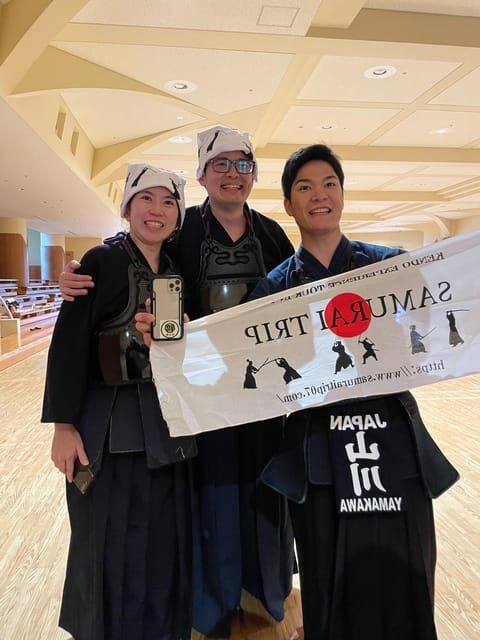
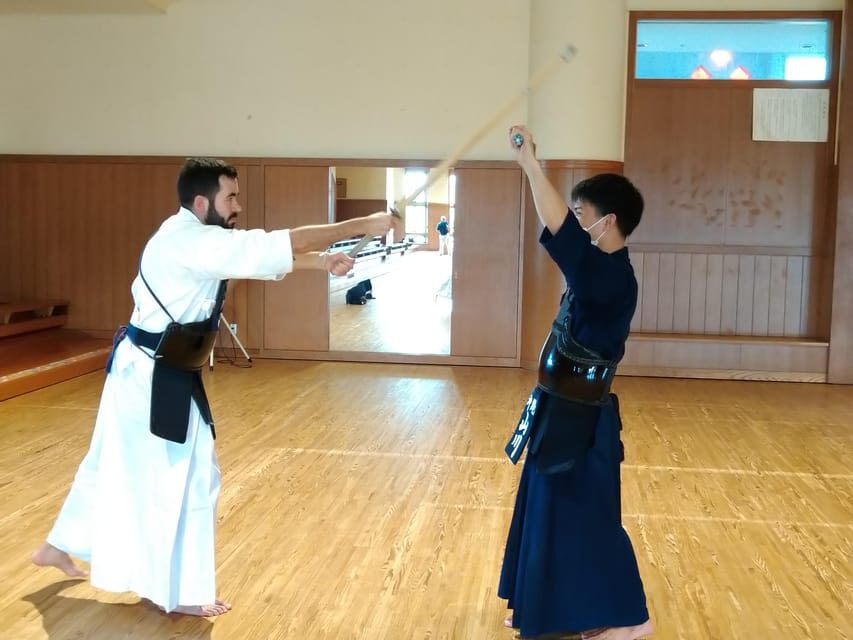
A major highlight is the chance to fight in a controlled, structured way. This is where kendo stops feeling like choreography and starts feeling like training. The goal is not wild chaos. It’s controlled engagement: timing, distance, and focus.
From what you can expect, the instructor will guide you step-by-step, then pair you for practice sparring. You’ll feel the intensity, but it should stay within the rules of safety and etiquette you’ve just been taught.
This is also where personality from the instructor matters. One past class specifically mentioned Taiji as an instructor who made the session fun and interactive, teaching both the physical and cultural sides. Other comments also highlight instructors being patient and clear in English, which helps you avoid frustration when your body is still learning the gear and stance.
And if you care about memories, plan for photos. In past experiences, instructors have helped participants take good pictures and videos at the end, so you can capture the moment without awkward DIY setups.




Lunch after kendo: what to do with the break
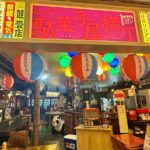
After the practice, you head to a kendo-themed restaurant for lunch. This is a nice way to extend the theme without adding extra pressure to your schedule.
Just know how the meal works for your budget: the activity includes water and a kendo towel, but food is listed as not included. So you’ll likely need to pay for lunch separately. That’s normal, but it’s worth planning for so there are no surprises.
If you want to keep your day smooth, use lunch time to decompress and rehydrate. You’ll probably feel the session in your shoulders and legs, especially once you’re in full armor and doing repeated technique drills.
Price and value: is $116 for 2 hours fair?
At $116 per person for about 2 hours, the price can look steep if you only think about a “class.” But if you break it down, it starts to make sense.
You’re paying for:
- A professional Japanese-English instructor
- Small-group attention (up to 4 people)
- Full kendo armor and equipment rental
- A structured session that covers technique plus etiquette and cultural context
- A kendo towel as a take-home gift
- Mineral water included
The big value driver is the combination of gear + instruction + safety. If you tried to replicate this on your own, you’d spend time figuring out equipment, rules, and training partners. Here, the session is built for visitors and structured for first-timers.
Duration matters too. 2 hours sounds short, but kendo training is intense in brief bursts, especially when you factor in fitting, instruction, drills, and the end practice. Some people may wish for more time sparring, but short training blocks are also what keep the class manageable for beginners.
If you like hands-on cultural activities that go beyond photos, this price is easier to justify.
Who should book this kendo lesson in Okinawa (and who shouldn’t)
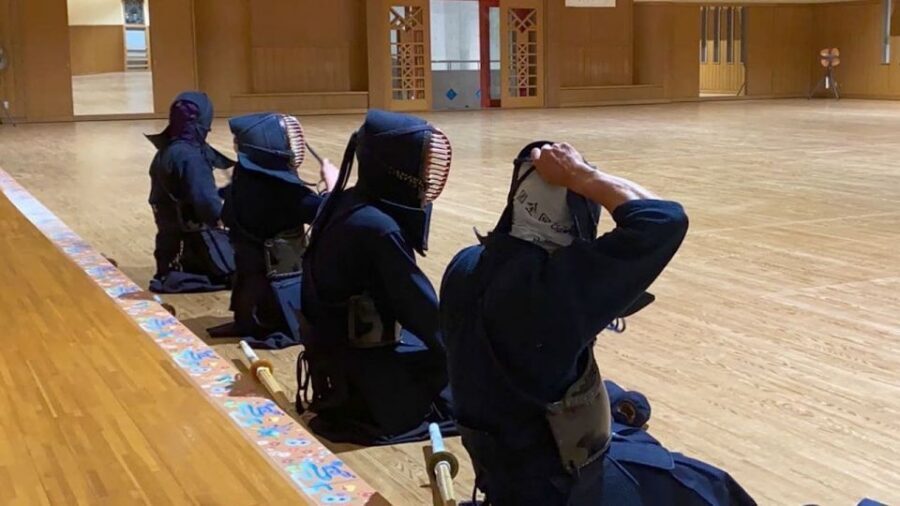
This experience is a great fit if you:
- Want a hands-on martial arts introduction in a safe, guided way
- Care about the cultural code behind kendo, not just the action
- Prefer small-group settings where you get corrections and attention
- Can comfortably do training in full protective gear for a short session
It’s not suitable for:
- Children under 10
- Pregnant women
- People with back problems
- People with altitude sickness
- People over 95
That list is practical. Kendo requires movement, stance work, and physical effort, and the armor adds weight and heat. If any of those factors apply to you, you’d be better off choosing a lighter cultural activity.
Also, if you’re sensitive to the idea of wearing protective equipment, remember this is part of the core of the experience. You’re not just learning in street clothes.
Practical details that help your day go smoothly
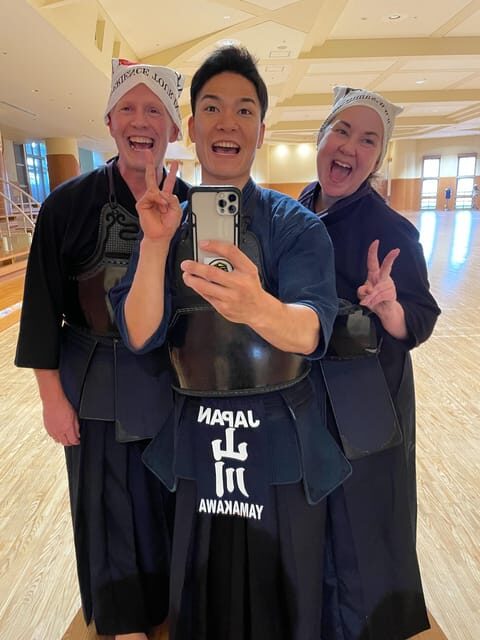
Here are a few things that can improve your experience before you even meet the instructor:
- Arrive on time at the Okinawa Prefectural Budokan entrance. Your day starts with fitting and transition into practice mode.
- Wear comfortable clothes you can move in underneath the gear. (You’ll be dressing into the armor on site.)
- Bring a mindset for etiquette. You’ll get more out of the class if you treat it like a respectful training space, not a performance.
- Expect a physical session. Even if you’re new, kendo drills can feel like real work once you’re in the stance and repeating technique.
On planning flexibility: cancellation is offered up to 24 hours in advance for a full refund, and you can typically reserve and pay later, which helps if your Okinawa schedule shifts.
Should you book this Okinawa kendo lesson?
Yes, if you want a guided, small-group kendo experience that teaches more than sword swinging. The best reason to book is the combination of full armor training, English-capable instruction, and a clear focus on manners and the mental side of kendo. It’s a rare kind of activity: you leave with better understanding and a tangible souvenir (the kendo towel), not just a photo.
Skip it only if you’re looking for a long, casual workshop or you have physical limitations that make armored movement difficult. Otherwise, this is exactly the kind of experience that turns Okinawa into more than a sightseeing stop.
FAQ
Where is the meeting point for the lesson?
Meet your instructor at the entrance of Okinawa Prefectural Budokan.
How long is the kendo lesson?
The duration is 2 hours.
What’s included in the price?
Kendo armor and equipment rental, mineral water, and a Japanese kendo towel are included.
Is food included?
Food is not included. The schedule includes a lunch stop at a kendo-themed restaurant, but you should expect to pay for the meal.
What languages does the instructor speak?
The instructor speaks Japanese and English.
How many people are in the group?
It’s a small group limited to 4 participants.
Who should not join this activity?
It is not suitable for children under 10, pregnant women, people with back problems, people with altitude sickness, and people over 95.
What is the cancellation policy?
You can cancel up to 24 hours in advance for a full refund.