REVIEW · CHUO CITY
Tokyo: Tsukiji Fish Market food Tour
Book on GetYourGuide →Operated by Localized Walking & Food Tours · Bookable on GetYourGuide
Tsukiji smells like tomorrow’s breakfast. This Tokyo food tour turns Tsukiji Fish Market’s legend into a practical walk with tastings and market context, all led in English. You get to see how the place works day to day and why certain seafood and flavors matter.
I especially love two things: the lineup of stops that result in a real food experience, not just a couple of bites, and the way your guide (often Keiko) builds trust with vendors so you can ask questions without that awkward tourist pause. Expect tuna sushi plus a sequence of other seafood and comfort-style items that make it feel like a proper meal.
One drawback to keep in mind: the tour route is planned, so if you want total freedom to pick your own stalls and wander without structure, this may feel a bit too guided. Also, with this much food included, you’ll want to think about when you last ate—your stomach will thank you.
In This Review
- Key things I’d watch for
- Tsukiji Outer Market: why a food tour makes sense here
- Meeting at LAWSON Tsukiji 4 Chome Store (and what you’ll do first)
- The tastings: what you actually eat in 150 minutes
- How the guide turns a market into a story you can remember
- Tsukiji Outer Market stops: what each phase feels like
- Start phase: orientation and first bites
- Main phase: guided food sampling
- Finish phase: closing out at the market
- Off-the-route snacks that help you order later
- Price and value: is $83 worth it?
- The one thing to watch: how structured is the route?
- Timing tips: how to get the most from your appetite
- Who this tour is best for
- Should you book the Tsukiji Fish Market food tour?
- FAQ
- How long is the Tokyo Tsukiji Fish Market food tour?
- Where do I meet the guide?
- What time should I arrive?
- What language is the tour guide?
- Is the tour wheelchair accessible?
- What food is included?
- Does the tour take place at Tsukiji Outer Market?
- What’s the cancellation policy?
- Is there a reserve and pay later option?
Key things I’d watch for
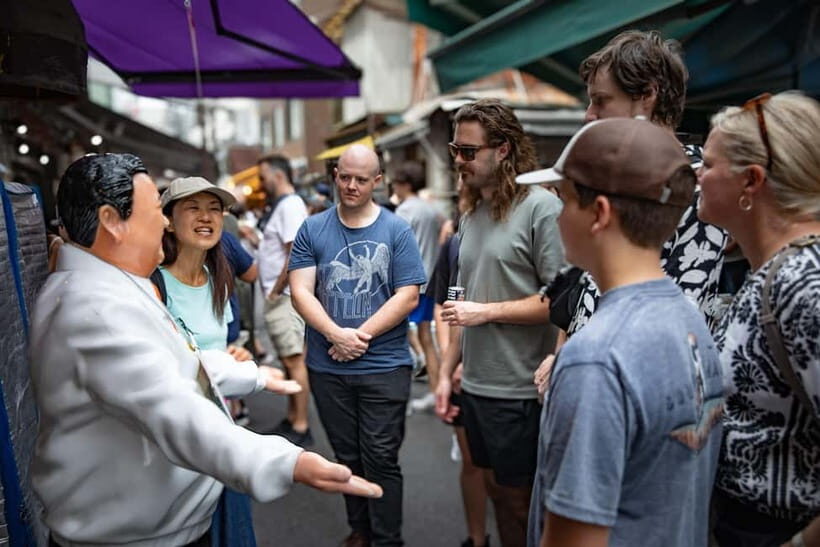
- Keiko’s vendor connections: the guide’s rapport helps you get more context with fewer dead ends.
- A meal worth of tastings: you’re sampling multiple categories, not just one signature plate.
- Context with each sample: you learn what you’re eating and why it shows up in Tsukiji-style food.
- Practical off-the-route snacks: you’ll likely try items you wouldn’t choose on your own.
- English-led pacing: the tour runs for 150 minutes, so you get momentum without feeling rushed.
- Come with space: the tour is food-forward, so arriving too full cuts the fun.
Tsukiji Outer Market: why a food tour makes sense here
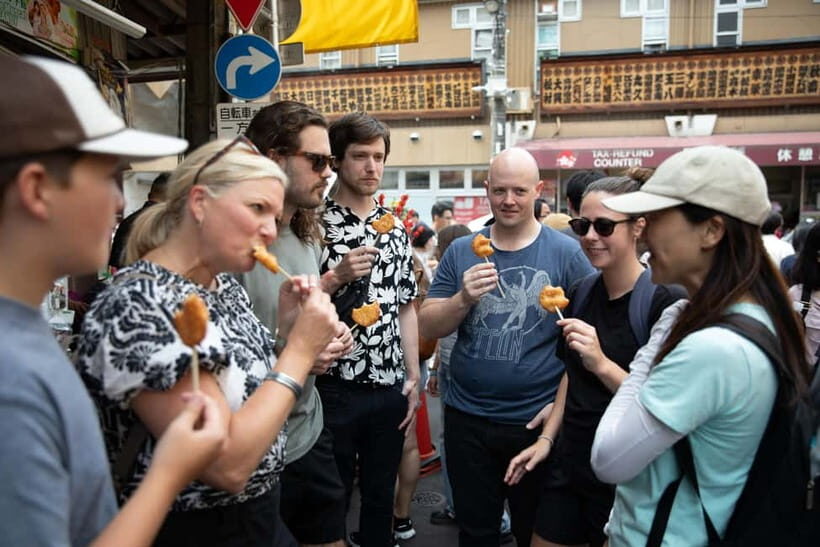
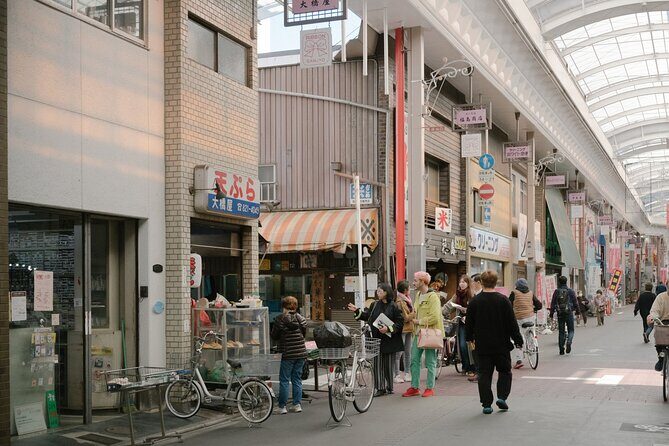
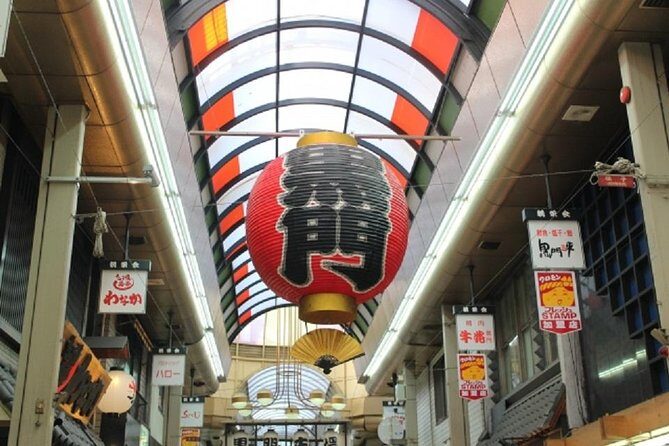
Tsukiji is one of those Tokyo destinations that can feel overwhelming fast. The sights and smells hit you immediately, and the menu choices can be confusing if you don’t speak Japanese or know what to look for. That’s exactly where a guided format helps: you’re not just walking the Tsukiji Outer Market—you’re learning how to make sense of it while you eat.
What I like most is that this kind of tour doesn’t treat the market as a theme park. You’re following a path that connects seafood choices to everyday habits, and you get history plus practical cues you can carry with you the rest of the trip. Even if you only understand part of the explanations, the tastings do the teaching.
You can also read our reviews of more food & drink experiences in Chuo City
Meeting at LAWSON Tsukiji 4 Chome Store (and what you’ll do first)
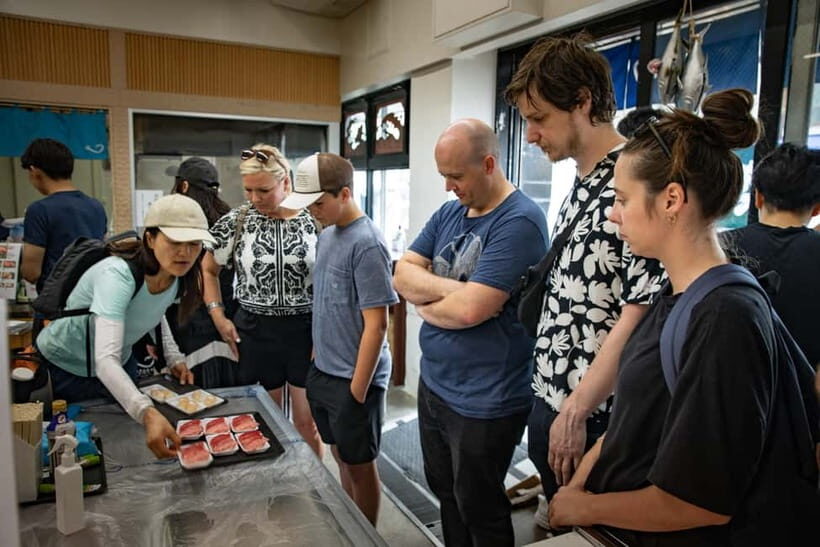
The tour starts at LAWSON Tsukiji 4 Chome Store, and the guide will be holding a board. Plan to arrive about 10 minutes early so you can find them quickly and start on time.
That first stretch matters more than you might think. The market can be loud, crowded, and visually busy, and the tour experience is smoother when you begin with a clear meeting point and a guide who can herd you (politely) toward good stalls and efficient routes.
This tour is English-led and is listed as wheelchair accessible, which is helpful for travelers who want market access without the usual stairs-and-cobblestones stress. You’ll still want to wear comfortable shoes because you’ll be walking through a working area.
The tastings: what you actually eat in 150 minutes
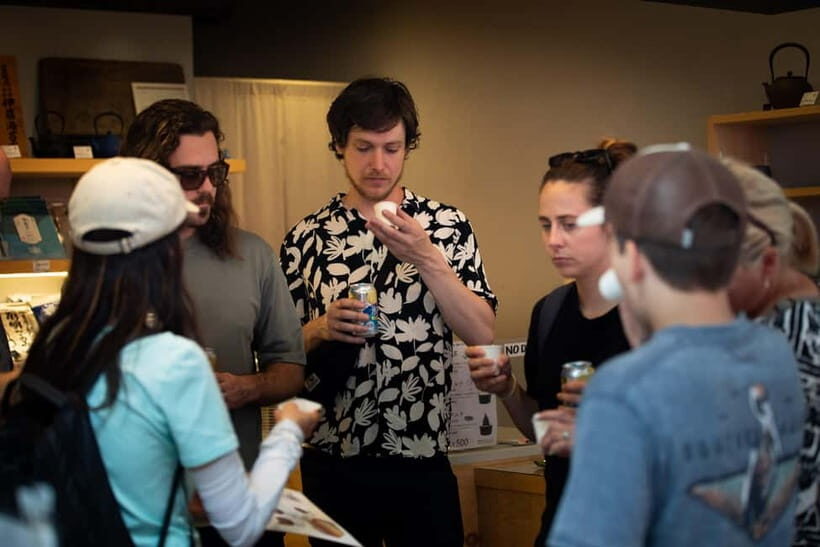
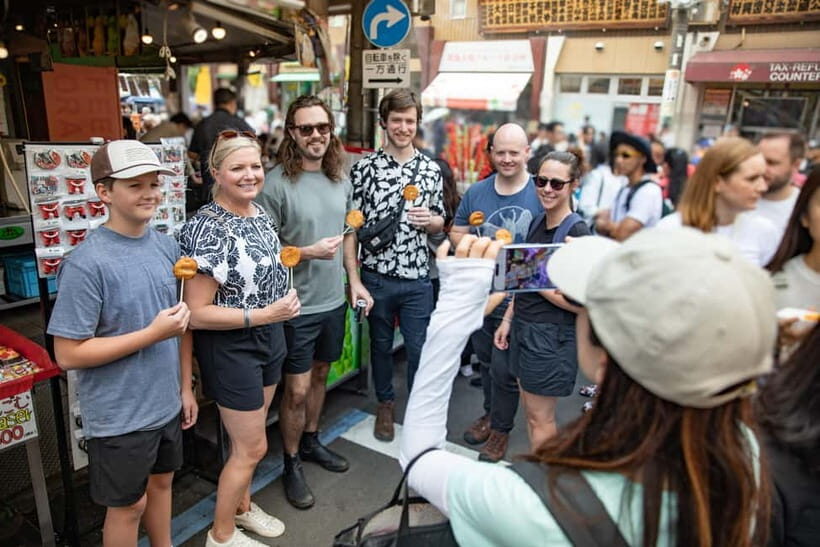
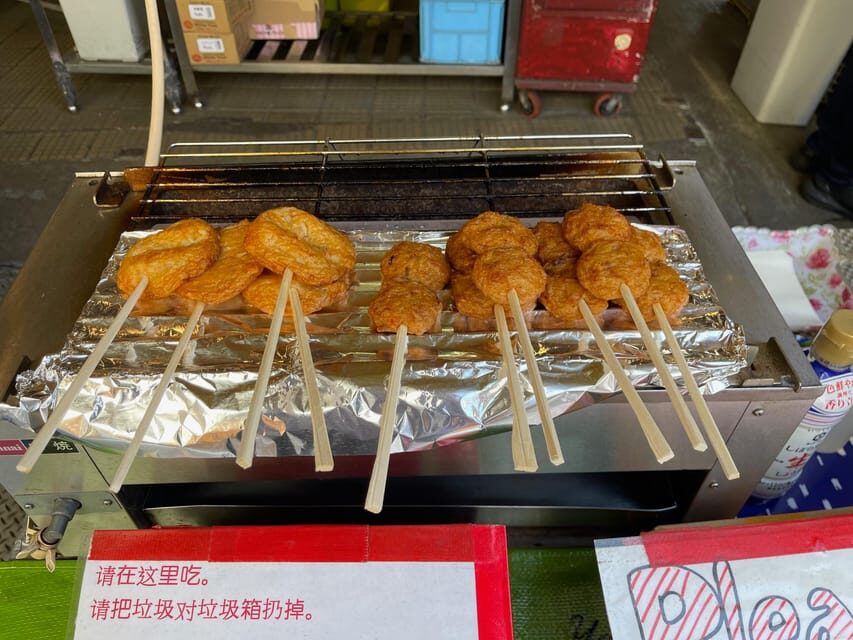
This isn’t a light-snack situation. The tour includes a sequence of items such as tuna sushi, sashimi, dashi soup, green tea, plus additional bites like fish cake and an egg roll. You’ll also taste more than what’s named in the highlights, which is where the real value starts to show.
Here’s why that menu mix works so well:
- Sushi and sashimi give you the seafood core of the Tsukiji story.
- Dashi soup brings you something warm and grounding after seafood-heavy bites.
- Green tea helps reset your palate between vendors.
- Items like fish cake and egg roll keep you balanced so the tour feels like a meal, not just a tasting marathon.
The most practical advice I’d give you: skip breakfast before you go. Multiple people specifically call this out, and for good reason—when the food is included and paced through multiple stops, arriving hungry is the difference between enjoying everything and feeling stuffed by the second or third tasting.
How the guide turns a market into a story you can remember
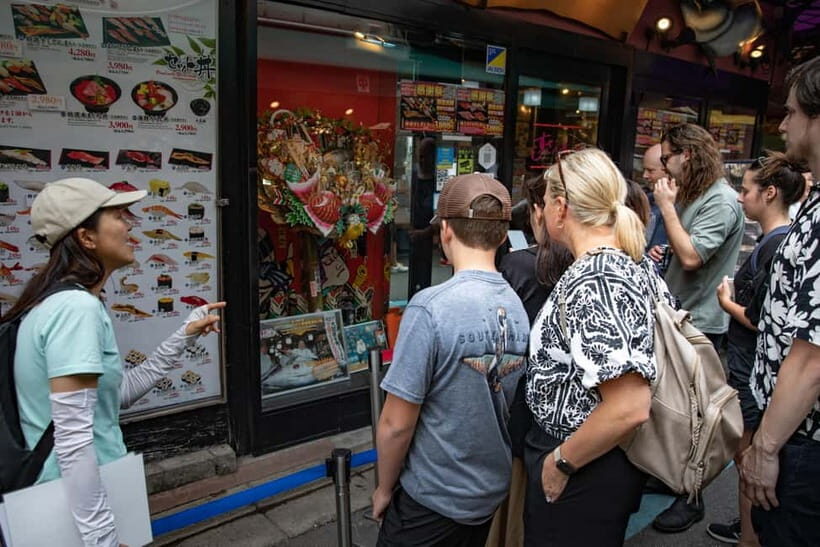
The best part of this tour is how the guide connects food to place. The format is straightforward: you move from vendor to vendor, taste something, then learn what’s behind it—how Tsukiji’s seafood culture developed, and what’s special about the choices you’re making.
In the reviews, Keiko stands out for being both personable and knowledgeable, but the bigger takeaway is her ability to talk with vendors in a way that feels respectful and natural. When that rapport is there, your questions get better answers. You also spend less time guessing what to order, because the guide is steering you toward foods you might not risk on your own.
I also like that the tour doesn’t just throw facts at you. You’re tasting while you listen, so the information sticks. A history nugget lands better when you can taste the flavors that history turned into.
Tsukiji Outer Market stops: what each phase feels like
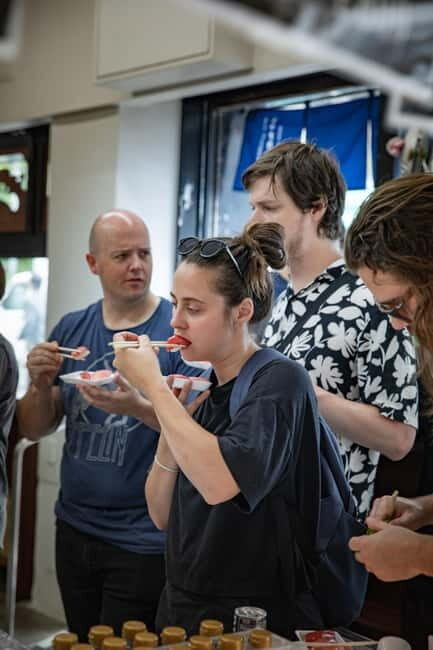
Because the tour finishes at Tsukiji Outer Market, you spend the bulk of your time right in the food zone, moving along a vendor-focused route.

Start phase: orientation and first bites
Early on, you’ll get a warm welcome and then head out into the market. This is when things can feel most chaotic—so it’s a smart move to begin with structure. A good guide helps you read what’s in front of you: which stall types specialize in what, how seafood is presented, and what to expect from each tasting.
Main phase: guided food sampling
This is where you’ll work through sushi, sashimi, soup, tea, and additional snacks. The rhythm is important: you’re not just collecting items, you’re getting explanations alongside each one. That turns each stop into a mini lesson and helps you avoid that tourist feeling of ordering something and hoping it’s the right call.
Finish phase: closing out at the market
You end back at Tsukiji Outer Market, so you can keep exploring afterward with better eyes. If you want to continue on your own, you’ll likely feel more confident spotting what the guide recommended and recognizing why certain stalls are worth your time.
Off-the-route snacks that help you order later
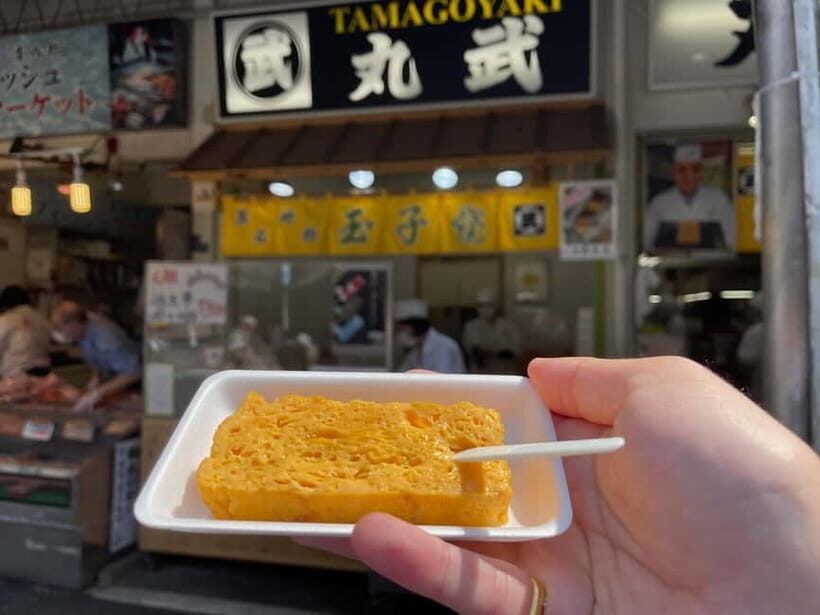
One of the tour’s strengths is that it’s not limited to the most obvious seafood counters. The experience is designed to take you to smaller, less predictable stops where the food feels more local than tourist-influenced.
Even if you don’t end up loving every single bite (that happens with seafood-heavy menus), the “try it once with a guide” approach has a payoff. You learn what styles you prefer, and later, when you’re standing in a different market or a restaurant, you’ll have a reference point for how flavors and textures should feel.
This is also where the guide’s confidence matters. If you’re the type who would rather ask questions than guess, you’ll get a lot out of the vendor interactions.
Price and value: is $83 worth it?
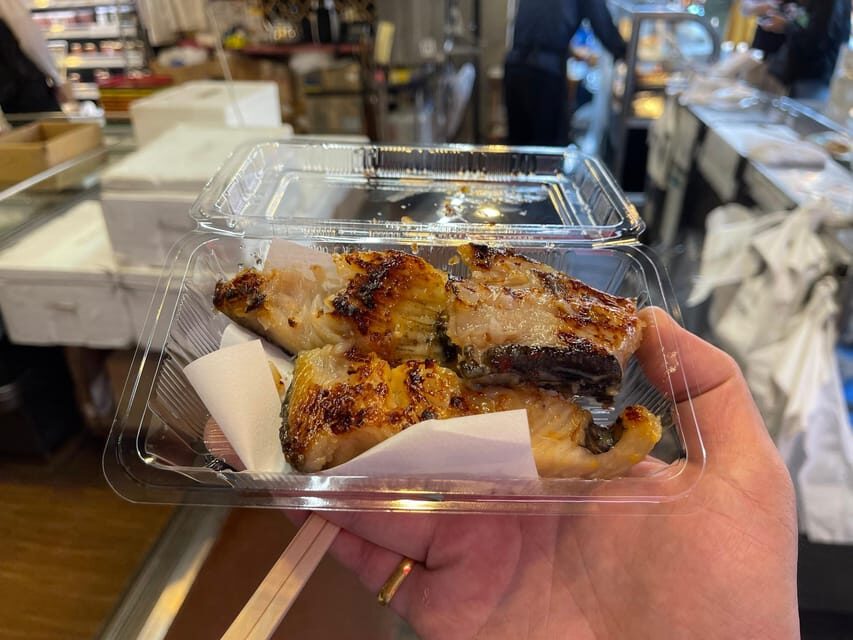
At $83 per person for about 150 minutes, you’re paying for three things: time, access, and translation—plus the food itself.
Here’s the practical value math in plain terms:
- You’re not buying just one item; you’re getting a multi-stop meal that includes sushi, sashimi, soup, tea, and additional bites.
- You’re saving effort: navigating the market and figuring out what to choose takes real energy. The tour trades your uncertainty for an efficient route.
- You’re also buying context. The market can be confusing, but explanations help you understand what you’re eating and how to recreate that logic later.
Could you walk around Tsukiji and pick things yourself? Sure. But if you want the benefits of vendor access, curated pacing, and an English guide to connect food to place, this price is easier to justify—especially if it’s one of your first Tokyo food experiences.
The one thing to watch: how structured is the route?
A balanced review should mention that not everyone is thrilled with guided structure. One negative take describes a route that felt pre-determined and not especially different from what someone could do independently.
So here’s my advice:
- If you like having a plan and want to maximize food and learning in a limited time, this tour format usually works well.
- If you want to steer every turn yourself and choose every stall based on your own curiosity, you might find a guided route slightly restrictive.
This is the tradeoff. Most people prefer “guide-led clarity” at Tsukiji, but it’s worth aligning your expectations.
Timing tips: how to get the most from your appetite
Because the included food is substantial, plan your day around the tour.
Do this:
- Arrive ready to eat and skip breakfast if you can.
- Bring water if you’re the type who drinks often during walks (the tour includes tea, but you might still want your own pace).
Try not to do this:
- Don’t show up already full. People explicitly recommend skipping breakfast because it’s easy to overestimate how much you can handle once you start sampling.
If you’re sensitive to seafood or have restrictions, double-check before booking. The tour is clearly seafood-centered from the included items, so you’ll want to be sure it matches your comfort level.
Who this tour is best for
This is a strong fit if you:
- Want an English explanation in a market that can be hard to navigate on your own.
- Like learning while you eat, not just eating and moving on.
- Want a food-first introduction to Tsukiji that leaves you better prepared to explore later.
- Value a guide’s ability to communicate with vendors and help you try new items.
It may be less ideal if you:
- Prefer totally independent wandering and don’t want a set route.
- Expect every stop to feel like a secret local perch rather than a guided tasting path.
- Want to keep the tasting portion very light.
Should you book the Tsukiji Fish Market food tour?
Book it if your priority is a guided, seafood-focused food experience that saves you time and boosts your confidence in what you order. The repeated praise for Keiko’s friendly approach and strong relationships with market vendors is a big signal that the tour doesn’t feel like a script—it feels like a real market conversation with tastings attached.
Skip or consider alternatives if you’re the do-it-yourself type who dislikes pre-planned routes, or if you’re hoping for a low-food, low-structure walk. With a multi-item menu, this tour is best when you’re ready to eat and listen.
If you’re only doing one Tsukiji-related food activity, this is one of the more sensible ways to get both flavor and context in 150 minutes.
FAQ
How long is the Tokyo Tsukiji Fish Market food tour?
The duration is 150 minutes.
Where do I meet the guide?
The meeting point is LAWSON Tsukiji 4 Chome Store. The guide will be holding a board.
What time should I arrive?
Please come to the meeting point 10 minutes before the tour starts.
What language is the tour guide?
The tour includes a live tour guide in English.
Is the tour wheelchair accessible?
Yes, it is listed as wheelchair accessible.
What food is included?
Included tastings include tuna sushi, fish cake, egg roll, sashimi, dashi soup, green tea, and more.
Does the tour take place at Tsukiji Outer Market?
Yes. The tour visits Tsukiji Outer Market and finishes there as well.
What’s the cancellation policy?
You can cancel up to 24 hours in advance for a full refund.
Is there a reserve and pay later option?
Yes, there is a reserve now & pay later option described for flexibility.