REVIEW · TOKYO
Mount Fuji: Full-Day Tour with Private Van
Book on GetYourGuide →Operated by JCK co Ltd · Bookable on GetYourGuide
Two icons in one day is a rare deal. This Mount Fuji and Hakone private van tour links the classic Fuji viewpoints with Hakone’s volcano and hot-spring atmosphere, all with comfortable Tokyo-to-country transport. I especially like the way the day is paced: you get Fuji photo time, then the Hakone sights, without the stress of transfers. You’re also capped at a small group size (up to 9), which keeps the vibe calmer than most big bus tours.
Here’s the one thing to weigh: the driver can speak basic English but can’t run the tour in English. If you need a full English narration, plan on a Chinese or Japanese support option. The good news is that the driver tends to handle weather changes well, so you’re not completely at the mercy of clouds.
In This Review
- Key highlights worth planning around
- Why a private van day trip from Tokyo works for Fuji + Hakone
- Tokyo pickup to the Fuji Visitor Center: the morning that sets the tone
- Oshinohakkai ponds: small scenery, big Fuji vibes
- Gotenba lunch break: plan for food on your own
- Hakone Ashinoko Lake and Owakudani: geothermal drama after the Fuji calm
- Driver and language reality: what you can expect in English (and Chinese)
- Budgeting: entrance fees and lunch can change your final total
- Weather and visibility: why this route still makes sense if Fuji is shy
- Pickup accuracy: the small detail that prevents big headaches
- Who this tour is best for (and who might want a different style)
- Should you book this Mount Fuji and Hakone private van tour?
- FAQ
- How long is the Mount Fuji and Hakone day tour?
- What is the price and group size?
- What’s included in the tour price?
- Is lunch included?
- Are entrance fees included?
- What languages can the driver use?
- What’s the cancellation policy?
Key highlights worth planning around
- Private van door pickup in Tokyo: convenient start, no public-transport puzzle pieces
- Mount Fuji Visitor Center photo time: built-in moments for your best pictures
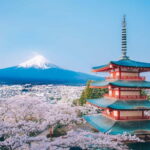
- Oshinohakkai’s pond-and-Fuji scenery: iconic, photogenic, and very “Japan”
- Hakone Ashinoko Lake stop: a scenic reset after the Fuji area
- Owakudani volcano valley: the day pivots to geothermal sights
- Small-group flexibility: easier to adjust your day when visibility turns
Why a private van day trip from Tokyo works for Fuji + Hakone
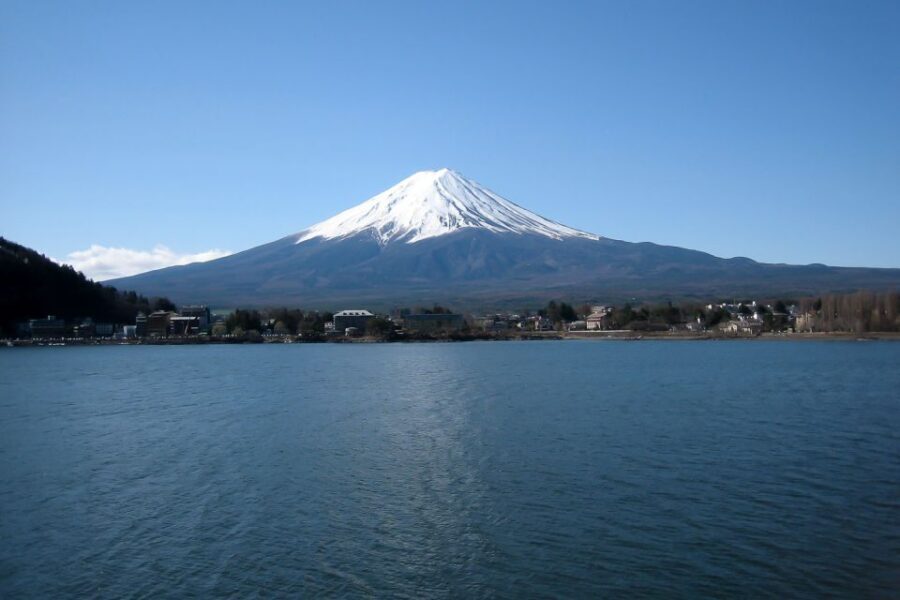
If your time in Japan is tight, a private-van format makes a big difference. You’re not juggling train timing, transfers, and platform changes while trying to catch Mount Fuji in good weather. Instead, you get a direct, comfortable transfer from central Tokyo into the Fuji area, then onward to Hakone, then back again.
The practical win is the pacing. A 10-hour day is long enough to hit multiple “must-see” zones, but private transport keeps it from feeling like a sprint. Price-wise, $740 per group (up to 9 people) isn’t “cheap,” but it can be good value if you’re traveling as a group of friends or a family and splitting the cost. You also get the driver as the main included service, which matters because the day depends on route choices and smooth logistics.
One caution: this is not a narrated sightseeing tour in fluent English. The driver’s language setup is more limited than you might expect. That affects how “guided” the experience feels, especially if you rely on in-depth English explanations at each stop.
You can also read our reviews of more private tours in Tokyo

Tokyo pickup to the Fuji Visitor Center: the morning that sets the tone
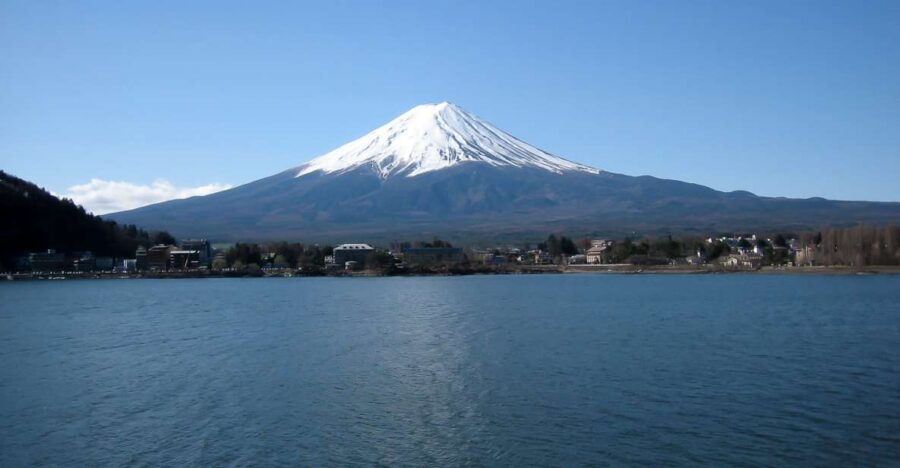
The day begins with pickup in Tokyo’s 23 wards, then a drive of about 1.5 hours to the Fuji Visitor Center area. That timing matters because Mount Fuji visibility can change fast. Morning light, plus a less crowded stop, often helps you get clean views and good photo angles.
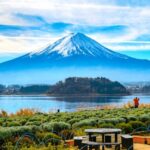
At the Visitor Center, you’ll have time to admire Mount Fuji and take photos. This isn’t a rushed “look once, move on” stop. It’s a dedicated viewing moment that lets you wait for the mountain to show itself—clouds and haze can roll in and out.
Practical tip: treat this as your “camera window.” Bring a lens you’re comfortable with for long-distance shots, and keep your phone settings ready. If you’re layering up for cold weather, put outer gear on early; it’s much easier than changing clothes mid-wait.
Oshinohakkai ponds: small scenery, big Fuji vibes
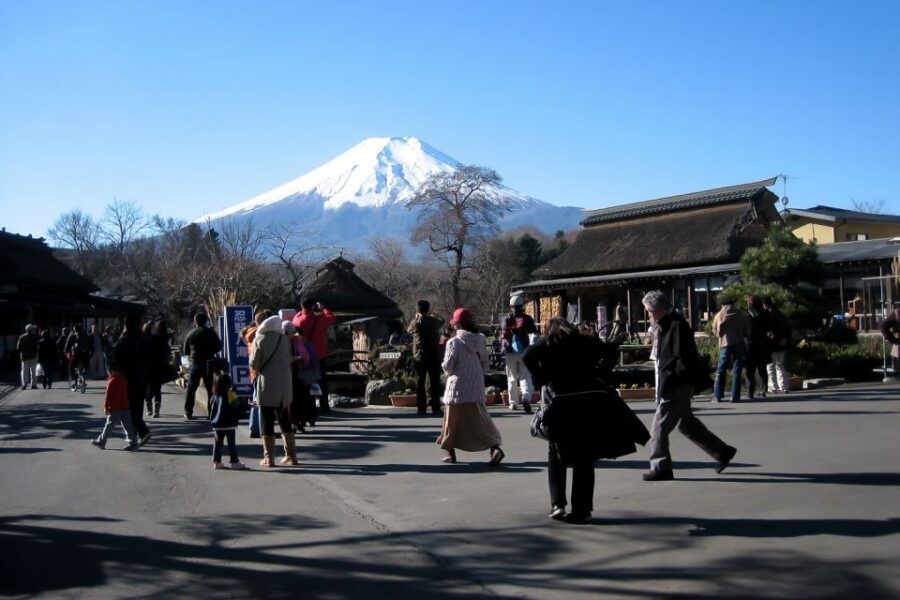
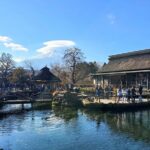
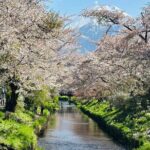
After the photo time, the route heads to Oshinohakkai, known for its eight ponds near Mount Fuji. Even if you’ve seen pictures online, it tends to feel different in person—calmer, more intimate, and grounded in the landscape that surrounds the mountain.
Why it’s worth your attention: Oshinohakkai is one of the clearest ways to connect Mount Fuji to everyday nature. Instead of only thinking about the volcano itself, you see the water system and the quiet rhythm of the area. For many first-timers, it’s the moment where the trip stops being “just a view” and becomes a place.
Time-wise, this is a stop that balances scenery and breathing room. You’re not stuck in a single viewpoint with people pressing around you. You can walk at your own pace and take photos from different angles.
Gotenba lunch break: plan for food on your own
Next comes a lunch break stop around Gotenba. Lunch is not included, so you’ll be choosing your own spot while you’re on the way.
This is where you should think like a smart traveler: don’t assume you’ll find a perfect meal without effort. If you have any dietary needs, keep it simple—choose a place where you can point or show preferences, and give yourself a little time to decide.
Also, remember the rhythm of the day. Since Hakone comes after lunch, aim for something filling but not overly heavy. You’ll do better if you keep your energy for later viewpoints around the lake and the volcano valley.
Hakone Ashinoko Lake and Owakudani: geothermal drama after the Fuji calm
In the afternoon, the tour shifts into Hakone territory—famous for nature and hot springs, but today you’ll see it through two specific stops: Hakone Ashinoko Lake and Owakutani.
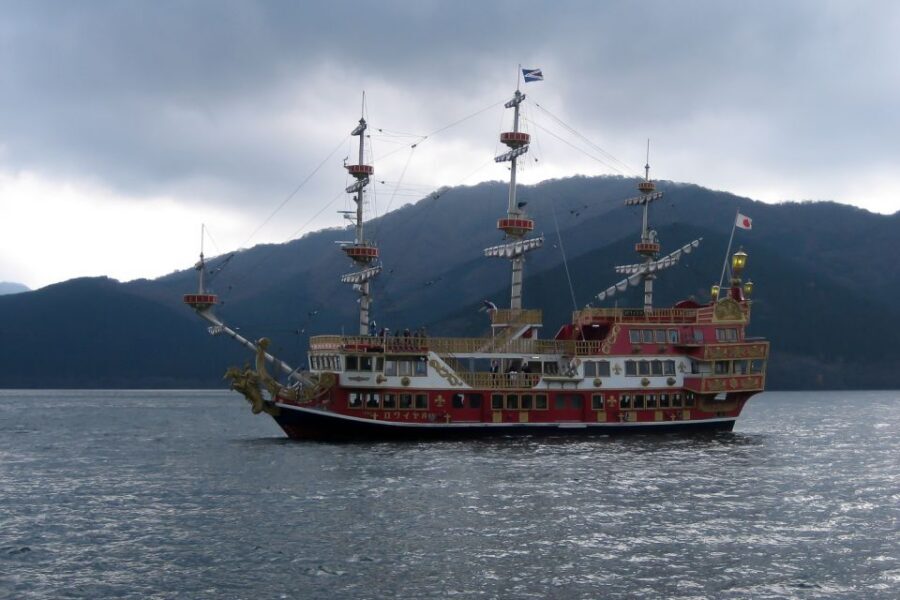
Hakone Ashinoko Lake is a classic scenery reset. Water views tend to cool down the pace after the Fuji area, and they give your eyes a new kind of frame for photos. Even if the skies are a bit uncertain, lake settings often look good because you get reflected light and layered mountain tones.
Then the day pushes into the more dramatic side with Owakutani, the volcano valley. This is the kind of place where you understand why Hakone is tied to geothermal energy. The atmosphere can feel otherworldly—more active, more earthy, and visually different from the pond-and-mountain scenery earlier in the day.
What to expect practically: this part of the day can feel cooler or windier depending on conditions. Bring a light jacket or layer you can manage easily. If you’re sensitive to strong smells, you’ll likely notice the geothermal side more here than at earlier stops—plan for that mentally.
A few more Tokyo tours and experiences worth a look

Driver and language reality: what you can expect in English (and Chinese)
Here’s the most important “know before you go” detail: the driver can speak basic English, but they cannot conduct the tour in English. That means you shouldn’t expect full commentary in English as you move between stops.
If you want more guided communication, the tour offers the possibility of a Chinese experience. That can be a big improvement if you’re comfortable reading or understanding Chinese explanations during the day.
So what should you do if you don’t speak Chinese or Japanese? You’ll still get transportation and access to the key spots, but your experience may rely more on your own reading and the signage at each location. I recommend doing a quick personal prep: learn a few key terms for the places you’ll visit (Fuji Visitor Center, Oshinohakkai, Ashi Lake, Owakudani). It makes the day feel less like you’re waiting and more like you’re actually following along.
Also, the driver tends to adjust for weather issues. That’s reassuring, because Mount Fuji visibility isn’t guaranteed. If clouds roll in, you want someone who knows how to handle the day without panic.
Budgeting: entrance fees and lunch can change your final total
Transportation with the driver is included, but entrance fees and lunch are not. For you, that means the “$740 per group” price is the base cost, then you should plan for additional per-person spending once you’re on-site.
What I like about this setup is flexibility. You can pick where to eat (since lunch is on you), and you can decide how much to pay for entry experiences depending on your priorities that day.
Practical budgeting approach:
- Keep some cash on hand for small purchases and fee counters.
- If you use a transit card (IC card), you might find it useful for many payments, but don’t assume it’s universal for every fee point.
- If your group splits the cost, also split your entrance spending so one person isn’t stuck paying everything.
Weather and visibility: why this route still makes sense if Fuji is shy
Mount Fuji can hide behind cloud cover. If that happens, it doesn’t have to ruin your day. The best sign here is that the driver has a track record of handling weather problems by knowing where to go when conditions aren’t ideal.
What you should do in real life: stay flexible with your expectations at the Visitor Center. If Fuji isn’t fully visible at first, you’re not forced into a single “all or nothing” moment. Give it a little time and be ready to shift focus to other parts of the day.
This is one reason a private format can feel less frustrating than group bus tours. When the day changes, it’s easier to adapt without dragging a whole crowd through additional uncertainty.
Pickup accuracy: the small detail that prevents big headaches
One practical lesson to take seriously: pickup depends on correct hotel/address details. A clear booking address matters, especially in dense Tokyo where multiple buildings sit close together.
If you’re booking this kind of door pickup, double-check:
- Your accommodation name exactly as it appears in your confirmation materials
- The full address or the precise location detail your provider can find
- Any instructions that help the driver locate the correct entrance
Also, keep a reachable contact method ready for the morning of the tour. If you miss calls or can’t connect, timing can unravel quickly.
Who this tour is best for (and who might want a different style)
This tour fits best when you value efficiency and comfort. I’d point you toward it if:
- You’re traveling in a group of up to 9 and want shared transport rather than train transfers
- You want a full-day plan that combines Mount Fuji sights with Hakone geothermal stops
- You’d rather have a driver handle the driving and timing while you focus on photos and sightseeing
It may not fit as well if:
- You need the tour narration in fluent English (the driver can’t conduct the tour in English)
- Your group prefers a slower pace with lots of free roaming time in one place
- You’re hoping lunch and entrance fees are fully included
If you do have flexibility on language and you’re okay with a more “transport + key stops” style, this can be an easy, low-stress way to see both Fuji and Hakone.
Should you book this Mount Fuji and Hakone private van tour?
I’d book it if you want one day that hits both big-ticket areas—Mount Fuji and Hakone—without the transportation hassle. The private van format is the real value driver here, especially for groups who can split the cost. I also like that the plan includes photo time, a classic pond stop, and then a dramatic geothermal finish.
The key decision point is language. If you can do Chinese or Japanese, you’ll likely feel more connected to the story of each stop. If you only speak English, go in knowing you’ll be relying more on signage and your own reading rather than a full English guide-style narration.
If your top priority is the easiest logistics with the biggest variety in a single day, this is a strong candidate.
FAQ
How long is the Mount Fuji and Hakone day tour?
The tour duration is 10 hours, and starting times depend on availability.
What is the price and group size?
It costs $740 per group, up to 9 people.
What’s included in the tour price?
Transportation with a driver is included.
Is lunch included?
No. Lunch is not included.
Are entrance fees included?
No. Entrance fees are not included.
What languages can the driver use?
The driver can speak Japanese, Chinese, and English at a basic level. The driver cannot conduct the tour in English, and you can request a Chinese-language experience.
What’s the cancellation policy?
Free cancellation is available up to 24 hours in advance for a full refund.