REVIEW · TOKYO
Tokyo: Beyond Asakusa to Kappabashi Kitchen Town
Book on GetYourGuide →Operated by Reelu inc · Bookable on GetYourGuide
Tokyo’s temple steps have a way of resetting you. This tour strings together Asakusa’s most iconic entrances, a hands-on fortune-telling moment, and then drops you into Kappabashi Kitchen Town, where the kitchen gear is on another level. I like that it’s not just sightseeing—your guide shows you what to do during the rituals, so you understand the meaning rather than just watching.
Two things I really like: first, the route connects the big, dramatic sights (Kaminarimon, Sensō-ji) with smaller, human details (shopping street traditions, how people drink and snack after work on Hoppy Street). Second, the Kappabashi stop is built for food obsessives: you’ll see the kinds of knives and tools professionals use, plus those hyper-realistic plastic food displays that look good enough to eat.
One possible drawback: you’ll walk a fair bit in just two hours, and you should expect to participate (cleansing and fortune-telling are active parts of the experience), not just stand around for photos.
In This Review
- Key takeaways before you go
- From Kaminarimon’s Red Lantern to Kitchen Culture in 2 Hours
- Kaminarimon Gate and Nakamise Shopping Street: Start Like a Local
- Hozomon Gate and Sensō-ji Ritual Steps: How to Do It Right
- Asakusa Shrine Nearby: Japan’s Two-Religion Neighbors in One Walk
- Hoppy Street and Rokku Street: Izakaya After-Work Culture, Up Close
- Kappabashi Kitchen Town: Knives, Plastic Food, and What Chefs Really Shop For
- Price and Value: What $17 Buys You (and What It Doesn’t)
- Who Should Book This Tour
- Should you book this Tokyo walk?
- FAQ
- Where do I meet the guide?
- How long is the tour?
- What does it cost?
- Are food and drinks included?
- What cultural activities are included in the tour?
- Do I need to draw and tie my own fortune paper?
- What languages are available?
- What should I bring or wear?
Key takeaways before you go
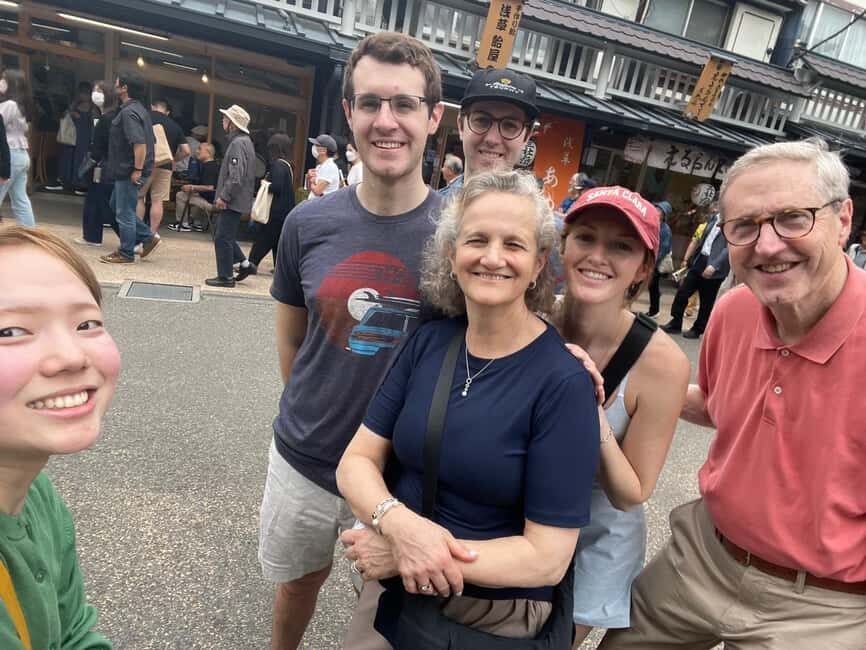
- Hands-on fortune-telling where you learn how to draw, read, and tie your fortune paper properly
- Ritual guidance at Sensō-ji including purification and incense etiquette, not just temple facts
- Hoppy Street + izakaya culture in a narrow alley setting, with context on Hoppy and kushikatsu
- Kappabashi Kitchen Town for real buyers: chef tools, generations-old craftsmanship, and professional-grade displays
- A guide who puts history into stories (including personal examples from guides like Shun and language support from guides like Sanae)
From Kaminarimon’s Red Lantern to Kitchen Culture in 2 Hours
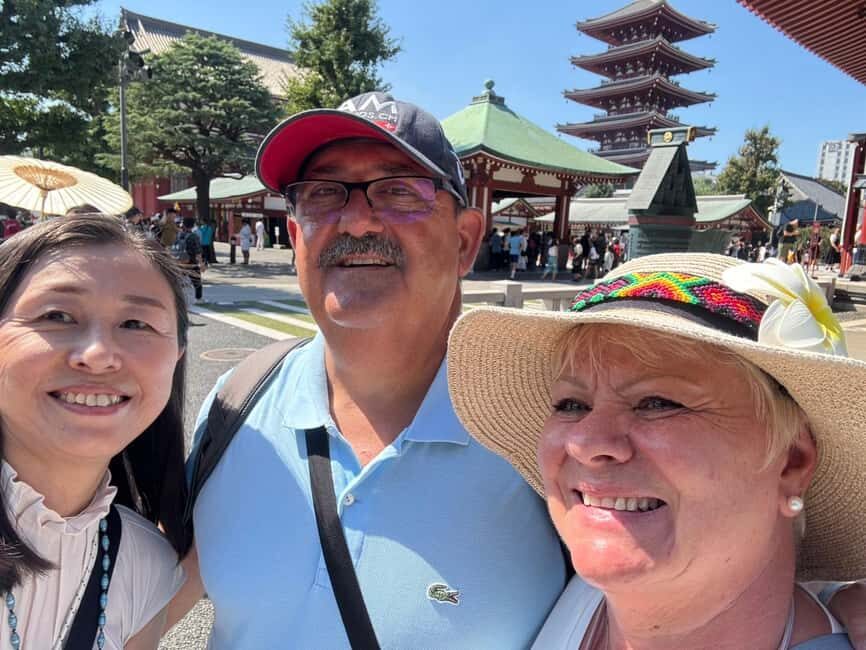
This tour works because it has a clean story arc. You start at the huge, famous entrance of Asakusa—Kaminarimon with its massive red lantern—and you move forward from there like you’re walking through layers of Tokyo’s past. Then, instead of ending with another temple photo, it pivots into food-world Tokyo at Kappabashi Kitchen Town, which is where a lot of culinary professionals shop.
The pacing is smart for two hours: you get short, high-impact stops rather than a long slog. You’ll spend time on the key spiritual area around Sensō-ji, but you also get to break the mood with shopping streets and nightlife lanes like Hoppy Street. The mix is what makes this feel more like a guided day you’d plan yourself, not a checklist.
The price also makes sense if you factor in what’s included. It’s $17 per person for a guided walking tour plus the cultural participation pieces (purification ritual and the fortune-telling). You still pay for any food or what you buy, but your guide is doing the heavy lifting: route context, cultural explanations, and helping you read the spaces correctly.
One note: if you’re the type who hates following instructions, the ritual parts might feel awkward at first. If you’re curious, though, you’ll likely find that doing the small steps makes everything click.
You can also read our reviews of more tours and experiences in Tokyo.



Kaminarimon Gate and Nakamise Shopping Street: Start Like a Local
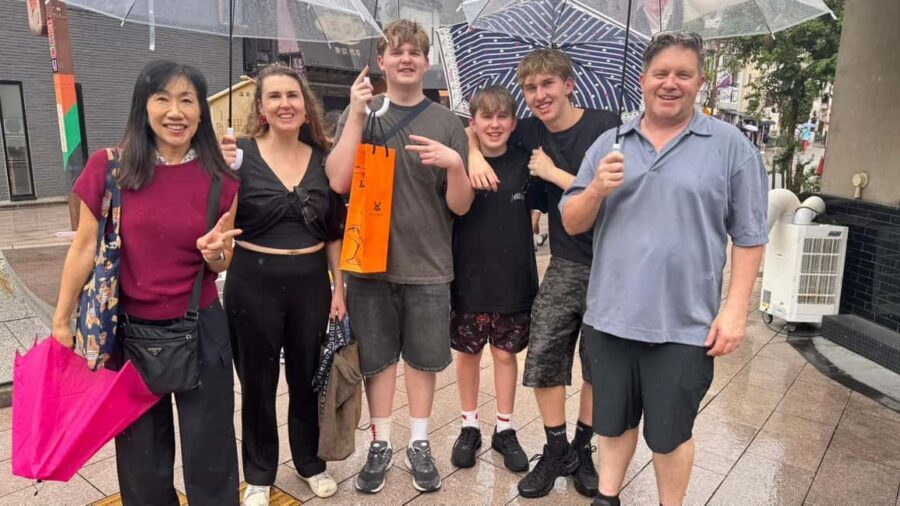
You meet at Starbucks Coffee – Kaminarimon, and your guide holds a paper with the tour name. From there, you’re aimed directly at the big moment: Kaminarimon Gate. This isn’t just a photo spot. Your guide explains why the gate matters and how it became the iconic entrance people recognize.
Then you walk down Nakamise Shopping Street, which dates back to the Edo period. This is where Asakusa shows its merchant side. You’ll see the rhythm of a traditional shopping street: snack stalls, small souvenir shops, and the kind of handcrafted items that you don’t get anywhere else because they’re tied to the area’s long-standing trading culture.
Expect chances to sample traditional snacks, but remember: food and drinks aren’t included. That’s a good thing, honestly. You can try what you want without feeling obligated to pay for a set menu. It’s also where it helps to have a guide—picking one snack over ten options gets easier when you know what you’re looking at.
A practical tip: wear comfortable shoes. The path is manageable, but it’s continuous walking plus crowd movement near the temple zone.
Hozomon Gate and Sensō-ji Ritual Steps: How to Do It Right
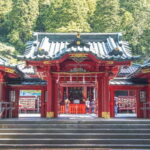
When the route reaches the temple approach, you go through the impressive two-story Hozomon Gate. Your guide points out the idea of a spiritual gateway, not just the architecture. It’s useful context because Japanese temple spaces often have a sense of order: you’re moving through thresholds, and each area has its own function.
Then comes the part most people only watch. You participate in a traditional Japanese fortune-telling ritual, and the key detail is that you’re not left to guess. You’ll learn how to draw, read, and tie your fortune paper properly. That’s the difference between passively taking a picture and actually understanding the practice.
Next is the purification moment at the cleansing fountain. You’ll also experience incense as part of the ritual flow. Your guide explains the significance in Japanese Buddhism, so it doesn’t feel like you’re just doing a weird chore for a souvenir. If you want a temple experience that feels respectful and not touristy, this is where the tour earns its spot.
You’ll then explore Sensō-ji Temple itself, founded in 628 AD. The big story your guide should emphasize is survival and continuity: how it has endured wars, disasters, and urban change while maintaining its spiritual essence. That helps you see the temple as more than a landmark—it’s a living place with a long memory.
Possible drawback: the ritual zone can get crowded, especially around key photo areas. If you’re expecting lots of quiet time to think, you might not get it. But you will get help navigating what’s happening, and that matters when you’re in a dense ceremonial space.
Asakusa Shrine Nearby: Japan’s Two-Religion Neighbors in One Walk
After the Buddhist core of Sensō-ji, the tour includes Asakusa Shrine nearby. The value here is the contrast. You’ll get a look at the unique coexistence of Japan’s two major religions—Buddhism and Shinto—and how their architectural styles and practices feel different even when they share the same area.
This stop is especially helpful if you’re not a Japan-scholar type. You don’t need a textbook when you have a guide showing you what to notice. Pay attention to how the shrine space feels more about presence and worship style, while the temple space feels more about the historic and ceremonial flow. Your guide helps you connect those impressions back to the broader idea of how Japan can hold different traditions side by side.
If you’re traveling with kids or you’re visiting for the first time, this is also a good “pause” stop. It breaks up the heavier ritual intensity of the temple and gives you a visual change of pace. It’s not just one more building—it’s a lesson you can see.
Hoppy Street and Rokku Street: Izakaya After-Work Culture, Up Close
Right after the temple atmosphere, you shift into a different Tokyo mood: Hoppy Street. This is a narrow alley lined with traditional izakaya, so the setting itself teaches you what Japanese after-work drinking culture feels like—small spaces, social energy, and food that’s built for sharing.
Your guide focuses on what to look for and what it means. You’ll learn about Hoppy, described here as a local beer-like beverage, and you’ll hear how it fits into the scene. You’ll also get context on kushikatsu, another classic pairing for this kind of evening outing.
Then you walk through Rokku Street, an entertainment quarter with history that once rivaled Tokyo’s major theater districts. Today, it’s a mix of old and new Japanese popular culture. That contrast is worth noting: it’s the kind of place where Tokyo keeps reinventing its own nightlife without fully erasing the past.
One reality check: since food and drinks aren’t included, you might not taste Hoppy or kushikatsu during the tour. That’s normal. The tour is about orientation and culture, so you can decide afterward where you want to spend your yen.




Kappabashi Kitchen Town: Knives, Plastic Food, and What Chefs Really Shop For
The grand payoff of the tour is Kappabashi Kitchen Town. This is not a place built for casual souvenir shoppers who want one trinket and then leave. It’s a place where chefs, restaurateurs, and serious cooks have been shopping for over 100 years.
You’ll browse kitchenware shops that cater to professionals. Expect to see authentic Japanese kitchen knives crafted by generations-old smithies. The point isn’t to pressure you into buying; it’s to show you what quality looks like and why Japanese knives have such a reputation. Even if you never buy one, it’s still fascinating to see the craftsmanship culture in action.
Then there’s the visual treat: hyper-realistic plastic food displays. They look like miniature meals frozen mid-bite. It’s one of those details that makes the shopping street feel like part museum, part technique lab.
Your guide can also help you move efficiently through the area. One practical advantage I love in tours like this: you get recommendations that keep you from wandering in circles for an hour. That matters at Kappabashi, because there are a lot of shops and a lot of temptations.
Bring cash if you want to buy. And set expectations: the knives and tools can be pricey, even when you’re just browsing. If you’re not ready to spend big, plan for small-ticket souvenirs instead.
Price and Value: What $17 Buys You (and What It Doesn’t)
At $17 per person for a two-hour guided experience, the value is in what’s included: guided walking, cultural participation (fortune-telling and purification), and curated exploration of Hoppy Street and Kappabashi. In other words, you’re paying for context and access to experiences that are easy to misunderstand on your own.
What’s not included is also clear: food and drinks and personal shopping expenses. That can be a benefit. You won’t feel forced into buying something you don’t want, and you can choose snacks, drinks, or souvenirs based on your own budget and curiosity.
If you’re trying to squeeze Asakusa into a short time window, this tour gives you more coverage than you’d get if you tried to DIY it with a map. It also reduces decision fatigue. You spend less time figuring out what matters and more time enjoying what’s in front of you.
Who Should Book This Tour
This is a strong fit if you want:
- Cultural meaning, not just photos (fortune-telling and purification guidance help a lot)
- A balanced Asakusa-to-nightlife-to-food-route in a short window
- A practical Kappabashi shopping experience where you learn what you’re looking at
It might be less ideal if:
- You hate participating in any ritual activity
- You only want one type of experience (for example, strictly temple sightseeing with zero nightlife flavor)
If you’re a first-time visitor, or you’ve been to Asakusa once and want a deeper route, this tour can make the area feel new again. And if you’re a foodie, Kappabashi is the reason you’ll probably remember the whole thing.
Should you book this Tokyo walk?
Yes, if you want a guided route that links spiritual Tokyo and kitchen Tokyo in one smooth flow. The strongest reason to book is the hands-on parts: you learn how to do the fortune ritual and purification steps rather than just observing. Add Kappabashi’s professional kitchen focus, and you get a tour that feels like something you’d design for yourself—only with smarter guidance and less guesswork.
FAQ
Where do I meet the guide?
Meet your guide in front of the Starbucks Coffee – Kaminarimon. Your guide will hold a paper with the tour name.
How long is the tour?
The tour lasts about 2 hours.
What does it cost?
The price is listed as $17 per person.
Are food and drinks included?
No. Food and drinks are not included, and any personal shopping is also on your own budget.
What cultural activities are included in the tour?
The tour includes participation in a purification ritual and a traditional Japanese fortune-telling ritual, along with guided exploration of Hoppy Street and Kappabashi Kitchen Town.
Do I need to draw and tie my own fortune paper?
Yes. The tour includes participating in the fortune-telling ritual, and you’ll be guided on how to draw, read, and tie your fortune paper properly.
What languages are available?
The live tour guide is offered in English, Spanish, French, Chinese, Korean, Portuguese, Japanese, and Russian.
What should I bring or wear?
Wear comfortable shoes for walking, and bring cash if you plan on personal shopping. You should also be ready for cultural rituals and participation.