REVIEW · MATSUMOTO
Matsumoto Discovery – Customizable Private Tour
Book on Viator →Operated by Welcome Matsumoto · Bookable on Viator
Matsumoto shines when someone maps your day. This private tour lets you shape the route around what you care about, with an English- or French-speaking local guide leading a walkable sweep of the city. You also get a mobile ticket format, so the day stays simple.
Two things I really like: the mix of Matsumoto Castle (with entry included) plus traditional food culture at Ishii Miso, and then the creative side of Matsumoto at the city art museum. In real life, guides like Shin and Sylvain make the time feel relaxed, with enough context to turn each stop into something you understand, not just something you pass.
One possible drawback is that this is still a walking-centered itinerary, and the provider notes the experience works best in good weather. Add in the fact that transportation isn’t included, and you’ll want comfy shoes and a clear plan for how you’ll move between areas if you shorten or adjust the route.
In This Review
- Key things to know before you go
- A private, customizable Matsumoto day that feels made for your interests
- Price and value: what $520.29 buys for up to four people
- How the timing works: 2 to 8 hours of flexible sightseeing
- The meet-up point: start at Matsumoto Station, end wherever you like downtown
- Kasamori Inari Shrine: a quiet opener hidden in a modern downtown
- Matsumoto Castle: the black-and-white donjon you come for
- Ishii Miso: how food tradition turns into a real local story
- Matsumoto City Museum of Art: break time with context
- Nakamachi Street and the Kura storehouses: old walls you can actually walk
- Yohashira Shrine and its rare four-deity setup
- Nawate Shopping District and Nakamachi Kurassic-kan: shopping with a quirky theme
- Lunch: included, but still flexible through an agreed restaurant
- What makes this tour feel authentic: it’s not just stops, it’s connections
- Who should book Matsumoto Discovery, and who should consider another option
- Should you book it? My honest take
- FAQ
- What languages is this private tour offered in?
- How long is Matsumoto Discovery?
- What is the group size limit?
- How much does the tour cost?
- What is included in the price?
- What is not included?
- Where do you meet, and where do you finish?
- Is there a ticket format I need to handle?
- What’s the weather and cancellation guidance?
Key things to know before you go
- Customizable route, your pace: tell the guide what you want, or let them steer the day
- Castle access is included: you spend time at Matsumoto Castle without sorting tickets
- Food and art both matter here: Ishii Miso and the Matsumoto City Museum of Art are built in
- Old streets plus shrine stops: Nakamachi Street and Inari/Shinto sites break up the day nicely
- You’re only with your group: private setup means fewer compromises about timing
A private, customizable Matsumoto day that feels made for your interests
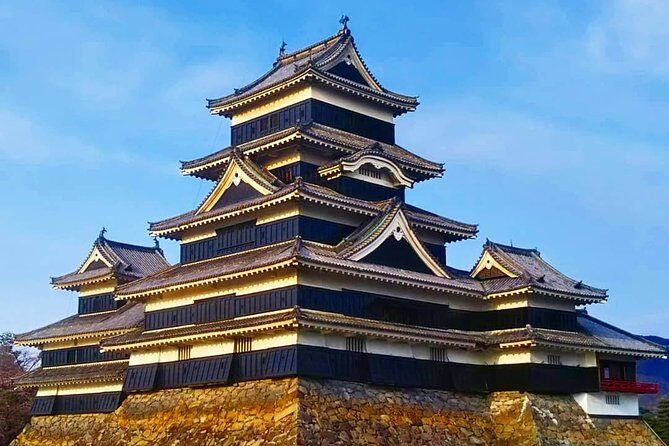
Matsumoto is the kind of place where a straight checklist can miss the point. The city has a strong identity—samurai-era architecture, local food traditions, and neighborhoods that still look like they belong to another era. This tour is built around that idea: you get a guide, and the guide helps you shape the day so it actually matches your curiosity.
If you like history, you can lean into the castle and samurai-linked atmosphere. If you’re more into food culture, the miso stop gives you a hands-on flavor of traditional production. If your brain lights up at visual arts, the museum visit gives you a break from the streets without feeling like a random detour.
I also appreciate the “local guide” approach. From the way Shin and Sylvain are described, it sounds less like a slideshow and more like a guided walk where you keep getting little explanations that connect the dots.
You can also read our reviews of more private tours in Matsumoto

Price and value: what $520.29 buys for up to four people
The price is listed as $520.29 per group, up to 4 people, which matters because you’re not paying per person for time with a guide. If you’re traveling as a small family or a pair of couples, the math tends to look much better than buying separate tickets and juggling your own route.
What you’re getting for that group price is not just “someone holding your map.” The tour includes:
- a private English-speaking guide (and the tour is also offered in French)
- help preparing your personalized itinerary
- entry to Matsumoto Castle plus two other venues/activities (the included admissions align with the castle, Ishii Miso, and the art museum)
- lunch at an agreed restaurant
- meals and entrance-related items for the guide
Two extra value notes that are easy to overlook:
- The itinerary includes several quick stops with free admission, so you don’t feel like you’re constantly paying to keep moving.
- Lunch being included helps you avoid decision fatigue mid-walk—especially if you’re not sure where to eat nearby.
One watch-out: transportation is not included. That’s normal for a walking-heavy day in a compact city, but it still affects value. If you’re staying far from the start point, you may need to factor in transit time and costs before the tour begins.
How the timing works: 2 to 8 hours of flexible sightseeing
The duration is listed as 2 to 8 hours, so it’s not a rigid “only 3 hours and you’re done” situation. In practice, many people seem to use this as a full or near-full day, with the guide staying flexible about pacing and where you slow down.
That flexibility is useful because Matsumoto isn’t all one mood. You might want a longer castle visit if you’re drawn to architecture and layout. Or you might prefer to keep things lighter and spend more time browsing older streets and small shops. Since the tour is customizable, you’re not locked into someone else’s idea of what matters.
Tip from a practical perspective: if you’re trying to fit this between train times, check your schedule early. Because it’s private, the guide can often adapt, but you still need enough buffer around getting back to Matsumoto Station.
The meet-up point: start at Matsumoto Station, end wherever you like downtown
The meeting point is Matsumoto Station (1 Chome-1 Fukashi, Matsumoto, Nagano 390-0815, Japan). The end point is downtown Matsumoto at any other location you choose.
That end option is more useful than it sounds. After a long day, you don’t want to be herded back to the exact same spot if your next plan is a different neighborhood, a hotel in a side street, or an evening stroll. Staying in central Matsumoto also helps because you can keep walking after the tour if energy is still high.
Kasamori Inari Shrine: a quiet opener hidden in a modern downtown
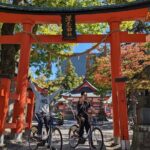
Your first stop is Kasamori Inari Shrine, dedicated to Inari, a deity associated with rice harvest and prosperity in business. It’s the kind of setup that feels like a small reset: you step away from the bustle and into a calmer space where the city’s everyday beliefs show up in physical form.
The practical value here is pacing. A 30-minute shrine stop gives you a cultural anchor early in the day without draining your energy. It also helps you start noticing patterns—how religious spaces sit near daily life, not only in tourist zones.
If it’s raining, shrine visits can still be enjoyable, but you’ll want to keep an eye on the ground conditions. Wear shoes that won’t punish you after a long walk.
Matsumoto Castle: the black-and-white donjon you come for
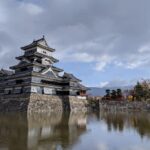
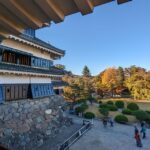
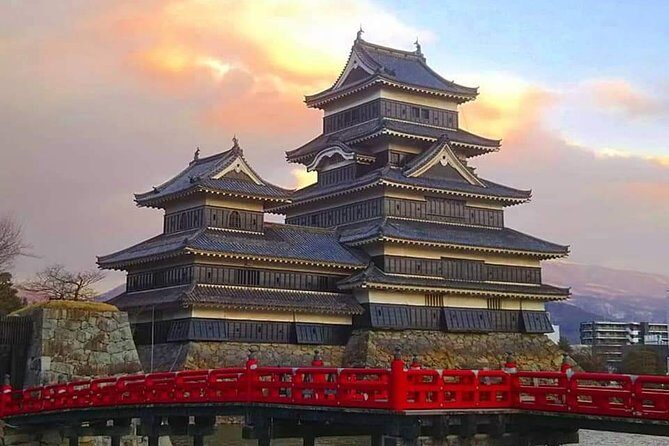
Matsumoto Castle is the centerpiece. It’s described as one of five castles designated as National Treasures of Japan and the oldest castle donjon remaining in Japan. Construction began in 1592, and the look is famously black and white.
What makes this stop more than a photo op is the way a castle helps you understand the whole city. Matsumoto isn’t just “pretty old buildings.” The castle gives you context for why the samurai-era story matters here, and the guide can connect the architecture to local history and how people once lived and organized power.
You get entry included, which is a big convenience win. Without that included ticket, you spend your “best-day time” in queues or ticket lines. With it included, you can focus on actually seeing the donjon and walking the grounds at a pace that feels right.
One consideration: castles mean stairs and uneven surfaces. If you’re not comfortable with that, tell the guide at the start. A good plan adapts.
Ishii Miso: how food tradition turns into a real local story
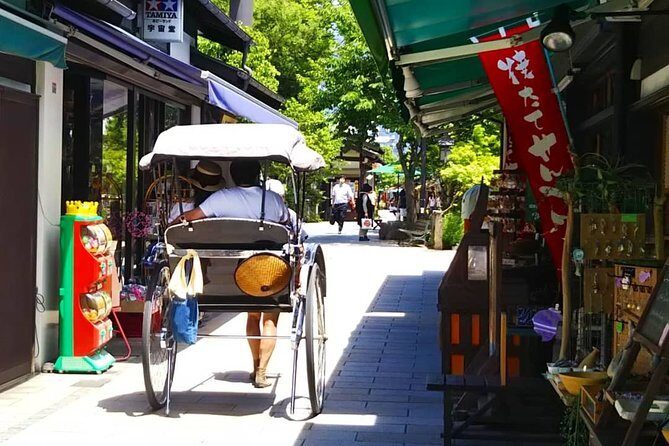
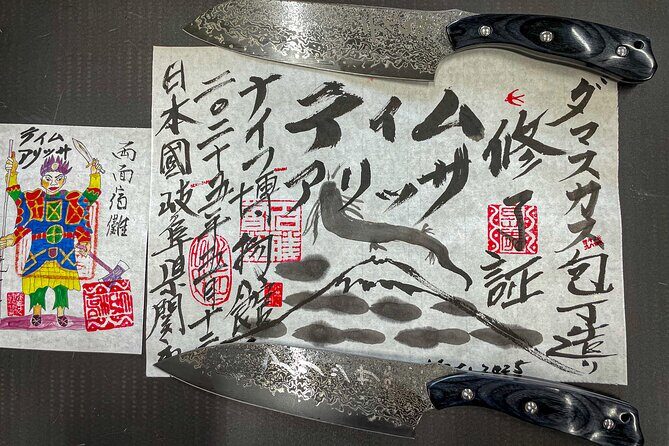
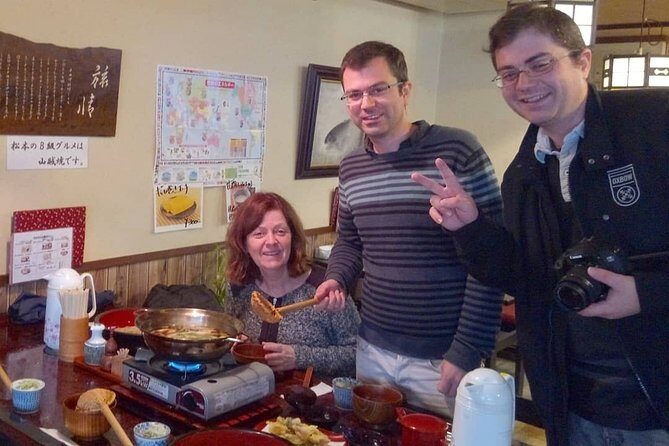
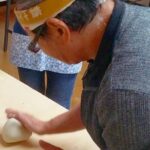
Next up is Ishii Miso, described as one of the few traditional miso paste makers still remaining in Japan. Since miso is such a basic part of Japanese cooking, it’s easy to treat it as background flavor. This stop flips that. You get a chance to see how tradition connects to craft, sourcing, and daily life.
The 2-hour window suggests this isn’t a quick photo moment. You likely spend time learning how miso production works and why it matters culturally, not just what it tastes like.
This is a high-value stop for food lovers because it’s not just eating. You’re learning the “why” behind a staple.
A practical tip: if you’re sensitive to smells or crowds inside production spaces, let your guide know early so they can plan timing around your comfort.
Matsumoto City Museum of Art: break time with context
Then you head to the Matsumoto City Museum of Art. It includes a permanent exhibition of world-renowned avant-garde works, and the stop is 1 hour with admission included.
This visit works well after the castle because it changes your focus from architecture to creativity. It also gives your legs a break while still keeping you in the loop of what Matsumoto is today—not only what it was centuries ago.
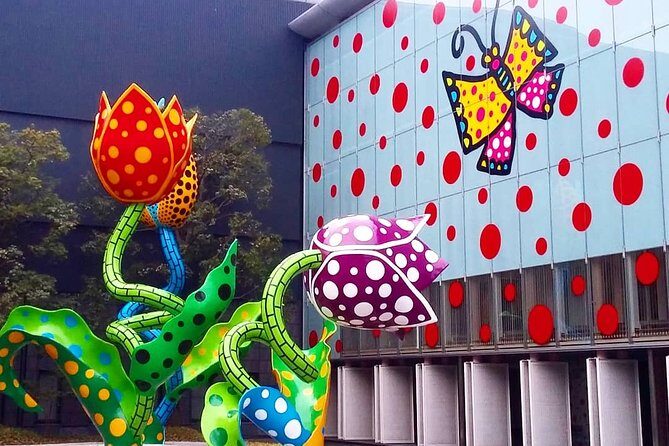
One extra detail from what people describe: on some days you may be able to catch a Yayoi Kusama exhibition. That’s not guaranteed, but it shows why this museum stop can feel special when the timing lines up.
If you prefer lots of street time, this museum stop is still short enough to keep the day from dragging. If you love art, it’s a strong mid-tour reset.
Nakamachi Street and the Kura storehouses: old walls you can actually walk
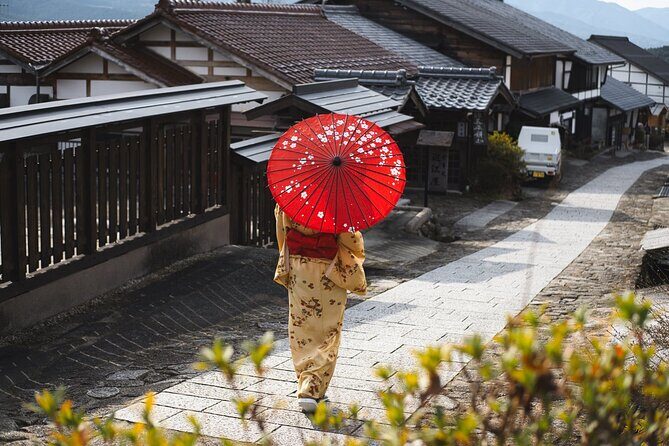
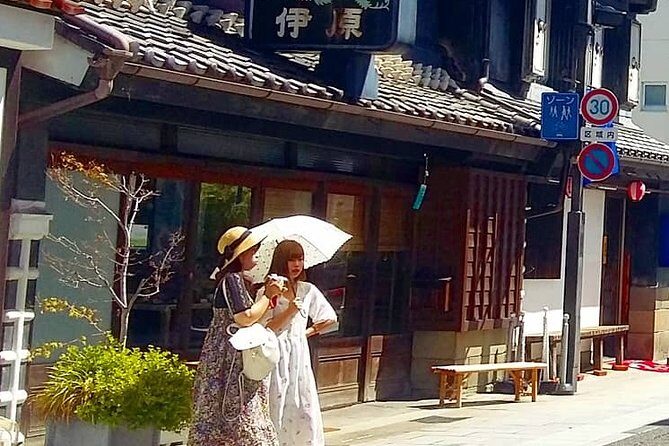
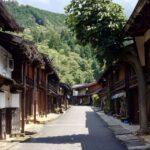
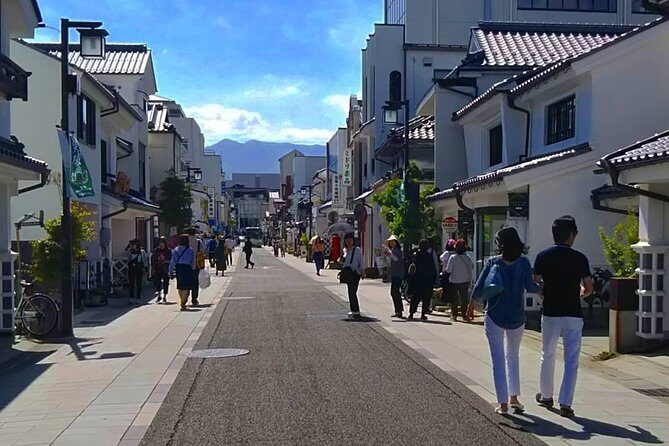
Nakamachi Street is a historic shopping area known for old traditional storehouses called Kura. The description highlights black-and-white, criss-cross patterned walls.
This is the part of the day where Matsumoto starts to feel like a living museum. Instead of “go stand here,” you get a zone you can wander. It’s also a good time for browsing snacks and small souvenirs without turning the day into constant decision-making.
The stop is only 30 minutes, so it won’t replace longer shopping. Think of it as a guided taste of the old-town vibe, plus a way to orient yourself before the next shrine and shopping blocks.
Yohashira Shrine and its rare four-deity setup
Yohashira Shrine is built during the Meiji Period (1868 to 1912) and is dedicated to four Shinto deities. That “four in one place” feature is described as rare in Japan.
A quick 15-minute stop might sound short, but it works because it deepens the cultural rhythm. You already visited Inari, so now you get a different kind of shrine story. The guide can also help you connect why these sites matter to local identity and how religious practices show up in architecture.
If you like details, this is the kind of stop where a guide’s explanation makes a visible difference. It’s not just a building; it’s a clue to local belief systems.
Nawate Shopping District and Nakamachi Kurassic-kan: shopping with a quirky theme
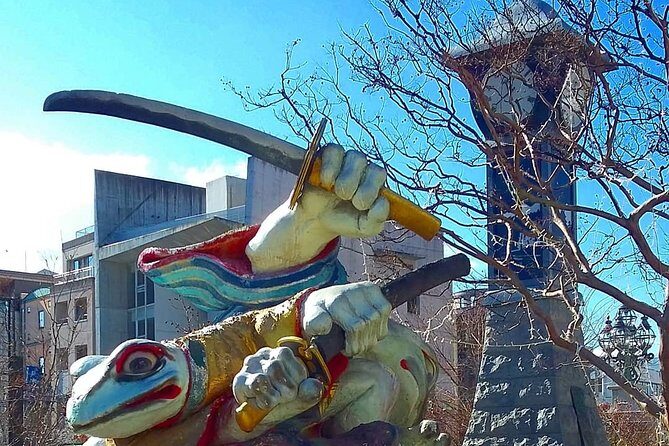
After the shrine, you move to the Nawate Shopping District. The description notes a recurring frog theme, plus lots of snack shops and small souvenir stores. It’s fun in a low-stakes way, and it’s the sort of place where you can buy something small without committing to a full shopping trip.
Then comes Nakamachi Kurassic-kan, described as one of the city’s famous buildings. It’s a former sake brewery, and remnants of the past are still present. It’s also described as representing Japanese architecture in a very recognizable way.
This duo—quirky shopping on one side, historic reuse on the other—keeps the day from feeling repetitive. You go from spiritual sites to street culture to architecture with a former industrial role.
If you’re traveling with kids or you like light-hearted details, the frog theme can be a nice break. If you’re more serious about history, focus on the Kurassic-kan building’s preserved structures and why former sake areas matter in the story of Matsumoto.
Lunch: included, but still flexible through an agreed restaurant
Lunch is included, at an agreed restaurant. That’s a smart setup because it reduces your load while still letting the guide pick something workable for the day’s pacing.
The key is that “agreed restaurant” implies it isn’t randomly picked. A private guide can match the meal to your preferences and the route you’re taking that day.
If you have dietary restrictions, mention them when you plan the itinerary. Since the tour is customizable, the restaurant choice likely has some room to adapt. Don’t wait until hunger hits.
What makes this tour feel authentic: it’s not just stops, it’s connections
The best part of this experience is the way each site can link to the others. Castle first gives you the samurai-era framework. Miso provides a real local production story. The museum adds a modern creative layer. Then the old streets and shrine stops tie it together with everyday cultural textures.
In that sense, this tour is a shortcut to understanding Matsumoto’s personality in one day.
You’ll also notice the private format matters. When Shin or Sylvain are leading, the tour description suggests confidence and enthusiasm, even in tricky weather. If you plan for a comfortable walking day, it tends to feel like a relaxed exploration rather than a rushed checklist.
Who should book Matsumoto Discovery, and who should consider another option
This tour is a great fit if:
- you want a private guide and don’t want to fight crowds
- you like a blend of history + food + art
- you’re traveling as a small group (up to 4) and want value from a group price
- you want your day tailored rather than pre-fixed
It might be less ideal if:
- you dislike walking or can’t handle long stretches of uneven surfaces
- you’re hoping for full transportation coverage and door-to-door transfers (transportation isn’t included)
- you’re traveling at a time when you can’t realistically manage weather changes, since the provider notes it requires good weather
Should you book it? My honest take
If your day in Matsumoto is limited and you want more than a quick highlights tour, I’d book this. The combination of castle entry, a traditional miso stop, and an art museum makes the day feel balanced. Add in the private format and lunch included, and the $520.29 group price starts to look like practical value instead of just another add-on.
The main reason to hesitate is the walking style and weather dependence. If you’re set on taking things slow, bring good shoes and plan for flexibility. If your schedule is tight or transport is a hassle, message your priorities early so the guide can build a route that still feels easy.
If you’re the type who likes understanding why places matter, this is the kind of day that leaves you with Matsumoto more clearly in your head.
FAQ
What languages is this private tour offered in?
The tour is available in English or French.
How long is Matsumoto Discovery?
It runs for 2 to 8 hours (approx.), depending on the route and how you shape the day.
What is the group size limit?
It’s priced per group for up to 4 people, and it’s private with only your group participating.
How much does the tour cost?
The price is $520.29 per group (up to 4).
What is included in the price?
Included are a private English-speaking guide, personalized itinerary preparation, entry/admission to Matsumoto Castle and two other venues/activities, and lunch at an agreed restaurant. Meals and entrance tickets for the guide are also included.
What is not included?
Transportation and miscellaneous costs (snacks, souvenirs, and other fees) are not included. Entrance for additional venues beyond what’s included is also not included.
Where do you meet, and where do you finish?
You start at Matsumoto Station (1 Chome-1 Fukashi, Matsumoto, Nagano 390-0815, Japan). The tour ends in downtown Matsumoto at another location you choose.
Is there a ticket format I need to handle?
Yes. The tour uses a mobile ticket.
What’s the weather and cancellation guidance?
The experience requires good weather. If it’s canceled due to poor weather, you’ll be offered a different date or a full refund. You can cancel up to 24 hours in advance for a full refund.