REVIEW · HOKKAIDO
3.5hours Primeval Forest Snowshoe hike and Wildlife Watching Tour
Book on Viator →Operated by Picchio Shiretoko · Bookable on Viator
Shiretoko winter turns quiet trails into real wilderness. This 3.5-hour primeval forest snowshoe hike is built around animal-made paths, so you’re not just walking in a park—you’re reading the winter woods as you go. I love how the route can include wildlife footprints in fresh snow, giving the whole outing a hands-on, outdoorsy feel.
Two things I particularly like: you’ll get guided access to a hidden frozen waterfall stop, Tears of Man, and you’ll spend real time on the snow with Ezo Sika Deer and Ezo Red Fox sightings as a realistic possibility. The main drawback to plan around is weather: the tour requires good conditions, and it may be rescheduled (or fully refunded) if conditions are poor, plus the pace assumes moderate fitness on snow.
In This Review
- Key highlights you’ll actually feel
- Entering primeval forest with animal-made routes
- From Utoro-Shirietoku to the forest: timing and pickup that matter
- Snowshoes, footprints, and how animal trails change your pace
- Wildlife watching in Shiretoko: what you’re realistically looking for
- The frozen waterfall stop: Tears of Man in winter form
- Sea ice on the Sea of Okhotsk: beauty when conditions line up
- Price and value: why $55.52 can make sense here
- Who this Shiretoko snowshoe tour is for (and who should skip it)
- Practical advice to make the day smoother
- Should you book Picchio Shiretoko’s primeval forest snowshoe tour?
- FAQ
- Where does the snowshoe hike start?
- Is pickup offered for this tour?
- How long is the tour?
- Do they use snowshoes?
- What ages can join?
- What if the weather is bad?
Key highlights you’ll actually feel
- Small group (up to 8): more quiet attention for wildlife spotting and easier snowshoe pacing.
- Off-the-beaten-path routes: trails originally made by wild animals shape where you walk.
- Snowshoes when snow allows: you can move across deeper snow instead of sticking to packed paths.
- Frozen waterfall stop (Tears of Man): winter version of a hidden spot in Shiretoko.
- Wildlife watching focus: you’ll look and listen for signs, including footprints in snow.
- Sea ice scenery on the Sea of Okhotsk (seasonal): when it’s there, the coast can look unreal.
Entering primeval forest with animal-made routes
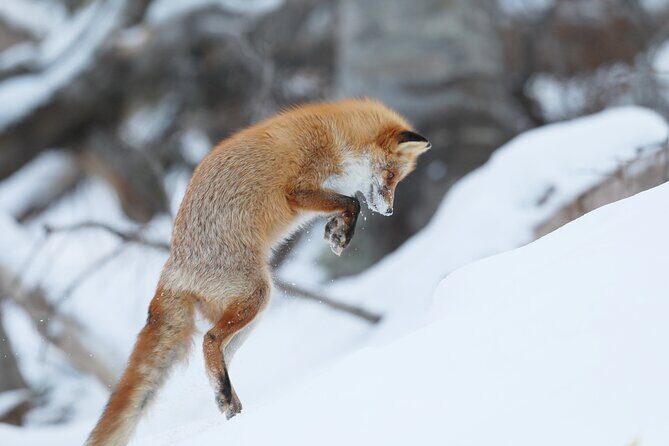
This tour in Hokkaido’s Shiretoko area has one big idea: let winter nature set the itinerary. You start at the Roadside Rest Area Utoro-Shirietoku (186-8 Utoronishi, Shari, Shari District, Hokkaido), and from there you head into a primeval forest setting where the paths weren’t built by people. That matters because it changes how the walk feels.
On a typical sightseeing hike, you follow an obvious route and your mind goes into “tour mode.” Here, you move along tracks and routes that are tied to how wild animals travel. Even if you don’t see a deer or fox, you’ll often be watching for signs—especially footprints in snow. That turns a short 3.5-hour outing into something more immersive in a grounded, practical way: you’re paying attention, not just taking photos.
Another helpful detail is that the tour is guided by Picchio Shiretoko, and it’s designed as a snowshoe experience rather than a light walk. You’re not expected to “figure it out” alone. You get the structure to move safely in winter terrain while still feeling close to the wilderness.
You can also read our reviews of more hiking tours in Hokkaido
From Utoro-Shirietoku to the forest: timing and pickup that matter
Plan to treat this like a true departure time, not a casual meet-and-chat. You’ll be picked up (pickup offered), and it’s smart to be ready a bit early at the meeting spot. A good rule of thumb is to be there and ready about 10 minutes before pickup timing, since small-group tours often run tight so everyone stays together.
The tour also uses a mobile ticket, which makes last-minute check-in simpler. You should receive confirmation within 48 hours of booking, subject to availability. That’s useful because it helps you line up your day without waiting until the last moment to know you’re confirmed.
You’ll also want to notice that the group cap is 8 travelers. In real terms, that means you’re more likely to have room to move, stop for wildlife watching without blocking each other, and keep the pace matched for snow. If you’ve ever done a crowded winter tour where you spend half the time waiting in a line, this is the opposite setup.
Snowshoes, footprints, and how animal trails change your pace
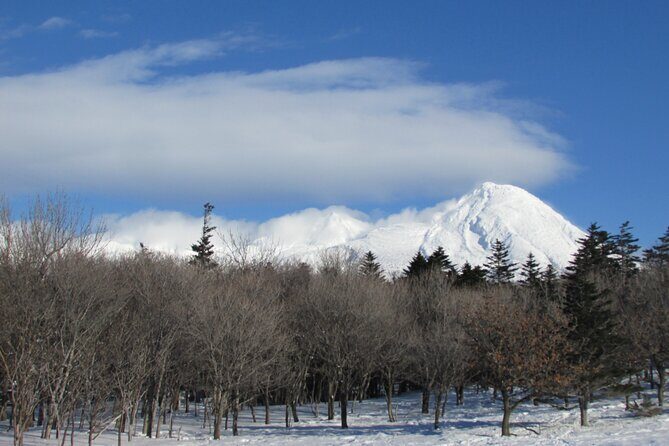
The most distinctive part is the snowshoe element. If there’s enough snow, you use snowshoes so you can walk where you normally wouldn’t sink and struggle. That usually makes the difference between “staying on safe, packed areas” versus actually exploring the winter terrain.
But even with snowshoes, animal-made trails can feel different. They’re not always straight. They can be uneven. Sometimes they may narrow where an animal path runs between obstacles. This tour is built for that kind of movement, which is why the fitness requirement is listed as moderate. You don’t need to be a mountaineer, but you do need to be comfortable walking in winter conditions for a few hours.
What I find valuable is that the tour doesn’t act like you’re in a theme-park version of wilderness. It uses the reality of animal routes to guide your sense of direction. You might notice how your attention shifts from “scenery” to “evidence”—tracks, disturbed snow, and the way the trail bends.
And because the experience is short, you get a concentrated dose of winter travel skills: snowshoe walking, stopping for wildlife watching, and keeping your eyes up instead of watching your feet nonstop.
Wildlife watching in Shiretoko: what you’re realistically looking for
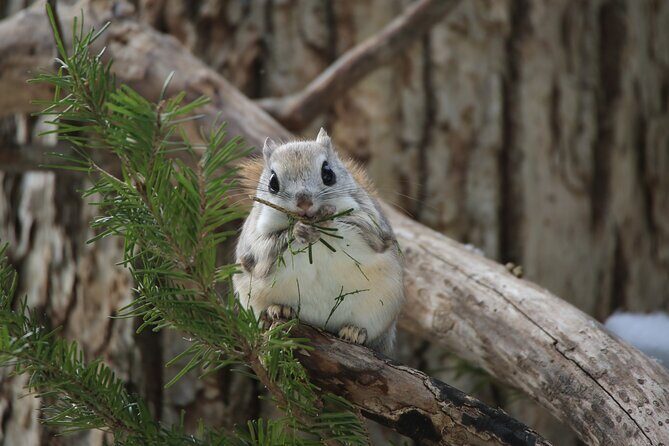
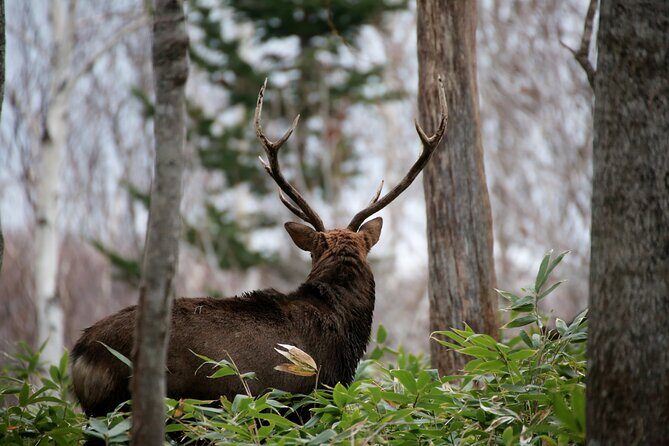
The tour description points to a high likelihood of encountering wildlife, especially Ezo Sika Deer and Ezo Red Foxes. I like that it’s framed as wildlife watching with a real habitat context, not just “maybe you’ll see something.”
In practical terms, wildlife watching on snow is as much about reading signs as it is about spotting the animal itself. That’s where the animal-made paths come in. Fresh snow can show you recent movement, and the tour’s structure encourages you to notice those details.
Here’s the mindset that works best: don’t just scan far away. Look for what’s closer to the ground level too. If snow conditions are right, footprints can tell you a story—what came through and where it likely went next.
Also, remember this is a wilderness-style walk, not a safari bus. So keep expectations flexible. The “high likelihood” is encouraging, but wildlife isn’t guaranteed. Your best chance is staying attentive, following the guide’s cues, and being ready to pause quietly.
The frozen waterfall stop: Tears of Man in winter form
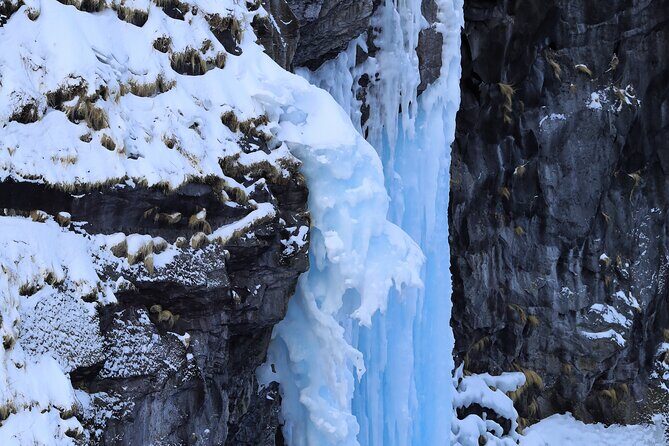
One of the strongest reasons to do this tour is the hidden waterfall stop: Tears of Man, which freezes in winter. Even without knowing every detail of the waterfall’s shape, you can feel what the concept offers. Winter turns water into something still, sharp, and weighty—an icy moment in the middle of a snowy walk.
Why this stop is worth your time: it gives contrast. Half the tour is about moving through primeval forest snow trails, and the other part slows you down and shifts your focus to a specific winter landmark. That helps break up the effort and keeps the experience from blending together.
There’s also a quiet payoff to going to a “hidden” waterfall. Instead of chasing a famous spot with a crowd, you’re likely to feel the area more intimately. Your guide will take you there as part of the route, so you’re not spending time figuring out how to reach it on your own.
The main practical consideration is that you’ll be outside in winter. Dress for cold, and plan to stay still for a bit if the guide wants you to observe quietly.




Sea ice on the Sea of Okhotsk: beauty when conditions line up
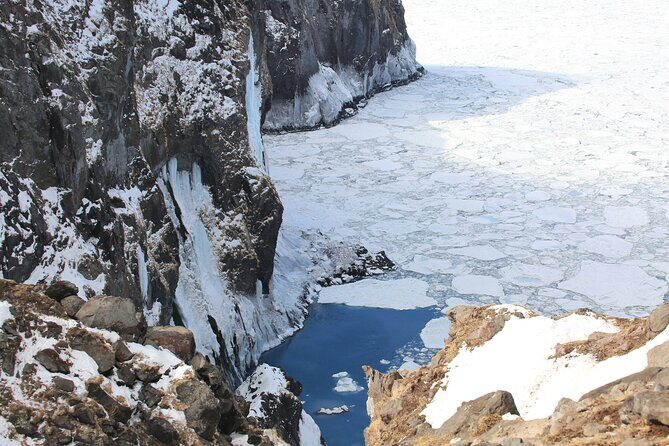
The tour description includes a seasonal wow-factor: when sea ice arrives at the coast, a vast field of ice can appear over the Sea of Okhotsk. In that case, the Shiretoko Mountains look silver-white with winter snow and ice.
This is one of those details you should treat as conditional. The tour isn’t promising a specific ice-view every day; it’s telling you what you can get when the season and conditions are right. That’s also part of the value: you’re visiting at a time when the region’s winter character changes the scene dramatically.
If you catch the ice, it adds a whole new scale to the outing. You go from forest trails you can read with footprints to a wider view of frozen water and coastal ice fields. It’s the kind of contrast that makes a short tour feel like more than the time on your feet.
Price and value: why $55.52 can make sense here
At $55.52 per person for about 3 hours 30 minutes, you’re paying for a guided winter snowshoe experience with a wilderness-focused route. The key is what you get for that money:
- Guiding in primeval forest terrain: you’re not just renting snowshoes and walking around. The tour is built around off-path animal routes.
- A specific winter highlight: the frozen waterfall stop at Tears of Man.
- Wildlife watching with active route design: you spend time in places that make sense for animal activity.
- A small group cap (8 travelers): that’s operational value, not just a marketing point.
If you compare this to DIY winter walking, the savings aren’t always about money alone. It’s about time and risk. In winter, getting the route wrong can turn a fun hike into a draining one. Here, you’re paying to get the structure and the winter know-how so you can focus on enjoying the day.
Also, the tour includes pickup offered and uses a mobile ticket, which reduces friction. You don’t want to spend half your winter day stuck on logistics when the whole point is to get outside quickly and safely.
Who this Shiretoko snowshoe tour is for (and who should skip it)
This works best if you want winter nature that feels real. If you like snowshoe walking, wildlife watching, and the idea of moving along routes shaped by animals, you’ll likely enjoy it a lot.
It’s also a good fit if you prefer a smaller group. With up to 8 travelers, it’s easier to hear guide instructions, to pause for spotting chances, and to enjoy the quiet of winter without feeling squeezed.
You should consider skipping (or choosing a gentler option) if:
- You’re uncomfortable walking on snow with moderate physical fitness needs.
- You strongly need a guaranteed, fixed schedule of sea ice views or wildlife sightings. Winter conditions vary, and the tour also requires good weather.
If you have kids, the age requirement is 6 years or older, which suggests the tour is suitable for families that are ready for winter walking.
Practical advice to make the day smoother
A few small choices can make your experience better:
- Be ready early for pickup. Aim to arrive and wait a little before the expected time, so you don’t lose momentum.
- Dress for real cold. You’ll be outdoors for several hours, including time near a frozen waterfall.
- Keep your eyes up and quiet when spotting wildlife signs. Even if you don’t see an animal immediately, the signs are part of the fun.
- Stay flexible about winter conditions. The tour requires good weather and may be moved or refunded if conditions are poor.
I also like that there’s free cancellation up to 24 hours in advance for a full refund. That’s helpful for planning in winter when weather can change fast. Just watch your timing based on local time.
Should you book Picchio Shiretoko’s primeval forest snowshoe tour?
I’d book this if you want a winter experience that feels like you’re walking into Shiretoko’s real rhythms—quiet, snowy, and tuned to wildlife activity. The mix of animal-made paths, snowshoe walking (when conditions allow), and a frozen waterfall stop at Tears of Man gives the tour shape and meaning.
I’d think twice if you’re chasing certainty. This is a winter nature tour with a weather dependency and wildlife sightings that can’t be guaranteed. If you’re okay with that reality, you’ll probably come away feeling like nature is the main event.
FAQ
Where does the snowshoe hike start?
The tour starts at the Roadside Rest Area Utoro-Shirietoku, 186-8 Utoronishi, Shari, Shari District, Hokkaido 099-4354, Japan, and it ends back at the meeting point.
Is pickup offered for this tour?
Yes, pickup is offered, and you’ll meet at the roadside rest area location listed by the tour.
How long is the tour?
The duration is about 3 hours 30 minutes.
Do they use snowshoes?
They use snowshoes if there is enough snow, so the exact footwear method depends on winter conditions.
What ages can join?
The tour is for age 6 and older.
What if the weather is bad?
This experience requires good weather. If it’s canceled due to poor weather, you’ll be offered a different date or a full refund.