REVIEW · HOKKAIDO
3 hours Snowshoe hike to “Furepe fall” and Wildlife Watching
Book on Viator →Operated by Picchio Shiretoko · Bookable on Viator
If you like winter drama, this is it. A short snowshoe walk ends at Shiretoko’s Furepe Fall, where it turns into frozen blue icicles and weird ice shapes from the wind-blown spray. Then, if you tilt your head toward the sea, the scale gets even bigger with views of the Sea of Okhotsk.
I especially like that this hike stays beginner-friendly while still delivering big scenery. You’ll also get wildlife watching built into the route, with a real chance of spotting deer along the way, even when conditions get nasty.
The main thing to consider is weather. This activity requires good weather, and in winter that can mean changes to the plan if visibility or conditions aren’t right.
In This Review
- Key things to know before you go
- Entering Shiretoko’s Furepe Fall winter world
- Snowshoe hike timing: what 3 hours really feels like
- The meeting point: Utoro-Shirietoku start and pickup convenience
- Gear and pacing for deep snow (and why it matters)
- Furepe Waterfall from above: frozen spray, blue icicles, and wind shapes
- Sea of Okhotsk views: shifting your gaze changes the whole trip
- Wildlife watching: deer sightings are part of the point
- Price and value check: $44.30 for 3 hours in Shiretoko winter
- Small group size (max 8) and why it improves your experience
- Weather reality: what happens if conditions aren’t right
- Who should book this snowshoe-and-wildlife hike
- Should you book this Shiretoko Furepe Fall snowshoe hike?
- FAQ
- How long is the snowshoe hike to Furepe Fall?
- How much does it cost?
- Is pickup available?
- Will I receive a mobile ticket?
- Do I need a certain fitness level?
- What if the weather is bad?
Key things to know before you go
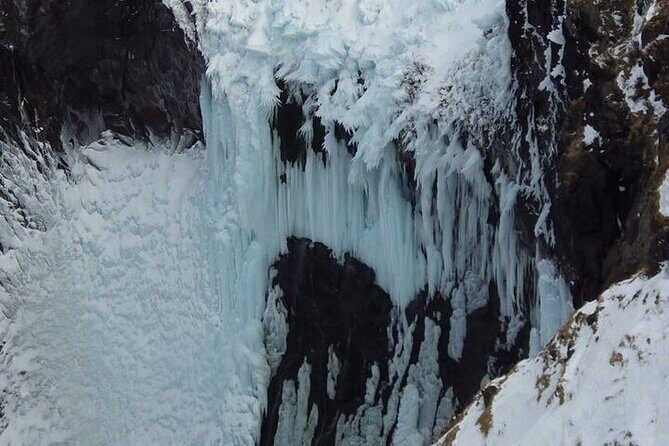
- Furepe Fall in winter: what’s normally a waterfall becomes frozen “blue icicles” from above.
- Sea of Okhotsk viewpoints: you’re not only hiking toward ice—you’re also looking out toward open, dramatic water.
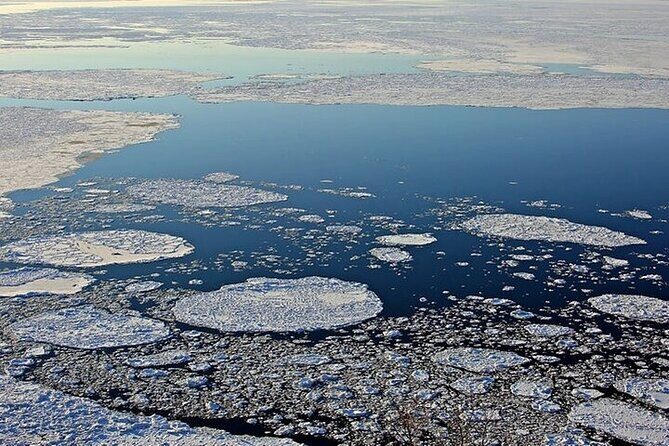
- Drift ice season (Feb to Mar): the view can expand to a drifting, frozen ice field below.
- Gear help for deep snow: the right walking setup is provided so you can focus on enjoying the walk.
- Small group size (max 8): easier pace control and better time for wildlife spotting.
- North-wind spray effects: the guide’s route choices help you experience those mysterious ice shapes.
Entering Shiretoko’s Furepe Fall winter world
In winter, Furepe Fall doesn’t just freeze. It transforms. The waterfall becomes a wall of ice you can look at from above, with icicles described as blue and the spray blown around by the north wind forming odd, almost ghostly shapes.
That mix—something powerful, something delicate, something cold—hits differently when you’re actually there. And because the Shiretoko mountains rise behind the falls, the scene has depth. You’re not getting a single photo moment. You’re getting layers: ice in the foreground, mountain mass behind it, and open winter air shaping everything.
You can also read our reviews of more hiking tours in Hokkaido
Snowshoe hike timing: what 3 hours really feels like
Three hours sounds short. In deep snow, it’s also long enough to feel like you did something worthwhile.
This course is designed for moderate physical fitness and is paced for people who are new to winter hiking. The practical upside is that you don’t need to train for a marathon. You do need to be comfortable moving carefully on snowy ground and following instructions.
It’s also a good length for staying flexible. You’re likely spending your energy on steady walking, then using the rest of the time for brief stops—looking out toward the sea, checking for wildlife, and enjoying the frozen waterfall view.
The meeting point: Utoro-Shirietoku start and pickup convenience
You’ll start at the Roadside Rest Area Utoro-Shirietoku (186-8 Utoronishi, Shari, Shari District, Hokkaido 099-4354, Japan). The trip ends back at the same place.
If you want the easy button, pickup is offered. Even if you’re arriving on your own, the start point is near public transportation, which matters in a region where winter travel can be unpredictable.
Bottom line: your “where do I go first?” worry is smaller than on tours that start in remote spots.
Gear and pacing for deep snow (and why it matters)
One of the biggest strengths of this experience is that you’re not thrown into a snowshoe hike with guesswork. The walk includes appropriate gear for walking in deep snow, and you’ll be supported throughout.
That’s not just comfort. It’s safety. Winter hiking mistakes often come from simple things: wrong footing, poor balance, or moving too fast. With gear support and an accommodating pace, you can focus on staying upright and watching the scenery instead of wrestling your equipment.
You’ll also want to match effort to conditions. If snow gets deeper or visibility drops, slower is smarter. The experience includes enough guidance for that, which is a huge help when the weather turns.
Furepe Waterfall from above: frozen spray, blue icicles, and wind shapes
This is the moment the whole hike is about. In winter, Furepe Fall becomes ice you can view from above, described as blue icicles. That color detail matters because it tells you this isn’t just rough, gray winter ice. The waterfall’s freezing pattern creates a cleaner, more striking look.
Another part of the magic is the wind. The spray from the falls, blown by the north wind, forms mysterious shapes. In other words, the scenery isn’t static. It changes with the air and weather, and that adds motion to a landscape made of still ice.
A quick reality check: a viewpoint is still a viewpoint. You might not get long, comfortable “stand and pose forever” time if the weather is harsh. But that’s also part of why the hike is short—so you can experience the key view without turning it into a suffering contest.


Sea of Okhotsk views: shifting your gaze changes the whole trip
One of my favorite “small instruction” parts of this tour is simple: after you see the falls, shift your gaze toward the sea.
The Sea of Okhotsk is described as vast and majestic, and that’s exactly what you want in a winter hike. You need a contrast. Ice up close is intense; water and sky at a distance adds scale and calm.
And then there’s the drift ice season—February to March—when you may see sea-covered with drift ice. During that time, the view can open into a drift ice field spreading out below. That transforms the scene from “frozen waterfall” into “frozen world.”
If you’re the type who likes atmosphere as much as scenery, this sea angle is one of the best reasons to book.
Wildlife watching: deer sightings are part of the point
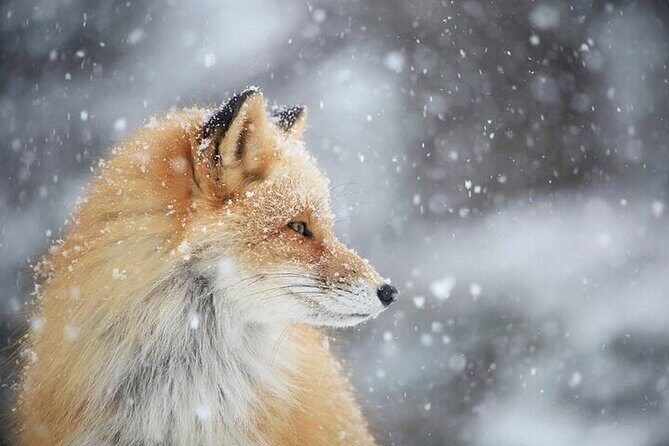
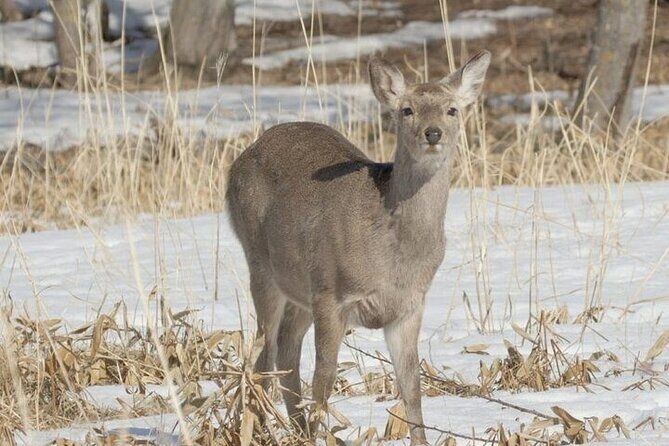
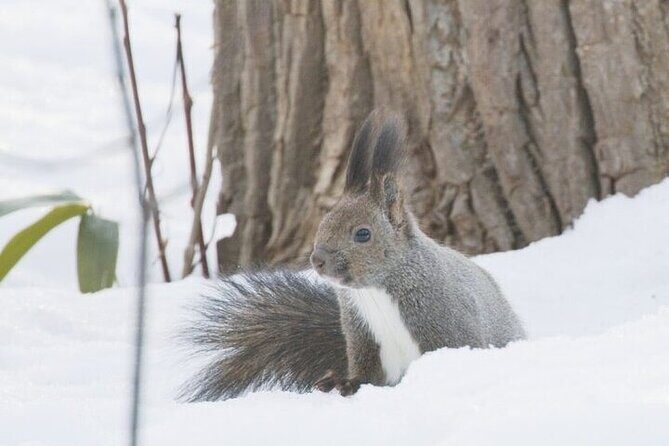
This hike isn’t marketed as a guaranteed wildlife safari, but it does build in wildlife watching as you walk. The chances include deer along the way, and the experience notes that sightings can happen even during rough weather like a blizzard.
That tells you something important: the route and pace are managed in a way that supports observation, not just marching. Wildlife spotting works best when you’re not running around. You need quiet movement, patience, and attention to what’s actually happening in the trees and snow edges.
Practical tip: keep your eyes up and also down. In winter, movement often shows up as subtle changes—tracks, small silhouettes, or sudden stillness in a line of brush.
Price and value check: $44.30 for 3 hours in Shiretoko winter
$44.30 per person is the kind of price that feels fair for what you get here—a guided, small-group winter experience focused on a signature Shiretoko winter viewpoint.
You’re paying for more than just walking time:
- The guide helps manage route, pacing, and safety in winter conditions.
- You get gear support for deep snow walking.
- The tour includes pickup (when available), which saves you time and hassle.
- The view goal is concentrated: Furepe Fall plus sea/drift-ice perspectives plus wildlife watching.
For a short 3-hour course, the value is about efficiency. You’re not spending most of your day traveling between random stops. You’re getting the key win: a memorable winter transformation of the falls and a big-sky sea view.
Also, this tends to be planned ahead. On average, it’s booked about 59 days in advance, which usually means it’s popular enough that you shouldn’t wait until the last minute.
Small group size (max 8) and why it improves your experience
A max group size of 8 travelers sounds like a detail, but it changes how the hike feels.
Smaller groups mean:
- easier control of pace for beginners
- more flexibility for slowing down for wildlife or adjusting to snow conditions
- less crowding at viewpoints
In winter, you don’t want to feel rushed. You also don’t want to be stuck behind a line of people when you’re trying to scan for deer or ice details. A small group keeps the experience human-scale.
Weather reality: what happens if conditions aren’t right
This tour requires good weather. That matters because winter in Hokkaido can change fast—wind, visibility, and snow depth all affect safety and how enjoyable the key views will be.
If it’s canceled due to poor weather, you’re offered a different date or a full refund. And you can cancel for free up to 24 hours in advance, which is helpful when you’re juggling multiple winter activities.
If you’re sensitive to missed views, keep an extra day in mind on your schedule. That gives you room to rebook if conditions aren’t cooperative.
Who should book this snowshoe-and-wildlife hike
This is a strong choice if you want a winter activity that’s beginner-friendly but not boring. You’ll like it if:
- you’re curious about how famous waterfalls change in winter
- you want Sea of Okhotsk views and might catch drift ice in Feb to Mar
- you’re up for wildlife watching with a realistic chance of deer sightings
- you prefer a small group and guided safety over self-guided snow trekking
It’s also a good fit if you’re not trying to “prove” fitness. You just want to walk in deep snow with the right gear, see something special, and come back feeling satisfied.
Should you book this Shiretoko Furepe Fall snowshoe hike?
If your goal is a compact winter experience with serious payoff, I’d book it. The combination of frozen Furepe Fall, Sea of Okhotsk scale, and potential deer sightings is an excellent mix for 3 hours.
I’d especially recommend it if you can travel in the best timing window for drift ice—February through March—because that’s when the view can go from stunning to almost surreal.
Only skip it if you’re not comfortable with winter conditions or you know you’ll be upset by weather-based schedule changes. Otherwise, this is one of those tours where the value comes from focus: the walk is short, the sights are concentrated, and the winter atmosphere does most of the work for you.
FAQ
How long is the snowshoe hike to Furepe Fall?
It’s about 3 hours.
How much does it cost?
The price is $44.30 per person.
Is pickup available?
Yes, pickup is offered. The tour starts and ends at the Roadside Rest Area Utoro-Shirietoku.
Will I receive a mobile ticket?
Yes, the tour includes a mobile ticket.
Do I need a certain fitness level?
You should have a moderate physical fitness level.
What if the weather is bad?
The experience requires good weather. If it’s canceled due to poor weather, you’ll be offered a different date or a full refund. You can cancel up to 24 hours in advance for a full refund.