REVIEW · HOKKAIDO
Nakashibetsu Kendo Martial Arts Class Experience
Book on Viator →Operated by Takeru · Bookable on Viator
Kendo training begins with bamboo and calm. I like the way Takeru teaches the do culture first, then turns it into muscle memory with bamboo sword drills. The session ends by striking his armored gear, so you get a real kendo payoff in just two hours. The only catch: you will work up a sweat, and the workshop depends on good weather.
At about $3.27 per person, it is one of those rare deals where the low price hides a lot of extras: sword and kendo clothes are included, along with calligraphy and the entrance fee. If you are arriving from eastern Hokkaido airports, the free pickup can save you time and hassle.
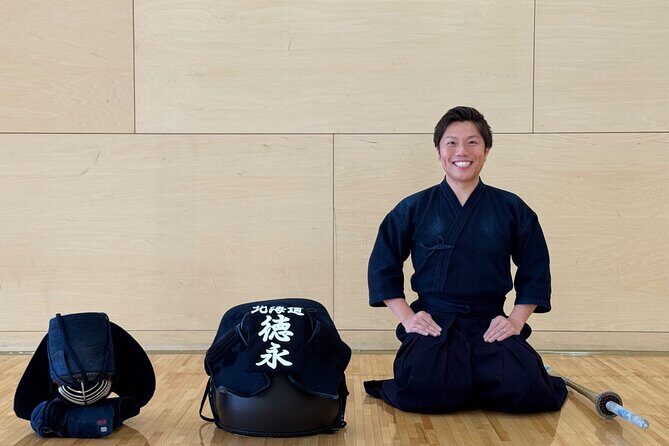
You also get photo time holding your bamboo sword at the end. If you want to wear kendo protectors, plan ahead since only up to two people can use them during the class.
In This Review
- Key things to know before you try Nakashibetsu kendo
- Kendo in Nakashibetsu: the two-hour structure that makes beginners feel steady
- Meeting Takeru and the do culture: why the lecture isn’t fluff
- From rental clothes to first movements: what you should wear and why
- Bamboo sword basics: learning the movements before you feel the impact
- Training your body and mind: what the drills are really doing
- Calligraphy with your own name: a surprising cultural bonus
- The final armor strike and photo moment: the moment it all clicks
- Value and logistics in eastern Hokkaido: how $3.27 adds up
- Who this class is best for (and who should think twice)
- Should you book Nakashibetsu kendo?
- FAQ
- How long is the kendo class in Nakashibetsu?
- What does it cost?
- What’s included in the experience?
- Do I need to bring anything?
- Are kendo protectors included?
- Can beginners join?
- Is food included?
- What happens if the weather is bad or I need to cancel?
Key things to know before you try Nakashibetsu kendo
- A do-culture warm-up before you swing: you get a short lecture on kendo and the Japanese “do” mindset
- All the gear is handled for you: rental bamboo swords and kendo clothes are included
- You learn basics fast: drills cover fundamental movements you can use right away
- Calligraphy comes with the workout: you write your own name as part of the session
- You finish with an armor strike: you end by hitting Takeru’s protective armor
- Free airport pickup for eastern Hokkaido: Nemuro Nakashibetsu, Kushiro, and Memanbetsu are covered
Kendo in Nakashibetsu: the two-hour structure that makes beginners feel steady
This is a beginner-friendly kendo class set in east-side Hokkaido, run by Takeru, an instructor with 25 years of kendo experience and national-tournament competition background. The format matters: you are not just handed a sword and told to figure it out. You follow a clear sequence—brief lecture, practice with bamboo swords, then a finishing strike.
The total time is about two hours, which is perfect if you want something active without eating half a day. You will get a full-body workout feel too, because kendo footwork and controlled strikes are hard to do gently.
Price-wise, it is shockingly low at $3.27 per person, but the value isn’t just the lesson. You also get bamboo sword rental, kendo clothes rental, entrance fee coverage, and a calligraphy activity. That turns it from a simple class into a complete cultural-and-practice experience.
You can also read our reviews of more tours and experiences in Hokkaido.


Meeting Takeru and the do culture: why the lecture isn’t fluff
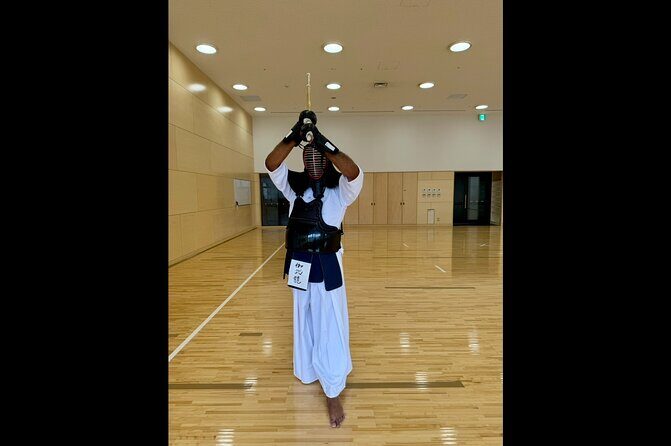
Before you start swinging, Takeru gives you a short talk about Japanese “do” culture and how it connects to kendo. For many people, kendo is just the look of the armor and the sound of strikes. The do framework gives you the why: discipline, form, respect, and self-control.
In practical terms, this lecture helps you play catch-up fast. When you understand what the training is trying to teach, your movements stop feeling like random motions and start feeling like steps toward a mindset.
You also learn how kendo is great—not in a salesy way, but in a grounded instructor way. Expect guidance that keeps things beginner-safe while still feeling authentic.
From rental clothes to first movements: what you should wear and why
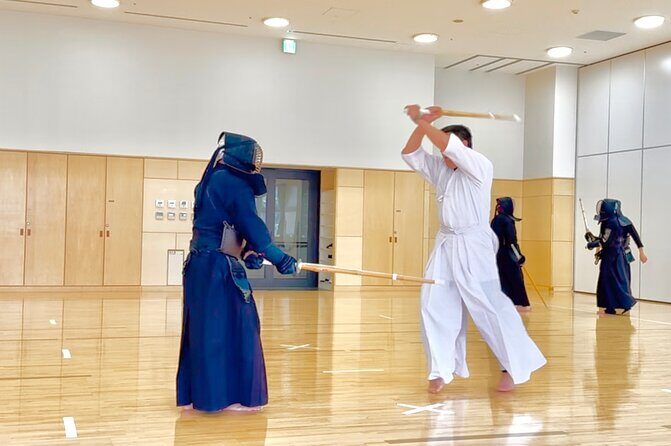
You will rent kendo clothes and use a bamboo sword during the workshop. The tour notes ask you to bring or wear comfortable clothes—so wear something you can move in easily.
I’d treat this like a light workout day:
- choose breathable layers
- skip anything restrictive at the waist or ankles
- wear shoes that work with fast footwork (whatever you’re provided with, you’ll still be stepping a lot)
You also need to be comfortable with the physical vibe. Even if you are new, kendo basics require stance, balance, and repeated striking motions. If you like sports that focus on technique over brute strength, you’ll probably click with it quickly.
One more practical note: up to two people can wear kendo protectors. If that matters to you, tell the provider while booking so they can plan who gets to gear up.
Bamboo sword basics: learning the movements before you feel the impact
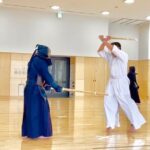
After the workshop intro, you are given bamboo swords and introduced to basic kendo movements. This is the stage where good instruction makes the biggest difference. If your footwork is off, everything else feels wrong. If your posture is off, you can still swing, but it won’t look or feel like kendo.
Takeru’s approach (and the 5-star feedback about structure and patience) is centered on clear steps. You’ll learn how to hold the bamboo sword properly and how to move your body so strikes come from the right places.
The class also separates practice so you can focus without feeling crowded. That matters, because kendo is both technique and spatial awareness. A calm setup helps you concentrate on form rather than worrying about timing.
If you want to go beyond gentle basics, the experience description even mentions that higher-intensity options can be arranged—examples include continuous striking or heavier sword use. Those details are not guaranteed for everyone, but they tell you the class can scale depending on your interest.
Training your body and mind: what the drills are really doing
Kendo drills can look simple until you try them. Then you realize how much they demand from your core, legs, shoulders, and timing. The workshop is designed to train both body and mind, not just exercise.
Here is what you should expect the training to accomplish:
- Footwork discipline: repeated stances build stability
- Controlled striking: you learn to strike with intent, not chaos
- Timing and spacing: kendo is about meeting the moment safely
I also like that the session encourages focus. When you are doing coordinated movements with a purpose, your brain clicks into a kind of quiet concentration. That’s often why martial arts classes feel better than normal workouts. You leave tired, but with your mind turned on in the right way.


Calligraphy with your own name: a surprising cultural bonus
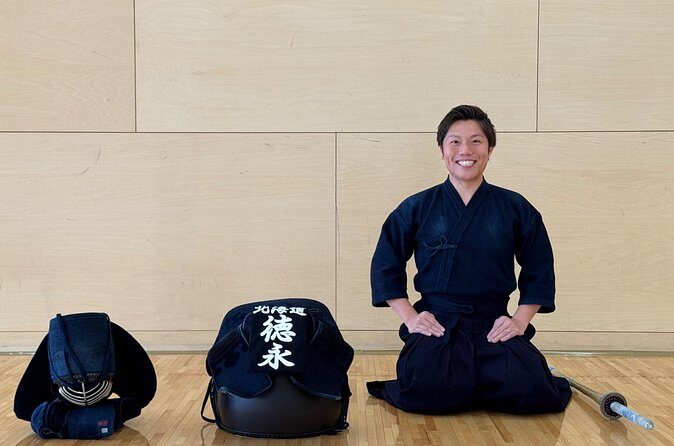
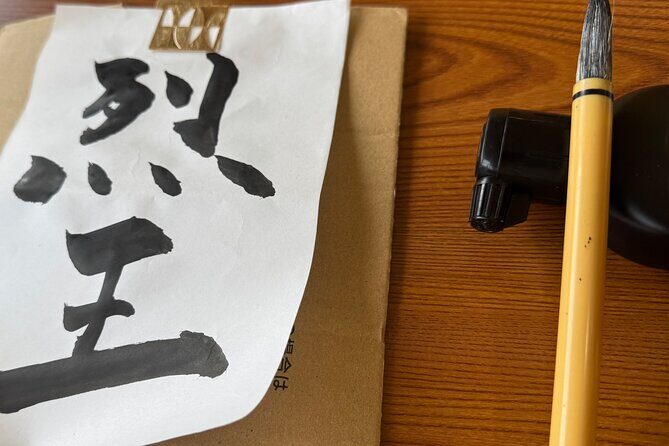
One of the included activities is calligraphy, where you write your own name. It sounds different from sword practice, but that contrast is part of the point.
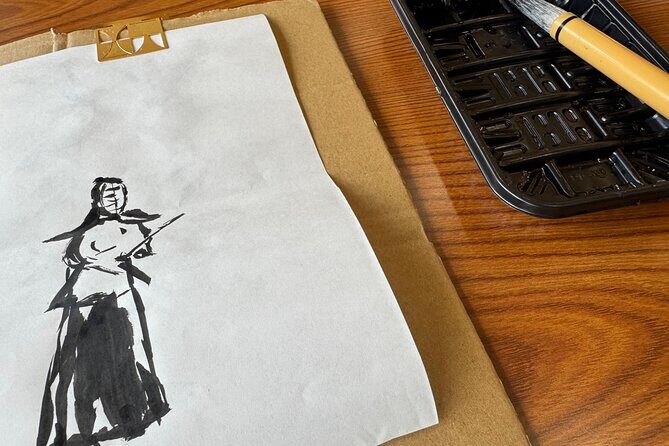
Kendo and calligraphy share a theme: controlled movement and attention to form. Writing your name forces you to slow down and shape each stroke. Then you return to practice with a little more respect for precision.
If you want a hands-on cultural activity beyond photo ops, this is a real one. It also gives you something to do if you want a short break from full-on physical training. You’ll still be participating, just in a different way.
The final armor strike and photo moment: the moment it all clicks
The session ends with you striking the instructor’s armor. This is the part most people remember, because it turns lessons into a clear experience. Up to this point, you are learning movements. Then suddenly you feel the impact of connecting technique with contact.
This is also where you learn a valuable lesson about kendo: controlled form matters. When you hit with the right stance and intention, the strike feels clean. When you rush, it feels awkward.
After completing the workshop, you can take photos while holding your bamboo sword. That last step is not just for fun. It helps you mark the moment you went from beginner to participant. You’ll have something tangible to remember, and it is much better than trying to pose with borrowed gear in a random parking lot.
Value and logistics in eastern Hokkaido: how $3.27 adds up
The headline price—$3.27 per person—can make you blink. But when you compare what’s included, it starts to make sense.
You get:
- bamboo sword rental for each participant
- kendo clothes rental
- calligraphy experience (writing your own name)
- entrance fee coverage
- air-conditioned vehicle service
- free pickup at airports in eastern Hokkaido (Nemuro Nakashibetsu, Kushiro, and Memanbetsu)
- free drop inside Nakashibetsu town after the lesson
So you are paying not only for instruction but also for gear and a chunk of transportation. That is why the price feels so good for the time you spend there.
A couple practical planning notes:
- If you can, book ahead. The experience is often booked about 21 days in advance on average.
- The meeting point is at 中標津町武道館1-chōme-6 Maruyama, Nakashibetsu, Shibetsu District, Hokkaido 086-1164.
- The location is near public transportation, so you are not completely dependent on pickup.
- The session requires good weather, and if it is canceled for poor weather you will be offered another date or a full refund.
If you are budgeting, this is an efficient way to spend time in the area. Two hours is short enough to pair with other local stops, and the included activities make it feel like more than just a workout.
Who this class is best for (and who should think twice)
This experience fits best if you want:
- a beginner-friendly introduction to kendo
- active training that still has cultural context
- a mix of hands-on practice and a calm cultural activity (calligraphy)
- a low-cost way to get quality instruction from Takeru
If you are nervous about trying a sport, the structure helps. You get basic movements, then practice, then a safe-feeling progression toward the final armor strike. The class is private to your group, which usually makes it easier to learn without feeling on display.
Think twice if:
- you hate physical activities or want something mostly sedentary
- you are not able to handle standing and moving for about two hours
- weather is unstable during your dates (the program depends on good conditions)
Should you book Nakashibetsu kendo?
Yes, you should book if you want a real kendo experience without needing previous training or your own gear. The combination of do-culture guidance, bamboo-sword basics, calligraphy, and a final armor strike makes this feel like a full lesson, not a quick demo.
It’s especially worth it if you are already in eastern Hokkaido and can use the free airport pickup. That one detail can turn a complicated day into a simple one.
If you want a gentle culture taste with some movement, you’ll likely enjoy it. If you want a calm stretch of time with no sweat, look elsewhere.
FAQ
How long is the kendo class in Nakashibetsu?
The class runs about 2 hours.
What does it cost?
The price is listed as $3.27 per person.
What’s included in the experience?
You get rental bamboo swords, rental kendo clothes, a calligraphy experience where you write your own name, an entrance fee, and free air-conditioned vehicle transport. Pickup and drop are available for eastern Hokkaido airports, and you also get dropped inside Nakashibetsu town after the lesson.
Do I need to bring anything?
You should bring or wear comfortable clothes. Kendo clothes are available for rental as part of the experience.
Are kendo protectors included?
Kendo protectors are not guaranteed for everyone. Up to 2 people can wear protectors, and you should tell the provider while booking if you want them.
Can beginners join?
Yes. The instructor is experienced and the class is designed so beginners can learn with ease.
Is food included?
No. Foods are not included.
What happens if the weather is bad or I need to cancel?
You can cancel for free up to 24 hours in advance for a full refund. If the experience is canceled due to poor weather, you will be offered a different date or a full refund.