REVIEW · AIZUWAKAMATSU
Aizu 4hr Private Tour with Government-Licensed Guide
Book on Viator →Operated by Japan Guide Agency · Bookable on Viator
Four hours, and Aizu makes sense. This private Aizuwakamatsu tour pairs a government-licensed guide with a simple plan: choose 2–3 stops and walk a smooth route through samurai-era landmarks, hot springs, sake culture, and a calm garden.
I especially like two things: the guide work, which is highly prepared and clear (you’ll get the why behind the facts), and the built-in flexibility that lets you shape the day around your interests instead of rushing a fixed checklist.
One thing to plan for: it’s a walking tour with no included transport or most entrance fees, so your total day can cost a bit more if your chosen sites require tickets.
In This Review
- Key things to know before you go
- Aizuwakamatsu’s story clock: why 4 hours is the right length
- Price and what you actually get for $107.78
- The licensed guide effect: clear explanations, real preparation
- How the 2–3 stop choice works (and how to choose well)
- Stop 1: Tsuruga Castle Gymnasium and the meaning of what’s left
- Stop 2: Aizu Old Samurai Residences—quick, free, and personal
- Stop 3: Higashiyama Onsen—take the valley break
- Stop 4: Suehiro Sake Brewery—where heritage becomes a craft
- Stop 5: Fukushima Prefectural Museum—big-picture context without the overload
- Stop 6: Iimoriyama—short stop, heavy meaning
- Stop 7: Oyakuen Garden—quiet time that resets your brain
- What the walking setup means for you day-of
- Who this tour suits best
- Should you book this Aizuwakamatsu private tour?
- FAQ
- How long is the Aizu private tour?
- Is this tour private or shared?
- Can I customize the itinerary?
- Are entrance fees included?
- Is transportation included?
- Is it a walking tour?
- Can I get a refund if plans change?
Key things to know before you go
- Government-licensed English guide who’s used to explaining Japanese culture and history in a way you can follow
- Pick-your-own 2–3 sites format, so you’re not stuck seeing things you don’t care about
- Easy pacing for a walking route, with stops timed around short, focused visits
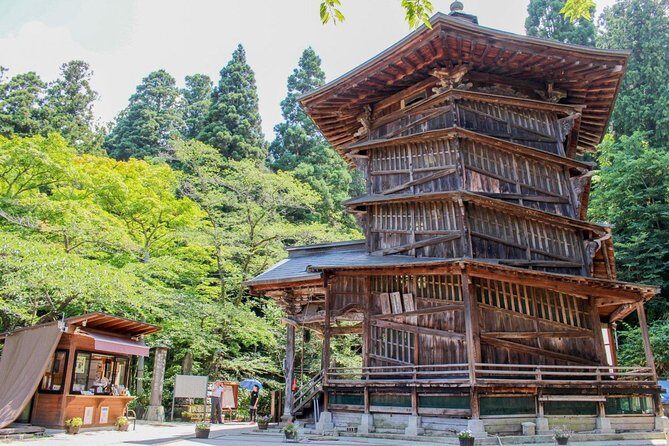
- Aizu history in layers: castle power, samurai households, wartime aftermath, and everyday culture
- Plenty of culture per hour: hot spring town vibe, sake heritage, and a museum overview of Japan’s past
- Private means yours only: only your group participates, so questions don’t get lost in a crowd
Aizuwakamatsu’s story clock: why 4 hours is the right length
Aizuwakamatsu feels like a place that rewards slowing down. You’re not trying to “see everything.” Instead, you get a guided path through the town’s big themes: feudal authority, samurai life, and the dramatic turning point of the late 1800s.
Four hours also makes sense logistically. The stops are short enough that you can absorb the meaning, not just take photos. And because your guide can tailor the route, you’re more likely to leave with a clear picture of how Aizu’s past connects to what you see today.
You can also read our reviews of more guided tours in Aizuwakamatsu
Price and what you actually get for $107.78
At $107.78 per person, you’re paying primarily for three things:
- A private, government-licensed English-speaking guide
- A route that you can customize based on your must-see priorities
- A smooth start via pickup offered and a mobile ticket
What’s not bundled: transportation fees, most entrance fees, and lunch. That matters because some of the most interesting stops can still require paid entry. So I’d think of this as a guide-and-pacing investment first, and then budget separately for any tickets where the tour doesn’t include them.
Also worth knowing: this tour is often booked about 59 days in advance, which tells me it’s a solid option during high-demand travel periods. If your dates are set, lock it in early.
The licensed guide effect: clear explanations, real preparation
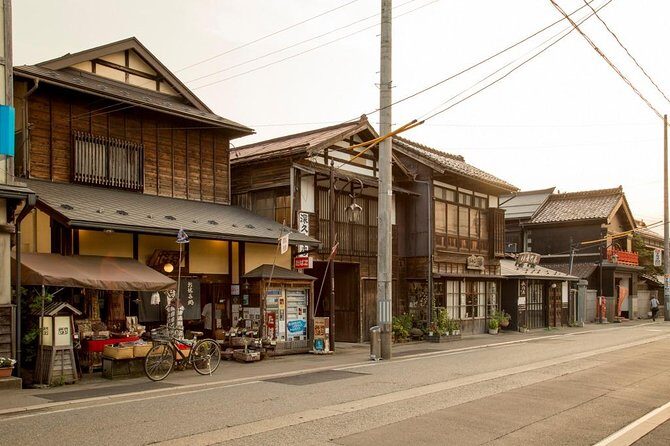
The biggest quality jump in this type of tour comes from the guide. Here, you’re working with a National Government Licensed Guide Interpreter credential, which is issued by the Japanese government and requires a strong grasp of Japanese culture and history.
In practice, that shows up in how your guide frames the sights. For example, when the story touches the Aizu domain and the upheavals of the 1860s, the explanations tend to connect the dots instead of dumping dates.
If you’re a question person, you’ll probably appreciate this. Guides in the past—like Yumi, Mitzuko, Mitsuko, and Nobuko—have been praised for preparation and for pacing that keeps the walk comfortable while still covering key points. In other words: you’re not just getting directions; you’re getting context.
How the 2–3 stop choice works (and how to choose well)
You’ll select your must-see spots from the tour’s set options, then the guide builds your 4-hour route around 2–3 sites. This format is great if you hate the “hit six places and learn nothing” style.
Here’s the practical way to choose:
- If you want samurai + battle history, aim for Tsuruga Castle area and an Aizu samurai residence stop, then add one battlefield-adjacent viewpoint.
- If you want relax + local culture, pair Higashiyama Onsen with Oyakuen Garden.
- If you want food/drink heritage, add Suehiro Sake Brewery.
- If you want a bigger historical overview, include the Fukushima Museum.
One consideration: guide entry fees are only covered for the sights in the tour’s selection list. So if you start improvising extra stops that require separate entry, you may pay additional tickets.
Stop 1: Tsuruga Castle Gymnasium and the meaning of what’s left
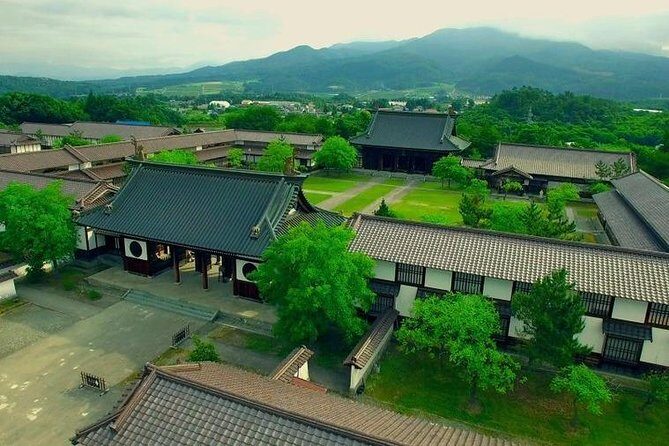
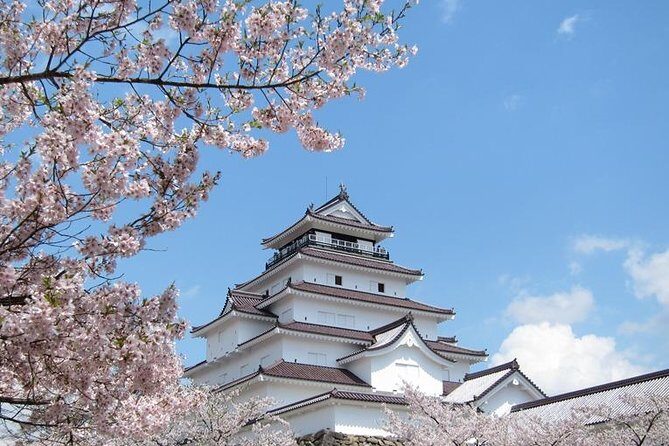
Tsuruga Castle (the iconic Aizuwakamatsu landmark) has a long timeline—built in 1384, changing hands multiple times in the Aizu region. Then history takes a hard turn: it was destroyed after the Boshin War of 1868, when forces clashed during Japan’s shift away from the shogunate.
In the tour route, you’ll spend about 30 minutes at the castle area, including Tsuruga Castle Gymnasium. Admission isn’t included, so treat this as a likely paid entry stop depending on what’s open during your visit.
What you’ll get if you take your time here is a feeling for how Aizu’s story isn’t only “past samurai.” It’s also about loss, rebuilding, and how communities interpret earlier power structures after major political change.
Practical tip: if you’re visiting in colder weather, still make space in your schedule for a slower look. The story hits harder when you’re not rushing.
Stop 2: Aizu Old Samurai Residences—quick, free, and personal
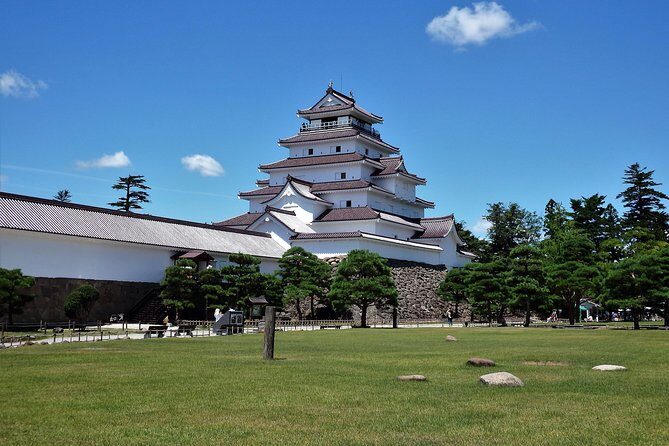
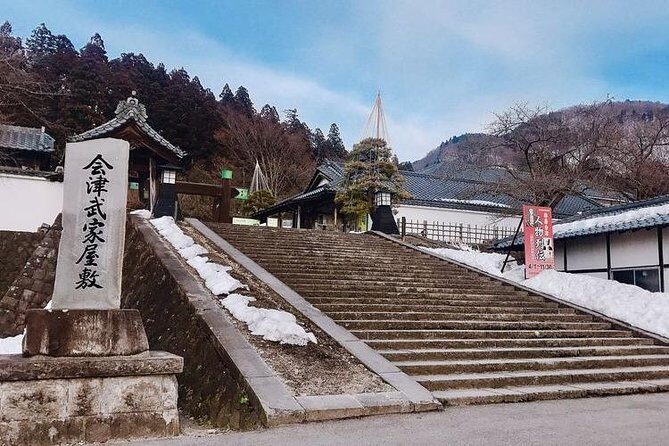
Next up is the Aizu Old Samurai Residences, where the visit is about 30 minutes and admission is free.
This is the stop that turns abstract history into something human. You’re looking at quarters that served a top-ranked samurai and his household—family, employees, and servants. That scale difference matters. Samurai history often gets taught as warfare and armor, but the daily reality was also rooms, routines, and social structure.
If you’re trying to balance big historical narratives with something tangible, this is your best “time-per-learning” stop. It’s short, and you can cover it without feeling drained.
Stop 3: Higashiyama Onsen—take the valley break
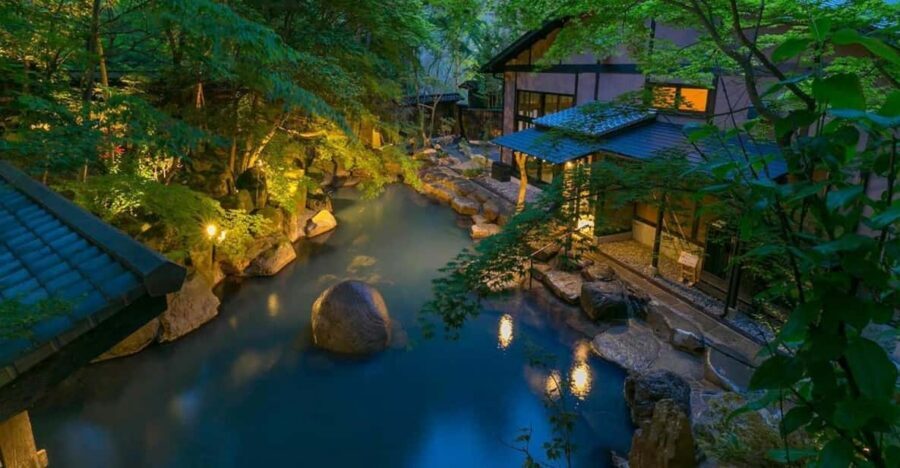
Then comes Higashiyama Onsen, about 1 hour. This is an onsen resort in a valley just east of downtown, with hotels and visitor shops.
Admission isn’t included, so you’ll want to check what you plan to do during that hour. Even without paying for a bath, you can still enjoy the change of pace: this is where Aizuwakamatsu feels less like a museum and more like a lived-in place.
Why it’s worth keeping in your 4 hours: a history-focused tour can feel heavy. The onsen district gives you an off-ramp. You get a breather, plus the chance to notice how modern visitor life sits alongside older town identity.
Stop 4: Suehiro Sake Brewery—where heritage becomes a craft
Suehiro Sake Brewery is one of the major names in the Tohoku region. It was founded in 1850 and is a family-owned business through eight generations.
You’ll have about 30 minutes here, and admission isn’t included. Still, this stop is valuable because it explains Aizu’s cultural economy through a product Japan takes seriously.
Sake isn’t just a drink. It’s seasonal timing, local sourcing, and long-term craft. If you enjoy food history or you’re traveling with anyone who likes local specialties, this is an easy “yes” stop.
Stop 5: Fukushima Prefectural Museum—big-picture context without the overload
The Fukushima Prefectural Museum stop runs around 30 minutes. Admission also isn’t included.
What makes this worthwhile is its scope. The museum’s permanent exhibitions trace Japan’s history across time—from archaeological finds onward. In a small 4-hour tour, that kind of overview can be a relief. After walking around castles and residences, it helps you place what you saw into a broader national timeline.
The caution: because it’s a time-boxed visit, you won’t see everything. So I’d focus on what your guide highlights and treat this as orientation, not a full museum day.
Stop 6: Iimoriyama—short stop, heavy meaning
Iimoriyama is another stop around 30 minutes, and admission isn’t included.
This is where the late-1860s story tightens. After the fall of the shogunate in 1867, forces loyal to the shogun concentrated in northern Tohoku. Their resistance attempts were decisively defeated near this area around Tsuruga Castle.
A stop like this can feel quick on the calendar, but it lands because the walk doesn’t rush you through the emotional weight of the era. If you enjoy wartime history and you want the tour to feel like a full narrative, Iimoriyama is a strong add.
Stop 7: Oyakuen Garden—quiet time that resets your brain
Oyakuen is a Japanese landscape garden with a pond, and the visit is about 30 minutes. Admission isn’t included.
The name is tied to its origins as a medicinal herb garden in the 18th century, which is a fun detail because it reframes the garden from “pretty place” into “functional place.”
If your day starts to feel like one factual punch after another, Oyakuen is the corrective. It’s a low-effort way to let Aizu settle back into your senses—birds, water, and the slow rhythm that gardens are good at creating.
What the walking setup means for you day-of
This tour is a walking route, and pickup is on foot within a designated area. It’s also near public transportation, so you’ll likely be able to coordinate easily if you’re coming in on trains or local buses.
Most travelers can participate, and service animals are allowed. The practical side: since the time is split across multiple short visits, you’ll spend more time moving between spots than you might on a car-based tour. Wear shoes you don’t mind walking in, and give yourself an extra minute or two at each stop so you’re not stressed.
Who this tour suits best
This is a great match if you:
- Want a private, guided day where you can ask questions
- Like history that stays grounded in places, not just lecture notes
- Prefer choosing your sights instead of accepting a rigid route
- Want a calm contrast after busier cities
It might be less ideal if you:
- Don’t enjoy walking or visiting sites with extra entry fees
- Want a lot of food time built in (lunch isn’t included)
- Want transportation handled for you (transport fees aren’t included)
Should you book this Aizuwakamatsu private tour?
Yes, if you want a guided 4-hour “Aizu clarity” day. The value is strongest when you care about context—samurai life, the late-shogunate era, and how modern Aizuwakamatsu grew out of those turning points. The government-licensed guide plus the 2–3 stop customization keeps the day from turning into chaos.
If you’re deciding between this and a cheaper group option, I’d lean toward this one when your priorities include history interpretation and comfort. Just plan for extra tickets at the stops that aren’t included, and bring your walking shoes.
FAQ
How long is the Aizu private tour?
The tour runs for about 4 hours.
Is this tour private or shared?
This is a private tour/activity. Only your group participates.
Can I customize the itinerary?
Yes. You’ll customize your tour by selecting 2–3 sites from the tour’s options.
Are entrance fees included?
No. Entrance fees are not included, so you may need to pay for tickets depending on the specific stops you choose.
Is transportation included?
Transportation fees are not included, and there’s no private transportation.
Is it a walking tour?
Yes. It’s a walking tour, and pickup is on foot within a designated area.
Can I get a refund if plans change?
Free cancellation is available up to 24 hours in advance for a full refund. Canceling less than 24 hours before the start time is not refundable.