Hiroshima deserves more than a checklist. This private local-led walking tour lets you hit major sights like the Peace Memorial Park and Atomic Bomb Dome, then move on at your own pace. I also love the personalized itinerary built around your interests, plus the small human touches guides bring. The one real catch: it’s mostly on foot, with some public transport, so it’s not ideal if walking is tough.
What makes this feel different is the way you plan the day. After booking, you fill out a short questionnaire, then your guide (names you might meet include Ami, Ken, Yuka, and Maryam) shapes the route around what you want—history, food, culture, quiet places, or fast hits. It also helps that you can request different start times and choose a tour length from 2 to 6 hours, so you’re not locked into a rigid schedule.
In This Review
- Quick reasons this Hiroshima private walk works so well
- Why a private local walk fits Hiroshima better than a group tour
- Meeting at Oruzu Tower: easy start, simple ending
- How your questionnaire shapes the route (and how to use it well)
- Peace Memorial Park and Atomic Bomb Dome at your pace
- Hiroshima Castle and postwar renewal: seeing the city after the storm
- Wandering the pedestrian arcade: everyday Hiroshima for food and photos
- A 17th-century garden with koi ponds, arched bridges, and teahouses
- Hillside temple trails and moss-covered lanterns
- Tree-lined renewal avenue: hope you can walk through
- Izakayas, sake bars, and street food: plan it for day or evening
- If you want Miyajima: ask your guide, and plan for transport time
- Walking, tram/train, and what to bring for an easier day
- Price and value: what $69.57 gets you
- Who should book this Hiroshima private local tour?
- Should you book it? My practical take
- FAQ
- How long is the Hiroshima Private Tour with a Local?
- Can I choose my start time?
- Where does the tour start?
- Does the tour end somewhere else?
- Is pickup offered?
- Is transportation included?
- What should I bring for transit during the tour?
- Are food and tickets included?
- Is this tour private?
- Can I cancel for free?
Quick reasons this Hiroshima private walk works so well
- You pick the timing: choose your start time and tour length (about 2–6 hours).
- Local planning before you step out: a questionnaire guides the itinerary design.
- You can focus on the big memorial sites or side streets: Peace Memorial Park, Atomic Bomb Dome, Hiroshima Castle, plus quieter cultural stops.
- Guides bring practical extras: photo-friendly moments, local lunch ideas, and even crane origami in some plans.
- You move like a small group, not a crowd: no big-bus stampede, just you and your guide (and your group).
Why a private local walk fits Hiroshima better than a group tour
I like Hiroshima tours that respect the mood of the city. The Peace Memorial area isn’t a quick photo stop for most people, and having time to pause makes the whole day feel more honest. With a private guide, you can lean into reflection, then switch gears to everyday Hiroshima streets without the pressure of keeping up with a large group.
This setup also tends to feel more personal in the details. One guide experience includes help with Hiroshima origami cranes and thoughtful context at key sites. Another includes food-first planning, with local lunch suggestions afterward. Those touches matter because they turn information into something you can actually remember.
And yes, it’s still a walking experience. One review explicitly flagged that the mix of walking and transport can be tough for anyone with mobility limits, so be honest with yourself about your pace.
You can also read our reviews of more private tours in Hiroshima


Meeting at Oruzu Tower: easy start, simple ending
You meet at SOUVENIR SELECT HitotoKi orizuru tower, on the 1st floor. It’s in the central area (Naka Ward), and the tour ends back at the same meeting point, which helps you avoid last-minute navigation stress.
If your accommodation is central, pickup is offered on foot. That means the guide meets you from the area rather than arranging a vehicle ride—handy if you’re staying nearby and want to start with zero hassle.
You’ll also have a mobile ticket, which usually makes it faster at the start. It’s a small thing, but in Japan, small things add up when you’re moving from place to place.
How your questionnaire shapes the route (and how to use it well)
After booking, you get a link to an online questionnaire where you share interests and must-sees. Then your City Unscripted guide reaches out directly to craft a fully customized itinerary that matches your style—history, food, cultural sites, or quieter corners.
Here’s the practical trick: be specific about what kind of time you want. If you tell your guide you want a careful memorial visit, they can slow down there. If you want “see the highlights without feeling rushed,” they can build a tighter route and use public transport strategically between areas.
If food matters, say so early. In a real guide experience, Ami planned local lunch recommendations for foodies after the tour. That’s the type of personalization you can only get with a private setup.
And if you’re traveling with kids, mention it too. At least one family-focused review noted that the guide kept kids engaged, including interactive elements like origami.
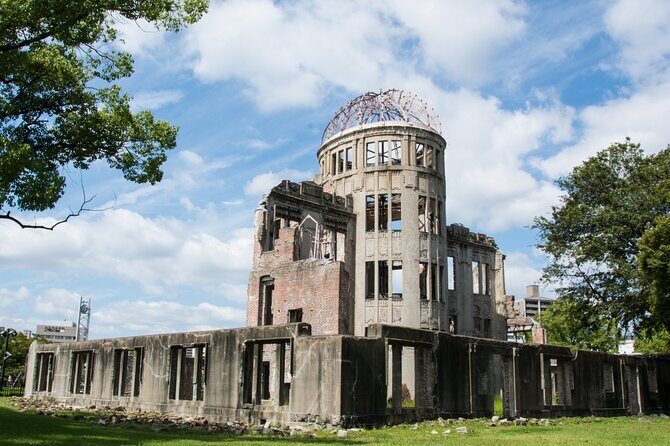
Peace Memorial Park and Atomic Bomb Dome at your pace
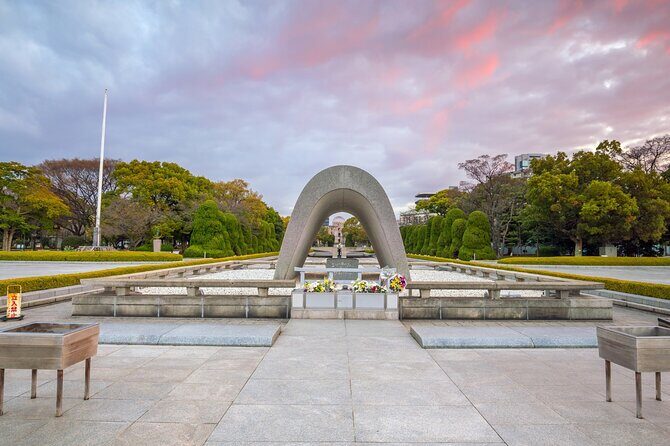
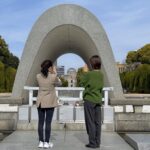
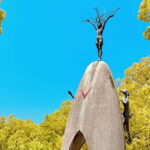
You can build the Peace Memorial Park and the Atomic Bomb Dome into your day, especially if you want Hiroshima’s most essential landmarks. This is where a private guide really earns their pay. You can spend more time at the Peace Memorial Museum when the day needs it, then step back outside when your brain needs air.
One guide experience included going beyond the basics with extra context and a gentle teaching moment: learning how to make a crane origami. That kind of detail turns the memorial area into a story you can carry, not just a set of facts you skim.
A small planning note: you’re likely to do a lot of moving between sites in the memorial zone and nearby areas, sometimes with tram/train help as your route requires. Wear comfortable shoes and plan for the day to feel emotionally heavy even if the route is not long.
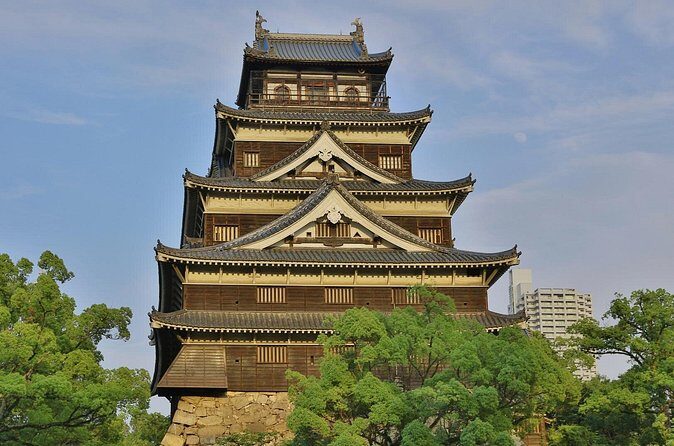
Hiroshima Castle and postwar renewal: seeing the city after the storm
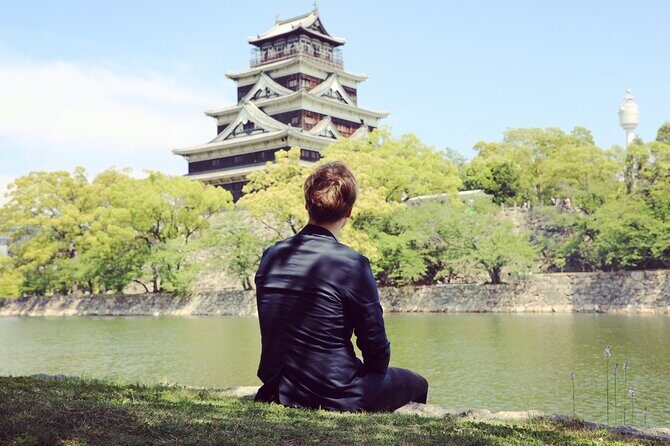
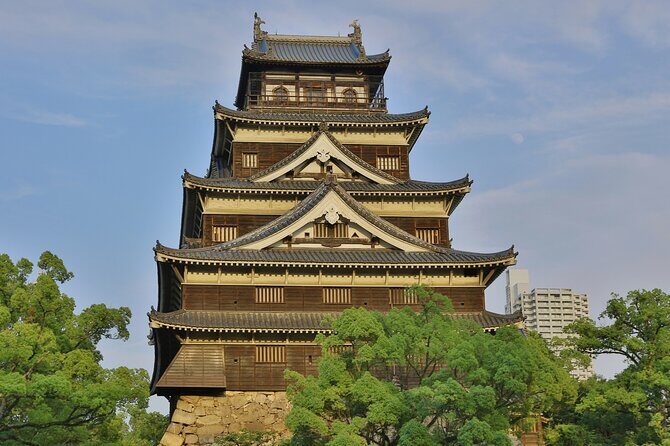
Depending on your interests and your selected duration, Hiroshima Castle can be part of the plan. It’s a very different mood from the memorial sites, and that contrast is useful. You see how Hiroshima rebuilt, reorganized its identity, and kept going.
You may also walk down a wide, tree-lined avenue constructed after World War II, described as a symbol of hope and renewal. This kind of street matters because it’s not just pretty to walk—it tells you the city’s timeline in physical form.
If you’re the type who wants both “meaning” and “how people live,” this portion of the tour helps you connect the dots without making it feel like a lecture.

Wandering the pedestrian arcade: everyday Hiroshima for food and photos

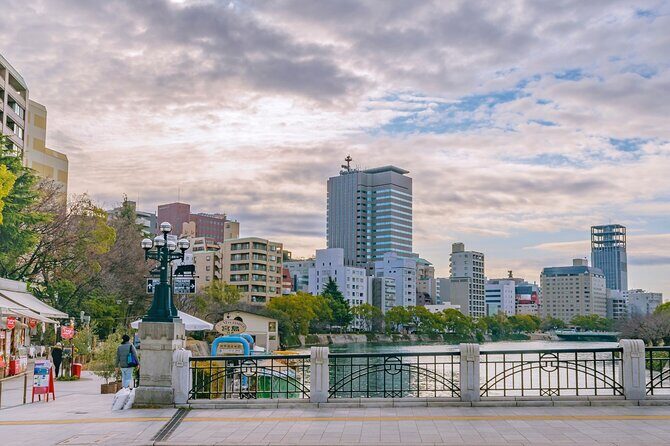
Central Hiroshima has a lively pedestrian arcade, lined with local shops, snack stalls, and independent boutiques. One of the best parts of a guided walk here is that you don’t just look—you’re pointed toward what’s worth trying and what to skip.
If you want a morning-and-afternoon rhythm, this stop works well between heavier sites. You can do a quick snack here, then use the rest of the time for garden and temple areas that slow your pace back down.
Bring a camera, but also bring your appetite. The guide can point out what’s local and practical, and you’ll get a better feel for daily life beyond the big monuments.
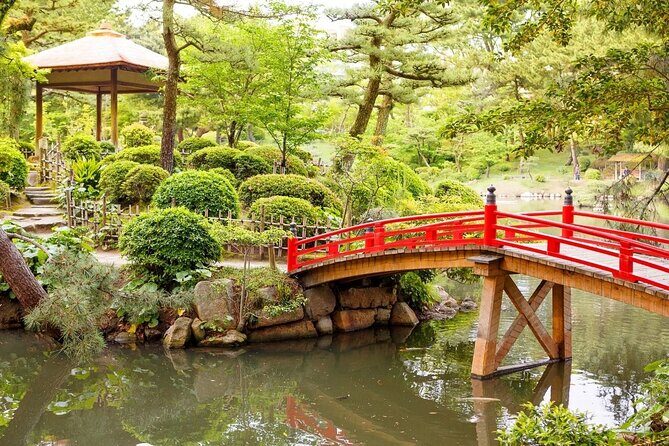
A 17th-century garden with koi ponds, arched bridges, and teahouses
One of the tour’s standout cultural stops is a tranquil garden created in the 17th century. You’ll walk through landscaped paths with koi ponds, arched bridges, and teahouses, and your host shares the garden’s history and its role in Hiroshima.
This stop works because it breaks the day into chapters. After memorial sites or city streets, a garden restores your rhythm. It also gives you that “real place” feeling—somewhere you can observe without needing to keep ticking off stops.
If you’re sensitive to heat or crowds, consider scheduling this segment earlier in your day. The tour is flexible, and your guide can often reorder stops so you don’t bake yourself for the best part of the route.
Hillside temple trails and moss-covered lanterns
Another calmer highlight is a hillside temple complex reached by forested trails. The experience is described with moss-covered stone lanterns and wooden halls, and your guide explains centuries of spiritual tradition.
I like this stop because it’s geographically and mentally away from the city center. It turns Hiroshima from “a place you visit” into “a place you walk through,” with different air, sounds, and textures.
One practical note: since you’ll be walking on trails, this is where footwear really counts. If your shoes slip easily, you’ll feel it right away on uneven ground.
Tree-lined renewal avenue: hope you can walk through
Along with Hiroshima Castle as an option, there’s a strong chance you’ll walk the wide, tree-lined avenue built after World War II. Your guide explains why it’s meaningful and points out nearby landmarks tied to Hiroshima’s renewal.
This is the kind of stop that makes a route feel connected. Instead of jumping between unrelated sights, you get a thread: the city’s shift from destruction to rebuilding.
Even if you’re not the type to read every sign, walking the avenue helps you understand the geography of recovery—where people chose to build streets, how space was organized, and what “hope” looks like when it’s built into daily routes.
Izakayas, sake bars, and street food: plan it for day or evening
If you want food culture, you can include one of Hiroshima’s liveliest districts known for izakayas, sake bars, and street food stalls. Your guide introduces local favorites and shares stories tied to the neighborhood.
What I like about this stop is flexibility. You can visit during the day and then go back later on your own, armed with the guide’s recommendations. In at least one experience, Ami gave lunch suggestions for after the tour, which points to the same idea: you’re set up to continue exploring without needing a guide again.
If your tour timing overlaps with dinner hours, ask your guide if it makes sense to do this near the end of your walk. That way you don’t end up eating early and then spending the rest of the time on a “full stomach foot race.”
If you want Miyajima: ask your guide, and plan for transport time
Some real guide routes have extended beyond the city, including a train to Miyajima station and a ferry ride to Miyajima. That’s a great add-on if your selected duration gives you room and you want a full day feel.
Because transportation and ticket costs aren’t included, you’ll also want your guide to estimate logistics early. Your guide can discuss what you’ll use and what it might cost, then you can decide if the time trade is worth it.
If you’re the kind of traveler who likes “one big extra day trip,” this is where that can happen. But if your priority is Hiroshima itself, you can keep the route strictly city-based and still get plenty of variety.
Walking, tram/train, and what to bring for an easier day
This is primarily a walking experience. A private vehicle is not included, and public transportation or local taxis may be used to transfer between sites at additional cost. That’s normal for Hiroshima, and it’s how a local keeps the day efficient.
One review specifically advised having an IC card and cash for the guide’s transportation costs. That’s practical advice you can follow even if you’re not sure exactly how your route will use transit.
So pack smart:
- comfortable shoes (seriously)
- an IC card
- some cash for small transit costs
- water, especially if your garden/temple blocks land in warmer parts of the day
And if you have mobility concerns, treat this as a key question before you book. The tour can be tailored, but it’s still a walking-centered plan.
Price and value: what $69.57 gets you
At $69.57 per person, this is priced like a smart private experience, not a basic ticket-and-walk. You’re paying for a local guide to craft a route around your interests, plus insider tips that make the city easier to understand.
The value gets even better when you consider what’s included:
- private and personalized guiding
- an online questionnaire to tailor the day
- flexible start times and tour length
- direct communication with your host
- pickup on foot for central accommodations (when applicable)
What isn’t included is also clear: food, drinks, and attraction tickets, plus transportation. That means you should budget a bit extra depending on where you want to go and whether you add major paid sites or a Miyajima extension.
One more value note: this kind of booking is often made ahead. It’s booked on average about 50 days in advance, which suggests many people want prime time. If your dates are fixed, don’t wait until the last minute.
Who should book this Hiroshima private local tour?
Book this if you want more than a rushed highlights circuit. You’ll likely enjoy it if you care about:
- seeing the Peace Memorial area and related sites without feeling pushed
- mixing serious history with lighter city culture like gardens and shopping streets
- food recommendations that are actually useful, not generic
- a pace that can slow down or speed up based on your mood
It’s also a strong fit for couples and small groups who want privacy and flexibility. Several guide experiences include personal storytelling and photo-friendly guidance, which helps if you want a day that feels like a travel memory, not just a checklist.
The main mismatch is mobility. Since it’s walking-centered with some transit, it’s not the best choice if you can’t do long stretches on foot.
Should you book it? My practical take
I’d book this tour if your top goals are Peace Memorial context, a few key city landmarks, and at least one cultural slowdown like a garden or temple area. The private format is where the value lives: your guide can steer you toward what you actually care about, and you’re not stuck in lockstep.
Skip it (or ask for a toned-down plan) if you know walking will be a problem. Also, plan for extra spending on food and any tickets or transit used between stops, since those costs aren’t included.
If you want Hiroshima to feel human—history with space to breathe, plus local streets and calm corners—this is a solid choice.
FAQ
How long is the Hiroshima Private Tour with a Local?
The tour runs about 2 to 6 hours, depending on the duration you choose when you book.
Can I choose my start time?
Yes. The experience offers flexible start times, and you can pick what works for you when booking.
Where does the tour start?
The meeting point is SOUVENIR SELECT HitotoKi orizuru tower, 1F, 1-chōme-2-1 Ōtemachi, Naka Ward, Hiroshima.
Does the tour end somewhere else?
No. This activity ends back at the meeting point.
Is pickup offered?
Pickup is offered on foot at your accommodation if it’s central.
Is transportation included?
Transportation isn’t included. Since it’s primarily a walking experience, public transport may be used to transfer between sites, and local taxi costs may also apply.
What should I bring for transit during the tour?
A review advises having an IC card and cash, since there may be transportation costs related to the guide’s movement between sites.
Are food and tickets included?
No. Food, drinks, and tickets to attractions are not included.
Is this tour private?
Yes. It’s a private tour/activity, and only your group participates.
Can I cancel for free?
Yes. You can cancel for free up to 24 hours in advance for a full refund.