REVIEW · IWATE PREFECTURE
All Must-Sees Tono Private Tour with Government-Licensed Guide
Book on Viator →Operated by Japan Guide Agency · Bookable on Viator
Tono runs on folklore. This private tour is a smart way to see the region’s famous spirits, shrines, and preserved village life with a government-licensed guide and customizable stops.
I love the flexibility: you choose 2–3 must-see sites from the lineup, so you’re not dragged through a fixed checklist. I also like how the day balances legend with real place-based context, from a kappa-haunted stream to a folk-culture museum.
One thing to plan for: the experience is walking-focused within the Tono area, and not every attraction has fees included, so your total may be a bit higher than the headline price.
In This Review
- Key highlights to know before you go
- Tono folklore, done efficiently with a licensed guide
- Your 6-hour plan: pick 2–3 stops from kappa to love shrines
- Stop 1: Kappabuchi and the kappa prankster stream (about 30 minutes)
- Stop 2: Unedorisama Shrine and the left-hand love tie (about 30 minutes)
- Stop 3: Denshoen for rustic life, residences, and a memorial museum (about 1 hour; entry not included)
- Stop 4: Tono Tale House for folklore recordings and live storytelling (about 1 hour; entry not included)
- Stop 5: Tono Furusatomura for crafts, village food, and folk tales (about 1 hour; entry not included)
- Stop 6: Chiba House for the 200-year-old Nanbu Magariya farmhouse (about 1 hour; entry free)
- Stop 7: Tono Municipal Museum for folk customs and The Legends of Tono (about 1 hour; entry not included)
- Why the “choose your stops” format is the real value
- The guide: government-licensed, culture-focused, and practical
- Walking logistics in rural Tono (and how to handle it)
- Price and value: $143.34 for a private folklore day
- What kind of traveler should book this?
- Should you book the All Must-Sees Tono Private Tour?
- FAQ
- What does the tour include?
- How long is the tour?
- Can I customize which stops I visit?
- Are entrance fees included?
- Is transportation included?
- Is pickup from my hotel available?
- Is the tour private?
- Can I get a full refund if I cancel?
- What about confirmation timing and changes?
Key highlights to know before you go
- Government-licensed, multilingual guide support focused on culture and context, not just facts
- Pick 2–3 stops from a lineup built around Tono’s folklore traditions
- A walkable day with pickup and drop-off on foot around Tono’s center
- Legend stops with free entry like Kappabuchi and Unedorisama Shrine
- Theme parks and reconstructed farmhouses that make rural life easy to visualize
- Mobile ticket and group discounts that keep the admin simple
Tono folklore, done efficiently with a licensed guide
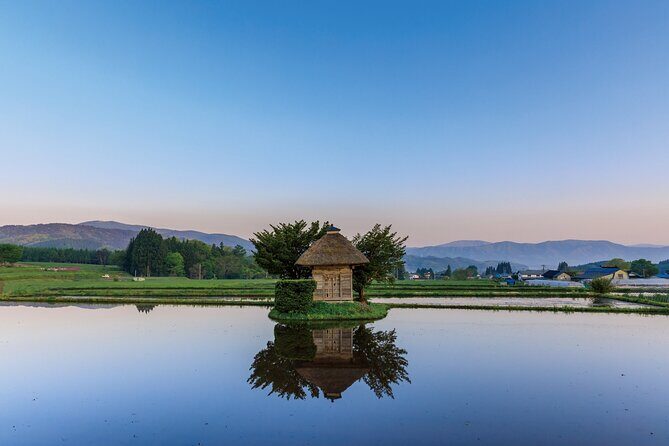
Tono is rural Iwate, the kind of place where stories travel by word of mouth as much as they do by paper. The big draw here is how the tour turns folklore into stops you can stand in front of—streams, shrines, houses, and museums—so the legends feel grounded.
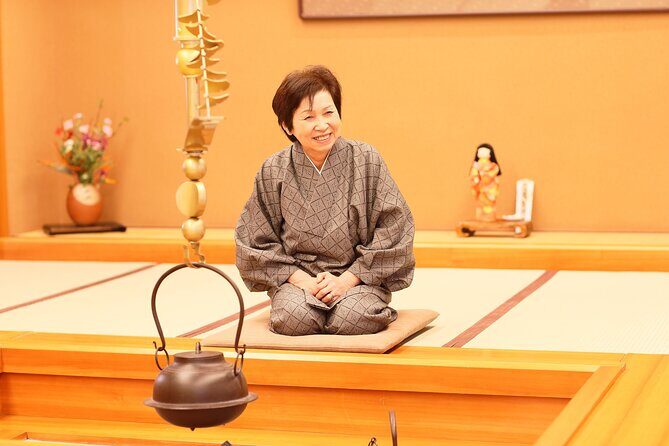
This is also the kind of tour that works well if you want structure without losing control. You get an experienced, government-licensed English-speaking guide who can explain the cultural background behind the myths, and you set the pace by selecting your must-see sites in advance.
You’ll spend about 6 hours, and you’ll do it in a small, private setting with only your group. That matters in Tono, because rural stops mean you don’t want a large crowd slowing down photo ops or questions.
You can also read our reviews of more guided tours in Iwate Prefecture

Your 6-hour plan: pick 2–3 stops from kappa to love shrines
The route is designed around choices. You’ll select a few highlights from the day’s list, then your guide builds the flow so it feels like a coherent story—animals and spirits first, then the places people used for daily life and tradition.
Here’s what the standard lineup offers, and how each stop tends to work in a well-paced tour.
Stop 1: Kappabuchi and the kappa prankster stream (about 30 minutes)
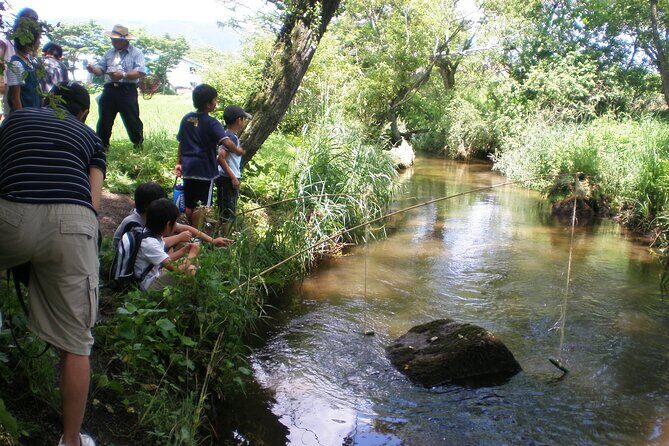
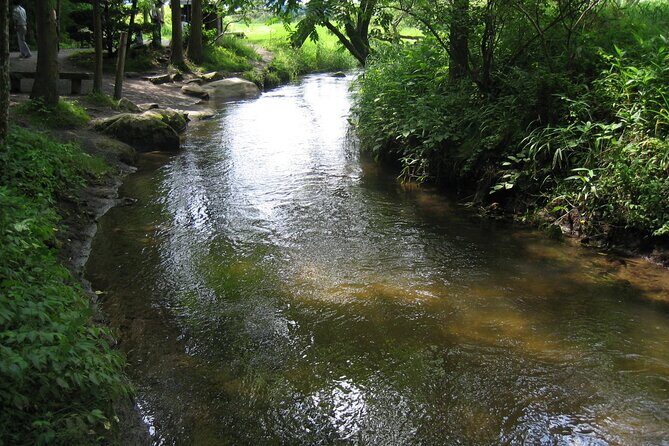
Kappabuchi is tied to the idea that mischievous kappa river sprites live in a small stream running behind Joken-ji Temple area in Tsuchibuchi-cho. It’s short, free, and easy to fit early, when you still have energy for a little folklore theater.
What you’ll get: a focused introduction to how kappa stories connect to waterways and village safety—supernatural explanations for real places. Even if you’ve heard of kappa before, the power here is in seeing how the legend is anchored to a particular waterway.
Consideration: since this is short and free, it can feel “light” compared to the longer theme and museum stops later. That’s not a problem if you pick it as one of your 2–3 sites; it is a problem if you expect every stop to be a full program.
Stop 2: Unedorisama Shrine and the left-hand love tie (about 30 minutes)
Unedorisama Shrine is a small wayside shrine said to be home of a god of love. The highlight is practical and specific: you buy a small red cloth from an unmanned shop, then tie it to a tree with just your left hand to be tied with the one you love.
What you’ll get: a moment that feels participatory rather than just observational. It’s also a neat example of how belief can live in tiny, repeatable actions that visitors can understand quickly.
Consideration: because it’s unmanned and small, the experience is what you make of it. If you’re not into rituals or symbolism, you might find it less engaging than the reconstructed homes or the story halls.
Stop 3: Denshoen for rustic life, residences, and a memorial museum (about 1 hour; entry not included)
Denshoen is a theme park built to show the rustic lifestyle of the Tono region. In particular, it includes the Kikuchi Residence, a registered important cultural asset, plus a memorial museum related to Kizen Sasaki (as listed in the tour description).
What makes this stop valuable is the way it mixes settings. You’re not only hearing about the past; you can walk through spaces designed to represent how people lived, worked, and remembered local figures.
A drawback to consider: admission isn’t included here, so this is one of the spots most likely to increase your out-of-pocket costs. If you’re price-sensitive, choose Denshoen only if you want that “place you can walk through” feeling.
You can also read our reviews of more private tours in Iwate Prefecture
Stop 4: Tono Tale House for folklore recordings and live storytelling (about 1 hour; entry not included)
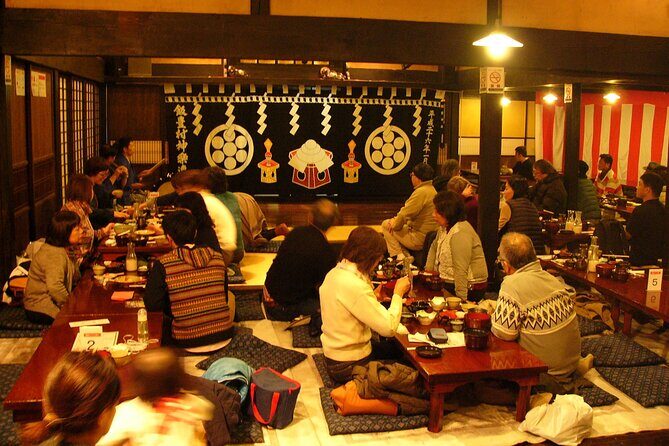
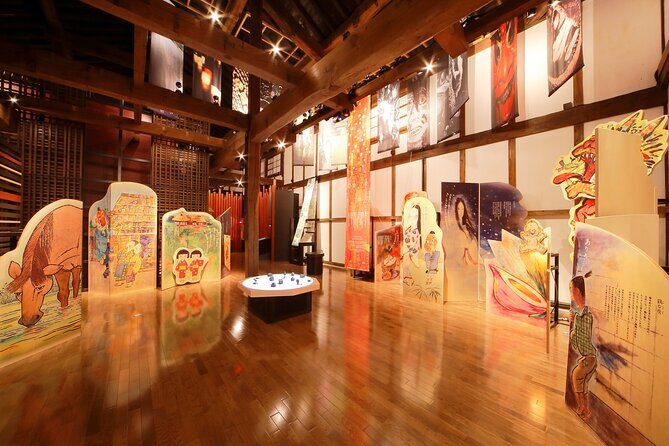
Tono Tale House is built around stories: you can see images and listen to recordings in the Hall of Stories, and you can also catch live storytelling at the Tono Theatre. The stop is also linked to Kunio Yanagita, an author strongly associated with The Legends of Tono.
What you’ll get: the best shift from “legend as an idea” to “legend as performance.” If you’re the type who likes to hear how a story sounds in real life, this is the part of the day that usually clicks.
Consideration: because entry fees aren’t included, you’ll want to decide whether audio/performances are your priority. If you prefer outdoor sites and built environment, you can skip this and still get a strong folklore day.
Stop 5: Tono Furusatomura for crafts, village food, and folk tales (about 1 hour; entry not included)
Tono Furusatomura recreates a nostalgic rural village in Tono. The description highlights folk craft experience, regional cuisine, and listening to folk tales.
What makes this stop useful: it helps you understand the “everyday side” of folklore. People tell stories around work, meals, and seasonal life, not just around campfires. This place is designed to help you feel that rhythm.
Consideration: like the Tale House, it’s not included in the tour price for admissions. Also, recreated villages can vary in how hands-on they feel depending on timing, so if you hate waiting around for activities, plan to keep your expectations flexible.
Stop 6: Chiba House for the 200-year-old Nanbu Magariya farmhouse (about 1 hour; entry free)
Chiba House is a farmer’s private residence built about 200 years ago. It’s an L-shaped Nanbu Magariya, where people and horses lived under the same roof, which is a very specific regional housing style.
This is the stop I’d recommend to anyone who wants folklore to connect to real material life. Even without speaking a word of Japanese, you can usually grasp the logic of the layout and the daily practicalities behind it.
The bonus: admission is free. That’s a rare win in theme/historic settings and makes Chiba House an easy choice when you’re deciding between the optional paid sites.
Stop 7: Tono Municipal Museum for folk customs and The Legends of Tono (about 1 hour; entry not included)
The Tono Municipal Museum opened in 1980 and is described as the first museum in Japan devoted to folk customs. It’s focused on The Legends of Tono, with displays and videos about nature, life, culture, and history in the region.
What you’ll get: a structured overview that can pull your day together. If you’ve visited Kappabuchi and the shrine, the museum helps you see the bigger picture—how belief systems, daily labor, and place-based experiences fit into one story.
Consideration: this is another stop with admission not included. If you’re only doing two paid sites, this one is usually best when you want context to understand what you just saw.
Why the “choose your stops” format is the real value
Many tours sell a long day. This one sells control. You choose 2–3 sites from the lineup, which is a big deal because in a rural town, “saving time” usually means spending it better.
If you’re a first-timer, I’d aim for a simple triangle:
- One folklore anchor (Kappabuchi or Unedorisama)
- One built-life site (Chiba House or Denshoen)
- One story setting (Tale House or Furusatomura, depending on whether you want performances or hands-on village life)
That mix keeps the day from feeling like random sightseeing. It turns Tono into a narrative: spirits and symbols, then the living spaces and customs that produced the stories.
Also, it’s a private tour, so your guide can adjust pacing to your interests. If you ask for extra time at one stop, you can usually do that without upsetting an entire bus schedule.
The guide: government-licensed, culture-focused, and practical
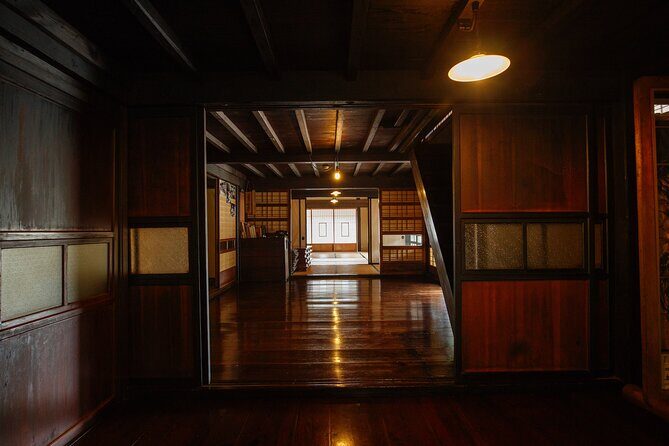
The tour is built around a guide who’s government-licensed for interpreter work. In plain terms, that certification is meant for someone who can explain Japanese culture and history with the context you need—not just translate words.
You’ll see that in how the stops are framed. Kappa stories aren’t presented as random “weird creatures,” but as part of how people related to waterways and risk. The love shrine ritual isn’t only described; it’s explained in a way that makes the action feel meaningful rather than confusing.
And because it’s a private format, you’re more likely to ask follow-up questions. If you want background on why Tono became so strongly linked with folklore, you can steer the conversation toward that.
Walking logistics in rural Tono (and how to handle it)
Pickup and drop-off are on foot, which means you’ll likely start and finish near a designated meeting area rather than being whisked around by a private vehicle. Transportation fees aren’t included, and there’s no private vehicle in the package.
For you, that usually means two things:
- Be ready for a day that includes walking between stops.
- Bring sensible footwear, especially if the ground looks uneven or damp.
This is still described as near public transportation, so it’s not a car-only day. But since you’re walking to meet up and moving around on foot, you’ll enjoy it more if you plan around that.
One practical tip: since entrance fees aren’t included for most of the major attractions, bring some cash or a payment method you can use on-site. The tour covers guide entry only for the sights included in your selected stops, so your costs will depend on what you pick.
Price and value: $143.34 for a private folklore day
At $143.34 per person for about 6 hours, this doesn’t feel like a cheap “walk-in and hope” sightseeing deal. It’s priced like a true private guide day—especially because you’re not paying for a whole vehicle or transportation included in the price.
The value comes from two places:
- You select 2–3 stops. If you pick the right combination, you’re paying for time, context, and flexibility—not a long list of places you don’t care about.
- You get a licensed guide. That certification matters when you want cultural meaning, not just descriptions.
Your main cost risk is straightforward: entrance fees aren’t included, and multiple paid stops can add up. If you want to control costs, load your shortlist with the free-entry options like Kappabuchi, Unedorisama Shrine, and Chiba House, and then add only one paid “big experience” site.
If you’re traveling as a couple or family, private guiding can become a strong deal because the guide time is shared. Group discounts are mentioned, but the exact structure isn’t specified, so treat that as a potential bonus rather than a guaranteed math win.
What kind of traveler should book this?
Book this if you want:
- A folklore-first day in Tono, with real, specific locations tied to legend
- A private, flexible plan (not a fixed script)
- A guide who can explain cultural meaning with confidence
You might skip it if:
- You hate walking around a small town for several hours
- You only want fully included attractions with no extra admissions
- You’re looking for big-city pacing and constant entertainment on demand
For families, this can work because the stops are varied—ritual at a shrine, an outdoor stream story, a farmhouse, then indoor story spaces. Just note that most story parks and museums listed have admissions not included, so you’ll plan around that.
Should you book the All Must-Sees Tono Private Tour?
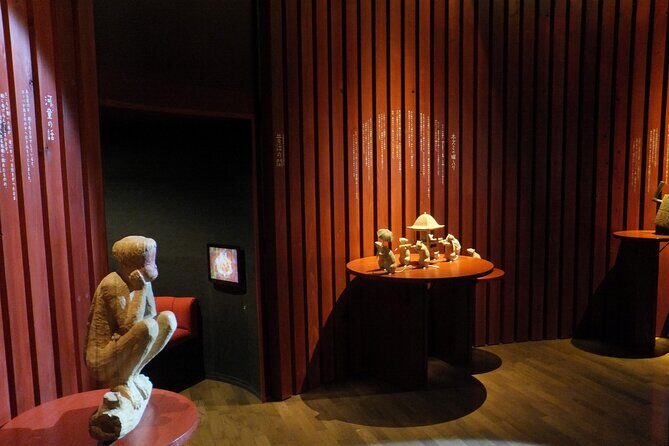
If your dream day in Japan includes folklore you can point to—kappa myths, love rituals, story halls, and traditional farmhouses—this tour is a strong bet. The real reason is the format: you choose 2–3 places, and a licensed guide helps you connect them into one coherent experience.
I’d book it when you’re comfortable paying some additional entrance fees for the larger attractions and you want a guide who can explain what you’re seeing. Choose your stops wisely, start early, and wear shoes you’ll be happy in.
If you want, tell me your travel dates and whether you prefer more outdoor sites or more museums and story performances. I can suggest a balanced 2–3 stop combo from the lineup that fits your style.
FAQ
What does the tour include?
You’ll get a licensed local English-speaking guide, a customizable route where you choose your 2–3 sites, and you’ll meet the guide on foot within the designated Tono area. Pickup is offered, but the tour notes that pickup and drop-off are on foot around the meeting area.
How long is the tour?
The duration is about 6 hours.
Can I customize which stops I visit?
Yes. You’ll select your must-see spots from the list in the tour information, and your guide will build a tailored itinerary in advance based on your choices.
Are entrance fees included?
No. Entrance fees are not included, and the tour notes that guide entry fees are only covered for the sights listed under what to expect (meaning your selected stops).
Is transportation included?
No. Transportation fees are not included, and there is no private vehicle included.
Is pickup from my hotel available?
Pickup is offered, and you can start your day with a morning pickup at your hotel. The tour also states that pickup and drop-off are on foot.
Is the tour private?
Yes. It’s described as a private tour/activity, so only your group participates.
Can I get a full refund if I cancel?
Yes. Free cancellation is allowed, and you can cancel up to 24 hours in advance for a full refund.
What about confirmation timing and changes?
You should receive confirmation within 48 hours of booking, subject to availability. Tour dates can be changed up to 2 days before the experience.