REVIEW · IWATE PREFECTURE
Morioka Full-Day Private Tour with Government-Licensed Guide
Book on Viator →Operated by Japan Guide Agency · Bookable on Viator
A day in Morioka feels like hitting fast-forward on Tohoku. This private tour pairs a government-licensed multilingual guide with a flexible plan, so you can focus on what you care about instead of marching through a fixed script. I like the efficiency, and I especially like that you can customize 3–4 stops in advance.
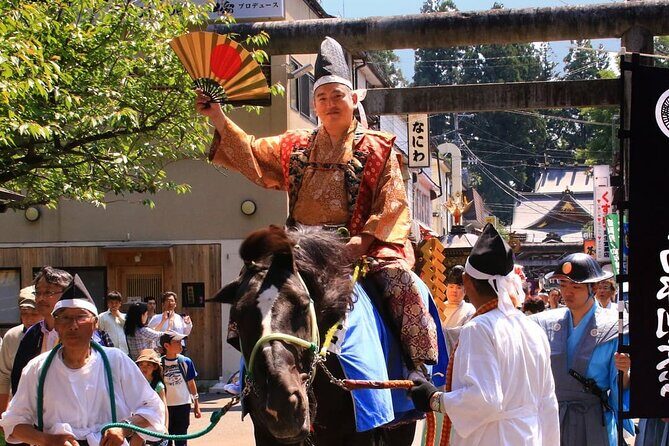
Two things I really value here: you get Morioka cultural anchors (a Shinto shrine, a Zen temple, and castle-ruin grounds) plus a hands-on craft stop that can turn sightseeing into something you actually take home. The guide also brings the kind of cultural framing that makes small details click—like why Chagu Chagu Umakko matters for Morioka’s identity.
One possible drawback: it’s described as a walking tour, and the Handi-Works Square area can mean extra legwork and possibly transit. If your hotel isn’t close to the action, plan for some bus/taxi time and be ready for a day that leans active.
Key highlights (what makes this tour work so well)
- Government-licensed guide with strong cultural and historical context
- Choose 3–4 sites from the available list before the tour day
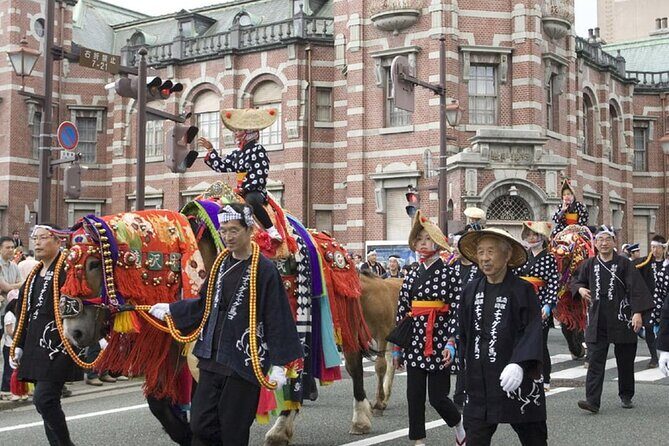
- Morioka Hachimangū in a city known for festivals like Chagu Chagu Umakko
- Temple stop (Hōon-ji) with 500 Rakan statues as a main draw
- Handi-Works Square hands-on crafts, including options that appeal to craft lovers
- Good weather matters, since the format depends on you being out and walking
In This Review
- Morioka’s “Forest and Water” vibe, in a tight 6 hours
- What your government-licensed English guide actually adds
- Price and value: what you get for $156.89 per person
- How the day runs: a 6-hour format built for 3–4 stops
- Stop 1: Morioka Hachimangū and the spirit of Chagu Chagu Umakko
- Stop 2: Morioka Castle Ruins Park—free grounds, big local energy
- Stop 3: Hōon-ji Temple and the draw of 500 Rakan
- Stop 4: Morioka Handi-Works Square—where the day gets hands-on
- The best way to choose your 3–4 stops
- Pickup, private group rules, and what it means for your time
- When this tour is a smart match (and when it isn’t)
- Should you book this Morioka private day tour?
- FAQ
- How long is the Morioka full-day private tour?
- How many stops can I choose?
- Is pickup included, and where does it happen?
- Are entrance fees included?
- Is this a private tour or a group tour?
- What language is the guide?
- Is transportation included between stops?
- What happens if the weather is bad?
- Can I change my tour date?
Morioka’s “Forest and Water” vibe, in a tight 6 hours
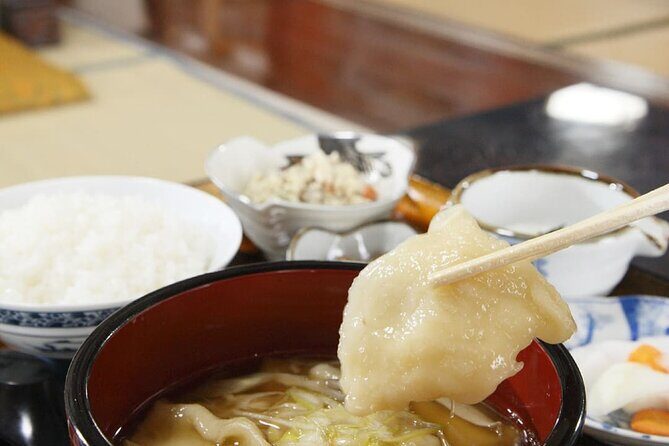
Morioka sits where rivers thread through mountain country, and people love calling it the capital of forest and water. That natural setting isn’t just scenery—it shapes how the city feels day to day, and it shows in where you’ll walk: shrine grounds, temple halls, and park-like castle ruins rather than a single “big landmark” sprint.
This tour is designed for travelers who want a meaningful taste of Morioka without turning the day into a logbook of train times. You’ll start with a morning pickup at your hotel, and then your guide steers the day based on your must-sees. You don’t have to be an expert on Japanese culture beforehand, either; the guide’s role is to explain what you’re looking at and why it matters.
The plan also works well for Morioka as a hub inside a Tohoku itinerary. If you’re doing Sendai one day and Hiraizumi the next, Morioka can still feel like a real destination—especially when your route includes both a spiritual site and a craft center.
What your government-licensed English guide actually adds
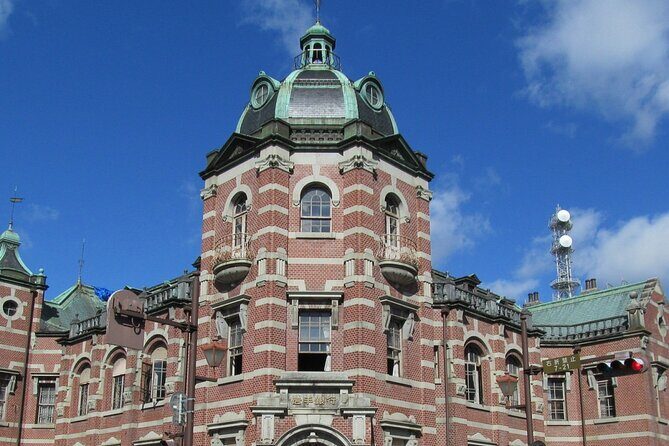
A licensed guide interpreter isn’t just a translator. The certification requires knowledge of Japanese culture and history, which shows up in how the tour flows: you’re not just being pointed at objects. You’re getting context that helps you read the place.
In practice, it means you’ll spend more time understanding the “why” and less time guessing the “what.” For example:
- At Morioka Hachimangū, it’s not only about visiting the shrine—it’s about linking the site to Morioka’s signature festival energy.
- At Hōon-ji, you’ll understand why the temple’s reputation isn’t tied to one building, but to the presence and meaning of its many 500 Rakan statues.
Also, since this is a private tour, your guide can pace the day around your questions and interests. If you’d rather linger at a detail than rush to the next stop, you can usually do that—within the 6-hour window and the 3–4 stop structure.
You can also read our reviews of more guided tours in Iwate Prefecture
Price and value: what you get for $156.89 per person
At $156.89 per person for about 6 hours, the value comes from two places: private guiding and smart time use. You’re paying for a licensed local guide and a day that’s built to move efficiently across Morioka’s main “feel” landmarks.
What’s included:
- Licensed local English-speaking guide
- A customizable route where you choose 3–4 sites from the list
- A meet-up with your guide on foot within a designated area in Morioka
What you should expect to pay separately:
- Transportation fees (not included)
- Entrance fees (some stops are free, but not all)
- Lunch and personal expenses
- Private transportation is not included
So how do you judge if it’s a bargain? If you’re the type who would otherwise spend your day bouncing between places on your own and then still need explanations, a guide like this can save you time and confusion. The big wildcard is the Morioka Handi-Works Square stop. Its admission isn’t included, and many craft experiences can create extra spending if you choose a hands-on option.
Still, if you pick the free stops you’ll likely enjoy (shrines, temples, castle-ruin park), you can keep costs controlled and spend where it counts—on making something yourself.
How the day runs: a 6-hour format built for 3–4 stops
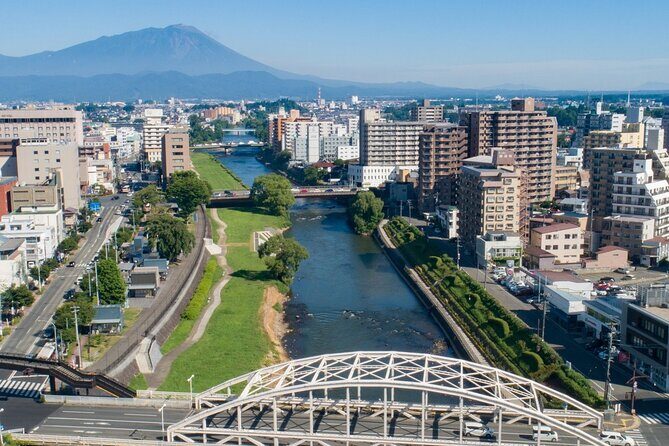
The tour is structured for a morning start and a total duration of about 6 hours. You’ll select your must-see spots from the available list, and your guide builds the route around that choice.
This is where you should be clear-eyed: it’s described as a walking tour, and the pickup is on foot within a designated area. However, in real-world Morioka city movement, you may still use public transport depending on where your hotel is and how your route connects between sites.
A useful planning rule: treat this as a moderately active day. The Handi-Works Square can be out of town relative to the other central stops, and the distance between parts of the route can add up. If you like comfort breaks and long sits, plan shorter craft sessions or choose your route carefully.
Stop 1: Morioka Hachimangū and the spirit of Chagu Chagu Umakko
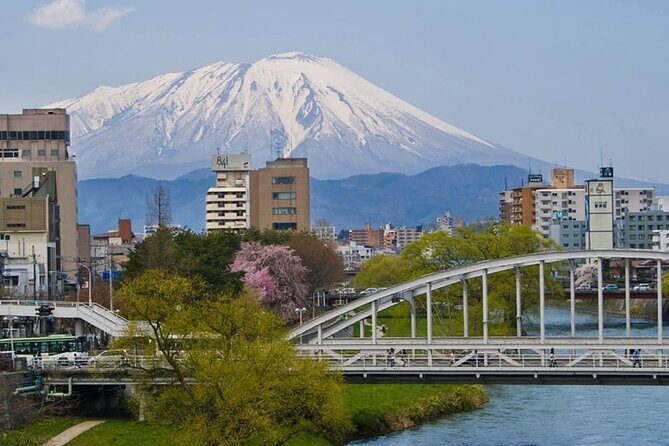
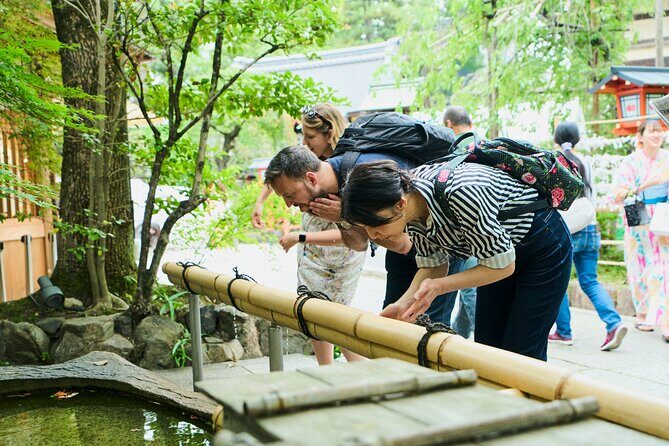
Morioka Hachimangū is a Shinto shrine in Morioka, and it’s tied to one of the city’s standout festival traditions. Its annual festival takes place on the second Saturday in June, and that’s when the famous Chagu Chagu Umakko horse parade happens.
You’ll get about an hour here, and because admission is free, this is a low-cost start with high payoff. The charm of starting with a shrine is that it sets the tone for the day. Even if you’re not a shrine expert, you’ll likely notice how carefully the space feels organized and how it connects to local identity through the festival.
Practical tip: if you visit outside festival season, you won’t see the parade itself, but you’ll still get the cultural link. That context matters, because Morioka doesn’t feel like it revolves around one monument—it’s a living city with cycles of celebration.
Stop 2: Morioka Castle Ruins Park—free grounds, big local energy

The Morioka Castle Ruins Park is the kind of place that’s easy to underestimate if you expect a fully restored “castle day.” The original castle was demolished in 1874, left to waste for a while, and then cleaned up and renamed Iwate Park in 1906.
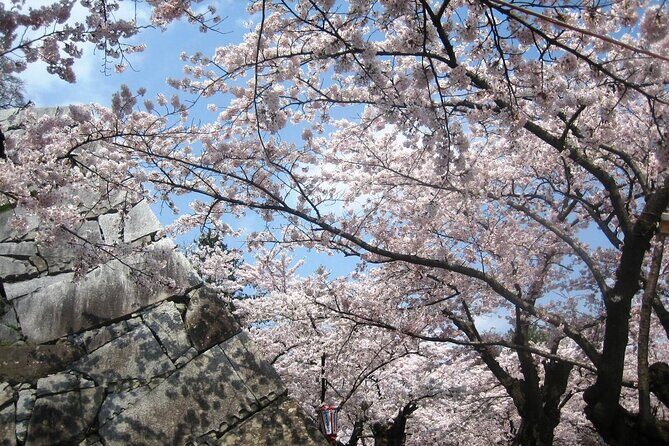
What you enjoy here is the sense of place: castle history turned into public grounds. The park is popular with locals, and it’s also a respected cherry blossom spot.
You’ll spend about two hours at this stop, and since admission is free, it’s ideal for balancing your day. Two hours gives you enough time to explore without feeling like you’re sprinting. It’s also a nice middle point between spiritual sites and the more hands-on craft experience later.
If you’re traveling in spring, the cherry blossom reputation is worth keeping in mind. If you’re not, the park still works because it’s a relaxed, local-feeling break from indoor sights.
You can also read our reviews of more private tours in Iwate Prefecture
Stop 3: Hōon-ji Temple and the draw of 500 Rakan
At Hōon-ji, you’re stepping into the world of Sōtō Zen Buddhism. The temple’s main image includes a statue of Shaka Nyōrai, but the attraction that people remember most is the temple’s 500 Rakan statues.
You’ll have about two hours here, and admission is free. That pairing—time plus free entry—makes this a strong candidate if you’re choosing your 3–4 sites carefully.
Why the 500 Rakan angle matters: it’s not just a collection. It’s an experience of scale and repetition, and the statues create a sense of focused spiritual space. Even if you don’t know Zen terminology, the visual concentration can be easier to “get” than more narrative-heavy sites.
Practical tip: wear shoes you can stand in. This stop works best when you can take your time looking at details rather than treating it like a quick photo stop.
Stop 4: Morioka Handi-Works Square—where the day gets hands-on
This is the stop that often turns a sightseeing day into a memory you can hold. Morioka Handi-Works Square is designed so you can see, touch, and create.
You’ll spend about an hour here, and admission is not included. Still, it’s a great use of your limited time because you can shift from passive viewing to active doing.
Here’s what makes the place practical for real travelers:
- There are two main areas: a Workshop Area and an Exhibition Area
- In the Workshop Area, there are 14 workshops
- You can often watch professional craftsmen and try beginner-friendly activities
Two hands-on options that are easy to understand:
- Making Nambu sembei rice crackers, done in a waffle-like style
- Adding flavored syrup to plain dango or dumplings
You’ll also find a dango store with very unusual varieties, including cream dango and okaka (dried bonito flakes) dango. If you like food-as-culture, this stop is more than a craft venue.
What craft lovers tend to care about: the ironworks and indigo dye areas. If those are your interests, this is the moment to prioritize them when you’re planning which sites to include.
One more logistics note based on how people experience the route: expect that Handi-Works Square can mean longer walks between stops and may involve bus or taxi depending on where your hotel is. Since transportation fees aren’t included, it’s worth budgeting a bit for that flexibility.
The best way to choose your 3–4 stops
Your biggest decision isn’t picking “must-sees” in the abstract. It’s picking which mix best fits your energy level and what kind of memories you want.
If you want a balanced day:
- Choose one spiritual anchor: Morioka Hachimangū or Hōon-ji
- Choose one open-air space: Morioka Castle Ruins Park
- Include Handi-Works Square if you want an activity component
If you’re short on energy and want less transit uncertainty:
- Consider keeping Handi-Works Square as your final stop and plan to move back afterward with less back-and-forth
If you care most about making something:
- Make Handi-Works Square your priority, and build the rest of the route around it
Remember, the guide can customize based on requests you send in advance. The tour uses a selection list of must-see spots to create the exact itinerary, so you’ll want to think through your top interests before you book.
Pickup, private group rules, and what it means for your time
This is a private tour, so only your group participates. That matters because you aren’t sharing your schedule with strangers, and your guide can adjust pacing to your preferences.
Pickup happens in the morning at your hotel, but pickup is described as on foot. So if you’re staying slightly outside the central area, you might need to factor in a bit of extra walking to meet your guide within the designated area.
Also, you can’t combine multiple tour groups. That’s usually good for privacy and focus, but it means you shouldn’t count on having other people “absorb” time with you if you fall behind—this schedule is built to flow within the guide’s plan.
When this tour is a smart match (and when it isn’t)
This tour is best for you if:
- You want a government-licensed local guide rather than relying on self-guided guesswork
- You like the mix of shrines/temples/parks plus a craft experience
- You want a day that fits into a Tohoku itinerary without feeling like a detour
It may be less ideal if:
- You prefer fully accessible, low-walking itineraries. This format is walking-based, and the craft center stop can add distance.
- You don’t want any extra cost beyond the tour price, since Handi-Works Square admission isn’t included and transportation to connect areas may cost extra.
One more thing: it’s noted as requiring good weather. If weather conditions aren’t right, you’ll be offered a different date or a full refund.
Should you book this Morioka private day tour?
I’d book it if you want a fast but meaningful Morioka day: shrine culture, Zen temple atmosphere, castle-ruin park space, and a hands-on craft center that can satisfy both your eyes and your hands. The big reason is the guide—this isn’t just interpretation, it’s culturally grounded context from a licensed professional.
I’d pause and plan carefully if you’re sensitive to walking distances or if your hotel is far from the central meeting area and Handi-Works Square. In that case, you’ll still get a good day, but you’ll want shoes ready and a little budget for transit.
FAQ
How long is the Morioka full-day private tour?
It runs for about 6 hours.
How many stops can I choose?
You customize your itinerary with 3–4 sites from the list provided in the tour information.
Is pickup included, and where does it happen?
Pickup is offered in the morning at your hotel, and the guide meet-up is on foot within a designated area of Morioka.
Are entrance fees included?
Entrance fees are not included in the tour price. Some stops on the route list are free, but you should budget for paid locations.
Is this a private tour or a group tour?
It’s a private tour/activity, so only your group participates.
What language is the guide?
You’ll have a licensed local English-speaking guide.
Is transportation included between stops?
Transportation fees are not included. The tour is walking-based, and you may need public transit depending on where you’re staying.
What happens if the weather is bad?
This experience requires good weather. If it’s canceled due to poor weather, you’ll be offered a different date or a full refund.
Can I change my tour date?
Tour dates can be changed up to 2 days before the tour, and changes may affect guide availability or tour availability.
—
If you tell me your hotel neighborhood in Morioka (or what you’re pairing Morioka with on your Tohoku route), I can help you decide the best 3–4 stop mix for minimal walking and maximum payoff.