REVIEW · NARA PREFECTURE
Historic and Natural Guided Hike in Yoshino
Book on Viator →Operated by Trip Designer Inc. · Bookable on Viator
Cherry blossoms with temple stops on a hike. This guided walk through Mt. Yoshino is built around 30,000 cherry trees and the sacred history of the Asuka and Nara periods. I especially love the mix of an 8 km mountain path plus real cultural context from a local guide. One watch-out: the route is weather-dependent and you’ll want a strong fitness level, plus this is best in March to April when the blooms are actually on.
I also like that the day is paced like a proper guided outing, not a long bus tour with photo stops every 5 minutes. You start at Yamato-Kamiichi Station (10:20 am) and end back at the meeting point, which keeps logistics simple when you’re working around other Nara plans.
Finally, it’s good value for what you get, but not “all inclusive.” The price covers the local guide and admission to Kinpusenji and Chikurin-in, while food, drinks, and private transport are on you, so plan snacks and water.
In This Review
- Key Highlights You’ll Care About
- Mt. Yoshino Is the Cherry Blossom Spot With a Story
- Getting There: The Simple Start at Yamato-Kamiichi Station
- The 8 km Mount Yoshino Walk: Cherry Views Plus Mountain Effort
- Kinpusenji Temple and Chikurin-in: Why Sacred Sites Matter Here
- Hanayagura: A Stop That Adds Meaning Beyond the Main Temple
- Yoshino Miyataki Manyo Road: Where the Walk Becomes Memory
- Pace, Fitness, and Gear: How to Make the Day Comfortable
- Price and Value: Does $136.82 Make Sense?
- Who This Hike Is Best For (and Who Should Rethink It)
- Should You Book This Guided Hike in Yoshino?
- FAQ
- FAQ
- What is the duration of the Historic and Natural Guided Hike in Yoshino?
- Where does the tour start, and what time does it begin?
- How long is the walking route?
- When are the cherry blossoms at Mt. Yoshino in season?
- What stops are included on the tour?
- What’s included in the price?
- What isn’t included?
- Do I need to bring anything for the hike?
- What happens if weather is poor?
- How soon will I receive confirmation after booking?
Key Highlights You’ll Care About
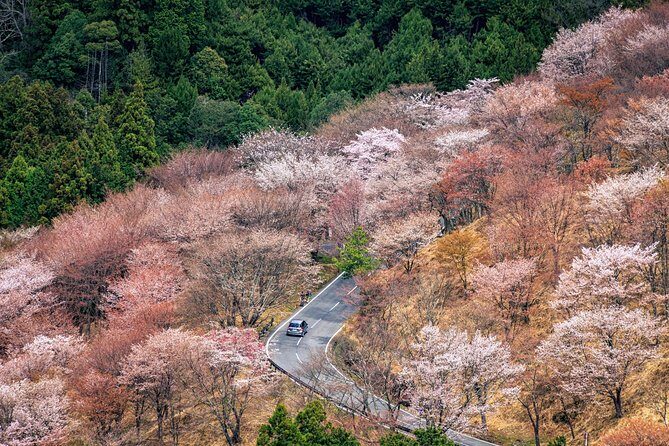
- 8 km hike through scenic Yoshino with cherry-tree views along the way
- 30,000 cherry trees, only March to April for peak results
- Kinpusenji Temple + Chikurin-in entry included so you’re not hunting tickets
- Historic trails tied to Asuka and Nara-era culture beyond just scenery
- English support from guides like Yoshi, Masako, and Yoshifumi with a friendly, question-friendly style
- Moderate mountain walking for ~5 hours that rewards comfortable shoes
Mt. Yoshino Is the Cherry Blossom Spot With a Story
Mt. Yoshino sits in southern Nara Prefecture, and in spring it turns into one of Japan’s most famous cherry blossom landscapes. The headline is obvious: thousands of trees are part of the experience, with about 30,000 cherry trees covering the mountain area.
What makes this hike feel different is how the day connects nature to culture. You’re not just walking from viewpoint to viewpoint. You’re moving along paths that have been used for a long time, including connections to the Asuka and Nara periods, when Yoshino was already a place people came for meaning, not just photos.
And yes, it’s still absolutely about the views. In bloom season, you get a full mountain sweep of cherry color while you’re walking an 8 km route. But the guide’s job is to keep it more grounded: you understand what you’re seeing, why it matters, and how sacred sites fit into the broader Yoshino story.
If you like Japan that feels lived-in and purposeful, this is the kind of cherry blossom day that sticks.
You can also read our reviews of more guided tours in Nara Prefecture
Getting There: The Simple Start at Yamato-Kamiichi Station
This tour is built around a clean meet-up point: Yamato-Kamiichi Station, and you start at 10:20 am. The activity ends back at the meeting point, so you’re not dealing with a complicated drop-off when you’re tired and ready to eat.
That matters because Yoshino is popular, and spring travel can turn into a game of “where do we wait?” when plans are vague. Here, at least the core timing stays predictable, and you can build your day around it without guessing.
You’ll also want to think about your shoes before you even reach the station. The tour asks for comfortable footwear and a strong physical fitness level, which tells you the hiking parts are real. Bring clothing you can move in, and plan to walk for about 5 hours at a mountain pace.
One small bonus: the tour uses a mobile ticket, which is handy if you’re already juggling tickets for temples and trains that day.
The 8 km Mount Yoshino Walk: Cherry Views Plus Mountain Effort
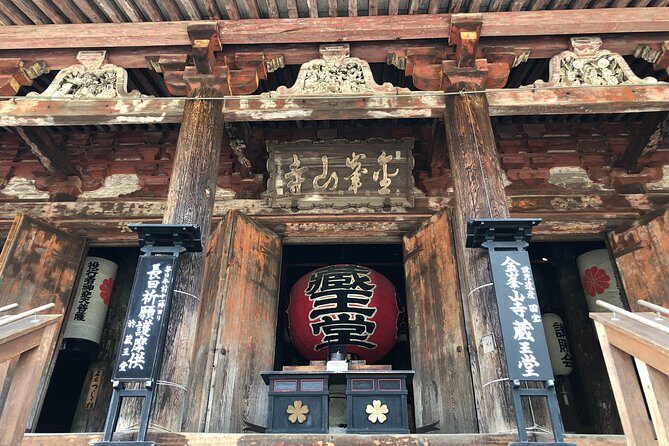
The main action is a guided hike along a mountain path about 8 km long through Yoshino. In cherry season, that’s your “wow” moment: you’re surrounded by blooming trees as you move through the area.
Here’s the practical truth: this is not a stroll. It’s described as a mountain route with a moderate walking feel, and the tour specifically notes good physical fitness is expected. If you’re used to city walking, you can still do it, but you’ll want to pace yourself and keep your footing in mind.
What’s also nice is that the hike isn’t purely visual. The guide’s commentary connects what you’re walking through with why people cared about Yoshino historically. That changes the way you experience the trail. Instead of “pretty trees and stairs,” you’re seeing the sacred logic of where temples, shrines, and paths sit in relation to the mountain.
If you’re visiting during March to April, try to show up ready for the season. The blossoms are time-sensitive, and this tour is strongest when the trees are actually blooming. If you arrive too early or too late, you’ll still get the hike and cultural stops, but you may miss the full cherry impact.
Kinpusenji Temple and Chikurin-in: Why Sacred Sites Matter Here
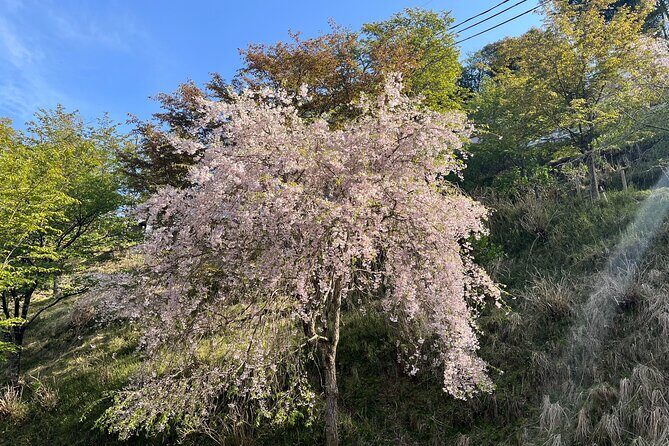
One of the biggest included perks is entry to Kinpusenji and Chikurin-in. That’s not just paperwork convenience. It means your guide can take you to meaningful places without you losing time at ticket counters.
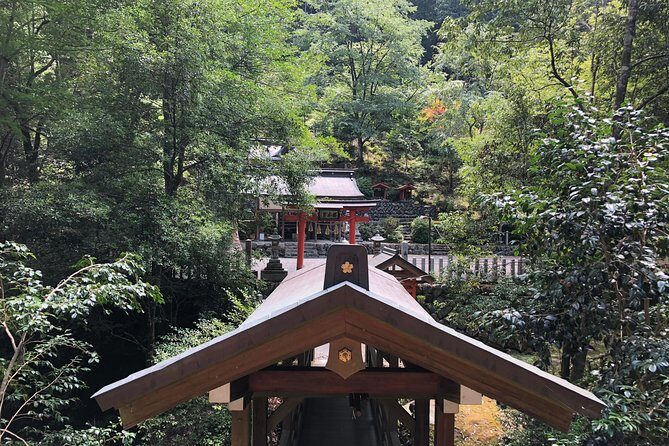
Kinpusenji is part of what makes Yoshino feel like a living spiritual landscape in spring. You’re walking a mountain day, then you step into religious spaces where the day’s history suddenly becomes visible. The temple connection also ties your cherry blossom experience to something older than seasonal tourism.
In tours like this, the guide’s role is usually where the value shows up. You don’t just stand and look. You learn what the site represents and how it fits into the Yoshino tradition of nature and worship together.
The entry is included, which keeps the day smooth. You still need to manage your own water and energy, but you’re not adding extra tasks to your schedule.
Hanayagura: A Stop That Adds Meaning Beyond the Main Temple
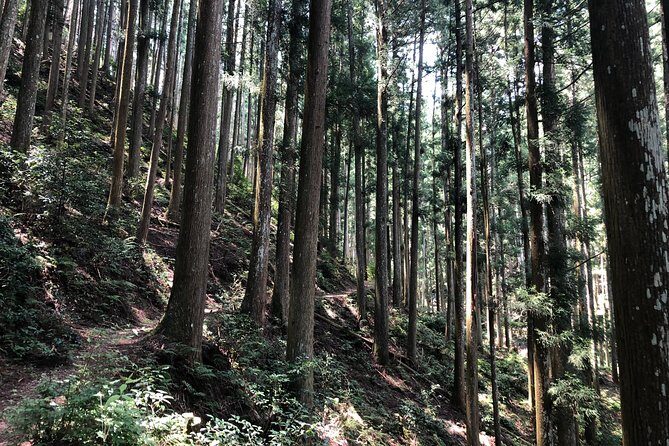
Not every stop in a guided day feels equally important, and that’s exactly why it’s helpful to have someone point out which places matter and why. Hanayagura is one of the named highlights, and it’s the kind of stop that can turn a “good hike” into a “now I get it.”
Even without turning this into a long lecture, the structure of the day suggests Hanayagura is there to broaden the sense of place. It’s not only about the biggest temple entrance you can spot. It’s about the network of sites and paths that make Yoshino feel like a connected whole.
Practically, you’ll want to use these mid-day stops to reset: take a break, drink some water, and let the guide lead you through what you’re seeing. If you’re moving steadily on a mountain trail, these moments help your energy last through the full 5 hours.
And if your guide is the interactive type, you’ll likely get more than facts. In past outings, guides like Yoshi have been praised for answering questions clearly in English and even helping with photos afterward.

Yoshino Miyataki Manyo Road: Where the Walk Becomes Memory
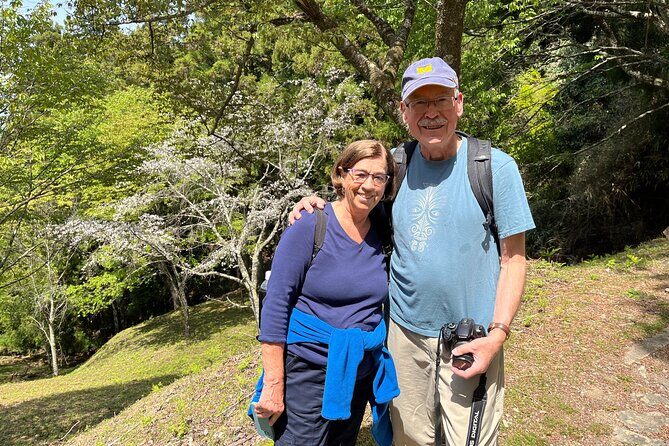
After the temple moments, you finish with the Yoshino Miyataki Manyo Road. This is where the hike shifts again: you start to feel like you’re moving along paths with a long human rhythm.
A name like Manyo Road points you toward the idea that Yoshino isn’t just a pretty mountain. It’s been celebrated in poetry and tradition for a long time, and the tour framing ties it back to the broader historical arc from the Asuka and Nara periods.
This stop also helps balance the day. You get the big draw of cherry blossoms, then sacred site time, then a walking section that feels more like travel on purpose. By the time you reach this road, you’re usually warmed up, which makes the experience feel smoother.
You’ll still be on foot through the day, so keep your pace steady. The goal isn’t to sprint between stops. It’s to see the mountain unfold—cherry trees, temple spaces, then the road that carries the story forward.
Pace, Fitness, and Gear: How to Make the Day Comfortable
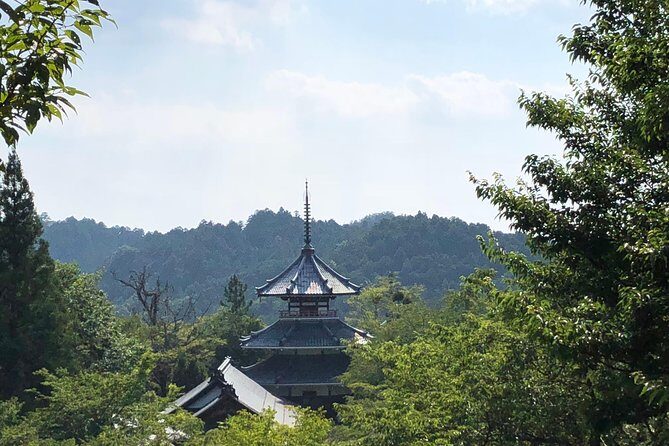
Let’s talk about the part that can make or break a hike: your legs and your shoes.
The tour asks participants to have a strong physical fitness level and to wear comfortable shoes and clothing. Translation: wear shoes you trust on uneven ground, bring breathable layers, and plan for a full morning/early afternoon block.
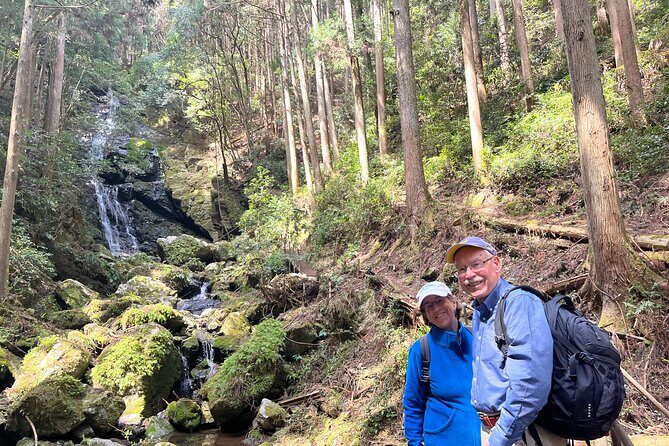
You can also use the group format to your advantage. This is described as a private tour/activity where only your group participates. That usually means you’re not stuck with random strangers setting the pace. It can be especially helpful if you need a short pause for photos or questions.
Also keep in mind that the experience requires good weather. If conditions aren’t right, you may be offered a different date or a full refund. That’s a big deal in spring, when rain can change the whole feel of a cherry blossom day.
If you want the best day possible, I’d treat this like a real hike day. Start hydrated, bring a small snack even though food isn’t included, and don’t plan an exhausting activity immediately after. Your calves will have opinions.
Price and Value: Does $136.82 Make Sense?
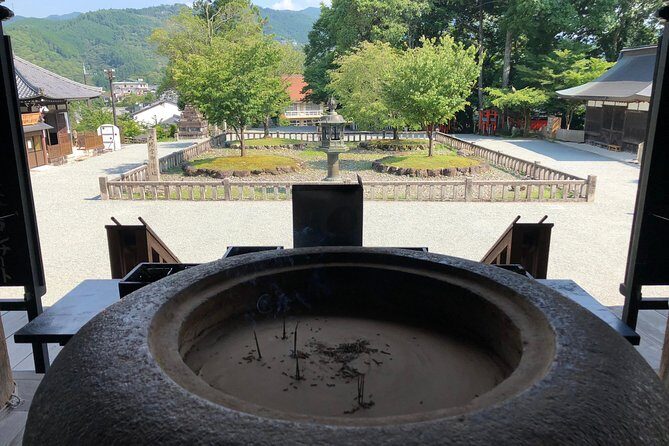
At $136.82 per person, this isn’t a cheap add-on. But it also isn’t just a generic nature walk.
Here’s what your money covers: a local guide, local taxes, and entry to Kinpusenji and Chikurin-in. That combination matters. Temple admissions alone can add up, and the guide is doing the heavy lifting of turning your walk into something you actually understand.
What’s not included is equally important: food and drinks, and hotel pickup/drop-off or private transport by taxi/car/bus. So you’ll need to handle meals on your own and get to the meeting point without the tour arranging private rides.
To judge value, ask yourself one question: do you want to learn Yoshino’s cultural side as you hike it, or would you rather DIY? If you’d rather pay for guidance and smoother temple access, this price starts to feel more reasonable. If you only want cherry blossom photos and don’t care about context, you might look for a lighter or self-guided alternative.
Still, the overall feedback on guides stands out. People have highlighted strong English communication and guide attention to details, including help with photos and even organizing a Google Photos album in some cases.
Who This Hike Is Best For (and Who Should Rethink It)
This experience fits best if you want a day that blends nature + culture instead of treating cherry blossoms like a checklist.
You’ll likely enjoy it if:
- you like guided history that explains what you’re seeing during the walk
- you can handle about 5 hours of hiking time
- you want temple entry handled for you (Kinpusenji and Chikurin-in)
- you’re visiting during March to April and care about seeing the trees in bloom
You might rethink it if:
- you’re not comfortable with a mountain route and uneven terrain
- you’re traveling with very limited walking ability
- you’re coming outside March–April and cherry timing is the main reason you booked
One more practical note: guides you may encounter include Yoshi, Masako, and Yoshifumi, and feedback highlights that they’re friendly, engaging, and able to communicate in English. That’s a big plus if you don’t want to guess your way through temple and history stops.
Should You Book This Guided Hike in Yoshino?
I’d book it if you want your cherry blossom day to feel meaningful, not random. The combination of an 8 km mountain walk, included temple entry, and cultural framing tied to the Asuka and Nara periods makes it more than a pretty stroll.
You should also book it if you like the idea of a guide who actively works with you—answering questions clearly in English, helping with photos, and keeping the experience organized across multiple stops like Kinpusenji, Hanayagura, and the Yoshino Miyataki Manyo Road.
The one reason to pause is timing and fitness. If your schedule can’t flex around weather or you’re not up for a moderate mountain day, consider adjusting your plan. But if you’re able to walk confidently and you’re traveling during March to April, this is a strong choice.
FAQ
FAQ
What is the duration of the Historic and Natural Guided Hike in Yoshino?
The hike lasts about 5 hours.
Where does the tour start, and what time does it begin?
It starts at Yamato-Kamiichi Station, and the start time is 10:20 am. The tour ends back at the meeting point.
How long is the walking route?
You’ll walk an approximately 8 km mountain path.
When are the cherry blossoms at Mt. Yoshino in season?
Cherry blossoms bloom between March and April.
What stops are included on the tour?
You’ll visit Yoshino, Mt. Yoshino, Kinpusenji Temple, Hanayagura, and Yoshino Miyataki Manyo Road.
What’s included in the price?
The tour includes local taxes, a local guide, and entry to Kinpusenji and Chikurin-in.
What isn’t included?
Food and drinks are not included, and the tour does not include hotel pickup or drop-off or private transportation by taxi/private car/private bus.
Do I need to bring anything for the hike?
Wear comfortable shoes and clothing, and plan for good walking conditions since the tour notes a need for strong physical fitness.
What happens if weather is poor?
The experience requires good weather. If it’s canceled due to poor weather, you’ll be offered a different date or a full refund.
How soon will I receive confirmation after booking?
Confirmation is received within 48 hours of booking, subject to availability.