REVIEW · TOKONAME
Tokoname Pottery and Teapots Studio Visit and Town Tour
Book on Viator →Operated by Tourism Designers Co., Ltd. · Bookable on Viator
Rare tea, rare access, right in Tokoname. You get a studio visit at 茶伝CHADEN and a hands-on tea-brewing lesson that explains how Tokoname teapots make flavors smoother. I like the calm, old-town feel of Tokoname alongside the practical way the guide ties ceramics to everyday tea. One thing to consider: it’s a 3-hour format, so you’ll be moving at a comfortable but not slow pace.
Afterward, the Pottery Footpath adds context with a guided walk past historic kiln areas and ceramic-related sights, then you get free time to shop and eat on your own. Expect a small group (up to 10 people) and an English-speaking guide, plus a mix of structured instruction and your own wandering.
In This Review
- Key things I’d circle before you go
- Tokoname’s teapot reputation: what you’re walking into
- Inside 茶伝CHADEN: a teapot studio you usually can’t see
- Tea brewing with Tokoname ware: where the lesson becomes personal
- The Pottery Footpath walk: historic kilns, clay pipes, and context
- After the guide ends: use the free time like a local
- Price and timing: does $175.58 feel like value?
- Meeting points and flow: how the day is paced
- Who this tour fits best (and who might want something else)
- Should you book the Tokoname teapot studio and pottery footpath tour?
- FAQ
- FAQ
- How long is the Tokoname pottery and teapots tour?
- What time does the tour start?
- Where do I meet the guide?
- What are the main parts of the itinerary?
- Is tea included in the experience?
- Does the tour include a guided walk?
- What language is the tour conducted in?
- How large is the group?
- What is not included in the price?
- Can I cancel for a full refund?
Key things I’d circle before you go
- Teapot-maker studio access at 茶伝CHADEN: this is not a typical storefront stop.
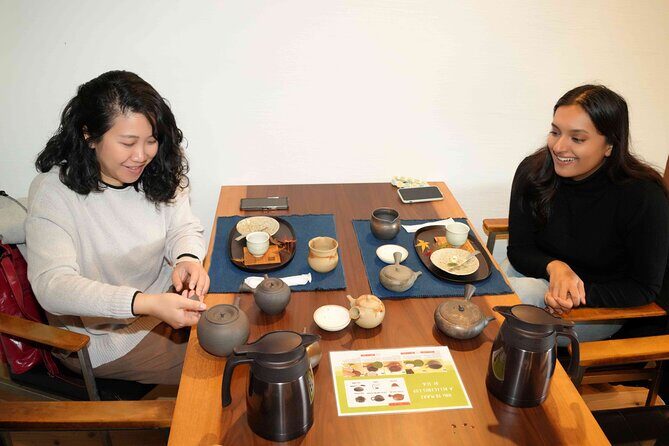
- Tea brewing taught by the artisan: you learn the method, not just the story.
- Seasonal wagashi sweets with your tea: the pairing makes the tasting lesson click.
- Tokoname Pottery Footpath with a local guide: historic kilns and ceramic details, explained on the walk.
- Small-group pace (max 10 people): enough time to ask questions without feeling rushed.
Tokoname’s teapot reputation: what you’re walking into
Tokoname is one of Japan’s Six Ancient Kilns, with more than a thousand years of ceramic craft behind it. That matters because this tour isn’t just about buying souvenirs. It’s about understanding how the town’s clay traditions shaped the way Tokoname teapots are designed and used—especially when you brew tea.
Tokoname also has a working “ceramic life” vibe. You’ll notice pottery details appearing naturally as you move through town. The Pottery Footpath is a big part of that: it helps you connect the dots between history (kilns and production areas) and the objects you see today.
If you’re a tea person, great. If you’re a ceramics person, also great. The best part is the bridge between them: you learn how the teapot’s role changes your cup.
You can also read our reviews of more tours and experiences in Tokoname.

Inside 茶伝CHADEN: a teapot studio you usually can’t see
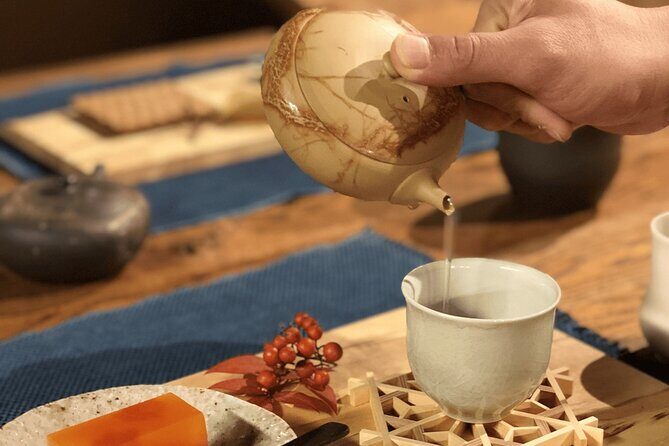
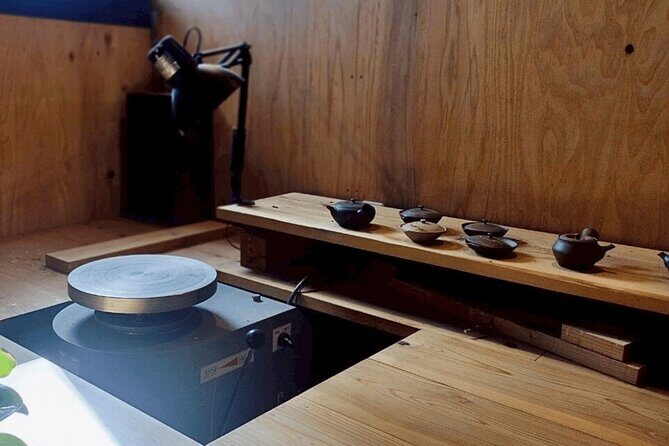
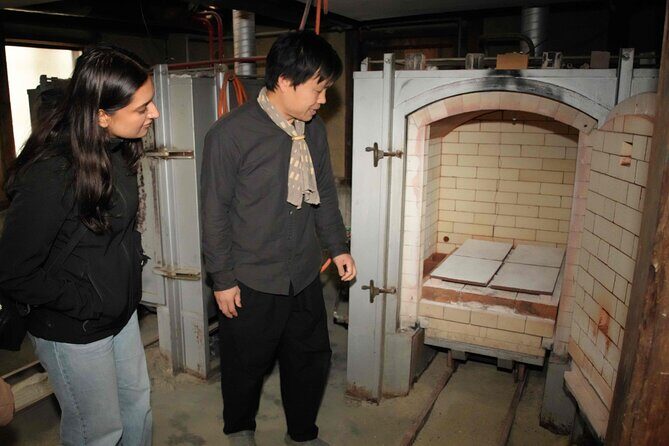
The highlight starts at 茶伝CHADEN, the teapot studio on this tour. You’re stepping into a working environment tied to an award-winning teapot craftsman—one of those places that typically stays closed to the public. So even before the tea lesson begins, you’re already getting something special: access.
What makes this stop valuable is the way it’s structured. You don’t just watch from the sidelines. The experience is built around understanding how teapots are made to function, and how that function plays out in real brewing. That practical angle is why this stop works even if you don’t plan to become a ceramics expert.
Also, the human factor helps. From what I’ve gathered about the tone of the visit, the maker and the household behind the studio feel welcoming and engaged, not distant. That kind of direct interaction is a big part of why studio visits can beat museum-style sightseeing.
Potential drawback: if you expected a long, slow studio stroll with zero instruction, this is more of a guided workshop moment than an open-ended gallery day.
Tea brewing with Tokoname ware: where the lesson becomes personal
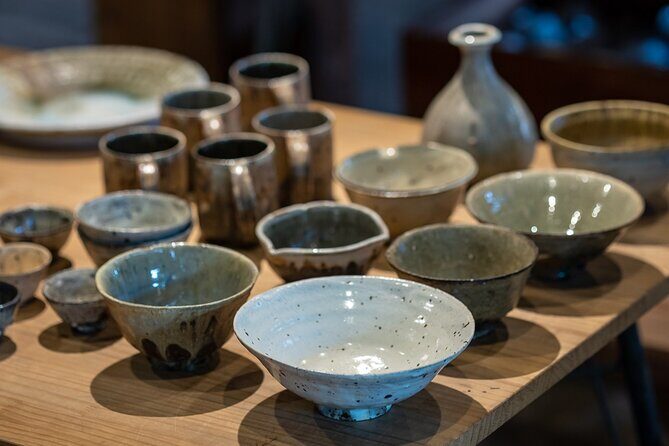
This tour’s tea component is not a vague tasting. You get a guided brewing experience using a Tokoname teapot, taught directly through instruction from the artisan and the English-speaking guide. The goal is to show you the brewing approach that produces smoother, more flavorful tea.
Why that matters for you: you’ll leave with a mental model you can reuse. Instead of thinking of tea as just water plus leaves, you start thinking about timing and technique, and how the teapot influences the result. Even if you don’t remember every detail, you’ll know what to pay attention to next time you brew at home.
You also get seasonal wagashi sweets alongside the tea. This isn’t random dessert tossed in for convenience. The sweetness and texture can help you notice tea flavor changes—especially if the tea has a gentler, rounded profile when brewed well. The pairing keeps the workshop feeling like Japanese culture, not a class in a lab.
One practical tip for your own comfort: go in with an open mind about tasting in small portions. This format is designed for learning, not a full-on café session.
The Pottery Footpath walk: historic kilns, clay pipes, and context
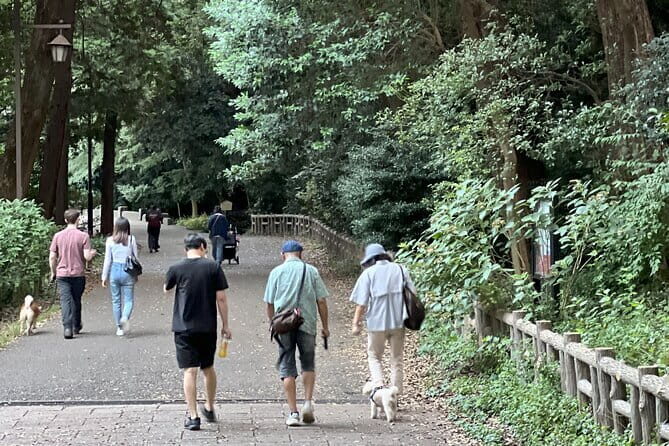
After the studio time, the tour shifts to walking the Tokoname Pottery Footpath with a local guide. This section is about atmosphere and meaning. You get to see how pottery spaces relate to real neighborhoods—plus historic kilns that connect today’s craft to the town’s long ceramic timeline.
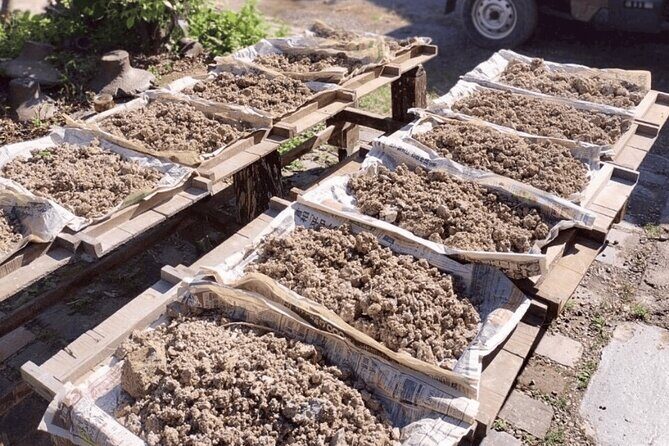
The description includes sights like galleries, walls of clay pipes, and other craft-linked structures. Even without going into museum-level detail, seeing these elements in the places where people once produced or transported clay products makes the town’s identity feel grounded.
I also like that the walk isn’t a march. It’s guided for about 1 hour 15 minutes, which gives you time to absorb what you’re seeing without feeling like you’re constantly looking over your shoulder. And because the group is small (up to 10 people), the guide can actually explain things rather than just rushing through talking points.
If you don’t love walking, do note this is still a walking component. The good news: it’s part of a 3-hour day total, so it’s not a half-day trek.
After the guide ends: use the free time like a local
The tour doesn’t just stop when the lesson ends. After you finish the guided trail portion, you have free time to explore at your own pace. Think shops, galleries, and cafés—plus you can grab lunch where you like.
This is where you can turn the tour into a personalized day. If you’re into ceramics, you can compare what you learned at 茶伝CHADEN with what local shops sell. If you’re into tea, look for places that serve Japanese tea or desserts that match what you tried during the wagashi pairing.
Also, because the tour begins at 10:00 am and lasts about 3 hours, you’re not trapped in an all-day schedule. You can pair this with other Tokoname stops or continue your Aichi-area plans afterward.
Practical move: if shopping matters to you, keep your energy for the last stretch. Studio instruction plus tea usually takes mental focus; walking and wandering after feels much easier if you don’t burn out early.
Price and timing: does $175.58 feel like value?

At $175.58 per person for about 3 hours, this is not a budget activity. The reason it can still be worth it for the right person is the combination of:
- rare studio access (normally closed to the public),
- a hands-on tea brewing lesson,
- seasonal wagashi included,
- and an English-speaking guide plus travel insurance.
Many ceramic tours are either mostly walking with general history or mostly factory-style observation. This one is structured around a functional experience—brewing tea with Tokoname tools—so you’re not paying just for photos. You’re paying for instruction and access.
Group size also affects value. With a maximum of 10 people, the experience can stay interactive rather than purely one-direction. That matters for questions, pacing, and the ability to actually follow the brewing method.
Timing wise, it starts at 10:00 am. That’s helpful because you’ll finish early enough to keep your day flexible.
If you’re the type who hates structured lessons, you might find the price steep for the walking portion alone. But if you like practical cultural experiences—especially ones where you leave with knowledge you can use at home—this has a stronger “worth it” argument.
Meeting points and flow: how the day is paced
You meet at Tokoname Station (5 Chome Koiehonmachi, Tokoname, Aichi) at the start time of 10:00 am. The group then walks to the studio area. After the studio visit and tea session, you move into the Pottery Footpath guided walk. The tour ends at Tokoname Pottery Footpath (4 Chome Sakaemachi), and then you’re on your own for lunch and browsing.
One small but important point: transportation to the meeting point is not included. So plan how you’ll reach Tokoname Station first, and you’ll feel relaxed rather than scrambling.
The group format means you won’t be stuck waiting long at any one stage. It’s designed to keep the day flowing: instruction, tasting, then walking, then free time.
Who this tour fits best (and who might want something else)
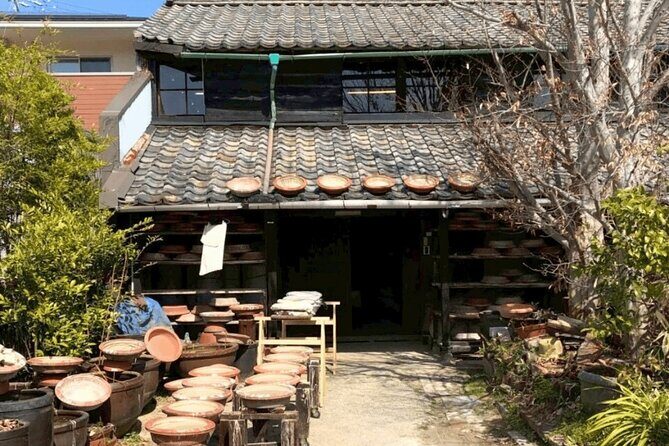
This tour really suits people who enjoy learning through doing. If you like tea culture, and you want the “why” behind teapot use, you’ll probably have a good time. If you’re drawn to crafts and want more than a basic shop stop, the studio access plus artisan instruction is the reason to pick this.
It’s also good for couples or small friend groups who want a calm day that doesn’t feel like a race. Tokoname’s tone—quiet, nostalgic, and centered on ceramic craft—makes it a pleasant alternative to the bigger, louder cities.
Who might not love it: if you want a long free-form pottery crawl with no guidance, this is a guided workshop plus walk format, not an all-day independent itinerary.
Should you book the Tokoname teapot studio and pottery footpath tour?
I’d book it if you want a genuinely hands-on tea and ceramics experience in a place built for it. The value hinges on the studio access at 茶伝CHADEN and the tea brewing lesson with seasonal wagashi—those two parts are more “learn something useful” than “see something pretty.”
If you’re mostly interested in shopping for ceramics, you might still enjoy it, but you may feel you’re paying for instruction that doesn’t directly help your buying. On the other hand, understanding brewing technique and how Tokoname teapots function can make your purchases (and your future tea) feel more meaningful.
If you like small-group experiences and an English-speaking guide, this also hits a sweet spot: structured enough to guide you, flexible enough to let you choose lunch and browsing afterward.
FAQ
FAQ
How long is the Tokoname pottery and teapots tour?
It runs for about 3 hours.
What time does the tour start?
The start time is 10:00 am.
Where do I meet the guide?
Meet at Tokoname Station, 5 Chome Koiehonmachi, Tokoname, Aichi 479-0838, Japan.
What are the main parts of the itinerary?
You visit the 茶伝CHADEN teapot studio for a tea-brewing experience with wagashi, then you take a guided walk on the Tokoname Pottery Footpath.
Is tea included in the experience?
Yes. You’ll have a tea-brewing experience using a Tokoname teapot, with wagashi sweets included.
Does the tour include a guided walk?
Yes. A local guide takes you through the Tokoname Pottery Footpath.
What language is the tour conducted in?
The tour is conducted in English. Other language guides may be available: Mandarin, French, Spanish, German, or Korean (contact the supplier in advance to check availability).
How large is the group?
The maximum group size is 10 people.
What is not included in the price?
Transportation to the meeting point, personal expenses such as meals and shopping, and guide gratuities (optional) are not included.
Can I cancel for a full refund?
Yes. You can cancel up to 24 hours in advance for a full refund. If you cancel less than 24 hours before the start time, the amount is not refunded.