REVIEW · SHIZUOKA PREFECTURE
Washi workshop in Shizenji
Book on Viator →Operated by TACT · Bookable on Viator
Shuzenji washi turns paper into a story. I love the way the session connects Shuzenji Washi history to the hands-on work, and I love that you actually make something you can keep, not just watch. One catch: it’s only about 1 hour, so if you want lots of practice time, plan to treat this as a starter rather than a full apprenticeship.
I also like the format: a private class near public transportation, with a clear flow—history, process, making, and Q&A. With a mobile ticket and meeting back at 1300 Shuzenji, it’s easy to slot into a day on the Izu Peninsula. You’ll pay $113.80 per person, and while it includes all fees and taxes, you’ll still need to handle your own transportation to the studio.
In This Review
- Key things to know before you go
- Shuzenji washi in 1 hour: what the workshop really feels like
- From Heian roots to Tokugawa paper: why the story matters
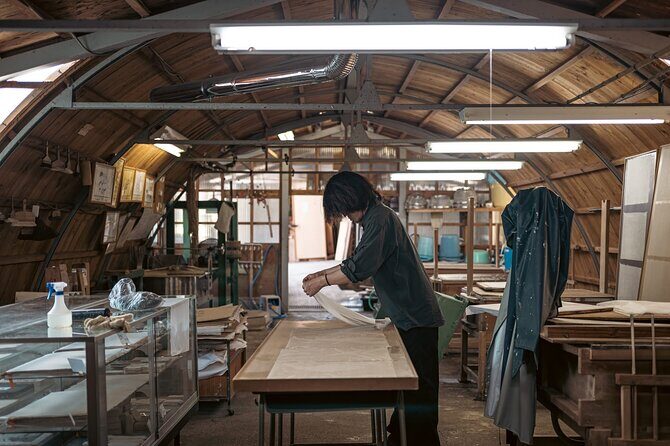
- The traditional process: what you watch before you make
- Your hands-on washi: business card, postcard, or minoban
- Q&A with the studio: the real payoff
- Price and value: is $113.80 per person worth it?
- Getting to Shuzenji: make the workshop part of an Izu day
- Who should book this washi workshop
- Should you book this Shuzenji Washi workshop?
- FAQ
- How long is the washi workshop in Shuzenji?
- What can I make during the class?
- Where does the workshop start and end?
- Is this a private tour?
- What is included in the price?
- What is not included?
- Can I cancel for a full refund?
Key things to know before you go
- Shuzenji Washi, explained with the why, not just the how
- You make your own paper: business card, postcard, or minoban (475 x 345 mm)
- The class is structured around history, the process, then a hands-on session
- Q&A is part of the program, so questions aren’t rushed
- Private, small-group feel for your group only, not a mixed crowd
Shuzenji washi in 1 hour: what the workshop really feels like
This workshop is the kind of experience that feels simple on the outside and satisfying underneath. You arrive, you get the historical context, you see how the paper is made the traditional way, and then you do the making. In about an hour, you’ll go from raw materials and technique to holding your own finished washi—real craft work you can point to later and say, I understand what I’m looking at.
The time limit is the main factor shaping the feel. You’re not going to master everything in one go. What you will get is a focused introduction that makes the craft click: how the process works, why it exists, and what makes Shuzenji washi different from the paper you buy in sheets at home.
This is also a nice option if you’re traveling at a steady pace. The meeting point is in Shuzenji (1300 Shuzenji, Izu), and the activity ends back there, so you’re not planning a long back-and-forth. With a mobile ticket and confirmation arranged after booking, you can usually stay calm and keep your day moving.
You can also read our reviews of more tours and experiences in Shizuoka Prefecture.


From Heian roots to Tokugawa paper: why the story matters

The workshop starts with history, and it’s not just name-dropping. You’ll hear about theories for where washi came from, with one idea tracing production to the Heian period (794–1185). That puts the craft on a timeline that’s hard to ignore—about 1,000 years of making paper the traditional way.
Then you get the Shogunate-era connection: during the Edo period (1603–1867), Tokugawa Ieyasu used this paper as official paper for the Tokugawa shogunate. That’s a big deal because it frames washi as more than a cozy craft for tourists. It was practical, official, and important enough to be part of governance and everyday life at the top end.
You also learn why the story had a break. Production was once discontinued due to Western paper technology, and the craft was revived later by local volunteers. That detail matters for your understanding of why the studio exists now. It’s not only heritage theater—it’s the result of people making a choice to keep something alive.
I like how this historical setup supports the hands-on portion. When you later handle pulp and work on your own piece, the process doesn’t feel random. It feels like you’re repeating a technique that survived, adapted, and got passed along because people cared.
The traditional process: what you watch before you make
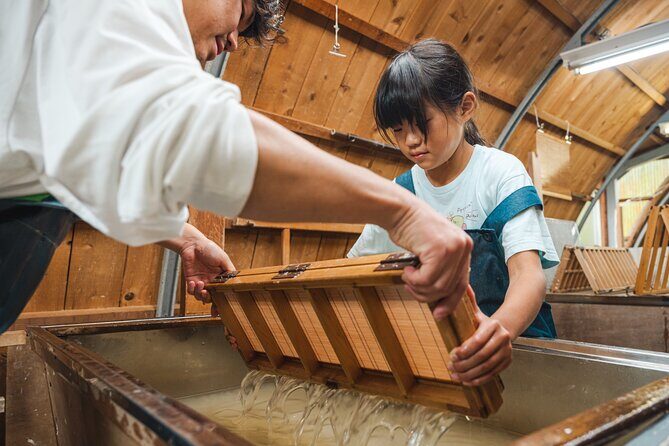
After the history, you get the making process explained. The class content is straightforward: 1) history, 2) making process, 3) experience making, and 4) Q&A. That pacing is practical because you’re not jumping straight to your hands without a mental map.
You’ll also learn about where the raw materials come from. The studio emphasizes cultivating the materials while using fallow rice fields. In one standout review, the workshop is described as being connected all the way through, from growing raw material like mitsumata to the final product. Even if you don’t remember every term, you’ll get the point: this is an end-to-end craft, not just a workshop where paper magically appears.
Why this part is worth your time: it helps you understand what you’re actually creating. Washi isn’t just paper. It’s paper with a specific fiber origin, made through a specific traditional process. Once you see the steps in the order they happen, you’ll notice details in the result—texture, thickness, and the character that comes from the method.
If you’re the kind of traveler who buys souvenirs and then later regrets not learning what they are, this segment fixes that. It gives you the language to appreciate what you’ll take home.
Your hands-on washi: business card, postcard, or minoban
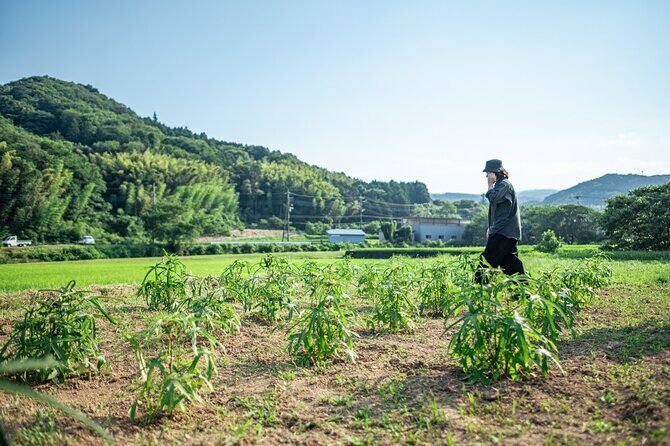
Now for the part most people book for: you actually make washi.
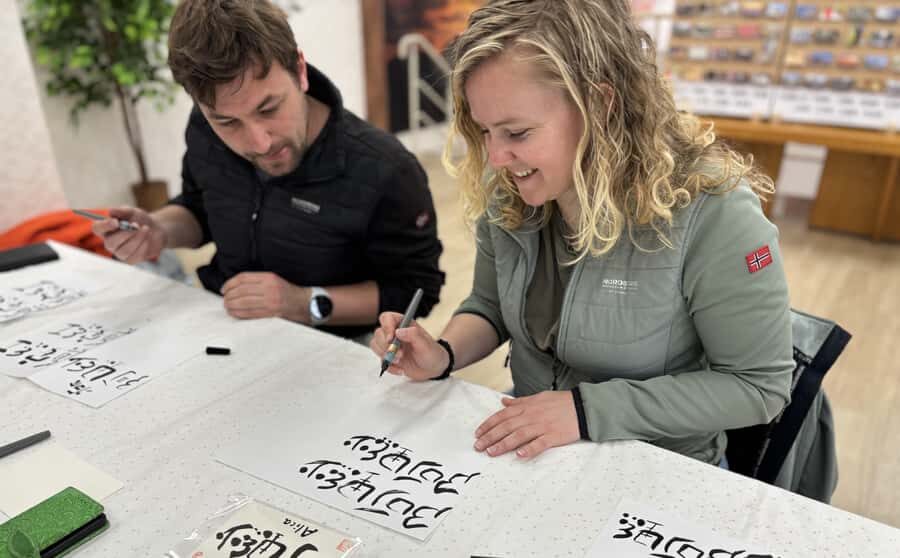
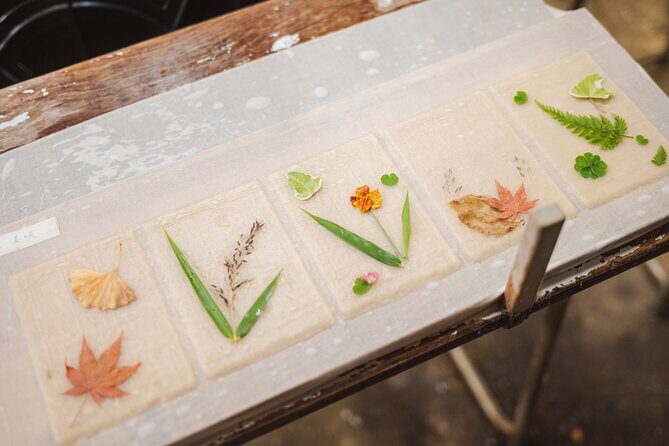
The workshop experience gives you choices for what you’ll create. You can make a business card, a post card, or a minoban size piece measuring 475 x 345 mm. That choice is more than decoration. The size affects how much time you spend on the final shaping and how much room you’ll have for your own technique during the session.
Here’s the best way to think about it for real-world value: your time is limited, so choose the item that matches your goal.
- If you want something small and portable, go with the card or postcard option. You’ll likely feel more comfortable finishing cleanly in a short class.
- If you’re set on a bigger piece, the minoban is your best bet. You’ll get the satisfaction of making something that feels substantial.
During the hands-on portion, you’ll follow the method taught in the studio. The workshop is designed so most travelers can participate. That’s important because washi making can sound technical, but the class is set up as a guided learning session rather than a trial by fire.
I also love that the craft connects directly to what you can do afterward. You can frame, use, or gift your finished paper. Even if you don’t plan to become a paper artist, it’s a memorable object with actual meaning.
Q&A with the studio: the real payoff
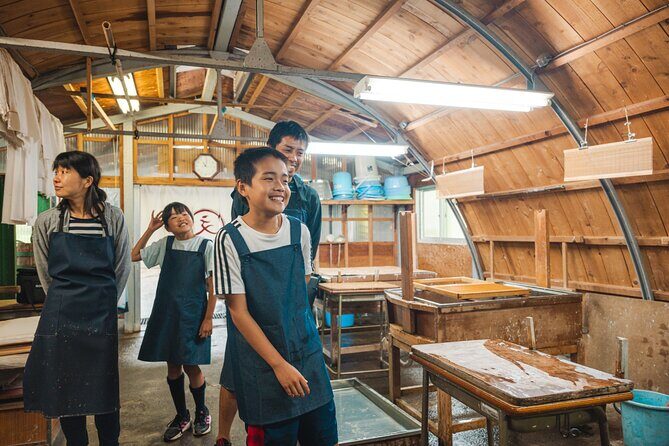
The program includes Q&A, and that’s where the workshop becomes more than a routine activity. In a class like this, questions can range from practical craft details to deeper cultural context. Because the workshop doesn’t treat Q&A as an afterthought, you get a chance to get answers while the process is fresh in your mind.
One review highlights the presence of Masuda-san, described as living the full process from growing raw material to making the final paper. Knowing that the craft is handled by someone connected to every stage changes how you experience the workshop. You’re not just watching instructions; you’re learning from a living workflow.
Another review mentions Takuto, a young man who runs the workshop, and praises how entertaining and educational the experience is. That combination—history plus approachable guidance—matters. You’ll likely leave with the feeling that you can explain what washi is and why Shuzenji washi has its own identity.
If you’re traveling with kids, this Q&A format can be especially helpful because it turns curiosity into something you can ask and learn right away. Even if you’re an adult, the questions make it easier to remember the steps later.

Price and value: is $113.80 per person worth it?
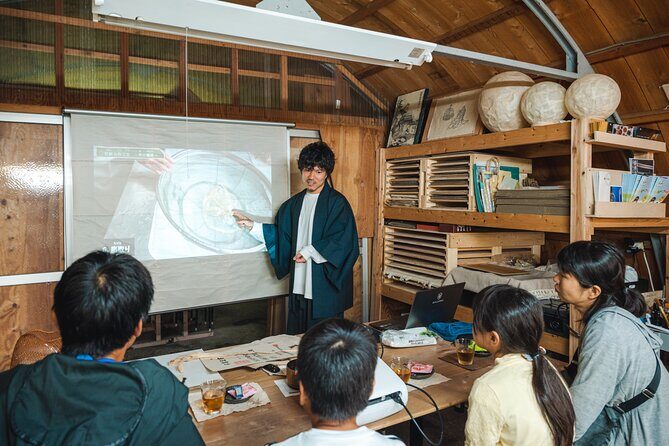
At $113.80 per person for about 1 hour, this isn’t the cheapest activity on the Izu Peninsula. But it does include all fees and taxes, which matters because you won’t be surprised by extra charges at the end.
Where the value comes from:
- You’re getting both instruction and hands-on making. Many cheap classes are mostly viewing. Here, you produce an item.
- The class includes history of Shuzenji Washi and the process context. That cultural framing increases the value beyond a simple craft souvenir.
- You get a private format for your group only, which usually means better attention than you’d get in a crowded shared session.
The main value consideration is time. Because it’s about an hour, you won’t get a long, repeated practice session. Think of it as a high-quality introduction where you leave with a finished piece and a real understanding of what you did.
Also remember: private transportation isn’t included. If you’re relying on local transit and walking, that’s fine, since the workshop is near public transportation. Just budget time to get there smoothly so you don’t stress.
Getting to Shuzenji: make the workshop part of an Izu day

The workshop is centered in Shuzenji, and that’s a practical advantage. You can build your day around the session without overcomplicating it.
Plan to arrive with enough slack to meet at the stated location at 1300 Shuzenji. The class ends back at the meeting point, which makes scheduling easier if you’re pairing it with lunch, a short stroll, or other nearby activities.
One more thing I’d keep in mind: private tours only involve your group. That can make the experience feel calmer and more personalized, but it also means your start time is your moment. If you arrive late, you may lose time from either the history or the hands-on portion—both are core parts of the class.
So my practical suggestion: when you’re planning transport, aim to be early enough that you can settle in. That way you can focus on the process instead of your schedule.
Who should book this washi workshop
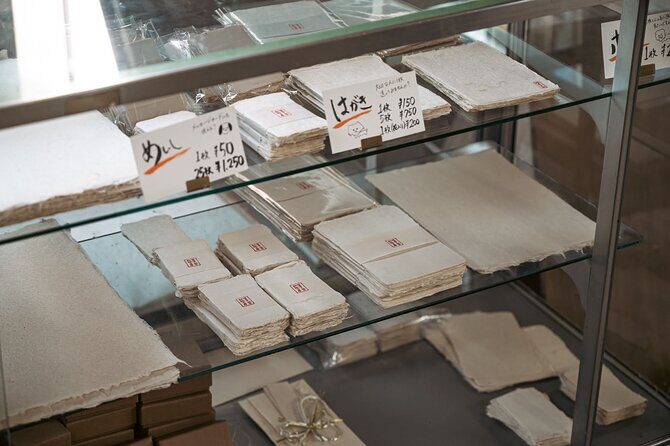
Book this if you want a craft that comes with context. It’s a good match for travelers who like traditional techniques, appreciate the cultural story behind objects, and enjoy learning by doing.
It’s especially worth considering if:
- you want a memorable take-home item that isn’t mass-produced
- you like workshops with a structured flow (history, process, making, Q&A)
- you’d rather learn from someone tied to the craft, like the studio’s guides described in the experience
You might also like it if you’re traveling with family. The format is approachable, and the chance to ask questions can help keep kids engaged while adults enjoy the explanation.
Should you book this Shuzenji Washi workshop?
Yes, if you want a short, well-structured experience that mixes Shuzenji Washi history with genuine hands-on making. It’s a strong choice for a one-hour stop on the Izu Peninsula because you leave with a finished piece and a clear understanding of how the craft works.
Skip it only if you’re looking for a long multi-session course or a deep technical training level. This is a guided introduction, not a workshop marathon. Given the price, I’d say it’s best when you treat it as your must-do craft learning moment and build the rest of your day around it calmly.
FAQ
How long is the washi workshop in Shuzenji?
The workshop is about 1 hour (approx.).
What can I make during the class?
You can make a business card, a post card, or a minoban sized piece measuring 475 x 345 mm.
Where does the workshop start and end?
It starts at 1300 Shuzenji, Izu, Shizuoka 410-2416, Japan, and ends back at the meeting point.
Is this a private tour?
Yes. It’s a private tour/activity, and only your group will participate.
What is included in the price?
All fees and taxes are included.
What is not included?
Private transportation is not included.
Can I cancel for a full refund?
You can cancel for a full refund up to 24 hours in advance of the experience’s start time. If you cancel less than 24 hours before, the amount you paid will not be refunded.

![[Self-Drive] Tokyo & Daikoku Custom Car Driving Tour - Price and What $516 Per Group Actually Buys You](https://images.thejapantraveler.com/wp-content/uploads/self-drive-tokyo-daikoku-custom-car-driving-tour.jpg)