REVIEW · SHIZUOKA PREFECTURE
Experience the Shoyu Soy Sauce Making
Book on Viator →Operated by mocha-chai Inc. · Bookable on Viator
Soy sauce gets a lot more real once you see it made. At Meijiya Shoyu in Hamamatsu, Shizuoka, you start with a tour of the family workshop in a wooden building tied to the Meiji era, then you strain soy sauce and take home a bottled souvenir.
I like two things most: the visit feels like stepping into a working food business, not a staged demo, and you leave with something you actually made—a bottle of heated-treated soy sauce (100ml)—plus a traditional hand towel. One consideration: this is a focused shoyu workshop (factory tour, straining, and tofu tasting), so if you’re hoping for a broad sightseeing-style afternoon, the 2-hour format may feel tight.
In This Review
- Key things to know before you go
- Entering Meijiya Shoyu’s Meiji-era wooden factory
- The factory tour: tools, devices, and the fermentation room feel
- Straining and bottling: making your own heat-treated shoyu souvenir
- Tofu tasting: comparing soy sauces by flavor, not by hype
- What the timing and small group size means for your day
- Price and value: what $137.55 buys you in Shizuoka
- Practical downside check: who should rethink it
- Should you book the Shoyu Soy Sauce Making tour at Meijiya Shoyu?
- FAQ
- How long does the Shoyu Soy Sauce Making experience take?
- Where is the meeting point?
- What will I make and take home?
- Is there soy sauce tasting during the tour?
- How big is the group?
- Can children attend if they do not participate in the experience?
Key things to know before you go
- Meiji-era wooden factory: a cultural-asset style building used for generations
- Family-run process: guided by the 6th generation owner during the factory tour
- Hands-on straining: you try the soy sauce straining step and bottle it for take-home
- Tofu tasting: dip tofu into different soy sauces to compare the differences
- Small group size: max 10 travelers, so you’re not lost in a crowd
- Souvenirs included: a 100ml heated-treated soy sauce bottle and a Japanese hand towel
Entering Meijiya Shoyu’s Meiji-era wooden factory
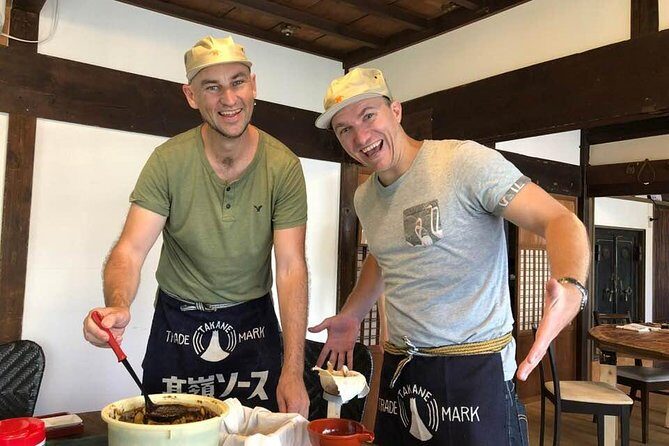
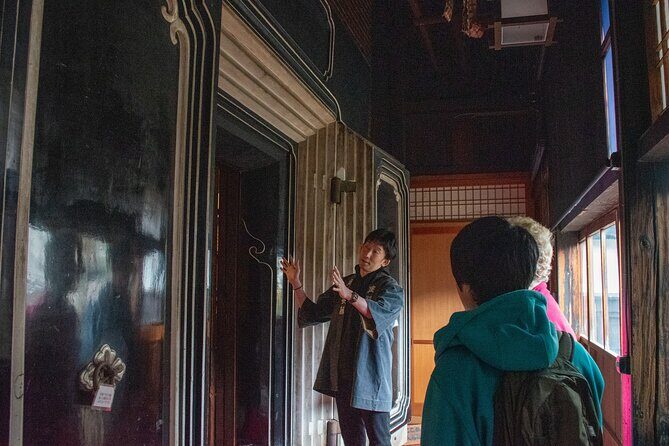
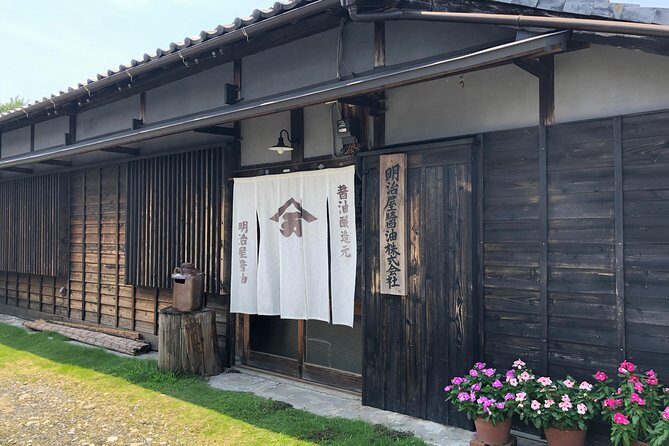
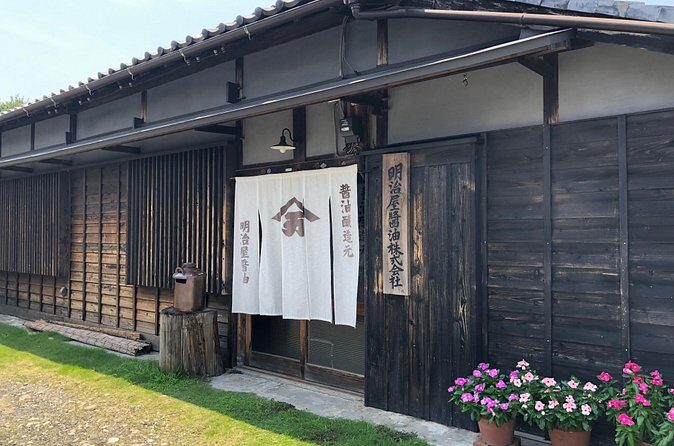
The experience starts with the kind of place you rarely get to see up close: a wooden factory building connected to the Meiji era, used for over 100 years. That age matters. When a building has been doing the same job—processing and production—year after year, you notice the tools and spaces don’t feel like a museum set. They feel like they were built for work.
I also like that Meijiya Shoyu frames shoyu as part of Japanese food culture, not as a random condiment-making craft. The company traces back to the 8th year of Meiji (1875), and the family recipe is preserved and passed down. Even if you don’t nerd out on fermentation (you might, though), the setting helps you understand why soy sauce is so woven into daily Japanese cooking.
And because this is a designated cultural-asset style building, you get a sense of continuity: this recipe didn’t “arrive” as a product idea; it grew into a tradition. That makes the later hands-on steps feel purposeful, because you’re not just making a souvenir. You’re doing the process that supports Japanese flavor.
You can also read our reviews of more tours and experiences in Shizuoka Prefecture.

The factory tour: tools, devices, and the fermentation room feel
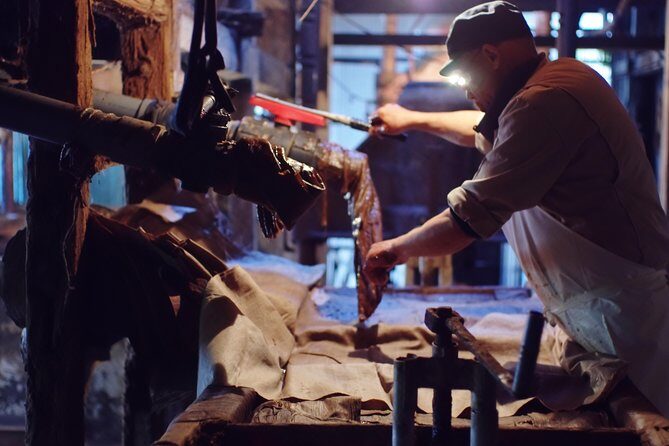
The tour portion is led by the master/owner guide, who walks you through the soy sauce making process with the tools, devices, and equipment used in production. The focus isn’t vague storytelling. You get to see what the process relies on, and that makes fermentation-related steps easier to picture when you’re back home cooking.
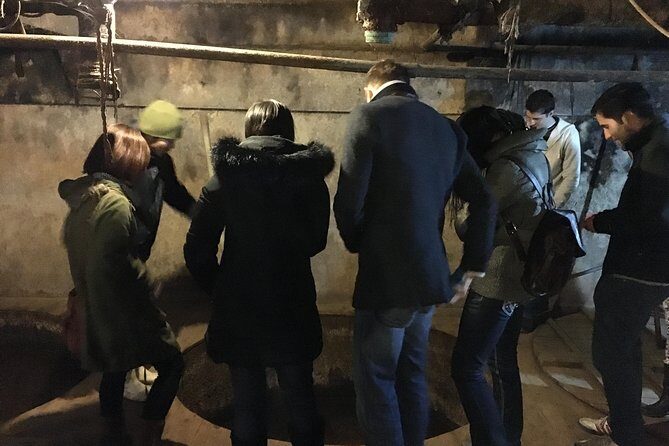
One highlight is the behind-the-scenes angle, including the fermentation room. Seeing where fermentation happens changes how you think about soy sauce. Instead of treating shoyu as something that appears in a bottle, you start to see it as an engineered food process—time, temperature, and careful handling.
I’d also note the human scale. The tour is max 10 travelers, and that small group size helps you ask questions and actually follow along. One helpful detail: there’s an interpreter included (listed as Y), which can make the technical parts of the process easier to understand even if your Japanese is basic.
Straining and bottling: making your own heat-treated shoyu souvenir
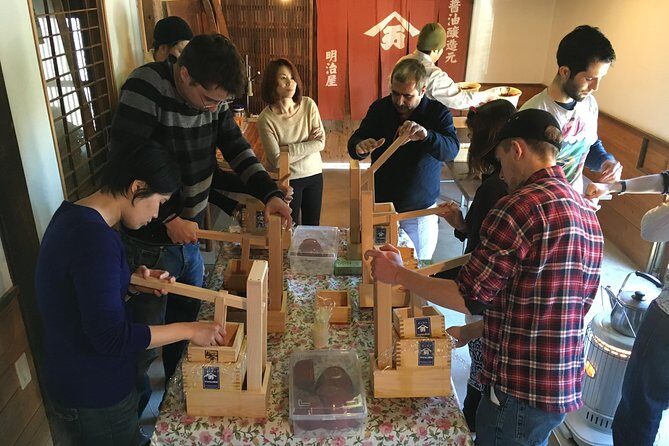
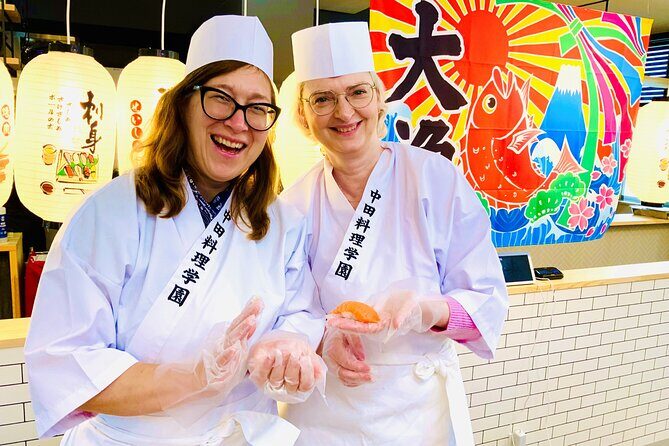
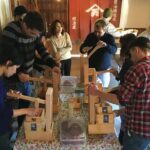
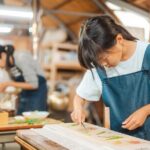
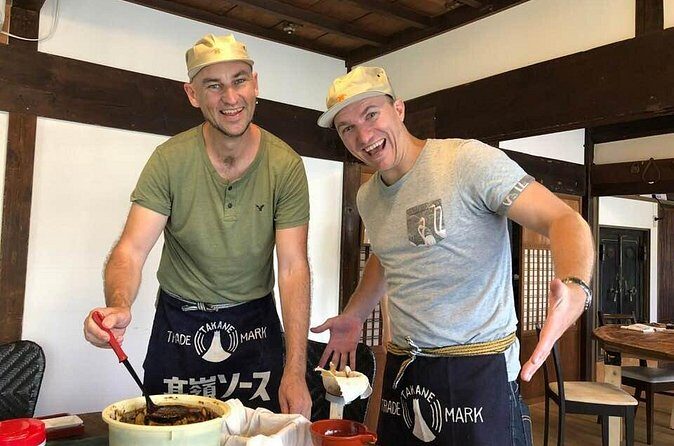
The hands-on part centers on soy sauce straining, and it’s exactly the sort of activity that makes “I understand soy sauce” turn into “I can picture what’s going on.” You follow a simplified version of the process, guided step-by-step, and you get to work on the straining stage rather than just watching.
Here’s what makes it practical for your trip: after you strain, you also take part in the portion that results in a heat-treated soy sauce. The tour states you can take your own bottle of strained and heat-treated soy sauce home at room temperature. That’s a big deal for travel logistics, because you don’t need to plan fridge space on the way back to your hotel or before you fly.
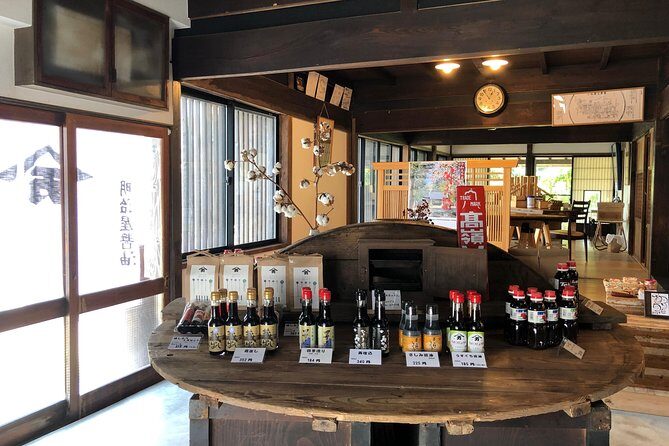
You take home a 100ml bottle. For me, that feels like the right amount. It’s small enough to pack, but it’s enough to actually use at home and compare it to other soy sauces you already own. The included hand towel is also a nice touch: it’s traditional, easy to pack, and it matches the overall “craft + food culture” tone of the day.
One thing to keep in mind: this experience is designed around shoyu making and tasting. So it’s not a passive factory peek. You’ll spend time actively participating in the straining/bottling steps, and the whole schedule is built around that flow.
Tofu tasting: comparing soy sauces by flavor, not by hype
After the making portion, you get tasting time that ties everything together. You’ll dip tofu into different types of soy sauce, taste, and compare their differences. This is one of those activities that feels simple, but it’s genuinely useful.
Why? Because it trains your palate to notice what changes when shoyu changes. Even if the guide describes the process in broader terms, the tofu tasting gives you an immediate, sensory reference point. You stop thinking in terms of labels and start thinking in terms of taste: how salty it is, how it lingers, how strong or gentle it feels.
It’s also a good way to appreciate why Japanese cooks treat soy sauce as a flexible ingredient. In real cooking, shoyu isn’t just “salty liquid.” It can be part of the aroma, part of the sweetness balance, and part of the depth that makes tofu, vegetables, and rice feel complete.
If you’re the type who usually eats first and reads labels later, this is a rare chance to do both: you get the process in the morning and the flavor comparison right after.
What the timing and small group size means for your day
The experience runs about 2 hours. That duration is short enough to fit into a day in Hamamatsu without stealing your whole schedule, but long enough to include the factory tour, the straining/bottling work, and the tofu tasting.
Because the group is capped at 10 travelers, you’re not stuck in a big herd. In practice, this helps you keep pace with the guide and stay engaged during the more technical parts of the process. It also tends to make question time easier, especially if you’re curious about fermentation stages, equipment, or why certain steps exist.
The meeting point is at 明治屋醤油株式会社 (Meijiya Shoyu Co., Ltd.), 2276 Komatsu, Hamana-ku, Hamamatsu, Shizuoka 434-0042, Japan, and the activity ends back at the meeting point. The listing notes it’s near public transportation, which matters if you’d rather not build your day around taxis.
If you’re traveling with kids: children under 12 who do not participate can be accompanied by one adult. So you can keep the experience manageable for families, but you’ll want to plan who is participating versus waiting nearby.
Price and value: what $137.55 buys you in Shizuoka
At $137.55 per person, this isn’t a “cheap snack activity.” But it also isn’t trying to be a generic show. You’re paying for a working-production-style visit in a Meiji-era wooden factory, guided time with the owner/master, hands-on straining, a tofu tasting, and take-home food.
What makes it feel like good value is the bundle of outcomes:
- You tour a 100+ year, Meiji-era wooden factory tied to production
- You actively try soy sauce straining and work toward a bottle
- You do tofu dipping tasting to compare soy sauce types
- You take home a 100ml bottle of heated-treated soy sauce
- You also get a traditional hand towel
You’ll also see that group discounts are offered. And since the experience is generally booked in advance (on average 97 days), it suggests the demand is real—people want this kind of hands-on food culture stop.
If you’re comparing it to other cooking or cultural workshops, the key difference here is the authenticity of the process setting. You’re not making something inspired by soy sauce in a studio kitchen. You’re learning how shoyu is processed inside a longstanding family business.
Practical downside check: who should rethink it
This is a specialized experience, so it won’t fit every travel style. The biggest mismatch is simple: the tour is centered on soy sauce making and tasting. If your goal is general Japan history or broad sightseeing, you might wish you had a longer free day with more flexible wandering.
Also, the experience requires good weather. The details of what’s affected by weather aren’t spelled out, but the important practical point is that you should plan it when the forecast looks reasonable.
Finally, remember the group size and time window. With a max of 10 travelers and a roughly 2-hour duration, you don’t get an all-day workshop pace. This can be great if you like efficient experiences. It’s less great if you want slow, lingering craft time.
Should you book the Shoyu Soy Sauce Making tour at Meijiya Shoyu?
If you enjoy food culture that connects to real production, I think you should book this. It’s especially worth it if you’re the type who learns best by doing: touring a traditional factory, straining soy sauce yourself, and tasting different shoyu types with tofu. The fact that you take home a room-temperature bottle makes it feel like a true souvenir, not just a memory.
This also makes sense for families. Kids can participate, and there’s a clear option for children under 12 who don’t join the activity to be accompanied by one adult. If you’re visiting Hamamatsu and you want a memorable, hands-on food stop that goes beyond photos, this is one of the best ways to spend your time.
Book it if you’re curious about how shoyu becomes shoyu, and if you’ll actually use the bottle when you return home. Skip it if you only want general sightseeing or you’d rather not focus your time on shoyu-focused making and tasting.
FAQ
How long does the Shoyu Soy Sauce Making experience take?
It runs about 2 hours.
Where is the meeting point?
The start point is 明治屋醤油株式会社, 2276 Komatsu, Hamana-ku, Hamamatsu, Shizuoka 434-0042, Japan, and the tour ends back at the meeting point.
What will I make and take home?
You can strain soy sauce during the experience, and you’ll take home a bottle of strained and heat-treated soy sauce (100ml). A Japanese traditional hand towel is also included.
Is there soy sauce tasting during the tour?
Yes. You dip tofu into different types of soy sauce, taste them, and compare differences.
How big is the group?
The experience has a maximum of 10 travelers.
Can children attend if they do not participate in the experience?
Yes. Children under 12 who do not participate can be accompanied by one adult.