REVIEW · MUSASHINO
Jindaiji Traditional Temple Purification Tour with Local Soba
Book on Viator →Operated by Rei: A Cultural Storyteller · Bookable on Viator
Jindaiji Temple’s ritual hits differently. You’ll spend a calm morning at Jindaiji-ji Temple, starting with a short drive and guide-led context on Japanese Buddhism, then stepping into a traditional oharai purification with monks and sacred fire. It’s a hands-on cultural moment, not a quick look-and-leave.
Two things I really like: the oharai purification is explained in plain terms first, so you understand what you’re seeing, and the ceremony itself feels unusually serious and focused. I also like that the tour includes the required ofuda charm, so you’re not scrambling at the last second.
One drawback to keep in mind: photos aren’t allowed inside the main prayer hall during the ceremony, so you’ll have to rely on what you hear and observe instead of capturing it on your phone.
In This Review
- Key things worth showing up for
- From Musashi-Sakai Station to Jindaiji Temple: fast, simple, and comfortable
- Jindaiji Temple grounds: quiet walking with real cultural context
- The oharai purification ritual: monks, sacred fire, and the ofuda charm
- After the hall: lunch breaks the mood in a good way
- Matcha, nerikiri, and a bench or Aquatic Botanical Garden stop
- Price and value: what you’re really paying for
- Who this tour fits best (and who may want to rethink it)
- Should you book Rei’s Jindaiji purification tour?
- FAQ
- Where is the tour meeting point?
- How long is the experience?
- Is this a private tour?
- What’s included in the participation fee?
- Do I pay extra for the ofuda charm?
- Is lunch included?
- Will I be able to take photos during the ceremony?
- What happens if the weather is bad?
- Do I get a ticket on my phone?
- What’s the cancellation policy?
Key things worth showing up for
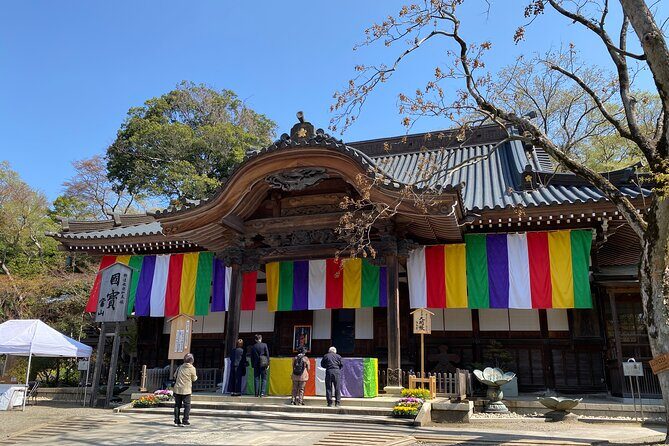
- Sacred fire purification performed by monks inside the main hall
- Ofuda charm included (required for the purification participation)
- Air-conditioned car from Musashi-Sakai Station to the temple area
- Handmade soba with a guide talking through land, food, and history
- Matcha tea and seasonal nerikiri to wrap up the day’s tastes
- Private tour feel for just your group, led by Rei
From Musashi-Sakai Station to Jindaiji Temple: fast, simple, and comfortable
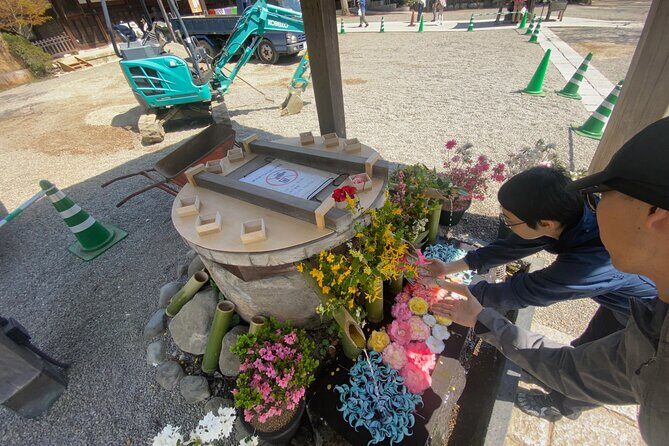
The tour starts at 10:00 am at the south exit of Musashi-Sakai Station. You meet there, then Rei drives you in an air-conditioned car and parks near the temple. For a religious site visit, that matters. You’re not wrestling trains, buses, and timing while you’re trying to arrive with the right mindset.
The pacing is also practical. You’re not asked to do a long walk before you even begin. Once you’re near Jindaiji, you head out together and Rei sets the stage with the basics of Japanese Buddhism and the temple’s long background. If your Japanese is limited, don’t worry. The point here is understanding the rhythm and meaning of what you’ll see, not decoding signs.
Since this is a private tour for your group, the experience feels calmer and more conversational. If you’re the type who likes to ask questions, this setup makes it easier to get real answers instead of hearing a general script.
You can also read our reviews of more tours and experiences in Musashino.


Jindaiji Temple grounds: quiet walking with real cultural context
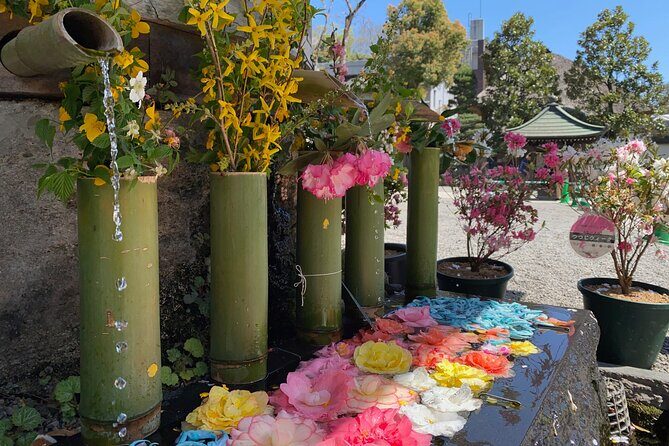
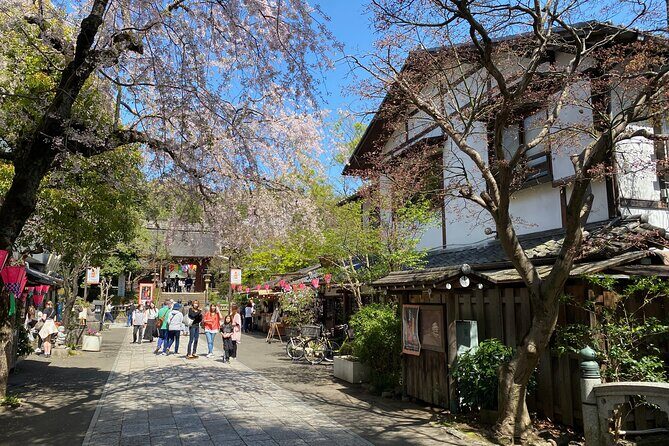
Before you enter any ceremony space, you’ll stroll the temple grounds at a respectful pace. Rei explains what you’re looking at as you go—how Japanese Buddhist practice shows up in daily life and why certain rituals exist. This kind of setup is a big part of why the visit works. When you understand the purpose, the place stops feeling like a checklist.
Jindaiji Temple is also well known for its age and reputation, and you’ll hear that in the storytelling during your walk. That context helps you connect the temple to older rhythms of Tokyo life—ways of praying, ways of seeking purification, and ways people treat sacred traditions as something to be maintained, not replaced.
A quick practical note: keep your voice low and your pace steady. This is the kind of visit where small behavior choices make a difference. You don’t need to be overly formal, but you’ll get the best experience if you act like you’re stepping into someone’s spiritual workspace.
The oharai purification ritual: monks, sacred fire, and the ofuda charm
This is the heart of the tour. After the grounds, you participate in the traditional oharai purification ritual. You’ll go into the prayer hall, where monks perform the ceremony, and sacred fire is still used. That last detail is important. Many experiences of Japanese temple culture are performed more like demonstrations for visitors. Here, the ceremony is presented as a serious, continuing practice.
You’ll also purchase a protective ofuda charm as part of participating. The cost is already included in the tour fee, so you should treat this as part of your preparation, not a surprise expense. Think of it like receiving a tool for the ritual, not a random souvenir. If you’ve never taken part in a tradition that comes with a physical object meant to accompany you, you’ll likely feel the difference right away.
One more thing you should know before you go in: there’s no picture-taking allowed inside the main prayer hall during the ceremony. So don’t rely on your camera to capture the moment. Instead, pay attention to what’s happening around the sacred fire and how the monks lead the sequence. When you remove the distraction, the ritual reads better.
If you want a simple way to approach it: watch first, then follow the flow. This isn’t a complicated performance you have to interpret. It’s a guided experience where understanding grows from quiet observation.
After the hall: lunch breaks the mood in a good way
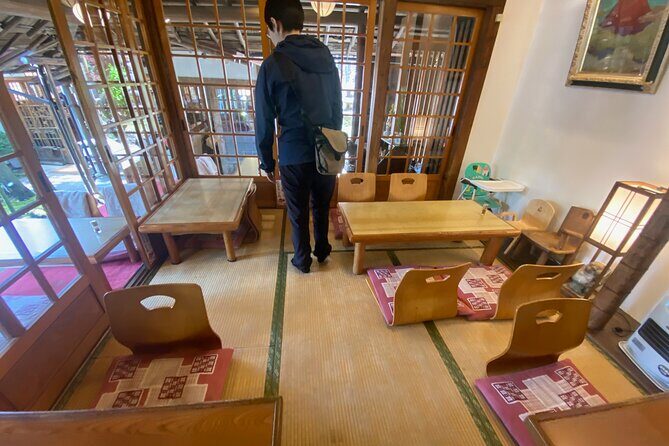
Once the ceremony is done, you’ll enjoy lunch together: Jindaiji’s famous soba noodles. The key detail is that lunch isn’t included in the participation fee because the price varies depending on the type of soba you order. That’s not a downside—it’s honestly a fair setup. You get flexibility, and you’re not forced into a single set menu if you don’t want it.
What makes this lunch more than just food is what Rei adds while you eat. You’ll get stories about the area’s natural beauty and the region’s history, plus insight into land and food traditions. Soba is one of those dishes that seems straightforward until you learn what it represents—ingredients, seasonal thinking, and local ways of treating simple food with care.
Practical tip: since the tour is about three hours total (approx.), you’ll want to order and eat without lingering too long. The pacing keeps the experience moving so you can still enjoy the tea-and-sweets finale.
If you’re a picky eater, don’t panic. You’ll be in a soba place where ordering is usually straightforward. Still, bring a little patience. This is a cultural lunch, not a fast-food sprint.
Matcha, nerikiri, and a bench or Aquatic Botanical Garden stop
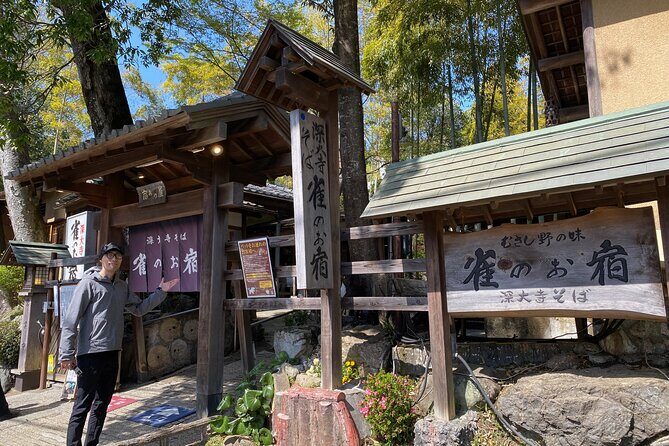
To finish, the tour shifts from ceremony and lunch into something lighter and sensory. You’ll sit on a bench or visit the Aquatic Botanical Garden, then have freshly prepared matcha tea and a seasonal nerikiri—a traditional Japanese sweet.
Even if you’re not the biggest sweets person, this part is worth showing up for because it slows your brain down. After a spiritual ritual, it’s easy to feel mentally “on.” Tea and nerikiri give you a quiet landing.
Also, the inclusion of a seasonal sweet is a reminder that Japanese food culture often changes with the time of year. You don’t just get a generic dessert—you get something tied to the season you’re in.
If you’re the kind of traveler who likes photos after a no-photo ceremony, this is where your camera habit can return. You’ll have time and space for relaxed snapshots outside the restricted hall.
Price and value: what you’re really paying for
At $65.04 per person, this tour looks simple on paper, but the value shows up in what’s covered.
Included in the fee:
- Air-conditioned vehicle to and from the temple area
- Admission for the purification participation
- A 3,000 yen fee required to receive purification (included in your participation fee)
- The protective ofuda charm required for the ritual (also included)
Not included:
- Lunch, because soba costs vary based on what you order
So you’re paying for more than a ride. You’re paying for access to the oharai experience with the required participation steps handled for you, plus Rei’s interpretation of what you’re seeing. That’s the kind of value that’s hard to replicate on your own unless you already know how these ceremonies work and where to fit in at the right time.
The only financial “watch-out” is food after the ceremony. If you order a more premium soba style, your lunch cost will rise. But that’s optional, and you’re not locked in.
Who this tour fits best (and who may want to rethink it)
This is a great fit if you:
- Want a structured cultural experience with a guide who explains what matters
- Like quiet, respectful travel moments over big crowds
- Are interested in Japanese Buddhism beyond surface-level sightseeing
- Prefer a private tour setup for your group
It may be less ideal if you:
- Really need photo-heavy experiences (the ceremony hall restricts photos)
- Want a long, free-roaming day at your own pace (this is still a short, focused tour)
Most travelers can participate, and the car makes it easier to join even if you don’t want to deal with complicated local transit. If you’re traveling with an adult family member or you like shared cultural experiences, this format also works well because the ceremony is intense and the lunch/tea parts give you room to talk afterward.
Should you book Rei’s Jindaiji purification tour?
I’d book it if you want one of Tokyo’s older temple experiences to feel real—ritual, meaning, and all. The strongest reason is the oharai purification with monks using sacred fire, paired with Rei’s ability to translate the basics of Japanese Buddhism into something you can actually understand while you’re there.
You should reconsider if you’re mainly looking for photos, or if you dislike ceremonies and want only sightseeing. The tour is structured around the ritual and cultural learning, so that’s what you’ll get.
If you’re ready to slow down, follow the flow, and treat the day like a respectful cultural exchange, this is one of those tours that leaves you with a memory you don’t have to “edit” later.
FAQ
Where is the tour meeting point?
You’ll meet at Musashi-Sakai Station, south exit, at 10:00 am. The tour ends back at the meeting point.
How long is the experience?
It runs for about 3 hours (approx.).
Is this a private tour?
Yes. It’s a private tour/activity, so only your group participates.
What’s included in the participation fee?
The fee includes the admission fee required for purification at Jindaiji Temple (3,000 yen), along with the protective ofuda charm required for the ritual, plus transportation in an air-conditioned vehicle.
Do I pay extra for the ofuda charm?
No. The ofuda cost required for participation is included in the tour fee.
Is lunch included?
Lunch is not included. You’ll have handmade soba noodles, but the price varies depending on which soba you order.
Will I be able to take photos during the ceremony?
No photos are allowed inside the prayer hall during the purification ceremony.
What happens if the weather is bad?
This experience requires good weather. If it’s canceled due to poor weather, you’ll be offered a different date or a full refund.
Do I get a ticket on my phone?
Yes, it uses a mobile ticket.
What’s the cancellation policy?
You can get a full refund with free cancellation up to 24 hours before the experience’s start time (local time).