REVIEW · YOKOHAMA
Fishing with Mt. Fuji Views and Japanese Home Cooking Experience
Book on Viator →Operated by naomi matsutani · Bookable on Viator
One morning on the water beats hours in a line. I like how beginner-friendly the day feels, especially with Naomi Matsutani coaching you step by step, and I love the simple reward: you catch fish and then eat it in a Japanese home-cooking meal. The main drawback to consider is that you’re on a boat in real sea conditions, so seasickness, sun, and wind are factors even on a calm-looking day.
This is the kind of Japan experience that’s both practical and fun: meet at Kanazawa-Hakkei Station at 6:30am, walk to the lodge, fish for about 3 hours, then return to cook. Even the Mt. Fuji views are part of the appeal, but they’re never guaranteed, so go for the day itself and the food you make—not a postcard.
In This Review
- Key highlights you’ll actually care about
- Morning meeting at Kanazawa-Hakkei: the day starts early, for good reason
- Fishing for shirogisu: what it’s like on the boat
- The fish target is specific
- Mt. Fuji views: plan for it, don’t bet on it
- Weather reality: sun, wind, rain, and why packing matters
- Seasickness: take it early, not late
- Back at the lodge: cleaning and cooking what you caught
- The menu changes daily: what your Japanese home meal may include
- Dietary notes you shouldn’t ignore
- The lunch portion: why it feels more satisfying than a typical tour meal
- Price and value: what $247.14 covers, and what you pay on the day
- Logistics that make a difference: meeting point, group size, and WhatsApp updates
- Who this tour is best for (and who should skip it)
- What to bring checklist (based on how the day actually feels)
- Final verdict: should you book this fishing and cooking experience?
- FAQ
- Where is the meeting point?
- What time does the tour start?
- How long is the experience?
- Is the fishing beginner-friendly?
- What fish are you trying to catch?
- Does Mt. Fuji always appear during the tour?
- What’s included in the price?
- What extra costs might I pay on the day?
- What should I bring for comfort?
Key highlights you’ll actually care about
- Small-group vibe: the activity lists a maximum of 3 travelers, though you fish on a shared boat.
- Real coaching for first-timers: Naomi and the captain guide you through baiting and fishing basics.
- A focused target: you mainly go after shirogisu (Japanese whiting), with other fish depending on the day.
- Cook what you catch: you learn cleaning and cooking steps after you return to port.
- Lunch is built around your catch: often sashimi, tempura, or grilled fish, plus soft drinks.
- Mt. Fuji is a bonus: clear days may bring views, but weather and location control it.
Morning meeting at Kanazawa-Hakkei: the day starts early, for good reason
The tour starts at 6:30am at Kanazawa-Hakkei Station. That early start matters because fishing is best when conditions are right and the sea is calmer before the day warms up and wind shifts. You’ll meet your guide there and then walk a few minutes to the cozy fishing lodge at Arakawaya.
Plan to arrive with enough time to get your bearings. You’ll be stepping into a very hands-on morning, so it’s worth being ready to move—put sunscreen on early, grab your hat, and keep your essentials easy to reach. Also, you’ll likely hear from the team on WhatsApp the day before about whether the tour will run, so watch your messages the night before.
You can also read our reviews of more cooking classes in Yokohama

Fishing for shirogisu: what it’s like on the boat
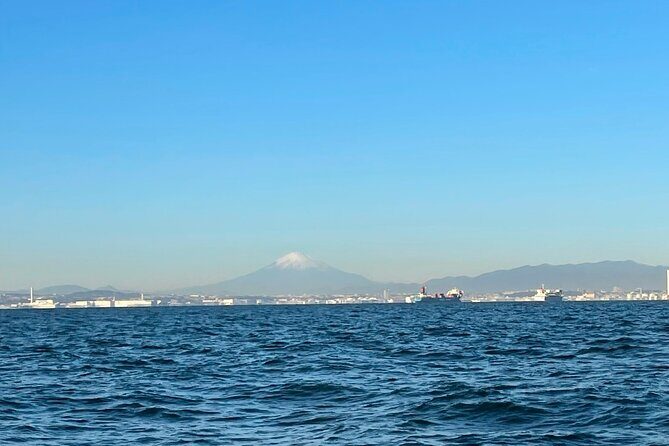
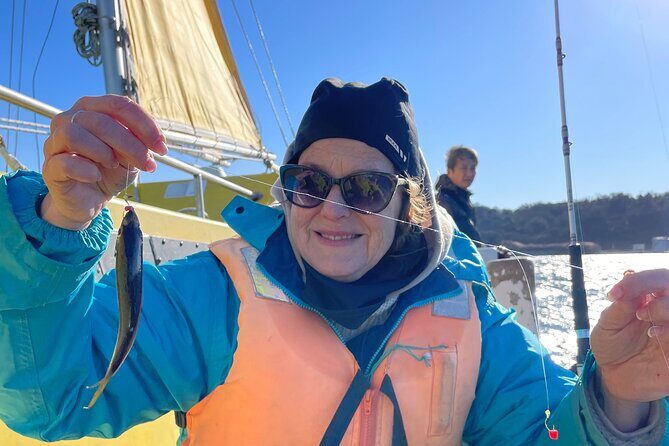
Once you board, the experience is refreshingly straightforward. You’ll fish for about three hours with an English-speaking guide on a shared boat. You’re not just watching—you’re expected to fish, and the crew will help you get started.
The gear is included: rod, reel, live bait, tackle, life jacket, and a towel. That covers the big stuff, so you don’t have to wonder what you’re missing. Life jackets are required during fishing, and you’ll follow the captain’s instructions. You’ll also want to be ready to handle live bait or fish, because that’s part of the process.
The fish target is specific
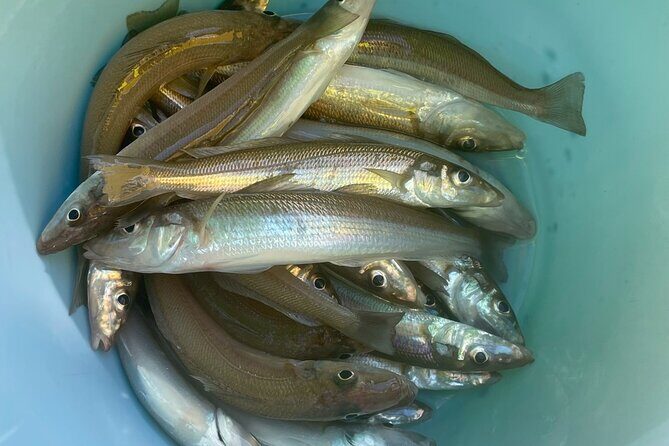
The tour is mainly aimed at shirogisu (Japanese whiting), which is a popular local fish. On some days you may catch other fish too, but the plan is focused on that one target. The important practical point: catch results are never guaranteed. Nature has the final vote.
And yes, it’s offshore fishing, so the boat can rock. It can also get windy, which brings me to the part you should prepare for even if you’re feeling fine.
Mt. Fuji views: plan for it, don’t bet on it
This tour is marketed with the possibility of seeing Mt. Fuji in the distance on clear days. That can be a real thrill—especially because you’re watching for it while you’re already doing something active and rewarding.
But here’s the honest way to think about it: visibility depends on weather and where you’re positioned. So treat Fuji as a bonus. Your main “win” is the fishing-and-cooking day itself, not a guarantee of a famous mountain in the background.
Weather reality: sun, wind, rain, and why packing matters
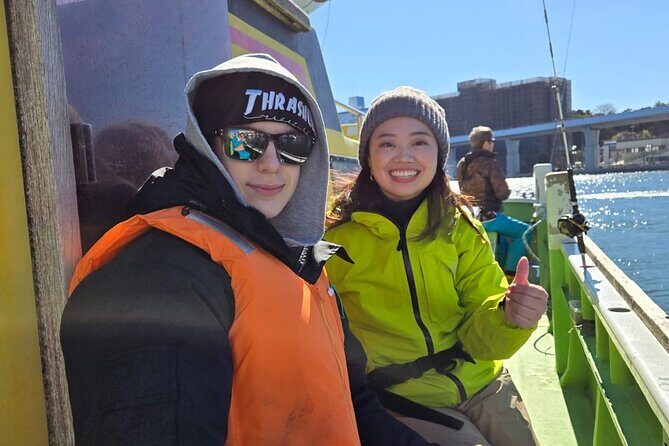
Even if it’s a bright morning, conditions can change quickly out on the water. There’s no shade on the boat, so sun protection is not optional. Bring a hat or cap with ventilation, sunglasses, and sunscreen. And since you may be sweating while you work, plan on using towels too—two or three towels is a smart move.
When it’s cold and windy, it’s not just uncomfortable; it can affect how much you enjoy the day. Dress in warm layers thin enough to wear under your life jacket. Waterproof pants and a waterproof jacket are strongly recommended, because splashes happen and rain is always possible. If you run cold easily, disposable heat packs are useful for pockets or inside clothing.





Seasickness: take it early, not late
The tour recommends motion sickness medicine if you’re concerned, and specifically notes that late use may not work. The practical takeaway: if you’ve had issues before on boats, take it in advance as directed. Also note that the tour asks you to refrain from joining if you easily get seasick—so be honest with yourself.
Sleep the night before, keep your hydration steady, and avoid assuming you can “power through” if you’re prone to motion sickness. The boat rocking and wind are part of the experience.
Back at the lodge: cleaning and cooking what you caught
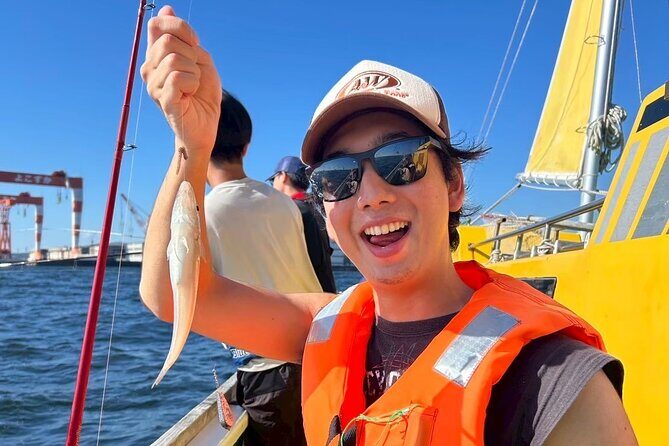
After about three hours of fishing, you return to port and then shift gears to the part that turns this from a fishing trip into a full meal-making experience.
This is where Naomi’s coaching really matters. You’ll learn easy steps to clean and cook your fish, and the guides walk you through the process with an eye toward beginners. Cooking tools are included, so you’re not figuring out how to use unfamiliar equipment on your own.
One important rule: eating or cleaning fish isn’t allowed on the boat. You’ll handle preparation once you’re back at the lodge. That keeps things safer and also makes the whole day less chaotic. When you finally get to cook, you’ll appreciate how organized the transition is.
The menu changes daily: what your Japanese home meal may include
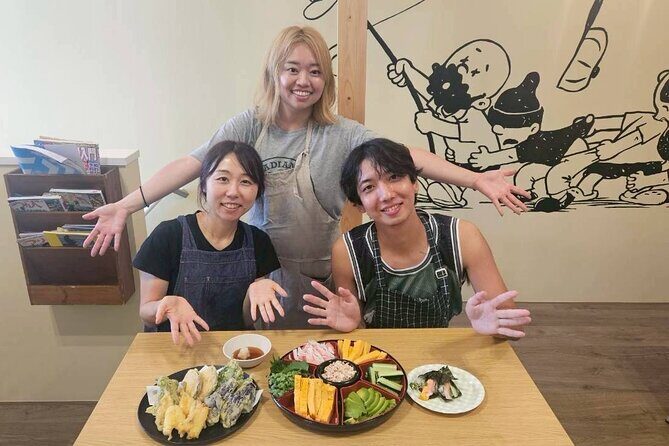
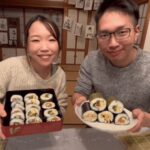
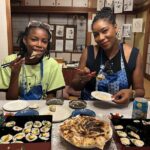
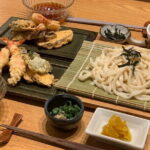
Your lunch is made from your freshly caught fish, and the exact dishes change depending on the day. Common options include Japanese home-style favorites like sashimi, tempura, or grilled fish. Soft drinks are included with lunch.
This is a big part of the value: you’re not paying for a meal that could have been anywhere. You’re eating something tied directly to your morning’s catch. The flavors tend to be especially good because the fish is fresh and you’re involved in the process.
Dietary notes you shouldn’t ignore
This isn’t a tour for complicated dietary needs. People with food allergies or dietary restrictions are asked not to join. If that applies to you, you’ll need a different type of food experience.
The lunch portion: why it feels more satisfying than a typical tour meal
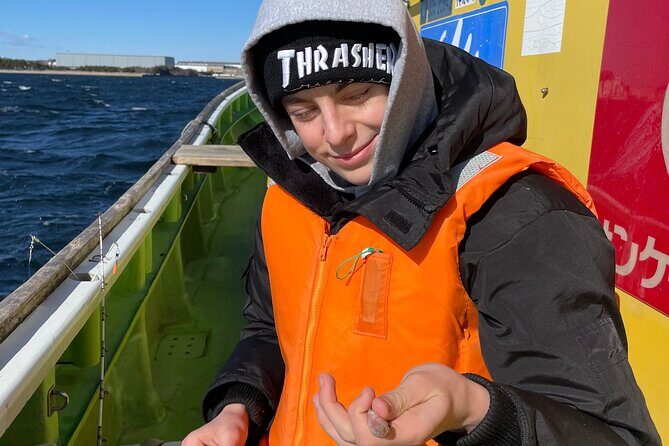
There’s a psychological payoff to eating your own catch. You’re not just consuming a set lunch; you’re tasting the results of your work. Even if you don’t become a fishing expert by hour two, you’ll still feel connected to the meal.
Because you cook and learn preparation steps, you also get to experience Japanese home-style cooking methods without having to translate a cookbook. When the tempura or grilled fish hits the table, it’s the kind of comfort-food satisfaction that’s hard to replicate with ordinary sightseeing meals.
Price and value: what $247.14 covers, and what you pay on the day
At $247.14 per person, this sits in the mid-range for guided experiences in the Yokohama area, especially because it includes both fishing and cooking. Here’s what’s covered: full fishing gear (including live bait), a boat fishing experience with an English-speaking guide, fish preparation and cooking session with an English-speaking guide, and lunch with soft drinks.
The one add-on you should budget for is the boat fee, listed as 5,000 JPY to 7,000 JPY, payable on the day (cash or credit card). Transportation to the meeting point is not included, and you may also want to bring snacks and drinks for the boat—enough for about three hours at sea.
When I look at the value, I think about three things:
1) Gear and guides are included, which removes the usual “hidden prep work.”
2) Cooking instruction is part of the price, not just a meal after the activity.
3) You’re getting fresh, hands-on food, not a generic lunch stop.
If you’re the type of traveler who likes doing something with your hands, this pricing makes sense. If you only want views or a quick photo, you’ll feel the time spent out at sea.
Logistics that make a difference: meeting point, group size, and WhatsApp updates
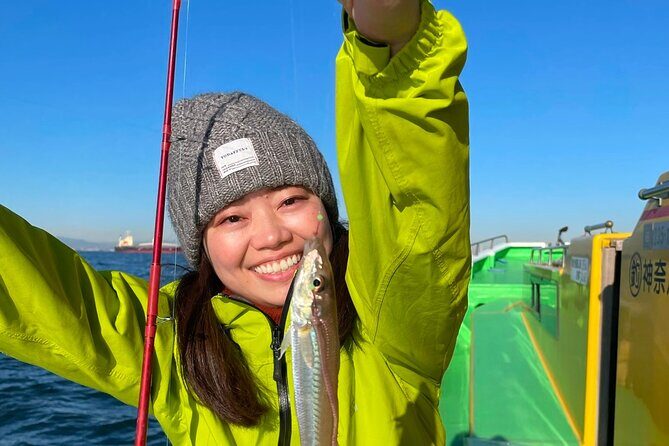
You meet at Kanazawa-Hakkei Station and the activity ends back at the meeting point. The day runs about 8 hours 30 minutes in total, which is a full morning-to-lunch commitment.
The tour lists a maximum of 3 travelers, which usually means a more personal pace with the guide. Still, it’s on a shared boat, so you’re not getting a private charter. That’s fine, and it’s common for fishing in this kind of setting. It also helps keep the experience more affordable.
You’ll get WhatsApp contact the day before to confirm whether the tour will take place based on conditions. On the water, weather is everything, so this kind of system is how they manage the real-world variables.
Who this tour is best for (and who should skip it)
This is a fun, hands-on experience, but it’s not for everyone. The tour asks you to refrain if you have health issues limiting outdoor activity, are uncomfortable handling live bait or fish, easily get seasick, are pregnant, or are under 16 years old. People with food allergies or dietary restrictions should also skip.
On the positive side, it’s beginner-friendly. You don’t need fishing experience. The guides are there to help you get bait set and fishing started, and the cooking part is taught in a way that works even if you’ve never cleaned or cooked fish before.
If you like small-group guidance, fresh local food, and a day that feels like hanging out with a local friend by the sea, you’ll likely love this.
What to bring checklist (based on how the day actually feels)
You don’t need to overthink it, but you do need the basics right. I’d pack with the assumption that you’ll be:
- in sun with no shade,
- in wind with possible cold,
- on a moving boat for about three hours,
- and cooking afterward.
Bring:
- drinks and snacks for about three hours at sea
- seasickness medicine if you’re prone (take early)
- waterproof clothing (pants and jacket), plus warm layers underneath
- hat with ventilation, sunglasses, and sunscreen
- 2–3 towels
- disposable heat packs if cold is a problem
Also note a legal requirement: you’ll need to provide your address and emergency contact on the day. Plan to have that information ready.
Final verdict: should you book this fishing and cooking experience?
Book it if you want a Japan day that combines activity and food in a way most tours don’t. You get beginner coaching, you fish for a specific target like shirogisu, and then you eat a meal you helped create. The whole thing feels personal even with a shared boat, and Naomi’s role—guiding you through both fishing and cooking—seems to be a core part of why people rate the experience so highly.
Skip it if you’re uncomfortable with live bait, you’re likely to get seasick, you need strict allergy or dietary options, or you prefer dry land and predictable schedules. The day depends on weather, and sea conditions are part of the deal.
If you go in with the right expectations—prepare for sun and wind, be ready to handle fish, and treat Mt. Fuji as a bonus—you’ll leave with something better than photos: a real meal, made from your own catch.
FAQ
Where is the meeting point?
You meet at Kanazawa-Hakkei Station (15-1 Seto, Kanazawa Ward, Yokohama, Kanagawa 236-0027, Japan).
What time does the tour start?
The start time is 6:30am.
How long is the experience?
It runs about 8 hours 30 minutes (approx.).
Is the fishing beginner-friendly?
Yes. The experience is designed for beginners, and no fishing experience is required.
What fish are you trying to catch?
The targeted fish is shirogisu (Japanese whiting). Other fish may be caught depending on the day.
Does Mt. Fuji always appear during the tour?
No. Mt. Fuji visibility depends on weather and location, so it may not always be visible.
What’s included in the price?
Included are full fishing gear (rod, reel, live bait, tackle, life jacket, towel), cooking tools, boat fishing with an English-speaking guide, a fish preparation and cooking session with an English-speaking guide, and lunch with soft drinks.
What extra costs might I pay on the day?
You’ll need to pay a boat fee of about 5,000 JPY to 7,000 JPY on the day (cash or credit card).
What should I bring for comfort?
Bring drinks and snacks for about three hours at sea, seasickness medicine if needed, and seasonal clothing such as waterproof jacket/pants, plus sun protection like a hat, sunglasses, and sunscreen.