REVIEW · YOKOHAMA
Yokohama: Sushi & Gyoza Cooking with Matcha & GreenTea Experience
Book on Viator →Operated by 山田 有果 · Bookable on Viator
Tatami tea turns cooking into culture. I love the quiet, private chashitsu tea-room hour and the fact that you get real hands-on practice making sushi rolls and folding gyoza with clear guidance. It’s the kind of class where the food feels tied to everyday life, not just a demo.
Your host, Yuka 山田有果, brings warm hospitality and a small-group feel, so you’re not shuffled along. One thing to consider: the start time is 10:30am and you’ll do a short walk from Odoriba Station to the home, so plan comfortable shoes for that early arrival.
In This Review
- Key things I’d bet on
- First Steps in Yokohama: Odoriba Station and a Quick Walk to Real Neighborhood Japan
- The Private Tatami Tea Room: Your Matcha (and Green Tea) Choice Sets the Tone
- Sliding Doors to the Kitchen: Sushi Rolls (Maki) with Fresh Ingredients and Real Guidance
- Handmade Gyoza: Folding Technique, Pan-Cooking Confidence, and That Satisfying Crunch
- Japanese Hospitality, Done the Everyday Way (Tea, Sweets, and Warm Welcome)
- Photo Opportunities That Feel Natural, Not Forced
- Price and Value: What $71.53 Buys in 2.5 Hours
- Logistics That Matter: Timing, Group Size, and How the Day Flows
- Who Should Book This Yokohama Cooking Session (and Who Might Skip It)
- A Quick Reality Check: What to Bring and How to Prepare
- Should You Book This Sushi & Gyoza with Matcha Tea Room?
- FAQ
- How long is the Yokohama sushi and gyoza cooking experience?
- What are the main dishes you’ll make?
- Where is the meeting point?
- What do I do in the tea room before cooking?
- How many people are in the group?
- Is there free cancellation?
Key things I’d bet on
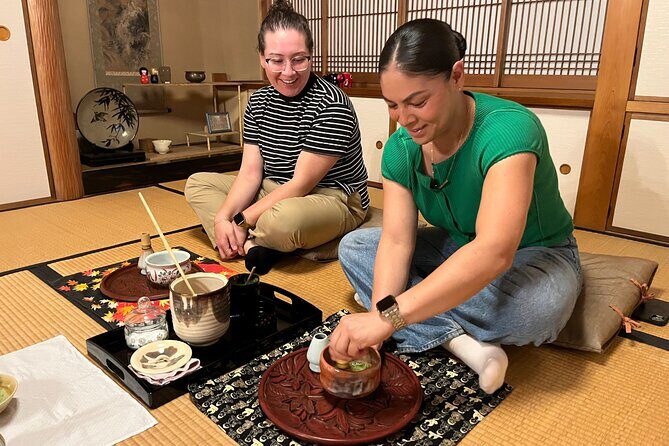
- A private tea room moment: an exclusive tatami setting with matcha or tea-time options before you cook
- Small group energy: maximum 6 people, which means more attention and fewer awkward pauses
- Real sushi + real folding: you make sushi rolls (maki) and handmade gyoza, not just assemble
- Yuka’s English and care: she guides patiently and even helps with weather with umbrellas
- Photo-friendly setup: you’ll get good opportunities both in the tea room and with your finished food
First Steps in Yokohama: Odoriba Station and a Quick Walk to Real Neighborhood Japan
This experience begins at Odoriba Station, and the tour ends back at the same meeting point. The start time is 10:30am, and the total time on the activity is about 2 hours 30 minutes. That timing matters because you’re not eating your way through a market all day. You’re doing a focused class in a home kitchen.
From the station, you’ll walk to the host’s house in a residential area. It’s short, about ten minutes, but it’s still a walk. I recommend leaving station-area stress behind: arrive a bit early, bring water, and wear shoes you’re happy to move in.
Because the group is capped at 6 travelers, the vibe stays calm. You won’t feel like a number. You’re more likely to ask questions and actually get answers, which is the whole point of a cooking class like this.
You can also read our reviews of more cooking classes in Yokohama


The Private Tatami Tea Room: Your Matcha (and Green Tea) Choice Sets the Tone
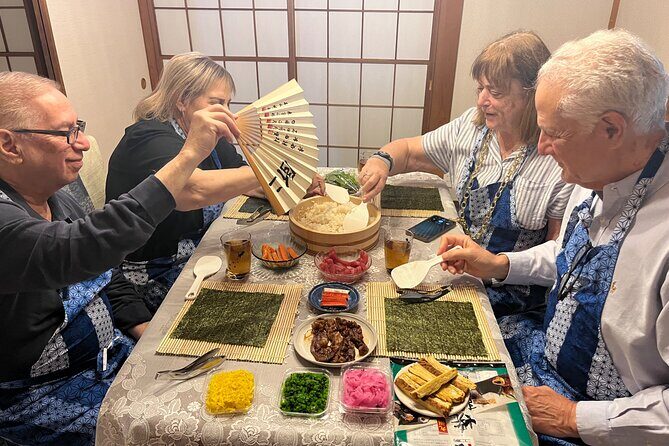
Before you touch ingredients, you start in a serene traditional tea room (a chashitsu-style space). This is where the experience earns its cultural weight. Cooking is fun, sure. But starting on tatami—slow, quiet, and structured—changes how you pay attention to taste and timing.
You choose one of three cultural options for about an hour:
1) Tea ceremony experience with matcha tasting
You’ll get a simple introduction to Japanese tea culture, centered on matcha. If you prefer something softer on the palate, there’s also a creamy matcha latte option.
2) Manga-style illustration
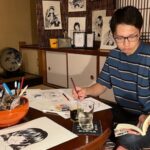
If you’d rather be hands-on in a different way, you can try manga drawing with authentic tools, guided by Yuka’s own artwork and inspiration.
3) Relaxation time with sweets and tea
This option is for you if you want to slow down. You’ll enjoy Japanese sweets and tea while taking in the tranquil tatami ambiance.
Here’s what I like about this setup: it gives you a choice. Some people want technique. Some people want calm. Some people want creativity. All three options still lead into the kitchen, so you’re not stuck on a cultural detour that never connects back to food.
Also, the tea-room setting is photo-friendly. It gives you something better than a quick selfie with a plate. You’re capturing the space where the day’s rhythm starts.
Sliding Doors to the Kitchen: Sushi Rolls (Maki) with Fresh Ingredients and Real Guidance
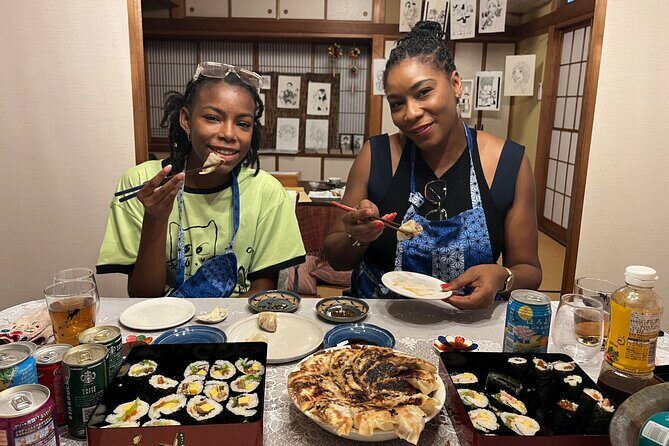
After the tea-room hour, sliding doors open and you move into the kitchen. This is the moment when the class becomes practical.
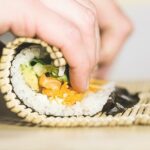
You’ll make sushi rolls (maki) using fresh ingredients, with step-by-step help from your host. The value here isn’t just the final roll. It’s learning how sushi work happens in sequence—prepping, handling ingredients, and assembling neatly enough that you’ll feel proud cutting and serving your own work.
A small group really helps at this point. With only up to 6 participants, you’re less likely to wait while others hog the attention. And since the host speaks English well, you can ask the annoying questions—like why a certain step matters—without it turning into guesswork.
One more thing: the experience is set in a private home, not a commercial cooking studio. That changes the feel of the cooking. It’s more like learning from someone who lives this way daily. That authenticity is why this class often lands as a favorite for food travelers who are tired of highly staged experiences.
Handmade Gyoza: Folding Technique, Pan-Cooking Confidence, and That Satisfying Crunch
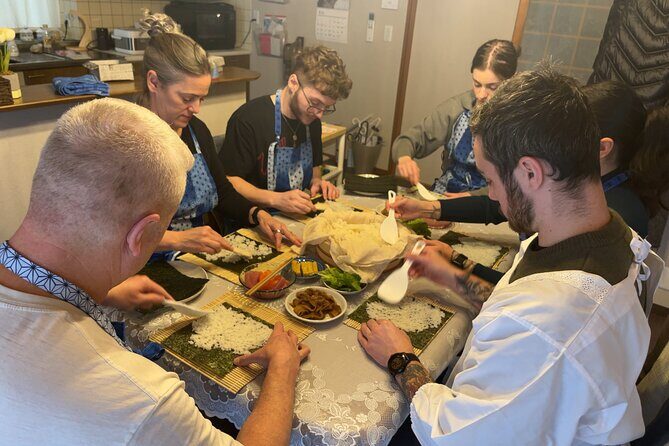
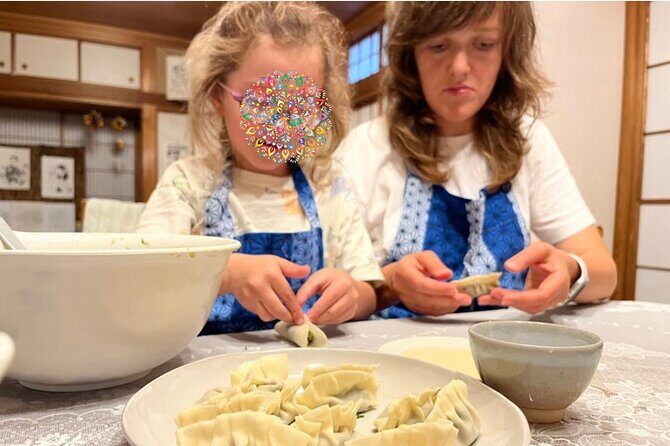
Next comes handmade gyoza (dumplings). You’ll fold them yourself and cook them to perfection with Yuka’s guidance. Even if you’ve had gyoza plenty of times, folding the wrappers is a different skill. It’s closer to craft than to “just follow along.”
Gyoza is also a great choice for a class because you can clearly see what changes when you get technique right—especially when they hit the pan. The experience focuses on making them, not just eating them. That means you’ll leave knowing how to start the process and what to watch for as they cook.
What I think you’ll appreciate most is the tactile learning. Folding takes time and repetition, and it’s the kind of activity that makes you slow down and actually notice what you’re doing. That’s a nice contrast after the tea-room calm.
And because the group is small, Yuka can correct your form as you go. That’s the difference between a class where you get a finished plate and a class where you gain a new method you can repeat later at home.
Japanese Hospitality, Done the Everyday Way (Tea, Sweets, and Warm Welcome)
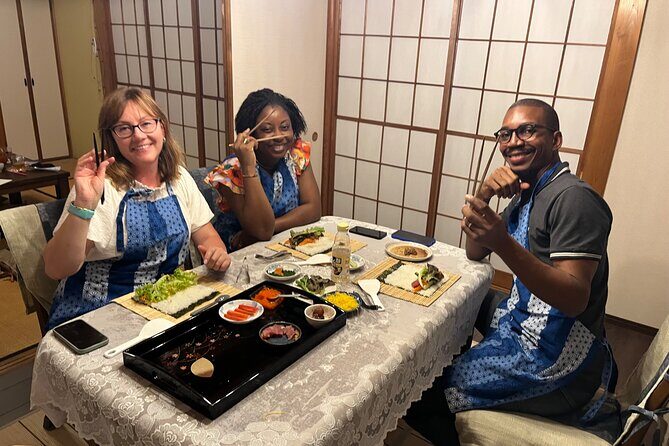
Japanese hospitality shows up in details, and this tour leans into them. You’ll enjoy tea, sweets, and beverages as part of the welcome. It’s not only about serving food. It’s about making sure you feel comfortable while you’re learning.
Yuka is specifically noted for being kind and welcoming. She meets you at the train station and is thoughtful about weather—bringing umbrellas when you’re likely to encounter inclement conditions. That’s a small kindness, but it matters when you’re traveling. It tells you the host is prepared for real-life comfort, not just the lesson plan.
If you like the kind of cultural contact where you’re treated as a person (not a participant number), this is your sweet spot. The experience feels intimate even when there’s more than one person in the group.






Photo Opportunities That Feel Natural, Not Forced
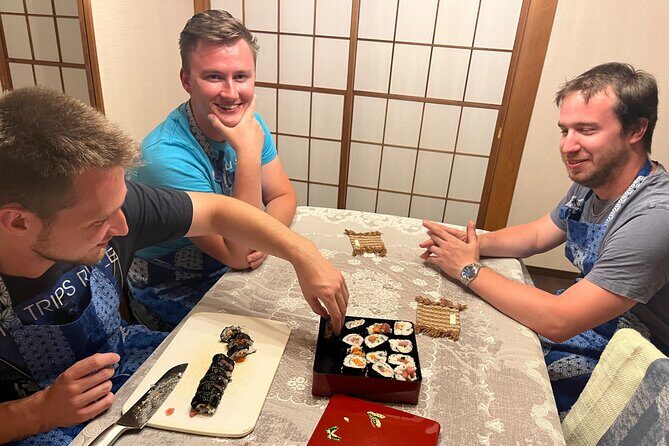
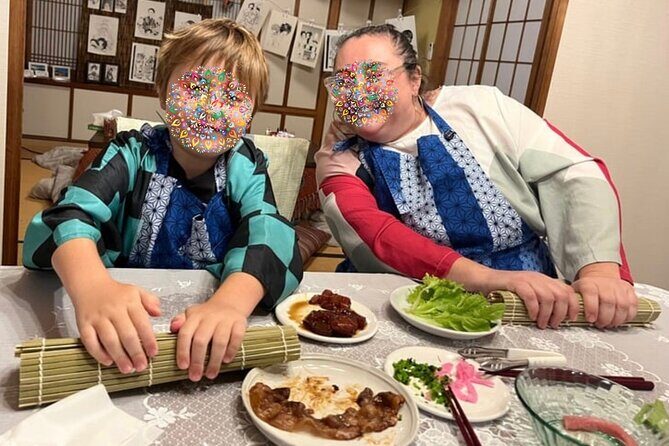
You’ll have unique photo moments. One set happens in the tea room. Another set comes after you create sushi rolls and handmade gyoza.
I like that the photos aren’t only about the food. The tea-room images give context. They show why the matcha and tatami part isn’t an add-on. It’s part of the story you’re carrying home.
Practical tip: bring your phone with battery and a good lock-screen camera habit. You’ll probably want to capture both the process stage and the final plates. With a small group, there’s usually less crowding, so you don’t need to fight for angles.
Price and Value: What $71.53 Buys in 2.5 Hours
At $71.53 per person, this isn’t a bargain class where you sample three bites and call it a day. You’re paying for several things at once:
- a private tea-room hour (including matcha tasting or a chosen alternative)
- hands-on cooking instruction for both sushi rolls and handmade gyoza
- a warm, hosted home setting with tea, sweets, and beverages
- a small group cap of 6, which increases your chances of real guidance
So the value question isn’t just cost per dish. It’s cost per learning moment, comfort, and attention.
Also, the experience is booked about 8 days in advance on average. That’s a hint that it’s popular for a reason. If it sounds like your kind of thing, don’t wait too long. Good hosts and small-group home experiences tend to fill up.
And yes, you should treat it as a 2.5-hour focus block. If you’re looking for a “whole afternoon of sightseeing,” you’ll want to pair this with other Yokohama plans. But if you want skills and a real taste of daily Japanese life, the price starts to make sense fast.
Logistics That Matter: Timing, Group Size, and How the Day Flows
This tour runs for about 2 hours 30 minutes. It starts at 10:30am and finishes back at Odoriba Station. You’re given a mobile ticket, and you’ll receive confirmation at booking.
Service animals are allowed. The experience is also near public transportation, which helps if you want an easy start from the city.
The flow is simple:
- Meet at Odoriba Station
- Walk to the house
- Tatami tea-room hour with your choice (matcha tasting, manga drawing, or relaxation with sweets)
- Sliding doors open to the kitchen
- Make sushi rolls, then handmade gyoza
- Return to the meeting point
The smoothness is part of what you’re paying for. You don’t have to figure out where to go or what to bring. You just show up and participate.
Who Should Book This Yokohama Cooking Session (and Who Might Skip It)
This experience is best for you if you like:
- hands-on cooking with a real host in a private home
- matcha and tea culture as more than a souvenir
- a small group setting where you can ask questions
- learning skills you can repeat later (sushi rolls and gyoza folding)
It’s also a strong choice for couples or small groups who want an intimate cultural afternoon. The experience can feel particularly personal in small parties, and that’s a big part of the appeal.
You might skip it if you only want a large-group, fast-paced food tour. This isn’t that. It’s slower, structured, and focused. It’s about doing, not just eating your way through Yokohama.
A Quick Reality Check: What to Bring and How to Prepare
You don’t need to bring cooking gear. The experience is set up for you to learn in a home setting. But do bring practical travel basics:
- comfortable shoes for the short walk from Odoriba Station
- a charged phone for the tea-room and food photos
- an open mind for matcha and tea-time culture
If weather looks iffy, consider that umbrellas can be part of the day. Even if you have one, it’s still worth being flexible. A home-hosted experience means the host is thinking about comfort, not just attendance.
Should You Book This Sushi & Gyoza with Matcha Tea Room?
I think you should book it if you want a Yokohama food experience with real cultural grounding and genuine hospitality. The standout strength is the combination: a private tatami tea-room hour followed by hands-on sushi rolls and handmade gyoza, all guided by Yuka 山田有果 in a warm, welcoming home environment.
It’s especially worth it when you care about the learning process. You’ll leave with skills, not only memories. And if matcha tea culture calls to you—whether you go for matcha tasting, a matcha latte, or tea-and-sweets relaxation—this format makes sense.
If you’re craving a quick, checklist-style tour, this one may feel too slow. But if your travel taste leans toward thoughtful, hands-on moments, book it and enjoy the fact that you’re stepping into a Japanese home, not just a classroom.
FAQ
How long is the Yokohama sushi and gyoza cooking experience?
It lasts about 2 hours 30 minutes.
What are the main dishes you’ll make?
You’ll make sushi rolls (maki) and handmade gyoza.
Where is the meeting point?
You meet at Odoriba Station (1 Chome-1 Nakatahigashi, Izumi Ward, Yokohama, Kanagawa 245-0013, Japan) and the activity ends back at the meeting point.
What do I do in the tea room before cooking?
You choose one option: tea ceremony experience with matcha tasting (or matcha latte), manga-style illustration, or relaxation time with Japanese sweets and tea.
How many people are in the group?
The maximum group size is 6 travelers.
Is there free cancellation?
Yes. You can cancel up to 24 hours in advance for a full refund.