REVIEW · YOKOHAMA
Yokohama: Manga/Anime Art & Cooking Experience in a Tatami Room
Book on Viator →Operated by 山田 有果 · Bookable on Viator
Manga art and sushi in one afternoon. This Yokohama class pairs a hands-on manga illustration session with cooking two favorites: sushi rolls and handmade gyoza. The setting matters too: you eat afterward in a traditional tatami room, with home-style sweets and all-you-can-drink beverages.
I like the step-by-step approach, especially for beginners. Yuka (山田 有果) keeps the pace comfortable and the atmosphere warm, so you’re not stuck copying perfectly while everyone else races ahead. One possible drawback: since it’s held in a home and runs about three hours starting at 3:00 pm, you’ll want a plan for getting there and back from Odoriba Station with enough time.
Manga/Anime Art & Cooking in a Tatami Room
A small-group, 3-hour Yokohama experience where you draw with professional tools, cook sushi and gyoza, then relax with sweets and drinks.
In This Review
- Key things I’d circle before you book
- A Yokohama Tatami Home Where Art Comes First
- Meeting Yuka and Getting Serious About Manga Tools
- Sushi Rolls in a Home Kitchen: Fresh, Colorful, and Repeatable
- Handmade Gyoza: Folding Skills You’ll Actually Use
- Tatami Room Dining: Sweets, Drinks, and Conversation
- Price and Value: Why $78.18 Can Make Sense
- Timing and Location Near Odoriba Station
- What to Expect as a Beginner (and What to Bring)
- Who This Class Is Best For
- Should You Book This Manga and Cooking Class?
- FAQ
- How long is the experience?
- What time does the class start?
- Where is the meeting point, and does it end nearby?
- How many people are in the group?
- What will I make in the cooking portion?
- What drinks and desserts are included?
- What materials do you use for manga drawing?
- Is the guide included?
- What isn’t included in the price?
Key things I’d circle before you book
- Small group max of 6 people for calmer instruction and more interaction.
- Tools matter: you use G-pens, screentone sheets, and ink for a real manga-style feel.
- You make two dishes (sushi rolls and gyoza) and eat what you create.
- Tatami room dining plus Japanese home-style sweets and all-you-can-drink beverages.
- Yuka’s teaching style is patient and attentive, with a pace that feels comfortable.
A Yokohama Tatami Home Where Art Comes First
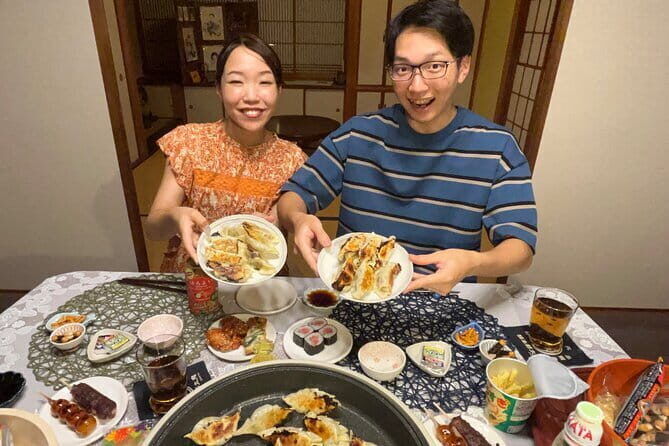
Yokohama has a way of feeling both modern and quietly traditional, and this experience leans hard into the traditional side. You start in a home setting guided by Yuka (山田 有果), then move to cooking, and finish by eating together in a tatami room.
What I like most is the pairing. Manga drawing is creative and visual, while sushi and gyoza are hands-on, practical, and very Japanese. When those two halves happen back-to-back, you end up with more than photos: you leave with skills you can actually use again.
There’s also a social rhythm that works well. The group stays small (max 6), and the host keeps things conversational, so you’re not just watching or copying. You’ll likely find yourself asking questions about art materials, cooking technique, and the everyday habits behind both.
You can also read our reviews of more cooking classes in Yokohama


Meeting Yuka and Getting Serious About Manga Tools
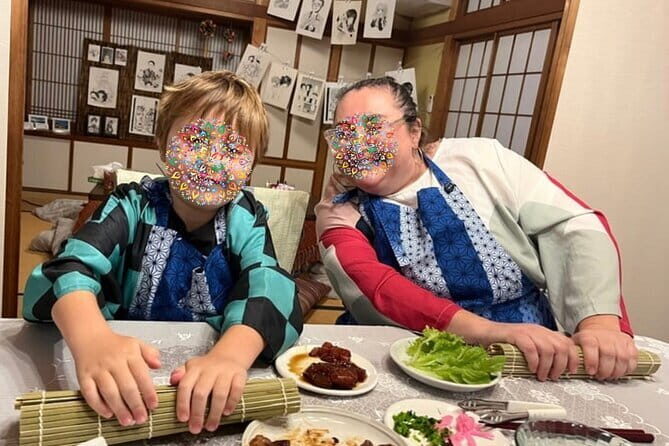
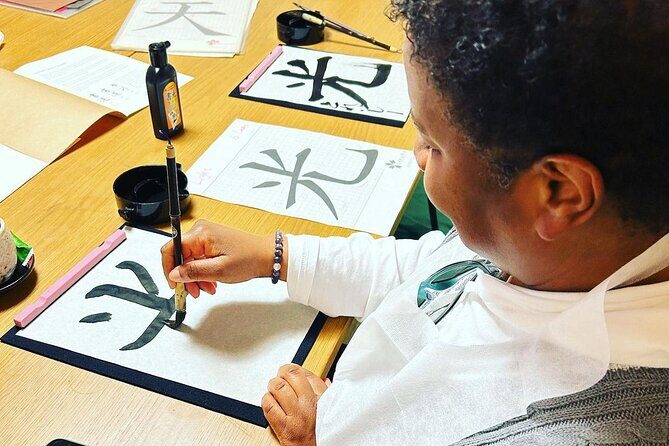
The first chunk of your afternoon is manga-style drawing, led by Yuka, with clear guidance from start to finish. The goal isn’t to make you a manga artist overnight—it’s to help you draw with confidence and leave with an original piece you can take home.
You’ll work with authentic manga materials, including G-pens, screentone sheets, and ink. That detail is more important than it sounds. Using the right tools changes the look of your lines and shading fast, and it helps you understand why manga art can feel so crisp and expressive.
How the lesson typically feels: you’re guided step-by-step, so beginners aren’t left guessing. If you’re a manga fan already, this is also the part where you can learn what’s going on behind the scenes—why certain effects look the way they do, and how artists build depth using simple materials.
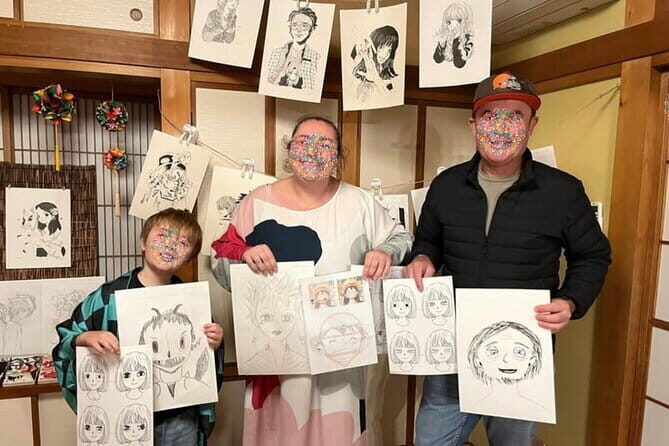
Your end result is meant to be a keepsake. You’re not just making a practice page and calling it a day. You’ll leave with your original drawing as a souvenir, which is a nice change from typical classes where the “product” is gone the moment you’re done.
Sushi Rolls in a Home Kitchen: Fresh, Colorful, and Repeatable
After the art session, you shift gears to the kitchen. Sushi rolls here aren’t taught like a distant restaurant performance. They’re taught like home cooking: practical steps, fresh ingredients, and a focus on getting you to the plate without getting lost.
You’ll make sushi rolls using fresh ingredients, following the guidance as you assemble. The fun part is that rolls feel approachable even when you’ve never done them. You learn how to handle the process in a calm order—prepare, assemble, and finish—so you’re not fighting the clock.
The teaching style really matters with food classes, and this one is built for comfort. People come in with all kinds of experience levels, and the pace is meant to keep you moving without stress. That’s a big value point for me, because nervous hands make cooking less fun.
You also get cultural context along the way—home-style tips rather than scripted facts. That’s where you start understanding why certain techniques are used, not just copying what someone tells you to do.
Handmade Gyoza: Folding Skills You’ll Actually Use

Then comes the second cooking project: handmade gyoza. If sushi rolls feel like careful assembly, gyoza is the hands-on one—especially the folding. You’ll learn how to shape and pan-fry them, with guidance so you can get the dumplings into the right form.
Gyoza is one of those foods that looks intimidating until someone shows you the pattern. In this class, the approach stays practical: you follow along, you adjust as needed, and you work toward dumplings that actually cook well instead of just looking pretty on day one.
The result is satisfying in a very literal way. You’re not making gyoza to take home and hope it’s good later—you cook it and then you eat it. That changes how you learn: you can taste and understand what “good gyoza” means in terms of texture and flavor balance.
Tatami Room Dining: Sweets, Drinks, and Conversation
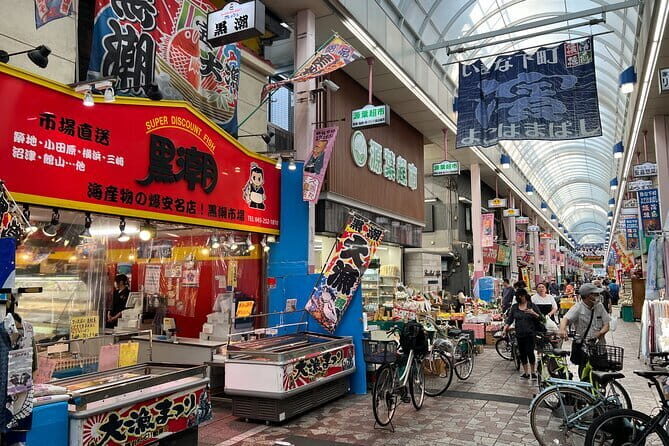
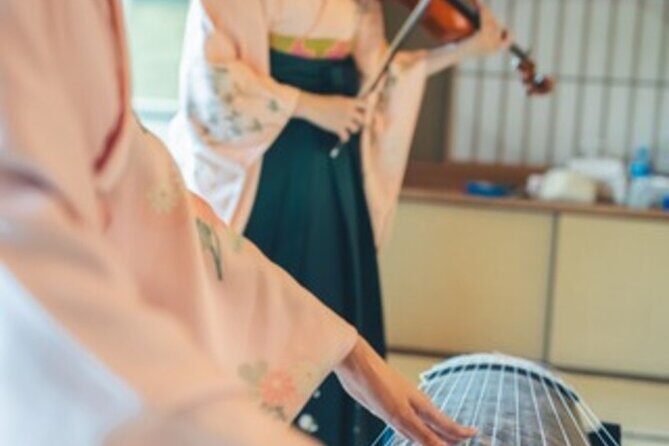
Once the cooking is done, you relax in a tatami room and enjoy your meal. This is where the experience turns from activity to memory. Eating together in a traditional space feels different than a standard restaurant table, even if the food is similar in concept.
Your meal includes what you made, plus Japanese home-style sweets. And yes, beverages are part of the deal: you get all-you-can-drink options that include shochu, beer, and fruit juices. Dinner drinks and alcohol are included in the price, which is a real value boost if you like trying Japanese drinks but hate the awkward add-on costs.
This is also the part where conversation naturally happens. The atmosphere is friendly, and Yuka’s guidance doesn’t end when the drawing lesson ends. People often remember the host’s warmth and the easy back-and-forth, whether you’re asking about manga materials or cooking steps.
If you’re thinking about social energy, this one tends to land in the middle. It’s not a silent workshop, and it’s not a loud party class either. It feels like hanging out in someone’s home while learning something useful.






Price and Value: Why $78.18 Can Make Sense
At $78.18 per person, you’re paying for three things at once: instruction, ingredients, and a meal + drinks package. That’s the math behind the value here.
For one afternoon (about three hours), you’re getting:
- Guided manga drawing with professional tools and a take-home original piece
- Hands-on instruction for sushi rolls and handmade gyoza
- A shared meal in a tatami room with home-style sweets
- All-you-can-drink beverages, including alcohol like shochu and beer
A lot of classes split these elements—art elsewhere, food elsewhere, and refreshments not included. Here they’re bundled, and that’s what makes the price feel fair. Also, the small group size (max 6) reduces the chance you get stuck waiting while someone else’s lesson runs long.
One practical note: the price doesn’t include getting to the meeting point. Transport to and from the experience location is on you, so budget that time and cost into your day.
Timing and Location Near Odoriba Station
The experience starts at 3:00 pm and ends back at the meeting point. Your start point is Odoriba Station area, specifically listed as 1 Chome-1 Nakatahigashi, Izumi Ward, Yokohama.
Because it’s afternoon timing, it fits well after a morning activity in Yokohama. It also works for travelers who like a slightly slower day. You’re not rushing to squeeze this between early check-ins and late dinners; it naturally becomes the centerpiece of your afternoon.
Since it’s near public transportation, you should have straightforward routing once you’re in the area. Still, because it’s in a home, arrive a few minutes early so you can settle in and start the art session without feeling flustered.
What to Expect as a Beginner (and What to Bring)
This is designed to work for beginners. For the drawing portion, the instruction is step-by-step, and you’re guided on how to use materials like G-pens and screentone sheets. For cooking, the class focuses on doable techniques—assembling sushi rolls and shaping and cooking gyoza in a guided flow.
What you might bring from your side is mostly mindset:
- Be ready to get a little hands-on during cooking
- Bring curiosity for both manga and food, even if you’re new to one of them
The good news is the pacing is meant to feel comfortable. That’s important in a class like this, where you’re learning two new skill sets, not just one.
One consideration: since manga goods may be available for sale, you might be tempted to buy extras. If you care about budgeting, set a number for yourself ahead of time so you don’t get swept up in the moment.
Who This Class Is Best For
This experience hits best when you want something personal and practical, not just a sightseeing stop. It’s ideal for:
- Couples looking for a shared creative afternoon
- Solo travelers who want real interaction with a host in a home setting
- Manga fans who want to learn the mechanics behind the look
- Food lovers who want to cook sushi rolls and gyoza and then eat them right away
- People who prefer small groups and a relaxed pace
If you’re the type who likes hands-on work and you enjoy Japanese culture from the inside—art tools, home cooking techniques, and everyday hospitality—this is a great match.
Should You Book This Manga and Cooking Class?
Book it if you want a two-for-one experience that ends with food, drinks, and a take-home drawing. The combination of manga instruction and hands-on Japanese cooking is exactly the kind of activity that turns a travel day into something you’ll remember for more than a landmark photo.
Skip it (or at least think twice) if you’re only interested in one half—either drawing or cooking—or if you strongly dislike being in someone’s home environment. Also consider that the schedule is tied to a specific afternoon start time and the experience runs about three hours.
If you’re looking for an authentic Yokohama activity that feels friendly, focused, and genuinely hands-on, this one is an easy yes.
FAQ
How long is the experience?
It runs for about 3 hours.
What time does the class start?
The start time is 3:00 pm.
Where is the meeting point, and does it end nearby?
It starts at Odoriba Station (listed at 1 Chome-1 Nakatahigashi, Izumi Ward, Yokohama) and ends back at the meeting point.
How many people are in the group?
The group size is limited to a maximum of 6 people.
What will I make in the cooking portion?
You’ll make sushi rolls and handmade gyoza.
What drinks and desserts are included?
You’ll have Japanese home-style sweets and all-you-can-drink beverages, including shochu, beer, and fruit juices.
What materials do you use for manga drawing?
You’ll use G-pens, screentone sheets, and ink.
Is the guide included?
Yes, the guide is included.
What isn’t included in the price?
Transportation to and from the activity location isn’t included, and personal expenses are not included. Manga-related goods may be available for sale separately.