REVIEW · YOKOHAMA
Yokohama Manga Art & Japanese Cooking Experience
Book on GetYourGuide →Operated by Sakura Sketch Japan · Bookable on GetYourGuide
Manga art and dinner in one session. This 3-hour Yokohama experience mixes manga drawing with hands-on cooking, and the setting is a real traditional home run by Yuka. I like that you get step-by-step guidance for both art and food, and you end up eating what you make. One thing to consider: it’s in Yokohama, not Tokyo, so you’ll want to plan your day around the trip.
You’ll spend part of the time learning how professional manga works—linework, character design, and shading—then you’ll shift gears into making sushi rolls and gyoza from scratch. The best part is that it doesn’t feel like a demo. You’re doing the work, and the host keeps it friendly and practical. Also, it’s offered in English and Japanese, which makes it easier to ask questions when anything gets unclear.
In This Review
- Key highlights you’ll feel immediately
- Setting the tone: what makes this class different
- Before you go: what you’re signing up for
- Part 1: the manga session that gets you drawing fast
- What you’re really learning
- Part 2: sushi rolls with fresh, seasonal ingredients
- Why this matters (beyond the food)
- Eating what you made
- Part 3: gyoza from folding to cooking
- Why gyoza is a great choice for beginners
- The dining part: tea, snacks, and a relaxed pace
- What to look for in value: $81 worth it?
- Who this is best for
- Small practical tips so you get the best experience
- Souvenirs and the manga side of the story
- Should you book this Yokohama manga and cooking class?
- FAQ
- How long is the Yokohama Manga Art & Japanese Cooking Experience?
- Where is the experience held?
- What languages are available?
- What’s included in the price?
- Is this class beginner-friendly?
- Can I buy souvenirs during the experience?
Key highlights you’ll feel immediately
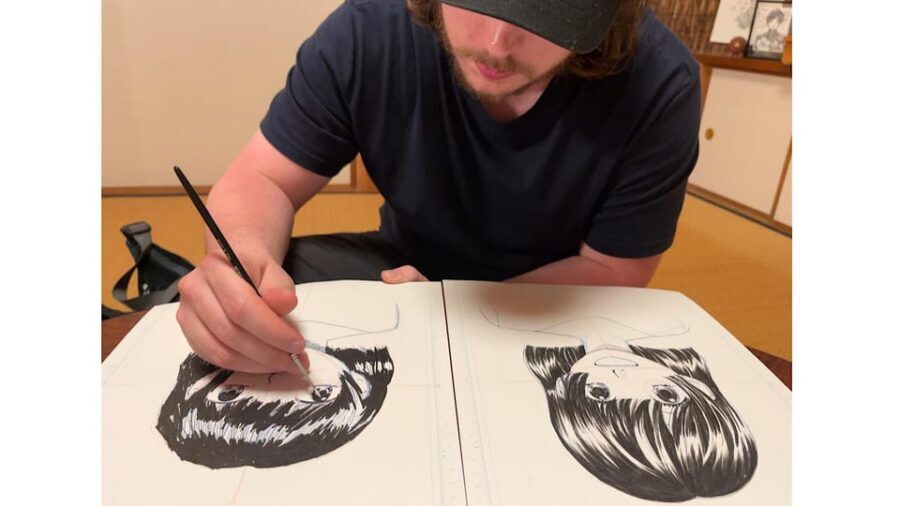
- Draw an original manga character with worksheets and real manga-style tools
- Make colorful sushi rolls using fresh, seasonal ingredients with guided steps
- Wrap gyoza and cook them yourself from the folding to the cooking stage
- Eat your meal together with Japanese tea and snack pairings
- Get a personal welcome in a cozy home instead of a classroom or restaurant
Setting the tone: what makes this class different
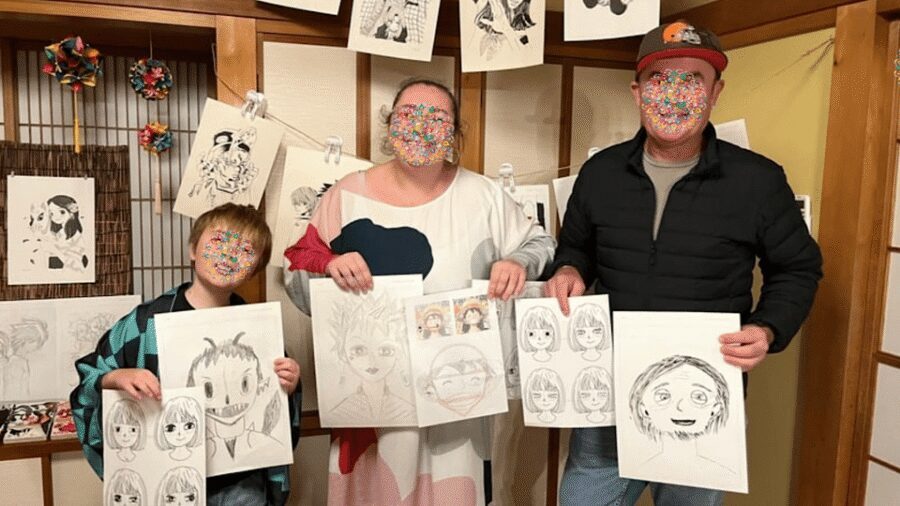
This isn’t a sightseeing stop where you watch and leave. It’s closer to a creative dinner with a teacher who also cooks. You start with art, then move into food, and the pacing keeps you from getting bored or overwhelmed.
In Japan, manga is everywhere, but it often stays on the page. Here, you learn the basics of how manga gets built: the lines, the shaping of a character, and how shading can make a drawing feel like it has depth. That’s powerful because you don’t just copy a style—you make something original and take it home.
Then you switch to cooking, where you get the same treatment: step-by-step instruction, but with real hands-on progress. For me, that combo matters. Art teaches patience, and cooking teaches technique, and both end with a tangible result.
And yes, the setting helps a lot. This takes place in a traditional home that feels lived-in, not staged. That’s where the warm hospitality shows up: Yuka answers questions, checks in as you work, and keeps the experience relaxed.
You can also read our reviews of more cooking classes in Yokohama


Before you go: what you’re signing up for
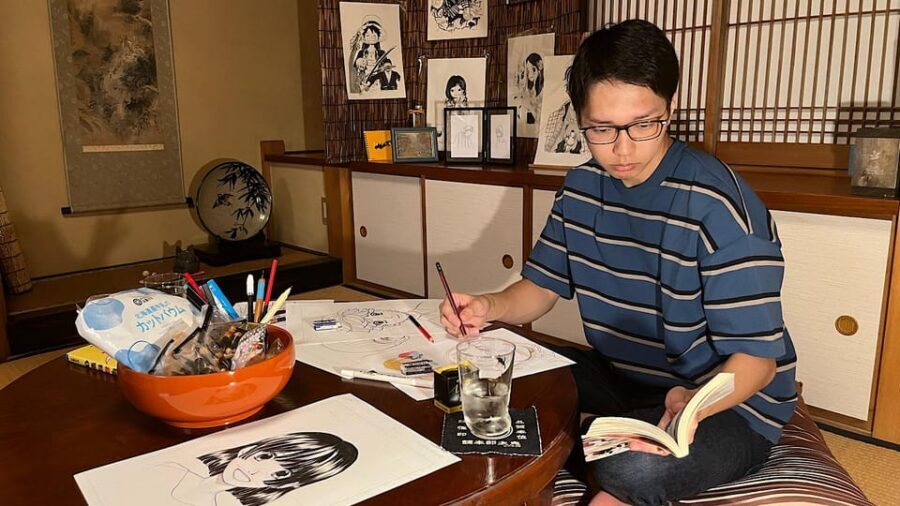
You’re paying for two guided workshops in one afternoon: manga drawing and Japanese cooking. The price is $81 per person, which is a fair match for three things you often don’t get together—professional instruction, fresh ingredients, and a sit-down dining moment after the cooking.
Three hours also means you get real momentum. You won’t spend half the time waiting for supplies or cleaning up in the background. You’ll learn, make, and then eat. If you like structured experiences but still want them to feel human, this format works.
Language-wise, the experience is available in English and Japanese. That’s useful if you want to understand what’s happening without feeling totally dependent on translation.
Also, there’s an extra shopping side if you’re interested: the provider sells manga-style illustrations that the host drew, and once preparations are complete, you may find postcards, T-shirts, and other souvenirs available for purchase. You’re not required to buy anything, but it’s a nice way to take a memory home in a style that fits the theme.
Part 1: the manga session that gets you drawing fast
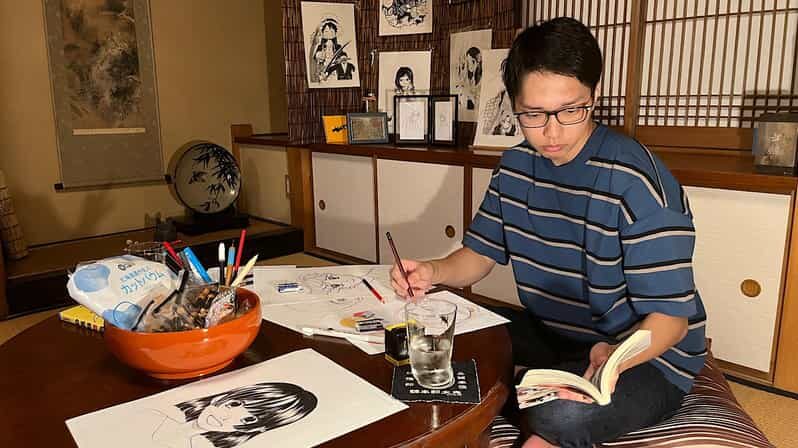
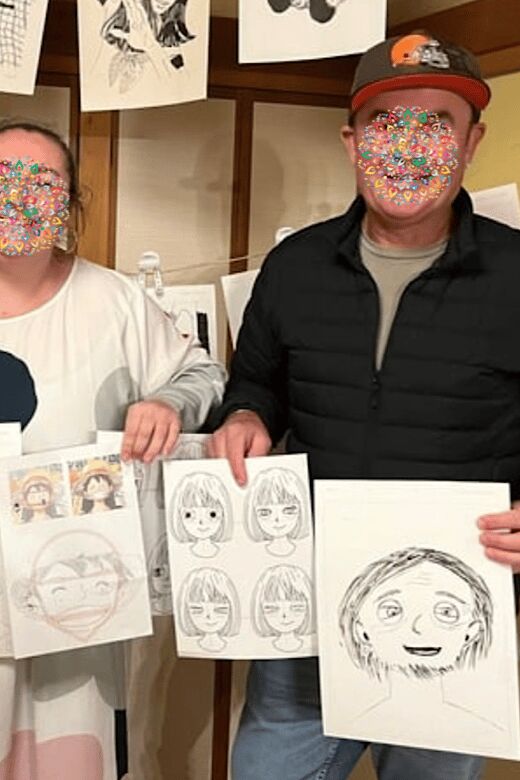
You’ll begin with instruction from a professional Japanese illustrator. You’ll be working around the host’s original artworks, which gives you something practical to reference while you learn. Instead of vague advice like make it cooler, you’re shown how manga characters are constructed.
Expect to go through fundamentals such as:
- linework (clean, intentional strokes)
- character design (how to make your character recognizable)
- shading (simple steps that make a drawing pop)
They provide authentic tools like pens and markers, along with step-by-step worksheets. The key detail here is that the worksheets guide you through the parts, so you’re not stuck staring at a blank page.
If you can draw a line on paper, you can do this. That’s the energy of the class. One of the best parts is how quickly beginners can feel progress, because you’re not trying to create a finished masterpiece right away. You’re building an original character step-by-step, then you take it home.
What you’re really learning
The manga session isn’t just about art tricks. It teaches you how to translate an idea into shapes, then add personality with the details. That’s why it feels rewarding later when you look at your page and realize you made a real character, not just copied a template.
Also, this is a good activity for people who love anime and illustration but have never tried drawing seriously. You don’t need to “be an artist” first. You just need curiosity and a willingness to follow instructions.
Part 2: sushi rolls with fresh, seasonal ingredients
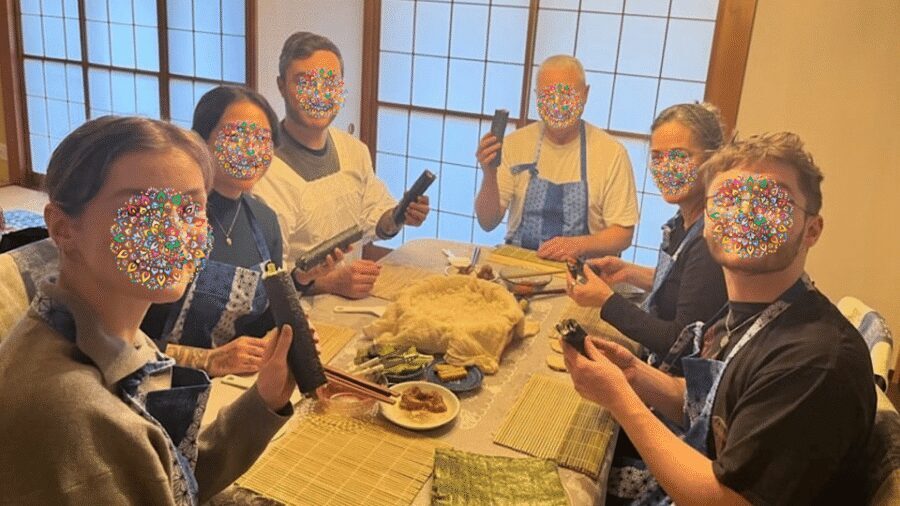
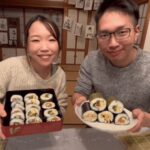
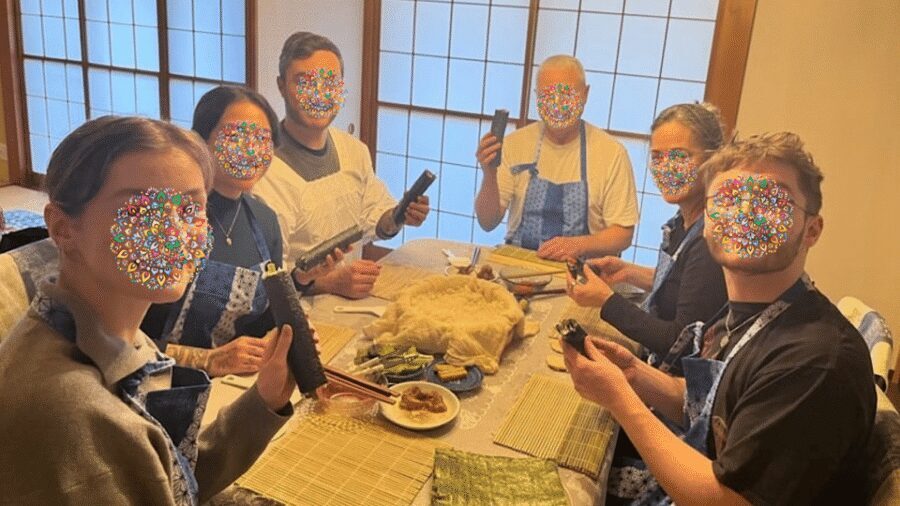
After the art, you move into cooking. The sushi portion focuses on making sushi rolls with guidance. You’ll use fresh ingredients, including seafood, meat, vegetables, and rice. They also emphasize seasonal produce, which is a nice reminder that sushi isn’t one-size-fits-all.
You’ll learn how to roll and shape like a pro using traditional techniques. And importantly, it’s not just watch-and-walk-away. You’re making rolls yourself.




Why this matters (beyond the food)
Sushi can feel mysterious when you only see it pre-made. Here, you learn what’s happening in the process. You learn how to handle ingredients, how to manage the roll, and how careful steps lead to a better result. Even if your roll isn’t perfect, you’ll understand why it looks and tastes the way it does.
In practical terms, sushi is also a strong “confidence builder” class. It’s colorful, it moves quickly, and you can see the progress as you go.
Eating what you made
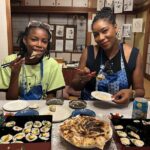
Once the cooking is finished, you’ll sit down to enjoy your handmade meal along with dipping sauces, tea, and snacks. That last part matters more than people think. It’s one thing to cook. It’s another to eat in the same calm setting, with the host guiding the experience through to the final bite.
Part 3: gyoza from folding to cooking
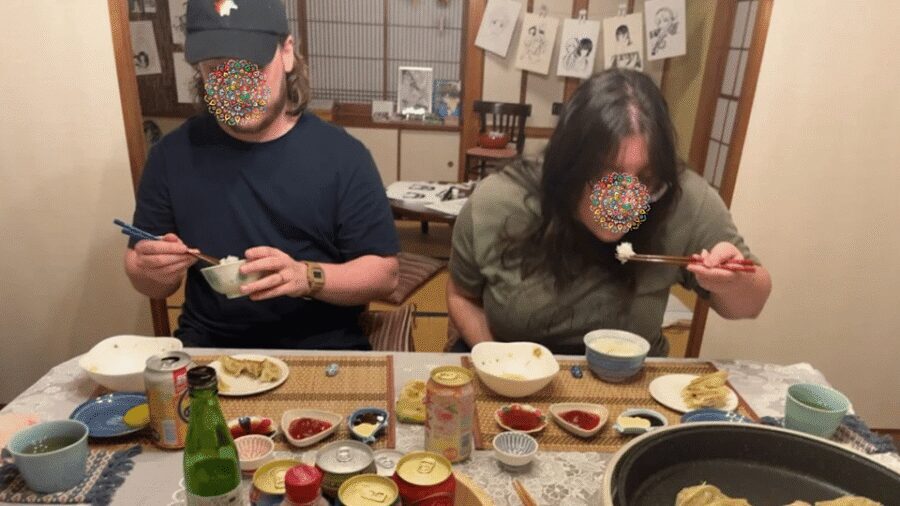
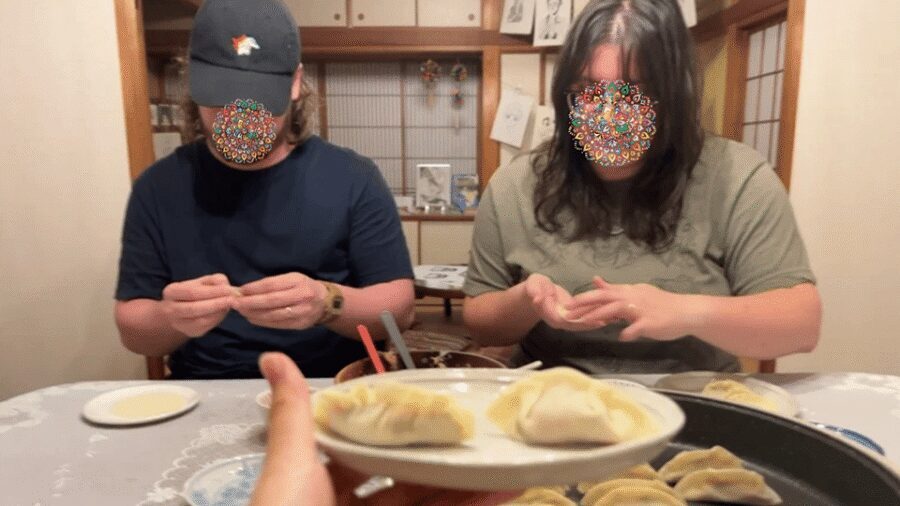
Gyoza is where the class turns from “fun food lesson” into “hands-on skill.” You’ll make dumplings from scratch, learning everything from wrapping to cooking.
The process includes:
- making the gyoza by wrapping yourself
- learning the technique for folding
- cooking the dumplings with guided steps
- pairing them with dipping sauces
One practical plus: the steps are easy to follow, and you’re not left to guess. You’ll wrap, you’ll cook, and you’ll get a finished plate that you helped build.
Why gyoza is a great choice for beginners
Gyoza is forgiving in the best way. If one dumpling looks a little different, you’re not performing for a judge—you’re learning technique. And once you taste them hot, you’ll forget you were worried about the “perfect fold.”
Also, this gives you a real skill that you can recreate later. Even if you don’t make dumplings often at home, you’ll now understand the core method: wrap, shape, cook, and sauce. That’s real takeaway value.
The dining part: tea, snacks, and a relaxed pace
After sushi and gyoza, you eat in a relaxed, traditional home setting. You’ll have Japanese tea with snacks, plus dipping sauces that match what you made.
This is where Yuka’s hospitality shows up in a practical way. She’s friendly, welcoming, and answers questions as you cook and draw. If you have dietary needs, the host is sensitive to them, which is especially important on an activity like this where you’re working with ingredients.
And there’s a subtle bonus: you might try snacks you wouldn’t normally pick in a convenience store or menu. Those small tastings are often what makes a cultural meal feel like a memory instead of just a full stomach.
What to look for in value: $81 worth it?
For $81 per person, you’re getting three major components:
1) Professional manga instruction with tools and take-home artwork
2) Fresh ingredient cooking for sushi rolls and gyoza
3) A sit-down meal with tea and snacks
In many places, you pay separately for food classes or craft sessions. Here, you get both in the same time block. That matters if you’re short on time and want a single “real experience” day instead of two separate activities.
Also, it’s not just materials. You’re learning technique from a host who teaches and cooks. The class design helps beginners avoid frustration, because the step-by-step approach keeps you moving forward.
Who this is best for
This experience fits best if you:
- want a hands-on cultural activity (not just photos)
- love manga, anime, or illustration and want to draw your own character
- want practical cooking skills you can repeat later
- prefer a smaller, home-based setting over big-group tours
It also works well for mixed groups—someone can be focused on drawing while someone else is focused on cooking, and you’ll all end up eating together.
If you dislike structured steps or you’re looking for a quick “eat-only” tour, you might find it too interactive. But if you’re the type who likes learning how things are made, you’ll enjoy this.
Small practical tips so you get the best experience
A few simple things will help you make the most of the time:
- Keep your energy for three hours. You’ll switch between drawing and cooking.
- Expect to use pens, markers, and cooking tools. Comfortable clothes help.
- Ask questions while the instructor is showing steps. That’s when you’ll get the clearest answers.
- If you have dietary needs, mention them early so the host can adjust appropriately.
Also, remember this is a home setting. You may feel the difference compared with a restaurant or studio with lots of space. That’s normal—and part of the charm.
Souvenirs and the manga side of the story
There’s a shopping moment built around the theme. The provider sells manga-style illustrations the host drew. After preparations are complete, postcards, T-shirts, and other souvenirs may be available for purchase.
If you love the manga portion, this is a natural way to extend the experience. It’s also a nice option if you want something more personal than a generic souvenir.
Should you book this Yokohama manga and cooking class?
If you want a day that’s more than sightseeing, I’d book it. This class gives you two skills—drawing and cooking—plus a meal you helped make, all in a traditional home with a friendly host.
Choose it if you’re excited about manga-style character design and you’d like to learn sushi rolls and gyoza step-by-step. It’s especially worth it if you value beginner-friendly instruction and you like experiences where you can ask questions and see results quickly.
If you only have time for Tokyo, or you want a larger, more impersonal venue, then the Yokohama location and home setting might not match your style. But if you’re willing to travel a bit outside the city core, the payoff is a memorable, hands-on afternoon.
FAQ
How long is the Yokohama Manga Art & Japanese Cooking Experience?
The experience lasts 3 hours.
Where is the experience held?
It takes place in Yokohama, on Honshu, Japan, in a cozy traditional Japanese home.
What languages are available?
The experience is available in English and Japanese.
What’s included in the price?
You’ll get the manga illustration session, sushi roll cooking, handmade gyoza cooking, and a dining experience with sushi, gyoza, snacks, and Japanese tea. Tools and step-by-step guidance are also included.
Is this class beginner-friendly?
Yes. No prior drawing or cooking skills are required, and the instruction uses step-by-step worksheets and guidance.
Can I buy souvenirs during the experience?
Yes. Manga-style illustrations, plus postcards, T-shirts, and other souvenirs may be available for purchase after preparations are complete.