REVIEW · YOKOHAMA
Yokohama: Sushi & Gyoza Cooking with Matcha Experience
Book on GetYourGuide →Operated by Sakura Sketch Japan · Bookable on GetYourGuide
Matcha, manga, and dumplings all in one. In Yokohama, you begin in a traditional tatami tea room, pick a creative option, then cook sushi and handmade gyoza with a local host.
I love how this is built around hands-on cooking instead of watching. I also like the tea-room calm at the start, where you’re not rushed and you get a real taste of daily Japanese home life.
My main caution: it’s not suitable for wheelchair users, and if you have food allergies you’ll need to think carefully before booking.
In This Review
- Quick hits (what makes it worth your time)
- A Yokohama Home Where Tea, Art, and Food Happen Together
- Your First Hour on Tatami: Picking Matcha, Manga, or Pure Relaxation
- Why that choice option is such good design
- Matcha & Green Tea Tasting and the Creamy Latte Twist
- Manga-Style Illustration: Drawing Japanese Characters with Yuka
- Sliding Doors to the Kitchen: How Sushi Rolls Get Taught
- Handmade Gyoza: Folding and Cooking Dumplings Like a Local
- What You’ll Eat (and Drink) After Cooking
- Price and Value: Is $81 Worth It?
- Who This Experience Fits Best (and who should skip it)
- Booking Advice: When You Should Say Yes
- FAQ
- What is included in the experience?
- How long is the activity?
- Do I need to speak Japanese?
- What should I bring?
- Is it okay if I have food allergies?
- Is this wheelchair accessible?
- Where do we meet, and where does it end?
Quick hits (what makes it worth your time)
- Tatami tea room first: a private hour with tea and traditional sweets before the kitchen gets busy.
- Choose your first activity: matcha and green tea tasting, manga-style illustration, or simple relaxation.
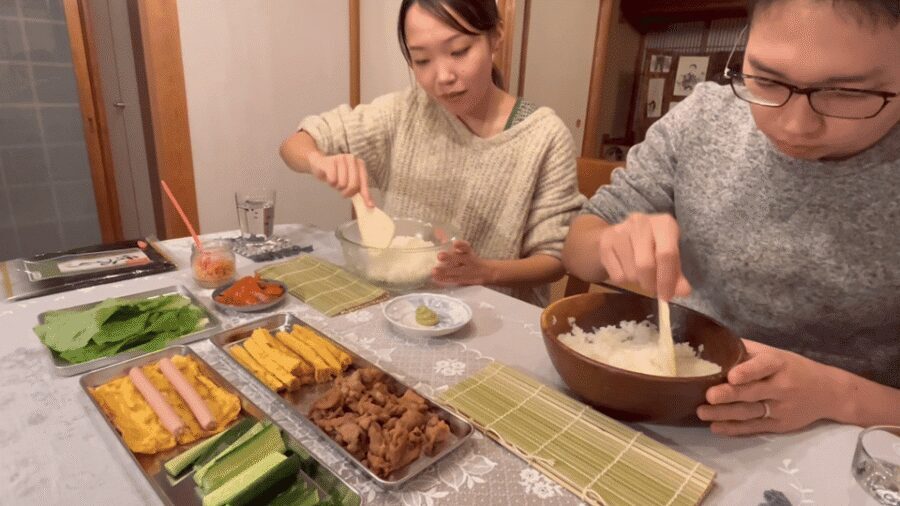
- You cook both classics: sushi rolls (maki) plus handmade gyoza, from scratch.
- Matcha options are flexible: green tea, matcha, and even a creamy matcha latte if you want it milder.
- Drawing time is real: you use authentic manga tools with guidance from host Yuka.
- Plenty of photo moments: in the tea room and again while you cook.
A Yokohama Home Where Tea, Art, and Food Happen Together
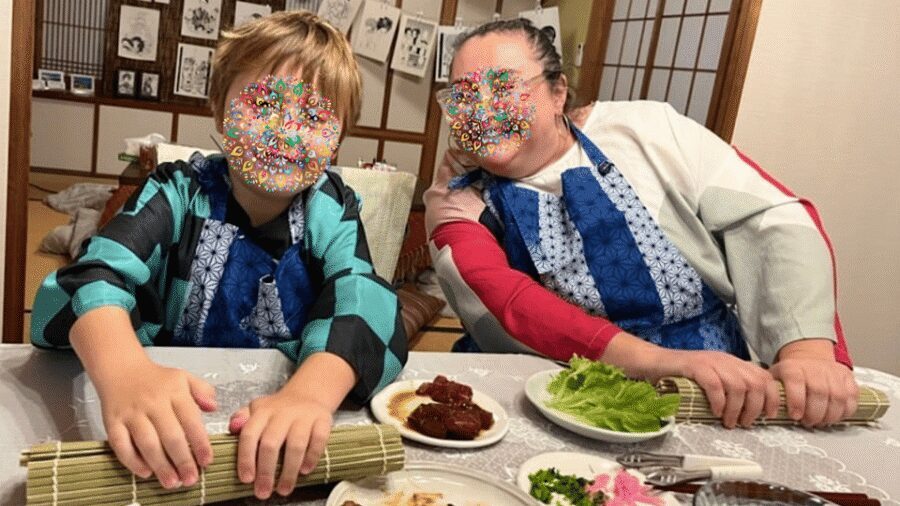
This isn’t just a sushi class. It’s a short, well-paced slice of Japanese everyday life in one place: tea first, then cooking, with an art break that actually feels fun, not forced.
The setting matters. You step into a traditional tatami home setup and settle in for your first hour choice. Then the sliding doors open and the kitchen phase starts, so the day feels like it moves naturally from calm to hands-on energy.
The host experience is also a big part of the value here. Yuka is the kind of teacher who gives clear directions and makes it easy to relax and focus on what you’re doing, whether that’s whisking matcha or folding dough for gyoza.
You can also read our reviews of more cooking classes in Yokohama


Your First Hour on Tatami: Picking Matcha, Manga, or Pure Relaxation
You’ll meet in front of the ticket gate, then head to the home base. The pace is gentle at the start: you get about an hour in a private tea room, where you choose one of three options.
Here’s how it usually feels:
- If you want the food-and-drink side, go for matcha and green tea tasting.
- If you want something different, pick manga-style illustration.
- If you want quiet, choose relaxation time with tea and Japanese sweets.
This choice is more than a gimmick. It helps you “set the mood” before cooking. Tea softens your brain. Drawing gets your hands warmed up in a different way. Relaxation keeps you from arriving already stressed about technique.
Why that choice option is such good design
A lot of food tours cram everything into one track. This one lets you tailor the first hour to your personality. You’ll enjoy it more if you’re honest about what you’d like to do right before your hands start rolling sushi.
And yes, the tatami room ambiance is part of the payoff. It’s a real photo-friendly space, and it makes the whole experience feel personal, not like a classroom.
Matcha & Green Tea Tasting and the Creamy Latte Twist
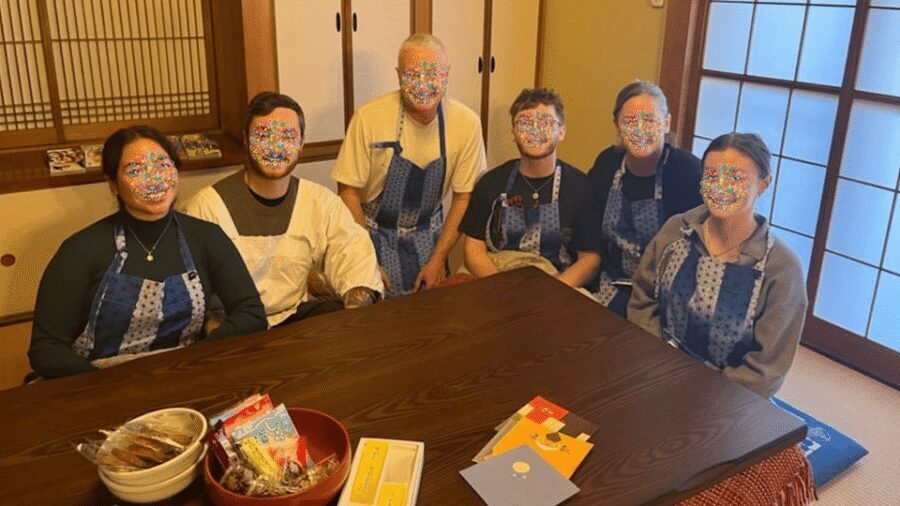
If you choose the Matcha & Green Tea Experience, you’ll learn the basics of preparing and tasting matcha. The goal isn’t just sipping. You’re getting a quick education on what you’re tasting and why Japanese people treat it like more than a trendy beverage.
You also get options. Prefer something milder? You can go with a creamy matcha latte style drink instead of the stronger version. That matters because matcha can be intense if you’re expecting sweet like flavored tea.
The tea pairing includes traditional Japanese sweets during your tea-room time. You’re not just collecting flavors. You’re learning how the sweetness works with the tea bitterness and umami feel.
Practical tip: if you’re sensitive to bitterness, start slower. Taste small sips, then adjust based on how your palate reacts.
Manga-Style Illustration: Drawing Japanese Characters with Yuka
This is the most different part of the day, and it’s also one of the most appreciated. If you choose manga-style illustration, you’ll draw manga characters using authentic tools, with inspiration drawn from Yuka’s own sketches.
What I like about this option is that it’s not random. It gives you a creative break before the cooking. Your hands switch gears from careful drawing motions to real food-making motions, which keeps the experience from feeling like a single long lesson.
If you bring a camera, this is the part where you’ll want to use it. The tea room and drawing setup both give you clear chances for photos that look like you’re in an art studio, not just holding food.
And for anyone worried they’re not “artistic enough”: you don’t need to be good at drawing to have fun. The point is doing it with guidance, in a Japanese home environment, using tools and examples you’d never see on a standard tourist route.





Sliding Doors to the Kitchen: How Sushi Rolls Get Taught
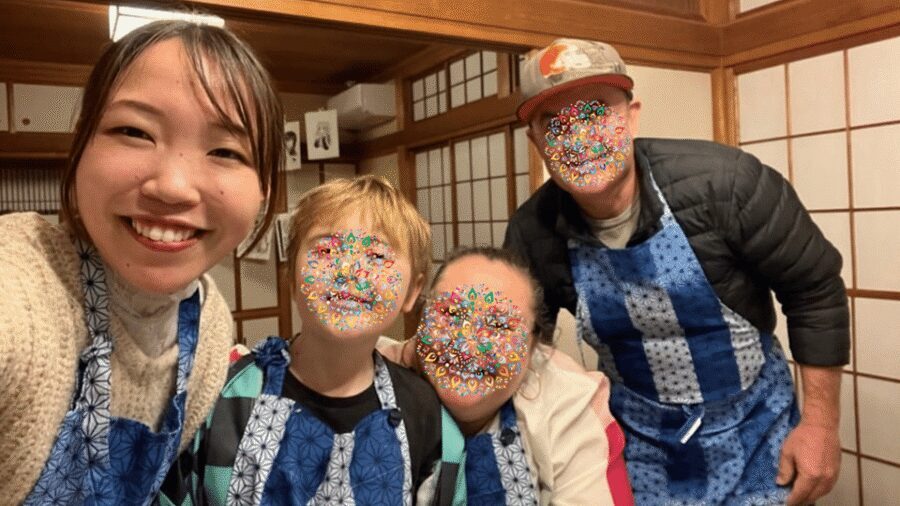
After your tea-room hour, sliding doors open and you move into the kitchen space. This part is hands-on from the first moment, with your local host guiding you through the process.
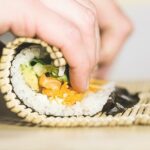
You’ll make sushi rolls (maki) using fresh seasonal ingredients. The key word here is seasonal. It means you’re not copying some generic recipe that could be anywhere. You’ll taste what the ingredients are like now, in Yokohama, at that time.
Expect guidance in stages:
- Getting your ingredients ready (and learning what goes together)
- Rolling and shaping your sushi so it holds
- Adjusting based on how your roll comes out
If you’re the type who learns best by doing, you’ll like this. You’re not stuck watching someone make sushi while you take notes. You make it, you adjust, and you eat it.
Practical tip: keep your pace steady. Rolling doesn’t benefit from rushing. If your roll feels messy, slow down and focus on the basics your host shows you.
Handmade Gyoza: Folding and Cooking Dumplings Like a Local
Then comes gyoza. Handmade gyoza is a big deal here because you’re learning how to fold dumplings and then cook them.
This isn’t one of those “we assemble the final product for you” situations. The point is the folding technique. When you learn the fold, you understand why gyoza feels different from other dumplings—more textured, more classic, and more satisfying when you eat your own work.
In particular, the folding step turns the cooking into a skill you’ll remember. Even if your first few folds aren’t perfect, you’ll get the idea and make something you can be proud of.
If you like crunchy bottoms, pay attention to the cooking instructions your host gives you. Gyoza is often about heat control, and you’ll learn what to look for as you cook.
One more reason people talk about this part: the gyoza is consistently described as the best part of the meal. That lines up with the fact that gyoza rewards effort. When you work with your hands and learn the fold, you end up with something that tastes like you did real work.
What You’ll Eat (and Drink) After Cooking
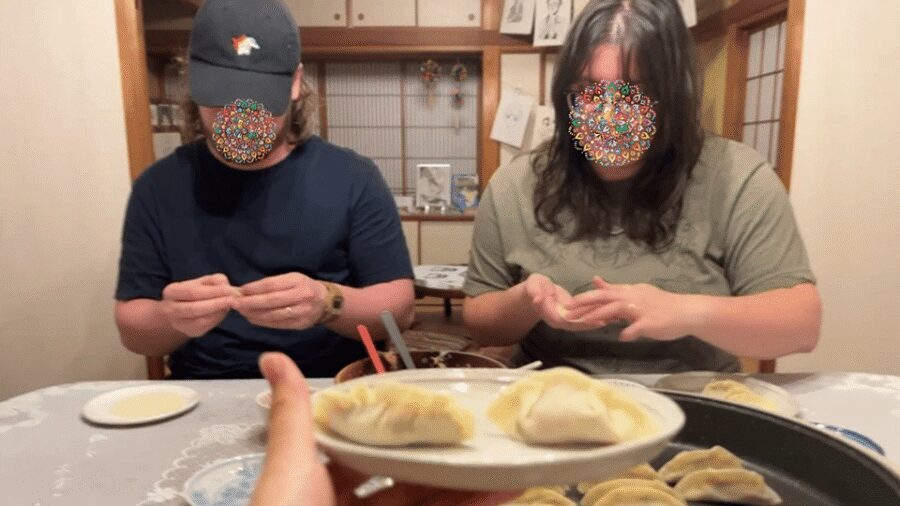
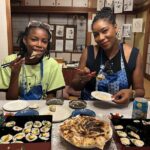
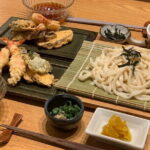
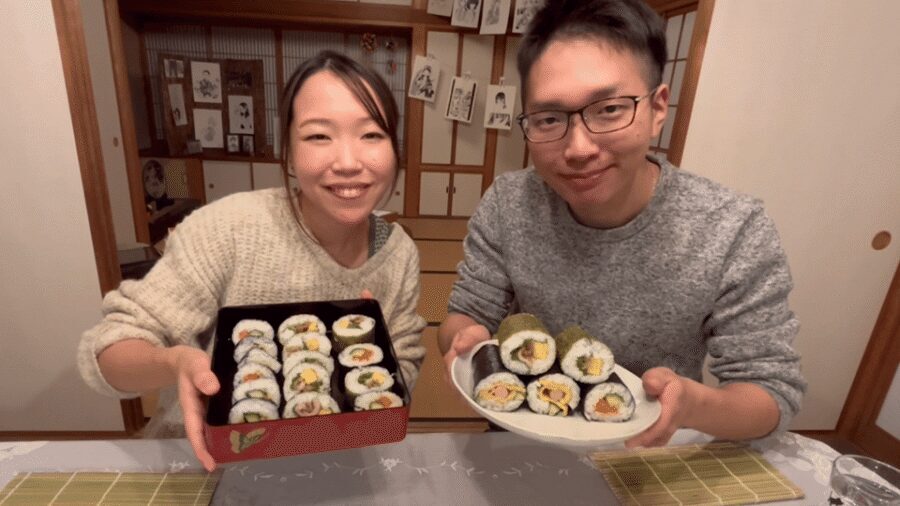
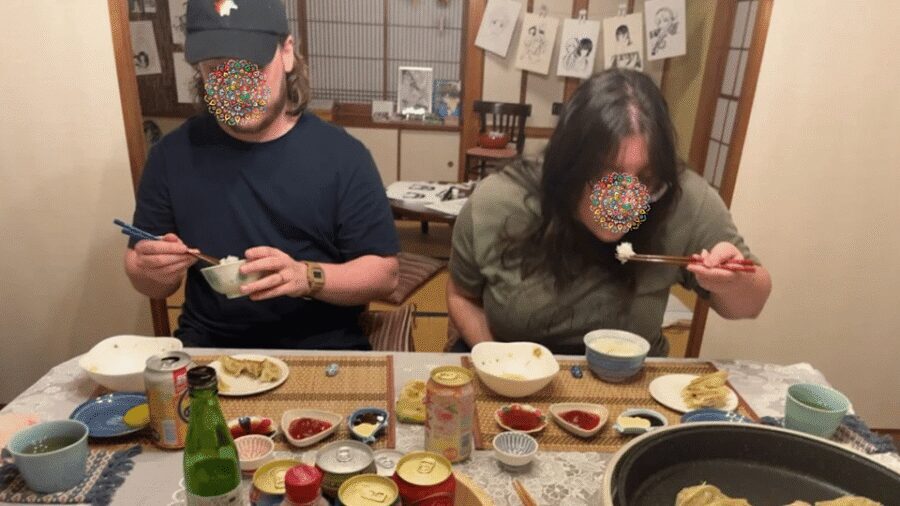
Your creations are your meal. You’ll enjoy the sushi rolls and gyoza that you make, and the experience includes beverages.
The menu of drinks can include alcoholic options, depending on what you choose. That’s a nice touch because it makes the meal feel more like a shared dining moment and less like a training session with a soft finish.
Tea also stays in the background of the whole experience. You start with matcha or green tea and traditional sweets, so your palate stays anchored in Japanese flavors while you move into sushi and dumplings.
Photo moment tip: take a few pictures before you start eating. Once you’re hungry, the camera comes second.
And one heads-up: food and drinks are not allowed during the activity. That doesn’t mean you go without—your meal and beverages are included—but you shouldn’t plan on bringing snacks to nibble while you cook.
Price and Value: Is $81 Worth It?
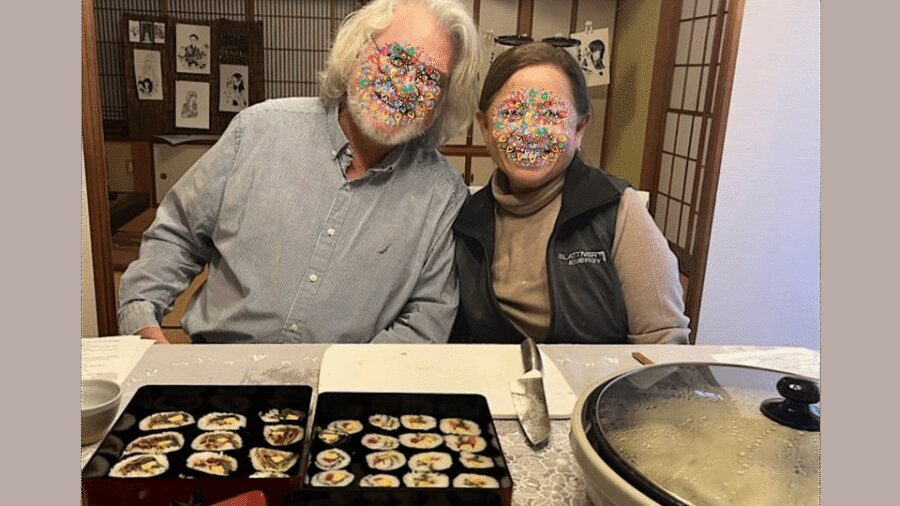
At $81 per person, you’re paying for more than recipes. You’re paying for:
- A private tea-room hour with tea and traditional Japanese sweets
- Full hands-on instruction for sushi rolls and handmade gyoza
- All materials and ingredients
- Your meal and beverages, including alcohol options
- Cultural guidance from a local host
- Photo-friendly time in the tea room and kitchen setting
If you compare it to just buying a sushi dinner in Yokohama, the difference is instruction and cultural context. You’ll leave with skills—rolling sushi and folding gyoza—which is hard to put a price on if you enjoy cooking at home afterward.
Also, the matcha and manga choices add value. You’re not paying for one single cooking segment. You’re paying for a two-part cultural experience that makes the cooking feel like it belongs in a Japanese home, not a demo kitchen.
The value is best if you like interactive activities and don’t mind doing two cooking tasks in one sitting.
Who This Experience Fits Best (and who should skip it)
This is a strong fit for:
- Couples who want a date that isn’t the same old sushi-and-walk plan
- Solo travelers who like structured, friendly instruction
- Food lovers who want real technique and a meal you helped create
- Anyone curious about matcha and also interested in manga culture
It may not fit if:
- You’re traveling with mobility needs, because it’s not suitable for wheelchair users
- You have food allergies, since you’re working with provided ingredients and the activity isn’t described as allergy-adaptable
If you’re simply picky about trying foods, be realistic. This experience is built around seasonal ingredients for sushi and specific dumpling ingredients for gyoza. You’ll have a better time if you’re open to eating what you cook.
Booking Advice: When You Should Say Yes
If you want a Yokohama experience that feels personal—tea-room first, cooking second, and creative manga time as a bonus—this is a great match. The host, Yuka, seems to be the glue that holds it together: clear meeting guidance, excellent English, and teaching that makes the process feel approachable.
Book it if:
- You want a hands-on class where you make both sushi and gyoza
- You like cultural choices (matcha tasting or manga drawing) before you cook
- You care about photo moments in a real tatami home setting
Skip it if:
- You need wheelchair accessibility
- You have food allergies and can’t confirm ingredient safety
- You want something purely food-focused without the tea-room and art components
FAQ
What is included in the experience?
You get 1 hour in a private tea room with tea and traditional Japanese sweets, plus a hands-on cooking class where you make sushi rolls and handmade gyoza. All materials and ingredients are provided, and you’ll enjoy your meal and beverages, including alcoholic options.
How long is the activity?
The experience includes 1 hour in the private tea room. After that, the cooking part takes place in the kitchen, with sliding doors opening to begin your sushi and gyoza preparation.
Do I need to speak Japanese?
No. The experience is listed as available in English.
What should I bring?
Bring a camera and wear comfortable clothes suitable for sitting and cooking activities.
Is it okay if I have food allergies?
It is not suitable for people with food allergies, so you should avoid booking if allergies apply to you.
Is this wheelchair accessible?
No. It is not suitable for wheelchair users.
Where do we meet, and where does it end?
You meet in front of the ticket gate. The activity ends back at the meeting point.