REVIEW · TOKYO
Private Japanese Sample Food Making and Asakusa History Tour
Book on Viator →Operated by Japan Awaits · Bookable on Viator
Fake food gets a real-life recipe here. This private small-group tour pairs a hands-on sample food workshop with a practical look at why Japan’s “sampuru” displays matter, and I love that you leave with your own take-home model made in class. One heads-up: the process uses wax, so if you wear nail art or nail polish, it may get smudged or removed.
After the workshop, you’ll walk through Kappabashi Street (Kitchen Town) and spot how culinary tools and sample food tech go together. The last stretch is time at Senso-ji Temple and the shopping street nearby, so you get both craft and classic Asakusa atmosphere in one loop. Also, this experience does not include meals, so plan to eat before or after.
In This Review
- Key highlights worth your attention
- Japanese sample food in Asakusa: what you’re actually signing up for
- Making your own sampuru workshop: wax, technique, and a souvenir you’ll keep
- Kappabashi Street Kitchen Town: where culinary gadgets meet fake-food artistry
- Senso-ji Temple and Nakamise Dori: classic Asakusa, guided and timed
- Price and value: why $172.66 can make sense for a hands-on 3 hours
- Logistics that actually matter: timing, weather, and what to wear
- Who this tour fits best (and who might want a different plan)
- Optional add-ons if you want to stretch the day
- Should you book this Japanese sample food and Asakusa tour?
- FAQ
- FAQ
- What’s the duration of the Private Japanese Sample Food Making and Asakusa History Tour?
- What time does the tour start, and when should I meet?
- Where is the meeting point?
- Where does the tour end?
- Is the tour suitable for children?
- How large is the group?
- What exactly do we make in the workshop, and can we take it home?
- Is Senso-ji Temple admission included?
- Are meals or drinks included?
- What days does it operate?
Key highlights worth your attention
- Make a tempura-style sampuru in a hands-on workshop and take it home as a souvenir
- Small group format (capped at 15) with an English-speaking guide and translator support
- Kappabashi Street Kitchen Town walk focused on culinary tools and fake-food spotting
- Senso-ji Temple stop with admission included plus photo-friendly temple and street time
- Guides like Hitomi or Mami bring clear, friendly explanations that make the craft click
Japanese sample food in Asakusa: what you’re actually signing up for
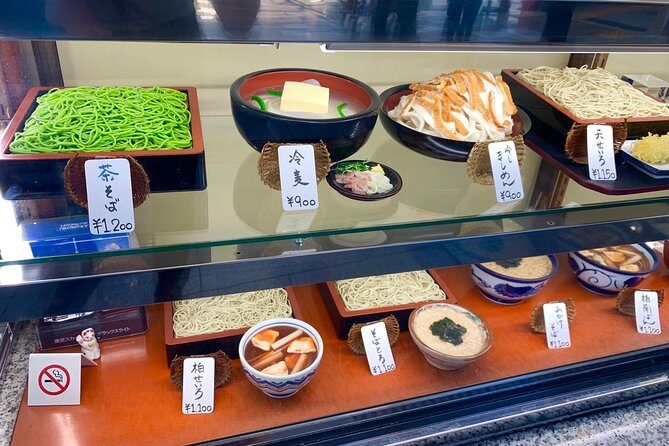
Japanese sample food is the kind of detail you usually notice without thinking—until you’re sitting down and making it yourself. Sampuru models look so convincing from street level that you may find yourself guessing what’s real when you pass a restaurant window. This tour turns that “wow” moment into something you can explain: how the food is shaped, how the surface is finished, and why these displays became part of everyday dining culture.
You’re not just watching. You’ll do the craft step-by-step, under an English-speaking guide and translator, in a small group setting capped at 15. That matters because sample food making is delicate. You’ll get more help than you would in a bigger group, and you’ll have time to ask what you’re seeing.
You can also read our reviews of more food & drink experiences in Tokyo

Making your own sampuru workshop: wax, technique, and a souvenir you’ll keep
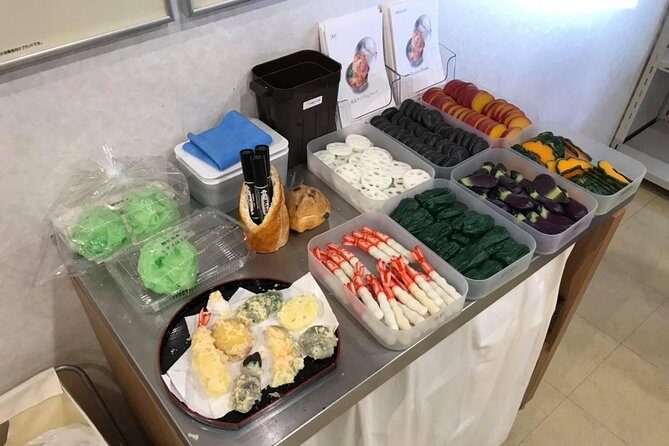
The heart of the tour is the hands-on Japanese sample food making workshop. You’ll learn the basic technique behind these intricate displays before you start creating your own piece. The workshop focuses on making tempura-style sampuru foods, and it’s designed so you can participate even if it’s your first time with wax and shaping tools.
What I like about the workshop setup is how it’s framed. Instead of treating fake food as a novelty, the guide connects it to the real-world job it does: attracting customers, showing portion ideas, and keeping ordering simple when menus are in Japanese. You also get context on why the craft is so time-consuming and detail-driven—there’s a lot of work hidden behind those shiny highlights you see outside restaurants.
Practical tip: if you have nail art or polish, consider skipping it before your tour day. The tour specifically recommends you avoid it because wax may remove it during the process. Wear clothes you don’t mind getting a little messy, even if the staff keeps everything controlled and tidy.
At the end, you’ll take home the sample sampuru you made. That turns the experience into more than photos. You’ll have something tangible to remember the technique by—even when you’re back home and your brain starts trying to “spot the real food” again at restaurant windows.
Kappabashi Street Kitchen Town: where culinary gadgets meet fake-food artistry
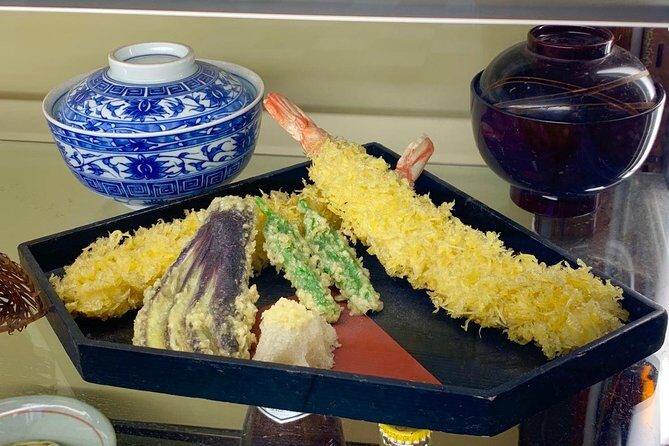
After the workshop, you head to Kappabashi Street, also called Kitchen Town. This area is famous for shops packed with cooking tools and kitchen supplies. It’s the perfect place to connect what you made to what you see around you: the sample food world isn’t random. It sits inside a city culture that treats cooking, presentation, and tools seriously.
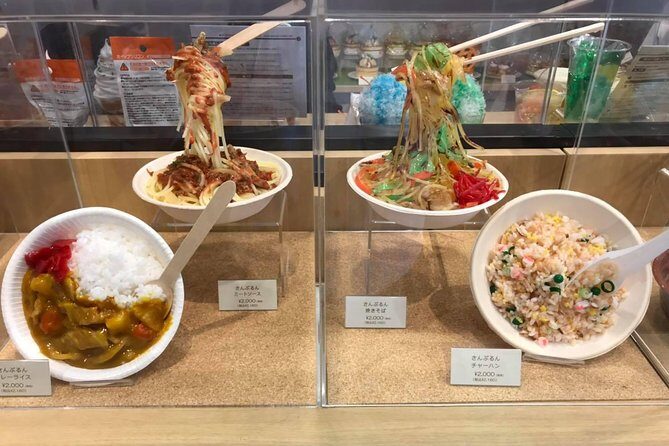
As you walk, you’ll spot more kinds of sample food models than you’d ever notice on your own. The guide helps you understand what you’re looking at, and you get photo opportunities along the way. This isn’t just wandering for the sake of wandering. The tour’s walking pace is tied to explanations about the craft and its history, so your eyes learn patterns fast.
One small drawback to keep in mind: shopping streets can get busy with pedestrians. The tour is capped at 15 and is a small group experience, which helps, but you’ll still be moving through a popular area. If you’re sensitive to crowds, plan to go a bit slower with your camera and let the guide set the rhythm.
Senso-ji Temple and Nakamise Dori: classic Asakusa, guided and timed
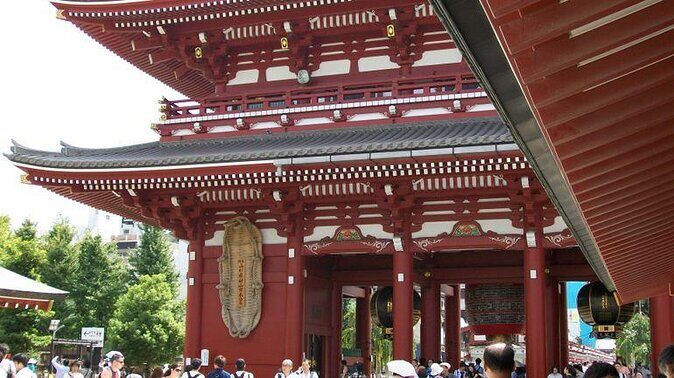
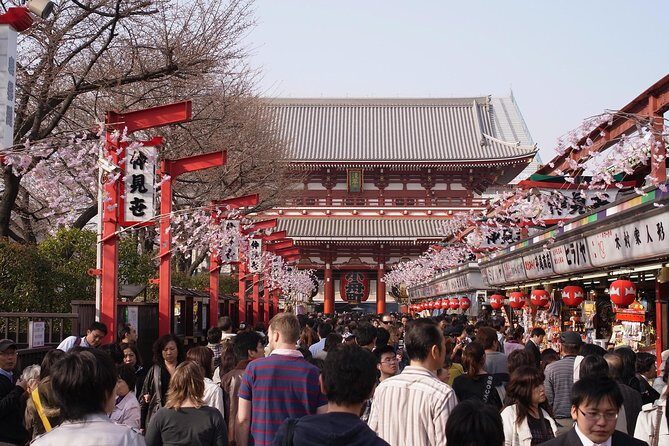
The tour finishes with a visit to Senso-ji Temple (also known as Asakusa Kannon Temple). This is Tokyo’s oldest and most popular temple, and you spend about 30 minutes there with an admission ticket included. That time window is useful: you get to experience the atmosphere and take photos without getting stuck in long waits.
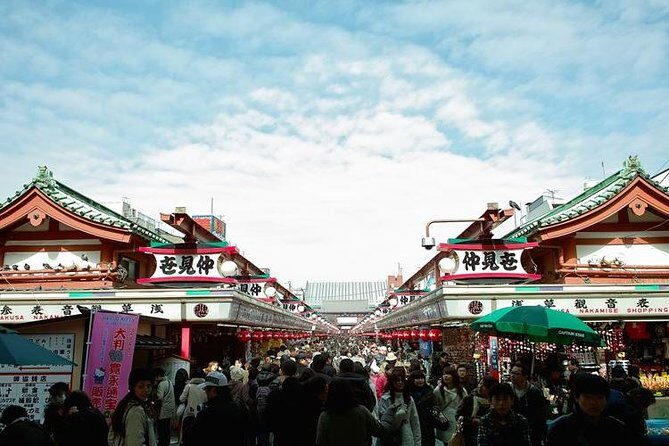
From the temple area, you’ll walk the nearby shopping street that connects the main gate toward the main hall. This stretch is where Asakusa turns into “walking postcard mode.” Even if you don’t buy much, the street is great for people-watching and snack browsing. Your guide’s job here is to point out what you should pay attention to, so you’re not just moving through crowds with your phone out.
This part also helps the tour feel cohesive. The workshop teaches you the craft behind fake food; Senso-ji and the shopping street show you where that fake-food culture lives in the real tourist and dining landscape. It’s Japan at two speeds: sacred traditions up close, and everyday presentation tricks right next to them.
Price and value: why $172.66 can make sense for a hands-on 3 hours
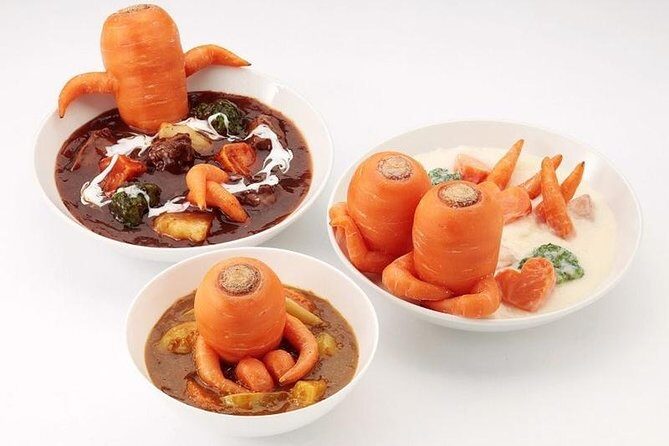
At about $172.66 per person for roughly 3 hours, this isn’t an ultra-budget activity. But the value is tied to three things you don’t get in a simple walking tour: you get a hands-on workshop, you get a take-home sampuru, and you get an English-speaking guide plus translator support.
A workshop with take-home craftsmanship usually costs more than a standard city walk. Here, the price also bundles three different “modes” of the day:
- craft instruction in sample food making
- a guided walk through Kappabashi Street (Kitchen Town)
- guided time at Senso-ji Temple with admission included
That combo is what you’re paying for. If your goal is purely to see Senso-ji, you can do it on your own. If you want to understand how Japanese restaurant displays became such a detailed art form—and create a souvenir that proves you learned it—this price starts to feel fair.
One more detail: you also get a mobile ticket, and the tour mentions group discounts. Those two points can make a noticeable difference if you’re planning for more than one person.
A few more Tokyo tours and experiences worth a look

Logistics that actually matter: timing, weather, and what to wear
You’ll meet near public transportation at APA Hotel Asakusa Tawaramachi Station Mae. The tour starts at 10:00 am, with meeting time listed as 9:45 am, and it ends back at the meeting point.
The schedule is also specific: the tour runs Tuesdays, Thursdays, and Sundays from 10:00 AM to 12 PM (with some holidays excluded). That makes it an easy fit if you’re already in Tokyo on one of those days, but it’s not something you can count on every day of your trip.
Weather: the tour runs in all weather conditions except typhoons or extreme situations. You should dress for rain and hot days, and expect that the route might shift slightly if conditions change.
If you’re coming with kids, the tour is marked suitable for ages 7 and up. Children from 7 to 14 must be accompanied by a guardian age 20 or older at all times, so plan the adult supervision carefully.
Finally, because the workshop involves hands and wax, bring the right mindset: this is craft time, not just sightseeing time. You’ll want to be comfortable with hands-on work.
Who this tour fits best (and who might want a different plan)
I think this tour is a strong match for:
- families with kids 7+ who like doing things, not just watching
- food lovers who notice details (and love the idea of fake food with real craft behind it)
- anyone who enjoys Tokyo’s “small stories”—how everyday systems get built into culture
It may be less ideal if:
- you don’t want hands-on wax work (especially if you’re unwilling to risk nail polish or nail art)
- you expect meals to be included (the tour does not include food or drinks)
- you want a long temple experience; Senso-ji is about 30 minutes here, not hours
Also, the small-group cap of 15 helps. You’re not stuck in a huge crowd where the guide can’t help much.
Optional add-ons if you want to stretch the day
At checkout, there’s an option for extra time around Tokyo, described as 4-hour or 6-hour add-ons. The description says optional activity costs for guests and the tour guide aren’t included, and it notes public transportation is part of the add-on.
There’s also an add-on lunch option at the oldest tempura restaurant in Japan. If your “food workshop” mood continues after the tour, this could be a smart way to build a bigger food-focused day without changing your whole plan.
Should you book this Japanese sample food and Asakusa tour?
Book it if you want a Tokyo experience that’s more than photos. This is one of those rare tours where you learn the craft behind something you already recognize from restaurant windows, then you make your own version and carry it home.
Skip it or choose a different option if you’re only interested in the temple and street sightseeing. The workshop and Kappabashi walk are the point. Also, if you’re counting on food being included, budget time and money for a meal since meals and drinks are not part of the tour.
One final check before you book: plan for the strict “can’t change” nature of the cancellation policy. The tour also states the guide waits up to 30 minutes after the scheduled start time, so aim to arrive on time.
FAQ
FAQ
What’s the duration of the Private Japanese Sample Food Making and Asakusa History Tour?
It runs for about 3 hours.
What time does the tour start, and when should I meet?
The tour starts at 10:00 am, and the meeting time is 9:45 am.
Where is the meeting point?
The meeting point is APA Hotel Asakusa Tawaramachi Station Mae, 1-chōme-2-3 Nishiasakusa, Taito City, Tokyo 111-0035, Japan.
Where does the tour end?
The tour ends back at the meeting point.
Is the tour suitable for children?
Yes, it’s suitable for ages 7 and up. Children ages 7 to 14 must be accompanied by a guardian age 20 or older at all times.
How large is the group?
This is a small group tour capped at 15.
What exactly do we make in the workshop, and can we take it home?
You’ll do a hands-on workshop making tempura sampuru foods, and you’ll take home the sample sampuru you make in class.
Is Senso-ji Temple admission included?
Yes. The Senso-ji Temple stop includes an admission ticket.
Are meals or drinks included?
No. Meals, food, and drinks are not included.
What days does it operate?
It operates on Tuesdays, Thursdays, and Sundays (10:00 AM to 12 PM, except some holidays).