REVIEW · OSAKA
Osaka: Japanese Cooking Class with Matcha Experience
Book on GetYourGuide →Operated by Wa Cafe Kitajima Cooking&Matcha Experience in Osaka · Bookable on GetYourGuide
Osaka gets delicious fast. In this small-group class, you cook a chosen Japanese dish and make matcha with a local chef near Morinomiya. It’s the kind of activity that fits right into a sightseeing day because you’re walking distance from the train.
I like two things most. First, the chef-led teaching is practical and clear, and the instruction feels like it was made for real home cooks. Second, you get genuine choice: home-cooked dishes, okonomiyaki, or bento, so you’re not stuck with a one-size-fits-all menu.
One thing to consider: this experience isn’t suitable for wheelchair users, and it’s also not set up for people with food allergies. If either applies to you, you’ll want to look for a different option before booking.
In This Review
- Key things to know before you go
- A Two-Hour Cooking Class That Fits Osaka Sightseeing
- Choosing Your Dish: Home-Cooked, Okonomiyaki, or Bento
- Matcha Making: The Part You’ll Actually Remember
- Real Teaching Support From the Chef (and Ikuko)
- What the Two Hours Feel Like: From Ingredients to a Finished Dish
- Price and Value: Is $64 Worth Two Hours?
- Who Should Book This (and Who Should Skip It)
- Simple Tips to Make the Class Smoother
- Should You Book This Osaka Cooking Class?
- FAQ
- Is the cooking class only for experienced cooks?
- How long is the Osaka cooking class?
- What dishes can I choose from?
- Does the class include matcha making?
- What’s included in the price?
- What do I need to bring?
- Is the class accessible for wheelchair users?
- Is it suitable for people with food allergies?
Key things to know before you go
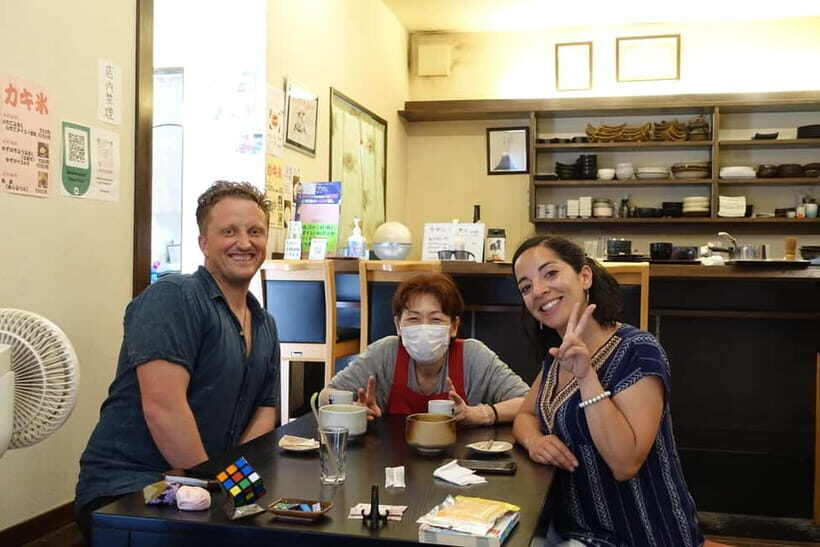
- Cook together in a small group (limited to 10 people) so the teaching stays hands-on
- Pick your style of Osaka comfort food: okonomiyaki, bento, or home-cooked dishes
- Make matcha as part of the class, not just tasting it
- English and Japanese support from the host/greeter
- Extra help from an Osaka mom if you’re new to cooking
- A praised teacher experience, including warm, encouraging instruction from Ikuko
A Two-Hour Cooking Class That Fits Osaka Sightseeing
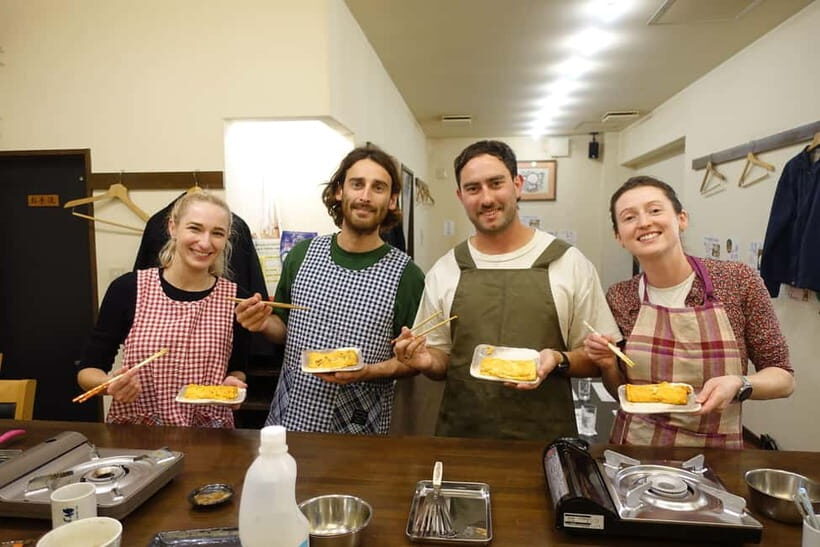
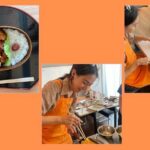
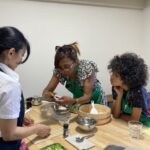
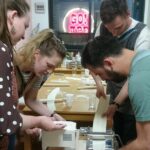
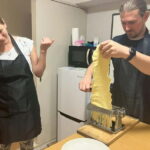
Osaka food is loud, casual, and comfort-first. This class keeps the same spirit, but with a calmer pace: two hours, a small group, and you actually doing the work. You’re not just watching a demo. You’re cooking, tasting, and learning what matters—how Japanese cooking techniques feel in your hands.
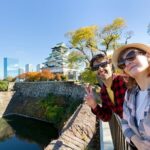
The location makes it easy. You’ll walk about 7 minutes from Morinomiya Station, and Morinomiya is just one JR stop away from Osaka Castle Station. That means you can tack this onto a castle morning, or do it before heading to the shopping and nightlife areas around Shinsaibashi and Namba. If you like keeping your days tight and efficient, this is built for that.
Group size also matters here. With a limit of 10 participants, you’re less likely to feel lost, and more likely to get help when you need it—especially if it’s your first time cooking Japanese food.
You can also read our reviews of more cooking classes in Osaka
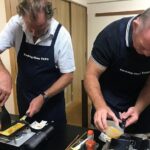
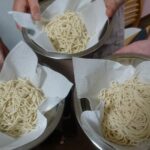
Choosing Your Dish: Home-Cooked, Okonomiyaki, or Bento
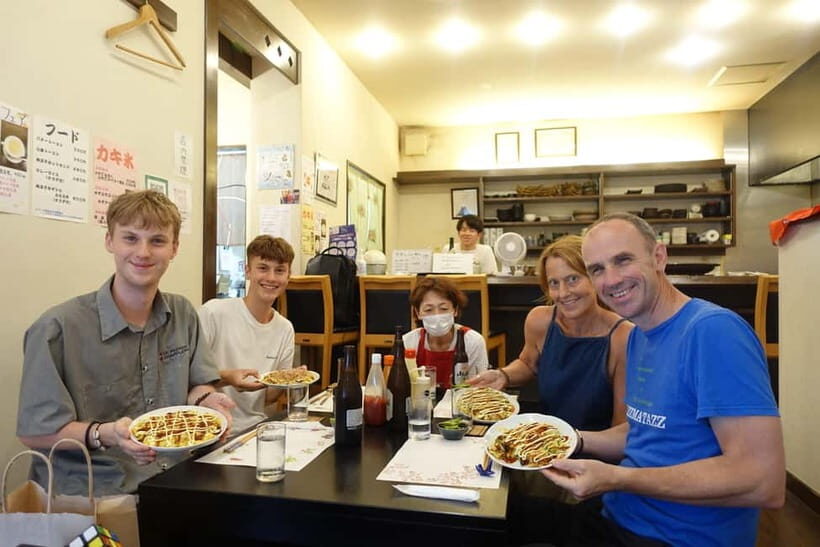
The best part is the menu choice. You pick one dish from three options:
- Home-cooked dishes
- Okonomiyaki
- Bento
That choice isn’t just a nice perk. It changes what you’ll take home at the end of the class. If you want something you can remake with simple ingredients, home-cooked dishes are usually the best path. If you want Osaka energy and a dish people instantly recognize, okonomiyaki is the obvious crowd-pleaser. And if you’re thinking practically—lunch planning, portioning, and assembling—bento is the option that trains a very “real life” skill.
Okonomiyaki also tends to be a great fit for families and groups because it’s interactive and a little playful in how you build and cook it. Bento, on the other hand, often scratches the itch for structure: you end up with a clear end result you can pack or serve right away.
No matter what you choose, you’ll cook together and create a shared moment with family, friends, or a loved one. The small group format helps because there’s time to chat, and you’re working toward the same finished dish.
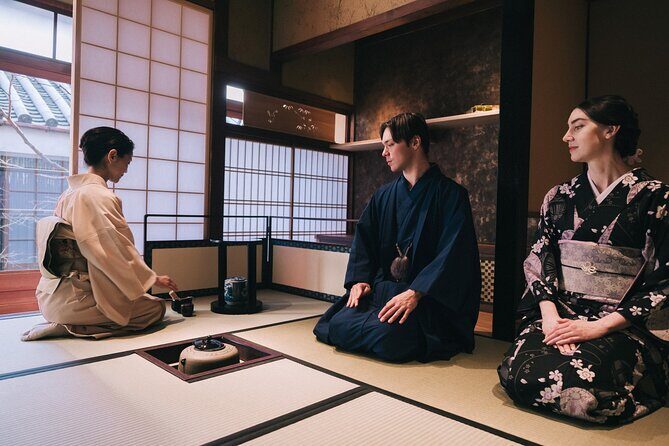
Matcha Making: The Part You’ll Actually Remember
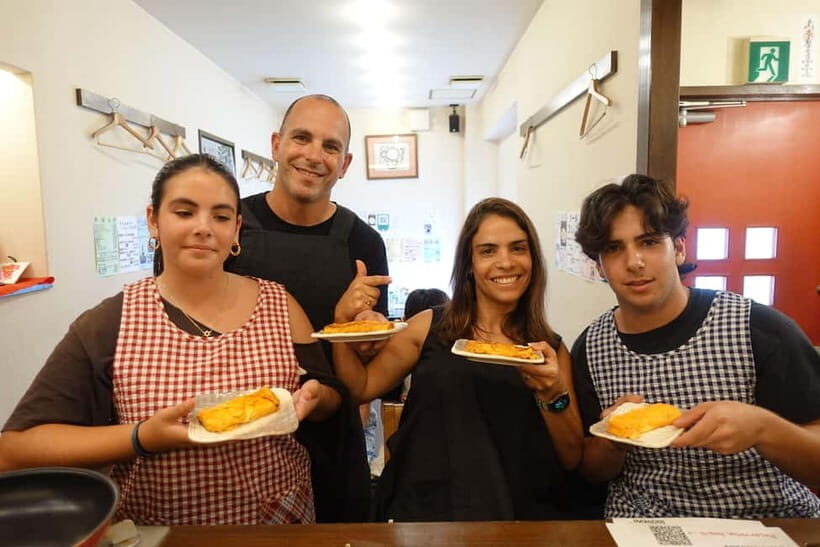
Matcha is one of those things that can feel mysterious until you see the steps. Here, matcha making is included, so you’re not just ordering something green and hoping for the best.
What I like about adding matcha to the class is that it broadens your lesson beyond food prep. You learn a taste-and-process skill: how matcha fits into the rhythm of Japanese meals, and what makes it different from other teas. It also gives you a “takeaway experience,” because matcha is personal—you can talk about flavor, texture, and how you like it.
If you’ve ever felt like matcha is something you only encounter in cafés, this is a way to understand it as a craft. And because it happens during the same two-hour cooking block, it doesn’t feel like a random add-on. It feels like part of the meal.
Real Teaching Support From the Chef (and Ikuko)
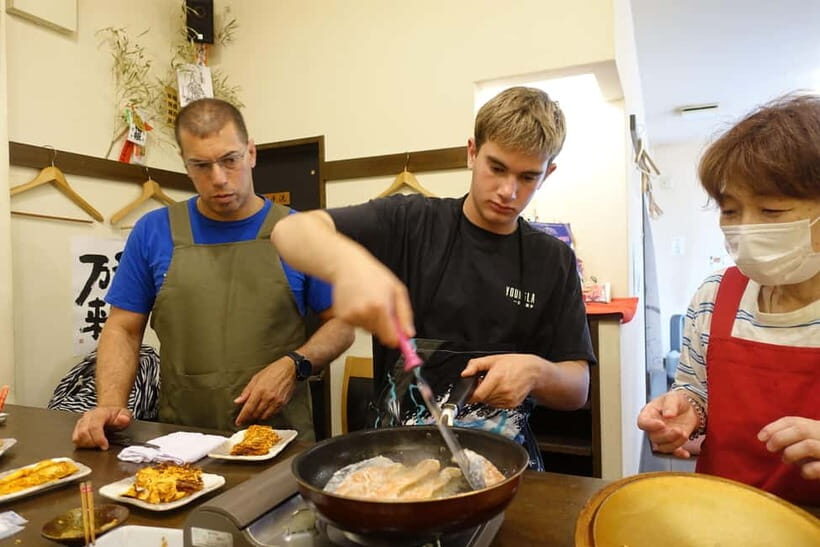
A cooking class can be great—or frustrating—depending on the teacher. This one has strong signals that instruction is the point.
The guidance is led by a local chef, and the host/greeter supports in both English and Japanese. That matters because Japanese cooking often has small technique details—timing, heat control, texture targets—that are hard to guess from watching only.
One name that comes up in the experience is Ikuko. In the feedback, guests describe her as friendly, enthusiastic, and genuinely happy to teach. That kind of energy isn’t fluff. It changes the whole tone of the class. When the teacher explains clearly and keeps things light, you’re more likely to relax, try, and learn instead of freezing up.
There’s also support from an Osaka mom for people unfamiliar with cooking. In practice, that means you’re less likely to feel like you’re behind. If you’re traveling with friends who don’t cook much, or you’re the only one in the group who’s nervous in the kitchen, that extra layer of help is a big deal.
What the Two Hours Feel Like: From Ingredients to a Finished Dish
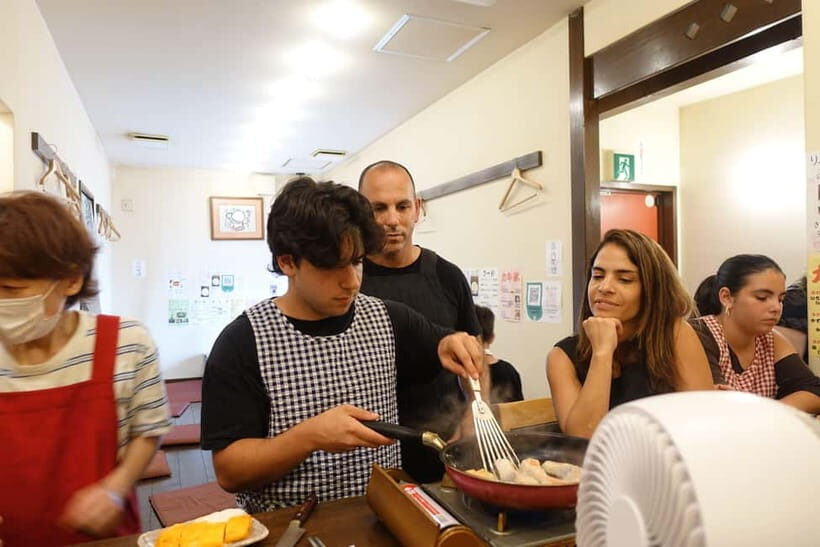
You’re at the cooking station from start to finish, and the class is designed around one core idea: you leave having made something, not just having watched it happen.
Here’s the flow you can expect, based on how the experience is set up:
First, you start with your chosen dish. All ingredients for that selected dish are provided, so you’re not juggling shopping lists. That’s ideal on a trip, when every bag you carry already feels like too much. It also helps the class move smoothly, because the chef knows exactly what you’ll be using.
Then you cook together. The teaching focuses on techniques you can actually repeat. This is especially important for dishes like okonomiyaki, where the texture and timing can make or break the result. It’s also useful for home-cooked dishes and bento, where organization matters—knowing what to do first, how to pace steps, and how to finish cleanly.
While you’re cooking, you’ll also do the matcha component. Think of it as a second skill track running alongside your dish. You’ll make it as part of the class, which makes the tea feel like part of the full Osaka meal experience.
Finally, you end with something concrete: a dish you made with your own hands, plus matcha. That’s why the two-hour length works. It’s long enough to learn, but not so long that you’re exhausted and hungry without a result.
Practical note: the info lists what to bring as comfortable shoes, comfortable clothes, and ingredients. At the same time, it says all ingredients for your selected dish are included. So, do a quick check of your confirmation message. If they truly mean you should bring anything extra, you’ll want to follow that instruction to the letter.
A few more Osaka tours and experiences worth a look
Price and Value: Is $64 Worth Two Hours?
At $64 per person, this class isn’t the cheapest thing you can do in Osaka. But cooking classes also aren’t “just entertainment.” You’re paying for instruction, ingredients, and the matcha-making component, all within a small group.
Here’s why that price can make sense:
- All ingredients are included for the dish you choose
- You get matcha making as part of the experience
- You’re in a small group (up to 10), which often means better attention per person than large classes
- You’re learning techniques you can recreate at home, not just eating something once
The strongest value signal from the feedback is that people felt they could recreate the recipes at home. That’s the real yardstick. If the class teaches you how to reproduce the dish—not just the final look—then the cost starts to feel like education, not a one-time souvenir.
Also, the location reduces “hidden costs.” Since it’s a short walk from Morinomiya Station and easy to reach from Shinsaibashi and Namba, you’re not burning time or money getting there.
If you’re traveling with family or a group of friends, the shared-cooking angle can make it feel even better value, because everyone gets a role and a finished result.
Who Should Book This (and Who Should Skip It)
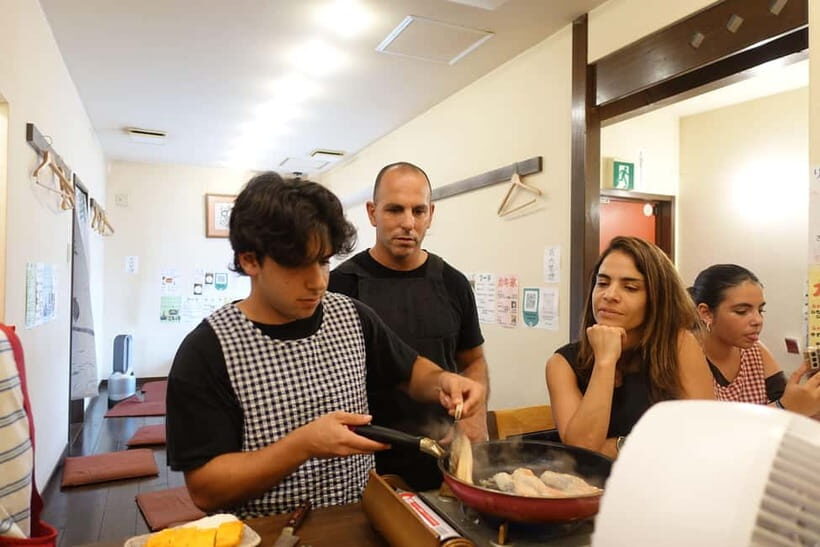
This class is a solid choice if you want a fun, hands-on Osaka experience that doesn’t require advanced cooking skills. The added support from an Osaka mom is especially helpful if you’re new to cooking or traveling with non-cooks.
It’s also a good fit for families. One of the class highlights is that children enjoy the experience, and guests specifically described it as funny, interesting, and enjoyable for kids.
You should think twice if:
- You use a wheelchair (not suitable for wheelchair users)
- You have food allergies (not suitable for people with food allergies)
If you’re allergy-sensitive, don’t assume it can be adjusted. The info is explicit that it’s not set up for allergies, so look for a different class that can handle your needs safely.
If you’re a food traveler who likes practical learning—recipes you can repeat—this is a strong match. If you want a purely guided sightseeing day, this is more hands-on than that. But for food lovers, it’s exactly the kind of activity that turns a trip into real skills.
Simple Tips to Make the Class Smoother
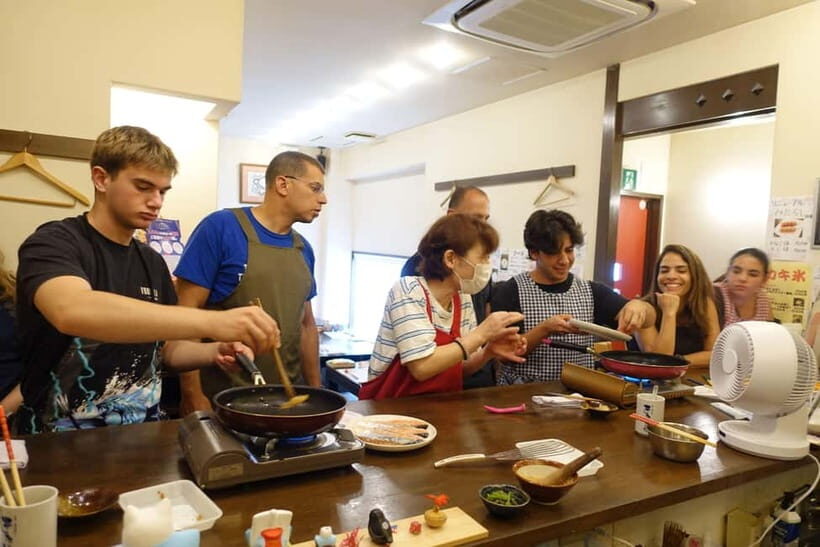
A few small choices will make a big difference once you’re in the kitchen:
- Wear comfortable shoes. You’ll likely be standing and moving around.
- Use comfortable clothes. Cooking often means getting a bit warm and working actively.
- If you have dietary restrictions, let the organizer know in advance. The class asks you to inform them of any food allergies or dietary restrictions.
Also, be ready for a friendly, structured environment. This isn’t meant to feel stiff. The teaching style described in the feedback is enthusiastic and welcoming, which helps especially if you’re cooking alongside friends and family.
For meeting, you’ll look for a sign at the location. It’s simple, but it helps to arrive a bit early so you can find the right spot without stress.
Should You Book This Osaka Cooking Class?
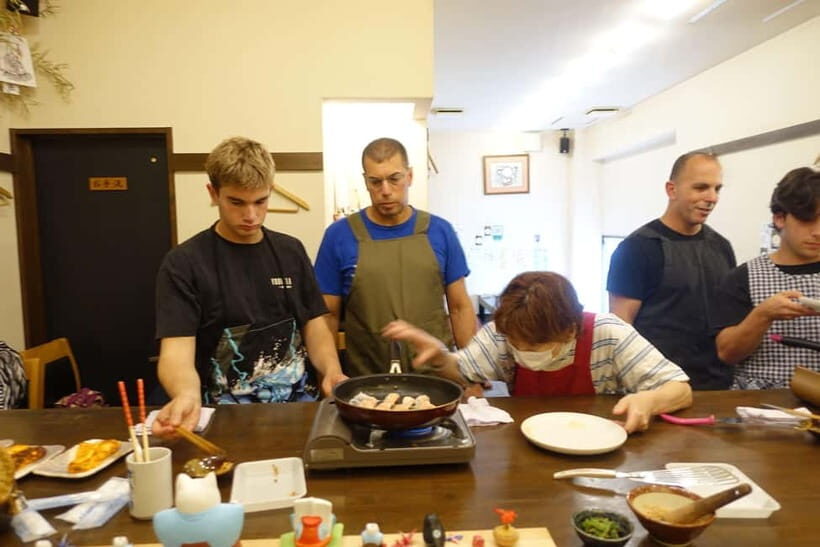
I’d book this if you want an easy-to-fit, two-hour hands-on food experience in Osaka that includes both cooking and matcha making. The strongest reason is the teaching approach: clear instruction, a warm atmosphere, and support for people who aren’t confident in the kitchen—plus the fact that you can choose the dish you want most, from home-cooked favorites to okonomiyaki or bento.
Skip it if you need wheelchair access or if you have food allergies. And if you’re expecting a fully English-only setup with no Japanese support, the class is bilingual, so you’ll have help in English—but it still includes Japanese-speaking support as part of the setup.
If you’re the type of traveler who likes leaving with something useful—recipes you can recreate, not just photos—this class is a very practical way to spend your time in Osaka.
FAQ
Is the cooking class only for experienced cooks?
No. There’s support from an Osaka mom if you’re unfamiliar with cooking, and the class includes chef guidance and help in English and Japanese.
How long is the Osaka cooking class?
The class runs for 2 hours.
What dishes can I choose from?
You can choose one dish option: home-cooked dishes, okonomiyaki, or bento.
Does the class include matcha making?
Yes. Matcha making is included.
What’s included in the price?
The class includes cooking with a local chef, all ingredients for your selected dish, and the matcha making experience.
What do I need to bring?
The guidance lists comfortable shoes and comfortable clothes, and it also mentions ingredients. Since ingredients are listed as included for the selected dish, check your confirmation message for any extra items they ask you to bring.
Is the class accessible for wheelchair users?
No, it’s not suitable for wheelchair users.
Is it suitable for people with food allergies?
No. The experience is not suitable for people with food allergies, and you’re asked to inform the organizers of any food allergies or dietary restrictions in advance.