REVIEW · KYOTO
Arashiyama from Kyoto: Private & Personalized with a Local Guide
Book on Viator →Operated by City Unscripted · Bookable on Viator
Bamboo crowds meet a wiser route. This private, personalized Arashiyama walk in Kyoto mixes famous bamboo with calmer hillside temples and garden time, all with a local guide. You also get to pick a departure time, so you can aim for the part of the day that fits your energy.
I love that this tour quietly solves the two biggest Arashiyama problems: tickets and logistics. You choose 4 temples from the main group, and the day also includes Okochi Sanso Villa and Monkey Park Iwatayama. One catch: it’s a walking tour, and the monkey-park climb can feel serious, especially in crowds.
In This Review
- Key things to know before you go
- Bamboo Grove, but with room to breathe
- Private planning starts with your questionnaire
- What’s included: temples, Okochi Sanso, and Monkey Park Iwatayama
- Your temple ticket mix
- Other admissions that are baked in
- Stop-by-stop: a walking route that actually makes sense
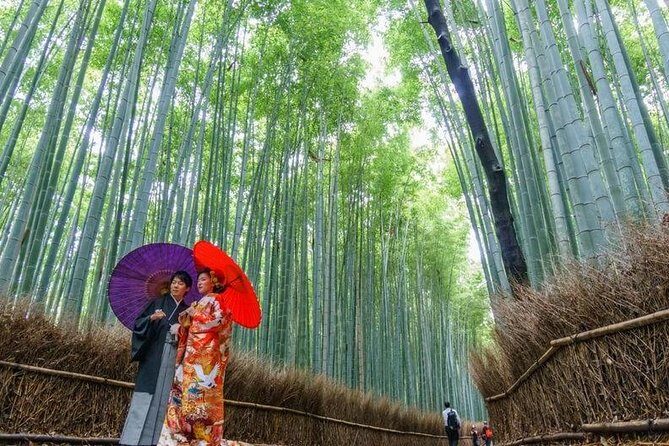
- Bamboo Grove and nearby lanes
- Jojakko-ji: moss, a 12-meter pagoda, and mountain air
- Monkey Park Iwatayama: macaques and a leg workout
- Tenryu-ji: UNESCO Zen temple gardens
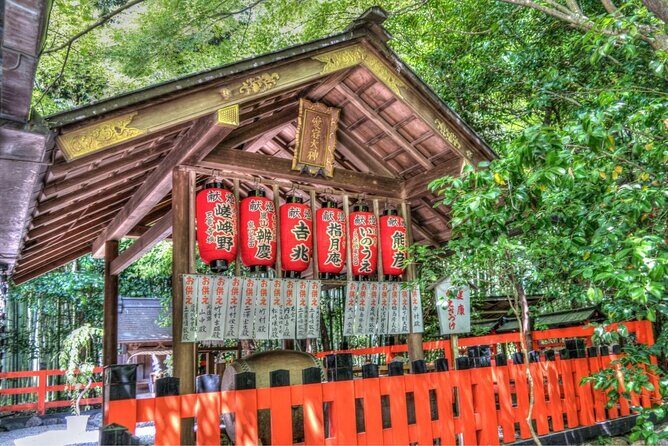
- Otagi Nenbutsu-ji: 1,200 rakan statues with personality
- Daikaku-ji: a former imperial villa with literary threads
- Okochi Sanso Villa: home and garden that feel curated by time
- Gio-ji: the sixth temple option behind the scenes
- Logistics and comfort: walking in Kyoto is not optional
- Price and value: $288 for a ticketed private day
- Who this Arashiyama tour fits best
- Should you book this Arashiyama private guide?
- FAQ
- How long is the Arashiyama tour?
- What temples are included in the tour?
- Can I choose which temples to visit?
- Are tickets to Monkey Park Iwatayama and Okochi Sanso Villa included?
- Is food included?
- Where do we meet, and do we return there?
- Is this tour mostly walking?
- Is free cancellation available?
Key things to know before you go
- Choose 4 of 5 major temples so your day matches your interests
- Monkey Park Iwatayama + hillside views are built in, not tacked on at the end
- Okochi Sanso Villa admission is included, so you’re not hunting tickets
- Your guide designs the pace after a short pre-tour questionnaire
- Rain and crowds are handled with flexibility, not a rigid route
Bamboo Grove, but with room to breathe
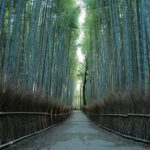
Arashiyama can feel like two places at once. There’s the world-famous bamboo grove, where photo lines form fast. Then there’s the quieter Arashiyama that sits on hillsides—moss gardens, pagodas, and small paths where you actually hear birds instead of elbows.
That’s why this tour works. It’s built around temple-and-nature walking, not just a checklist. You’ll spend time in the bamboo area, but you won’t be stuck staring at the same crowded stretch the whole day. A good guide also helps you read what you’re looking at, from why certain gardens are designed the way they are to how shrines connect to local beliefs.
Also, this is a real nature day. Monkey Park Iwatayama brings you to macaques in their habitat, and the viewpoints from the hill make the climb feel more worth it. If you’re the type who likes a balance of famous Kyoto and off-the-map corners, you should feel right at home.
You can also read our reviews of more guided tours in Kyoto
Private planning starts with your questionnaire
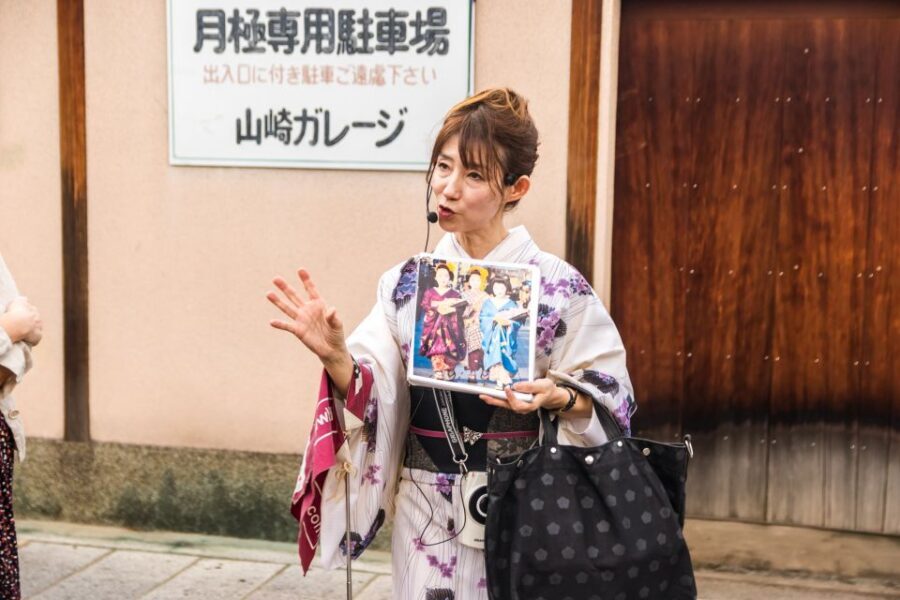
The best part of a private guide is not the guide chat. It’s the planning that happens before you even leave your hotel.
After booking, you get a short questionnaire to share preferences and must-sees. Your guide then reaches out to craft a customized itinerary that fits your style—history, hidden lanes, food priorities, or just a smoother day with fewer stress points. Then during the day, your guide can adjust on the fly.
You can see this flexibility in how guides operate. For example, Alex has a reputation for matching pacing for families with kids, while Ada reportedly reshaped the route when it was pouring rain—skipping the bamboo crowd pressure and steering toward lesser-known shrines and historic spots. Hide has been helpful with mobility needs too, including adjusting for a sprained ankle. In plain terms: you’re paying for the ability to steer, not just to follow.
What’s included: temples, Okochi Sanso, and Monkey Park Iwatayama
This is where the value becomes clear. You’re paying for a private, guided day that includes several paid admissions.
Your temple ticket mix
You can choose tickets for 4 of these 5 major temples:
- Tenryu-ji
- Jojakko-ji
- Gio-ji
- Otagi Nenbutsu-ji
- Daikaku-ji
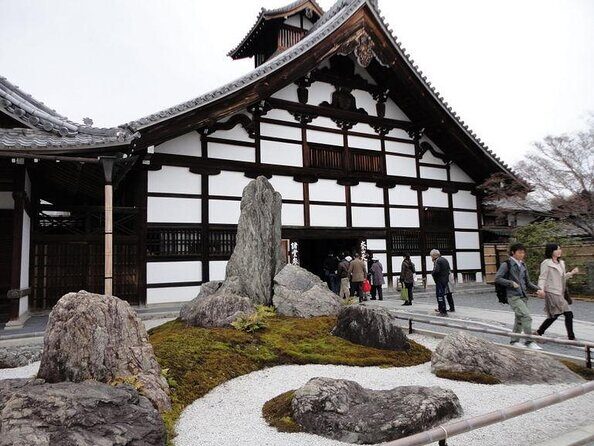
Tenryu-ji is the UNESCO World Heritage site in the bunch, and it’s also one of Kyoto’s five great Zen temples. Jojakko-ji is known for its moss gardens and a 12-meter pagoda with wide views. Otagi Nenbutsu-ji is famous for its whimsical set of rakan statues—1,200 of them, each with its own expression.
Gio-ji and Daikaku-ji round out the temple time. Daikaku-ji also connects to Japanese literary history through Tale of Genji, which your guide can explain while you walk the grounds and pond areas.
Other admissions that are baked in
Two big standouts are included:
- Okochi Sanso Villa, a traditional Japanese home and garden listed as national cultural properties
- Monkey Park Iwatayama, which is where you meet the macaques and get those big Arashiyama views
If you’re the kind of traveler who hates doing ticket math on the fly, this inclusions list makes the day feel smoother. You can spend your brainpower on the experience, not the logistics.
You can also read our reviews of more private tours in Kyoto
Stop-by-stop: a walking route that actually makes sense
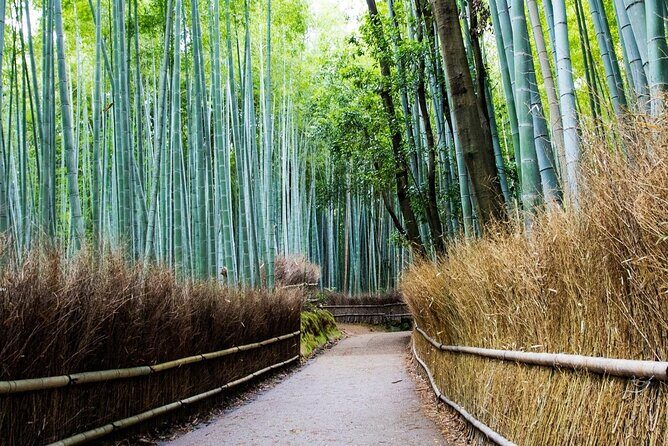
This tour is a true day on foot, moving through Arashiyama’s natural zones and temple pockets. Exact sequencing can shift based on your chosen departure time and guide style, but the core rhythm stays the same.
Bamboo Grove and nearby lanes
You start with the Arashiyama scenery, including the famous bamboo grove. Plan for crowds here. Even if the grove is beautiful, it’s the place where people collect to take the exact same photos.
That’s why I like that the tour doesn’t stop there. A skilled guide helps you see bamboo beyond the postcard shot, and you’ll walk onward to calmer streets and smaller paths where the atmosphere changes fast.
Jojakko-ji: moss, a 12-meter pagoda, and mountain air
Next comes Jojakko-ji, a peaceful temple tucked on the slopes of Ogura Mountain. It’s known for moss gardens and a 12-meter pagoda. The pagoda area gives a panoramic feel over Arashiyama—especially on clearer days.
If you’re sensitive to stairs, keep your expectations honest: you’re on hillside terrain. But the payoff is that the site feels quieter and more reflective than the bamboo crowd zone.
Monkey Park Iwatayama: macaques and a leg workout
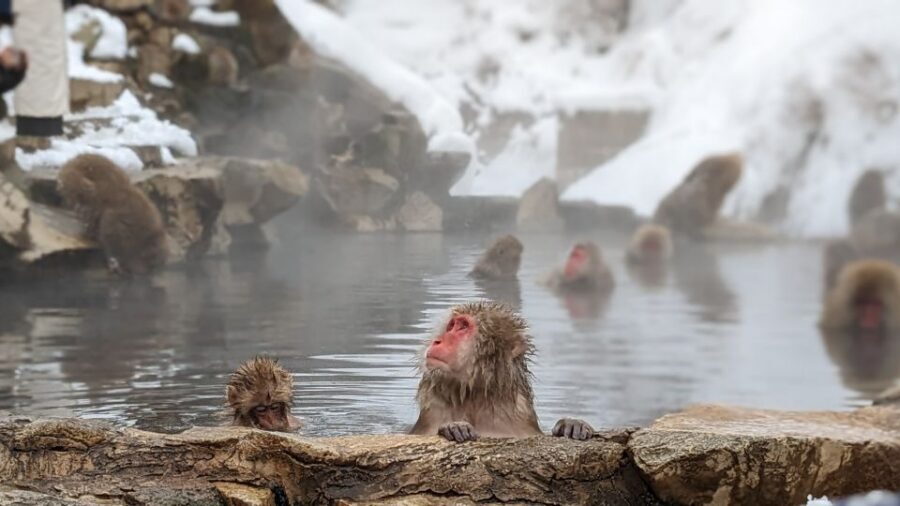
This is the most physically demanding stop on paper. You meet macaques in a hillside park while your host shares tips for respectful wildlife interaction. The views on the climb make the effort feel more reasonable, and the payoff tends to be big for families and teens.
One very practical note from real-world experience: the monkey park walk is steep—so bring shoes you trust. Jose’s group advice was blunt: that hill can feel like you’re climbing a very tall building. If your legs are already tired, your guide can often help you pace it, and some guides are known for that kind of practical assistance.
Tenryu-ji: UNESCO Zen temple gardens
Tenryu-ji is a centerpiece. It’s UNESCO-listed and one of Kyoto’s five great Zen temples. You’ll stroll through the famous garden design and learn the basics of Japanese Buddhism in a way that connects to what you’re seeing.
This is also a good place to slow down. If bamboo is your fast “wow,” Tenryu-ji is your “ah.” You’ll notice how the garden shapes movement—where your eyes go and why quiet matters in Zen spaces.
Otagi Nenbutsu-ji: 1,200 rakan statues with personality
On the outskirts of Arashiyama, Otagi Nenbutsu-ji does something different. Instead of calm and symmetry, it leans into quirky charm.
You’ll see over 1,200 rakan statues, each with its own expression. It’s surprisingly fun—more like walking through a sculpture mood board than a strict museum. Your guide’s job here is to help you notice the small differences, which is where the stop becomes memorable.
Daikaku-ji: a former imperial villa with literary threads
Daikaku-ji is a former imperial villa turned temple. It played a key role in Japan’s cultural history, and your host can connect it to The Tale of Genji, Japan’s first novel—scenes set here.
You’ll also spend time around the serene pond area. This is a calmer finish than the statue-heavy route. It’s a nice way to round out a day that started with bamboo crowds and ended with imagination.
Okochi Sanso Villa: home and garden that feel curated by time
Okochi Sanso Villa is a traditional home and garden experience, included with admission. It’s listed as a national cultural property, which usually means thoughtful preservation and a sense that you’re walking through something meant to last.
Even if you’re not a “garden person,” you’ll probably enjoy it because it’s visually varied: buildings, garden corners, and pond-side atmosphere. Think of it as a bridge between temples and the nature vibe.
Gio-ji: the sixth temple option behind the scenes
You might also include Gio-ji depending on your selected temple ticket mix. The tour includes tickets for Gio-ji as one of the options, so your guide will slot it in if it matches your chosen “4 of 5” selection.
Logistics and comfort: walking in Kyoto is not optional
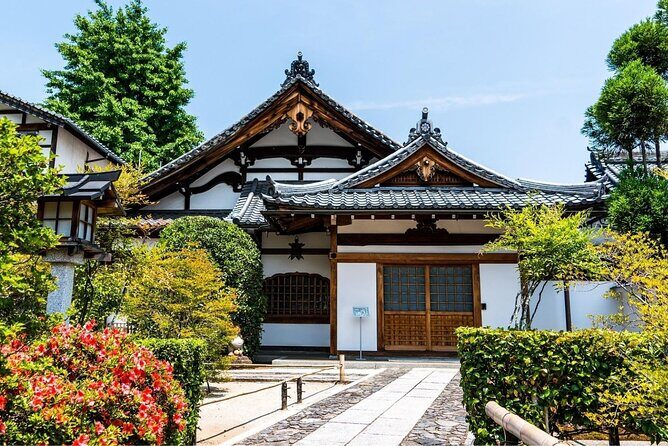
This is primarily a walking experience. There’s no private vehicle waiting to whisk you around, so your comfort depends on how you prepare.
Here’s what I suggest:
- Wear shoes built for uneven pavement and stairs.
- Carry a small water bottle and something light to eat, since food isn’t included.
- If you’re going with kids, build in patience for the monkey park climb and temple pacing.
Pickup is offered, and the meeting point is Mister Donut at JR Kyoto Station (Shop901, Higashishiokōjichō). If pickup isn’t used, you’ll meet there and the tour ends back at the same spot.
Between sites, the guide may use public transportation or local taxis. Exact costs are discussed after the reservation is finalized, so you won’t be surprised mid-day. In practice, this can help you save energy for the hillier moments.
Also: the tour is private, meaning it’s only your group. That matters in Arashiyama, where crowd control is half the battle.
Price and value: $288 for a ticketed private day
At $288.17 per person for a roughly 6-hour tour, this isn’t a bargain-basement add-on. You’re paying for three things:
1) a private local guide for the full block of time
2) admission tickets to four temples (out of five choices)
3) additional included admissions to Okochi Sanso Villa and Monkey Park Iwatayama
If you price those tickets separately and factor in guide time, it starts to make more sense—especially if your family wants flexibility. Reviews also point to guides who adapt when weather hits or when you’re traveling with kids or with mobility limitations. That kind of real adjustment is hard to replicate on a fixed group tour.
The not-so-fun part: you’ll still want your own plan for food and you’ll do real walking. This tour is for people who like their day to have structure and freedom.
Who this Arashiyama tour fits best
This experience is ideal if you:
- want Arashiyama’s nature + temples in one organized walk
- care about having the right admissions handled ahead of time
- like a guide who can adjust for families, rain, or pace needs
- prefer a private format over crowd management
It can also work well for teens. The monkey park and quirky statue stop tend to land well with that age range. If you’re traveling with younger kids, look for a guide who’s good at pacing and choosing the time you linger. Past guide examples include Alex and Mia, both described as friendly and flexible with kids.
If you’re mobility-limited, you’ll want to discuss pacing with your guide once matched. The route includes steep climbs, and the tour is still walking-focused.
Should you book this Arashiyama private guide?
Book it if you want Arashiyama to feel human-sized. You’ll get the famous bamboo, but you’ll also get temple variety, included admissions, and a route that can react to your needs.
Skip it—or choose a different style—if you want a relaxing, low-walking day with zero hills. This is Kyoto walking, and the monkey park hill is a real factor.
If you do book, here are two smart moves:
- pick a departure time that helps you avoid peak crowd pressure in the bamboo area
- tell your guide you care about pace. That questionnaire is your chance to steer the day early
FAQ
How long is the Arashiyama tour?
The experience lasts about 6 hours.
What temples are included in the tour?
You get tickets to 4 of these 5 temples: Tenryu-ji, Jojakko-ji, Gio-ji, Otagi Nenbutsu-ji, and Daikaku-ji.
Can I choose which temples to visit?
Yes. You can select tickets to four of five major temples in the area.
Are tickets to Monkey Park Iwatayama and Okochi Sanso Villa included?
Yes. Admission to both Monkey Park Iwatayama and Okochi Sanso Villa is included.
Is food included?
No. Food and drinks are not included.
Where do we meet, and do we return there?
The tour starts at Mister Donut in the JR Kyoto Station Building area, and it ends back at the same meeting point.
Is this tour mostly walking?
Yes. It’s primarily a walking experience, and public transportation or local taxis may be used between sites at additional cost discussed with your host.
Is free cancellation available?
Yes. Free cancellation is available up to 24 hours in advance for a full refund.