REVIEW · KYOTO
Kyoto: Gion Night Tour Stories of Geisha and Maiko
Book on GetYourGuide →Operated by Localized Walking & Food Tours · Bookable on GetYourGuide
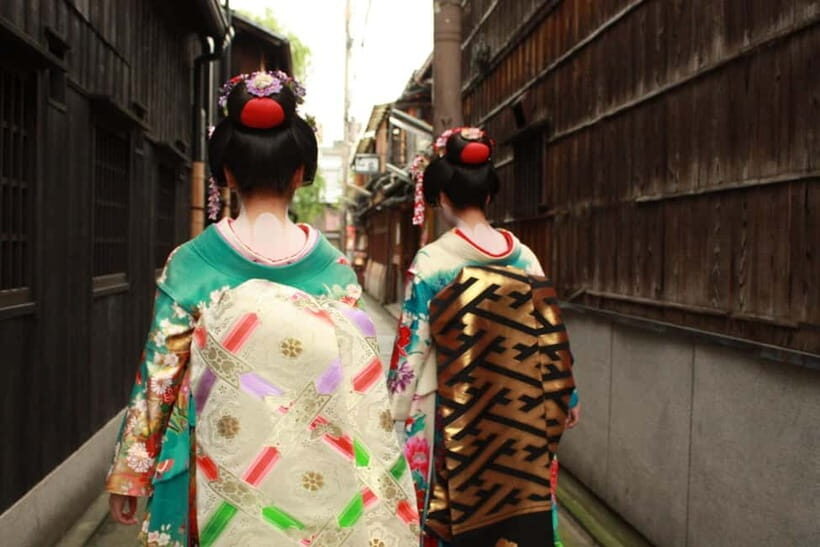
Dusk in Gion tells better stories. This 2-hour walking tour in Kyoto focuses on geisha and maiko culture in the real lanes of the district, with the bonus of possible fleeting sightings as evening appointments begin. I love the way the guide brings the neighborhood to life with clear, friendly storytelling, and I also love the chance to walk when it’s calmer, not when the streets are packed. One thing to consider: seeing geisha or maiko isn’t guaranteed, so set your expectations to learning first, photos second.
My favorite part is the practical knowledge: you learn how to read Gion’s teahouse signs and symbols instead of just staring at pretty buildings. The signs are the clue to how the area works, and once you know what you’re looking for, the whole district feels more understandable.
In This Review
- Key highlights you’ll actually care about
- Why Gion at sunset changes everything
- Price and what you get for $22
- Starting point at Ben’s Cookies Kyoto Shijo (and how not to miss it)
- Statue of Izumo-no-Okuni: the story behind the streets
- Shirakawa Canal: quiet visuals, stronger meaning
- Photo stop plus the art of reading Gion’s clues
- Gion Corner: where the district feels themed
- Yasaka Shrine: finishing strong in the right mood
- What guides like Pedro and Manuel do well (and why it matters)
- The one drawback to plan around
- Who this Gion night tour suits best
- Should you book Kyoto: Gion Night Tour Stories of Geisha and Maiko?
- FAQ
- How long is the Kyoto Gion night tour?
- How many people are on the tour?
- Where does the tour start?
- What language is the live guide?
- What places will the tour visit?
- Is it possible to see geisha or maiko during the tour?
- What’s included in the tour price?
- Is the tour suitable for children?
Key highlights you’ll actually care about
- Gion at dusk: better atmosphere and fewer people than midday.
- Geisha and maiko context: history and culture explained in plain language.
- Teahouse sign spotting: learn what marks and symbols can mean.
- Expert Spanish-speaking guide: explanations like those described by guides such as Pedro and Manuel.
- Small group (max 15): more chances to ask questions and follow along.
- Landmarks with purpose: Izumo-no-Okuni, Shirakawa Canal, and Yasaka Shrine tied into the story.
Why Gion at sunset changes everything
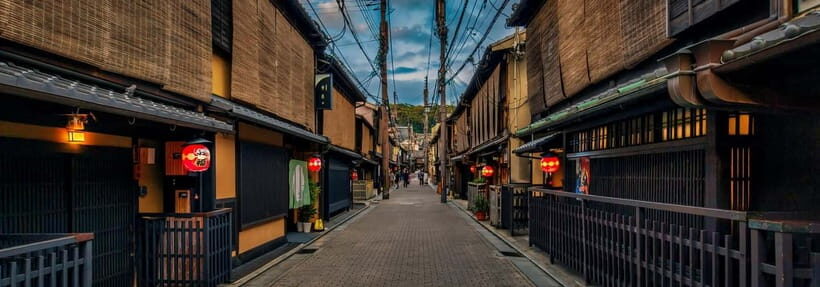
Gion has a daytime face and an evening face, and dusk is when the two start blending. You get the feeling that the district is still active and living, but the noise drops enough for the details to register: alley widths, lantern rhythm, doorway placement, and those small signs you’d otherwise walk right past.
This tour is timed around that shift. You’re not rushing through sightseeing checklists; you’re moving slowly enough to notice how the neighborhood is set up for traditional life. And because it’s a small group, you’re less jostled, so it’s easier to listen to the guide and still look where you’re meant to look.
You can also read our reviews of more evening experiences in Kyoto


Price and what you get for $22
At $22 per person for a 2-hour guided walk with a small group, this is more of a value choice than a luxury one. You’re paying for:
- An expert guide who explains geisha and maiko culture
- Cultural and historical context tied to the streets you walk
- Help identifying teahouses and traditional symbols
- A route that includes well-known spots and quieter corners
What makes the price feel fair is that the guidance is the main product. You’re not just getting transport or a stamp-and-go route. If you like learning how places work, not only what they look like, this price makes sense.
Starting point at Ben’s Cookies Kyoto Shijo (and how not to miss it)
The meeting point is Ben’s Cookies Kyoto Shijo. The guide will be holding a sign with the tour name. That matters more than it sounds, because in Gion-adjacent areas, landmarks can blend together quickly when the light gets low.
Tip: arrive a few minutes early, then stand where the guide would naturally spot you. You want to start the tour relaxed, not scanning every face in Kyoto. Once you’re matched with the group, the pace stays easy to follow.
Statue of Izumo-no-Okuni: the story behind the streets
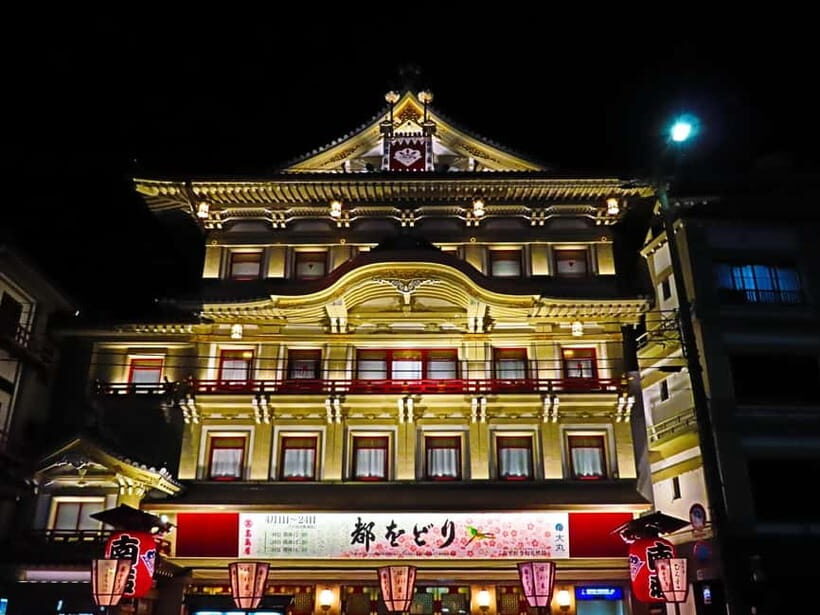
One of the early stops is the Statue of Izumo-no-Okuni. This point isn’t there just for a photo. It’s part of the larger narrative of Kyoto’s performance culture, which is strongly tied to the traditions people associate with Gion.
Why it’s worth your attention: when you understand a starting reference like this, the rest of the walk stops feeling like random landmarks. You start seeing the district as a place with cultural roots, not just a backdrop for nighttime images.
If you’re the type who likes context before you chase visuals, this stop is a smart warm-up.
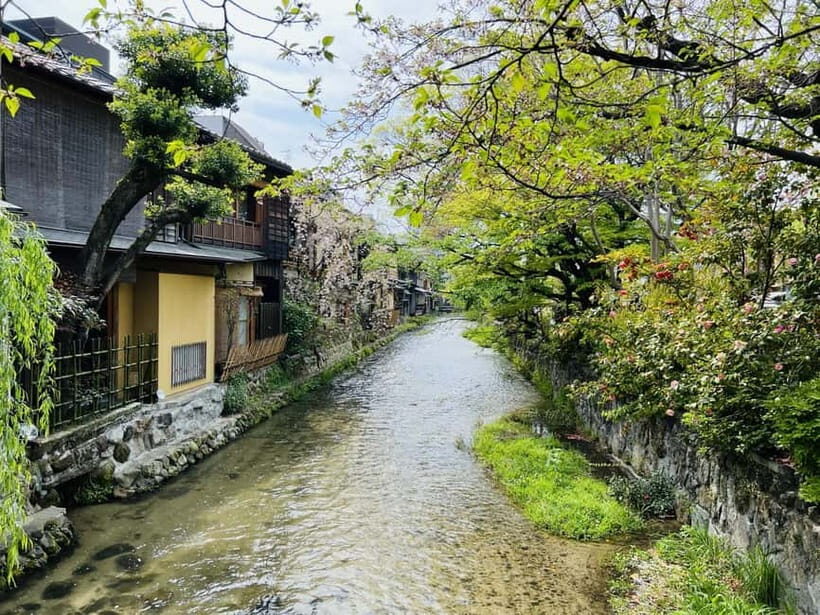
Shirakawa Canal: quiet visuals, stronger meaning
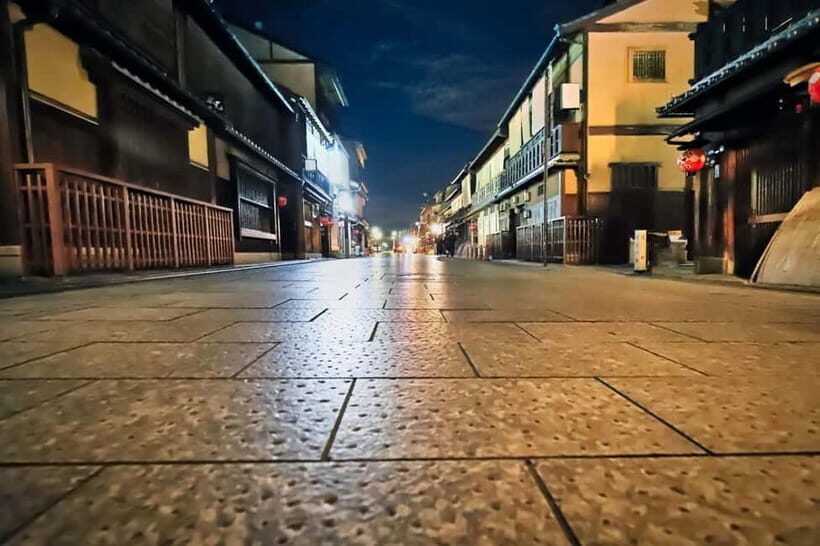
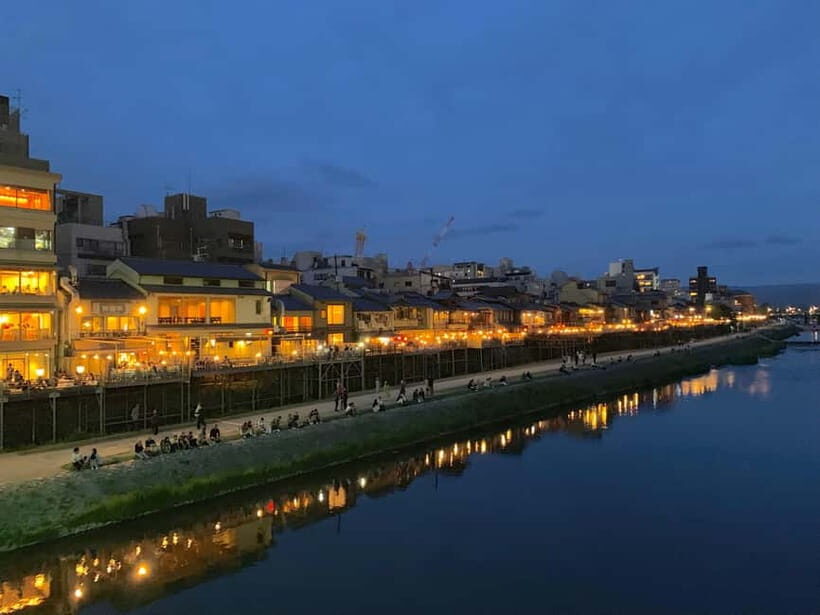
Next up is the Shirakawa Canal, with a guided stop that gives you a chance to slow down and look properly. Canals in Kyoto often function like stage scenery: they frame views and shape how neighborhoods face the water.
Here’s what I’d watch for: how the canal area feels compared with the lanes deeper in Gion. The guide’s explanations connect the canal experience to the broader theme of traditional life and cultural symbols. When you can connect what you’re seeing to why it exists, the scenery turns into information.
If you’re hoping for lots of dramatic photos, you’ll find some nice angles, but the bigger win is understanding how this area links to the culture you came for.
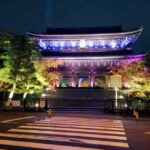
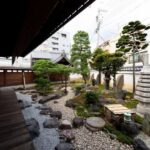
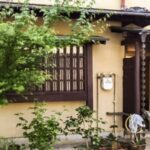
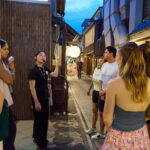
Photo stop plus the art of reading Gion’s clues
The tour includes a photo stop and guided tour at a key point where you’ll likely see the kind of details that most people miss. This is where the tour earns its keep.
You’ll learn how to identify teahouses and traditional symbols. That means you’re not simply walking past doors and lattice screens with no idea what they signify. The guide points out the cues that suggest what’s behind the entrance, how the area operates, and why those signs matter to the district’s identity.
Practical payoff: after this, you’ll walk Gion on your own and actually spot the patterns. You’ll start noticing recurring elements and understanding them as signals, not decoration.
A small caution: dusk lighting can be tricky for photos. Bring realistic expectations. Focus more on seeing the details the guide is explaining than trying to nail a perfect camera shot.
Gion Corner: where the district feels themed
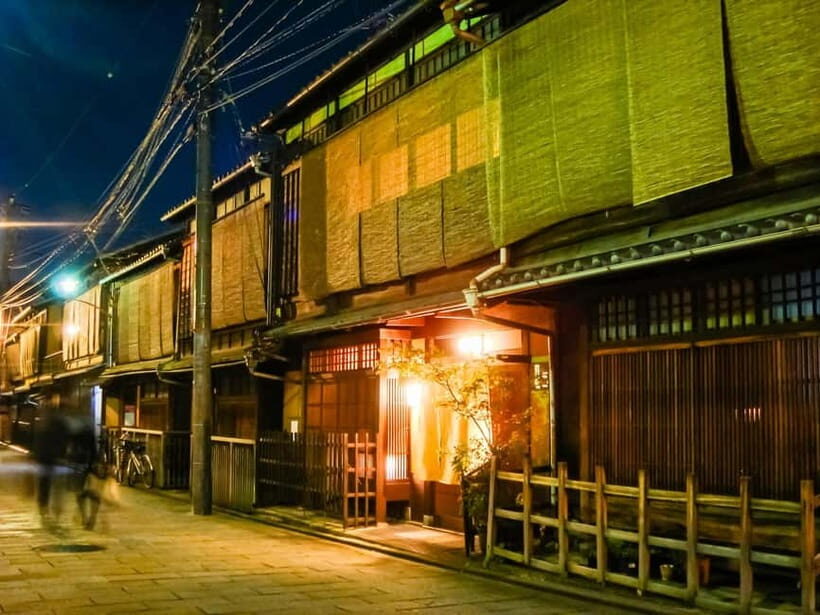
You’ll also stop at Gion Corner, again with a short photo stop and guided time. This stop works like a moment to regroup. You get another chance to let the guide’s explanation settle while you look around with a clearer lens.
What I like about this kind of scheduled pause is that it prevents the common mistake of treating the whole district as one long blur. Instead, you get small anchors, each connected to a cultural idea.
If you’re curious about geisha and maiko culture beyond stereotypes, this part helps you move from vague interest to something grounded. You’ll likely leave with a better sense of the customs and the environment that support them.
Yasaka Shrine: finishing strong in the right mood
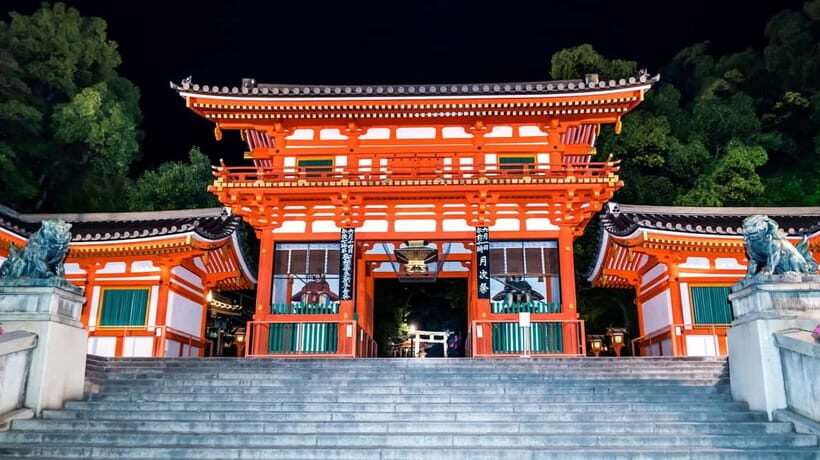
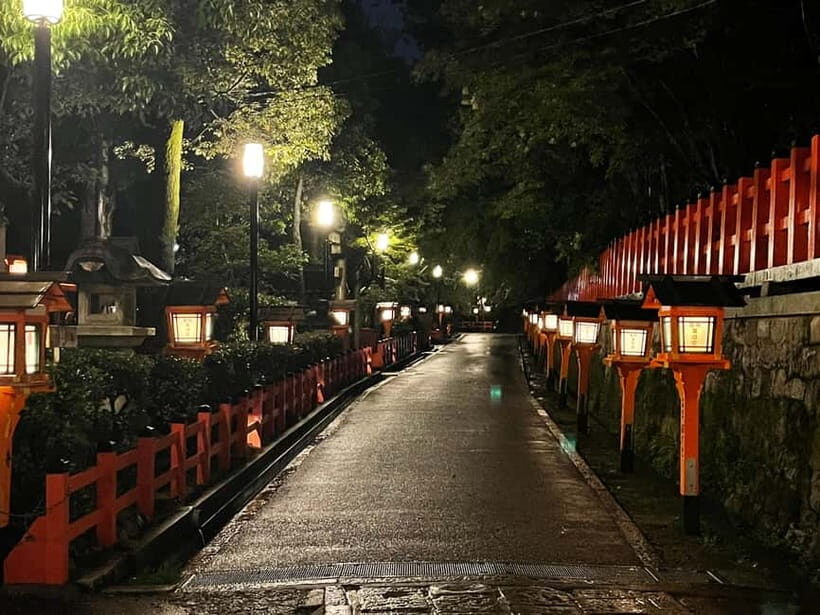
The tour includes photo stop, visit, and guided time at Yasaka Shrine, and you finish there. This is a good ending point because it shifts your attention from narrow alley details back to a broader Kyoto landmark experience, still tied to the evening atmosphere.
Why finishing at Yasaka works: by the time you reach the shrine, you’ve already trained your eyes. So even though the setting changes, you’re not “starting over.” You can connect what you learned about Gion’s traditional signs and spaces to the wider cultural landscape of Kyoto.
Also, the end location is handy. Once the tour wraps, you’re in a place where it’s straightforward to continue exploring nearby streets and food options at your own pace.
What guides like Pedro and Manuel do well (and why it matters)
From the way the guides are described, the standout pattern is communication. People specifically note that the guide explains Gion and geisha topics in a way that feels friendly and understandable, not like a lecture.
That’s important for you because this subject can turn into either:
- surface-level fascination (lots of staring, little understanding), or
- heavy history overload (facts with no mental map)
The best guides strike a middle ground: they give you enough structure to make sense of the neighborhood and then point you toward visible cues, like teahouse signs, so your brain can connect story to street.
If you book this, choose it because you want that combination: story + street-reading.
The one drawback to plan around
The main consideration is also the easiest to overlook: you’re walking a traditional district where sightings can be fleeting. Even with the timing at dusk, you shouldn’t book this tour expecting guaranteed geisha or maiko appearances.
That said, the tour is designed so the value doesn’t collapse if you don’t catch a sighting. The real goal is learning how Gion’s culture shows up in everyday details: signs, symbols, and the neighborhood layout itself.
Who this Gion night tour suits best
This experience fits best if you:
- Want a guided explanation of geisha and maiko culture
- Enjoy photo ops, but care more about understanding what you’re photographing
- Like walking at dusk when the atmosphere shifts
- Prefer a small group where you can follow the guide’s pace
It’s not suitable for children under 12. If you’re traveling with teenagers, it can still be a good choice, but it’s best when everyone is comfortable with walking around evening streets and listening for cultural explanations.
Should you book Kyoto: Gion Night Tour Stories of Geisha and Maiko?
I’d book it if you want more than a sightseeing stroll. The price is reasonable for a guided, culture-focused route, and the emphasis on identifying teahouses and traditional symbols is the part that tends to stick with you long after you leave.
Skip it only if your top goal is guaranteed geisha sightings or you’re looking for a fast, purely photo-based tour. This is for people who want to learn the language of the district, not just capture images.
If you’re in Kyoto and you have two hours to spare in the evening, this is one of the best ways to understand Gion rather than just pass through it.
FAQ
How long is the Kyoto Gion night tour?
It lasts 2 hours.
How many people are on the tour?
It’s a small group with a maximum of 15 participants.
Where does the tour start?
The meeting point is Ben’s Cookies Kyoto Shijo.
What language is the live guide?
The live tour guide is Spanish.
What places will the tour visit?
You’ll go through Gion at dusk and stop at highlights including the Statue of Izumo-no-Okuni, Shirakawa Canal, Gion Corner, and Yasaka Shrine (where the tour finishes).
Is it possible to see geisha or maiko during the tour?
You may catch fleeting glimpses as geisha and maiko go to evening appointments, but sightings are not something you should treat as guaranteed.
What’s included in the tour price?
You get a guided walking tour with an expert guide, cultural and historical explanations about geisha and maiko, and help identifying teahouses and traditional symbols.
Is the tour suitable for children?
No. It’s not suitable for children under 12.