REVIEW · AKITA PREFECTURE
Half Day Kakunodate Tour of Crafts Culture and Cuisine
Book on Viator →Operated by Akita INAKA Travel · Bookable on Viator
Samurai and miso, in three hours. This half-day Kakunodate tour links traditional crafts and food with a guided look at both the merchant district and the samurai quarter, so you see why the town grew the way it did.
I especially like the hands-on sakura craft workshop and the guided miso and soy sauce tasting at Ando Jozo. One thing to consider: at $174.13 per person, it is a pricier choice for a short walk around town, so it makes the most sense if you want the included workshop, tastings, and expert English commentary rather than self-guided wandering.
In This Review
- Key highlights worth your attention
- Kakunodate in one morning: why this town is more than samurai photos
- ORENCHI (俺ん家) start: the briefing that makes the rest click
- Yayanagi Shoten and kabazaiku: craft history you can actually hold
- Ando Jozo Brewery Honten: miso and soy sauce with a real origin story
- Samurai Residence Street: protected buildings and the effect of walking slowly
- Ishiguro-ke Samurai House: the oldest public residence you can visit
- Price and what you truly get for $174.13 per person
- Timing, group size, and mobile tickets: how to plan so it feels easy
- Who should book this Kakunodate tour
- Should you book this Kakunodate tour?
- FAQ
- How long is the Half Day Kakunodate Tour of Crafts Culture and Cuisine?
- What’s included in the tour price?
- Is the tour group small?
- Where does the tour start and end?
- Do I need to arrange transportation?
- If I cancel, do I get a refund?
Key highlights worth your attention
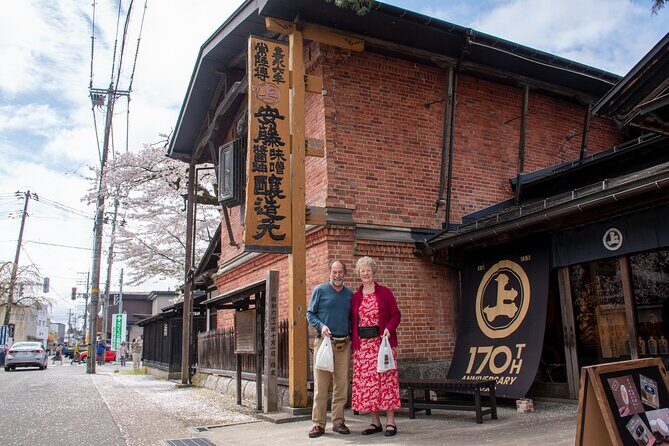
- Small group size (max 6): more time for questions and slower, more thoughtful pacing.
- ORENCHI (俺ん家) orientation: a quick briefing that helps you read both districts on foot.
- Kabazaiku at Yayanagi Shoten: a craft with national recognition, practiced since the 1800s.
- Ando Jozo brewery tasting: learn the story behind miso barrels and sample the results.
- Ishiguro-ke Samurai House: visit the oldest residence open to the public in Kakunodate’s samurai district.
- A true contrast walk: merchant-town reality side-by-side with samurai-era architecture.
Kakunodate in one morning: why this town is more than samurai photos
Kakunodate is a former castle town that really came into its own during the Edo period. Today it’s often called the Little Kyoto of Tohoku, mainly because of the preserved samurai streets—but the story isn’t only about warrior families. What I liked about this tour concept is that it forces the comparison: you see the merchant district, then the samurai district, and you start to understand how two different lifestyles sat in the same town.
The samurai-residence zone is centered around an about 800-meter radius, with nationally protected traditional buildings along the most famous street. But the merchant district also had its own social role and long-running traditions. This tour’s value is that it doesn’t let you skip the town’s everyday economic engine. You end up with a more complete picture of how Kakunodate functioned, not just how it looked in old photos.
You can also read our reviews of more tours and experiences in Akita Prefecture.

ORENCHI (俺ん家) start: the briefing that makes the rest click
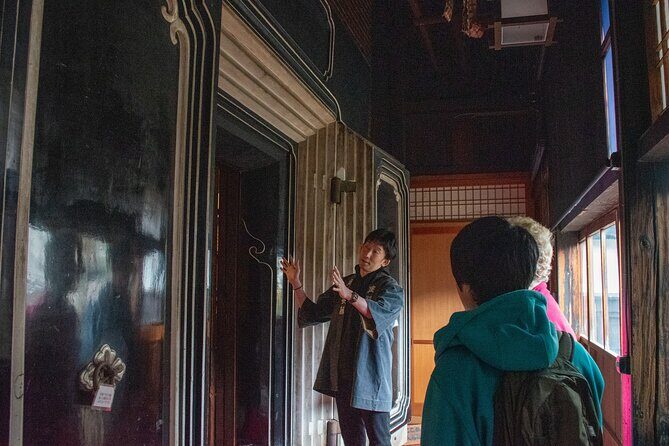
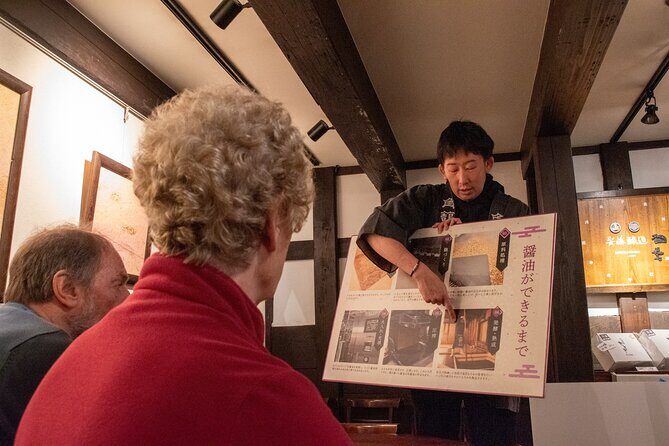
Before you head into the streets, you meet at ORENCHI (俺ん家) for a short briefing (about 15 minutes, ticket free). This matters more than it sounds. Kakunodate can look like a set of preserved buildings from a distance, but a good guide helps you “translate” what you’re seeing—who lived where, what the merchant world valued, and how the samurai quarter’s layout reflected status.
The tour is led by an experienced local guide, and several recent visits explicitly praise the English speaking skill and local knowledge. I’d treat this first stop like your mental warm-up. If you take notes here—simple things like the purpose of the districts and what to watch for in architecture—you’ll understand the rest of the walk much faster.
Yayanagi Shoten and kabazaiku: craft history you can actually hold
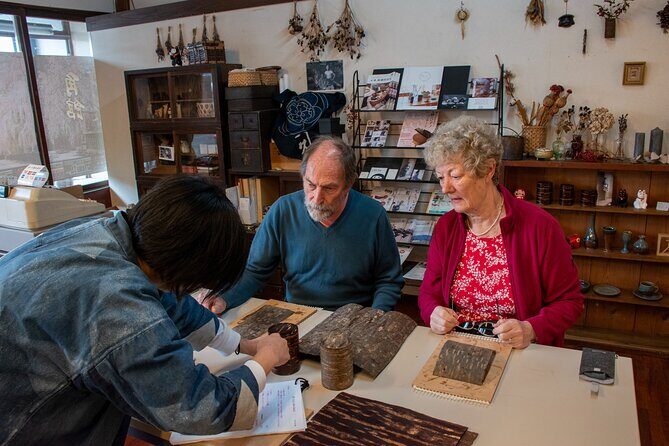
Next up is Yayanagi Shoten, a workshop and shop connected to kabazaiku, a traditional handicraft designated by the national government. The company traces its roots to 1876 and works as a manufacturer and distributor of these goods—so you’re not just browsing modern souvenirs. You’re seeing a craft tradition built on continuity.
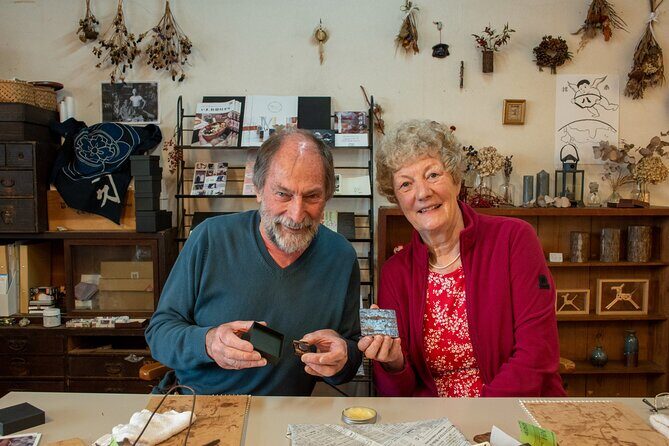
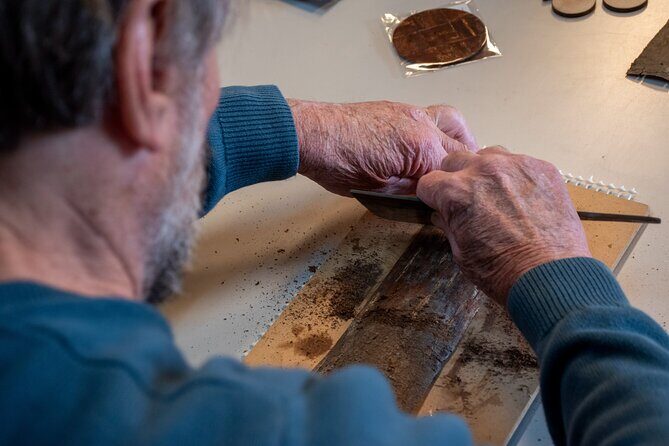
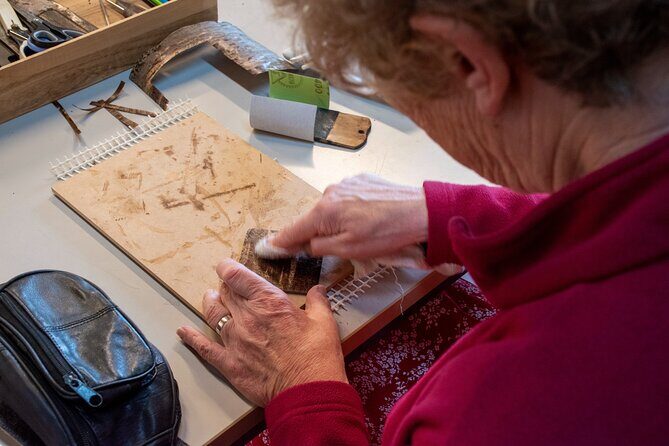
This stop runs about 1 hour and includes admission. In practical terms, it gives you time to slow down: look closely at materials, ask questions, and learn how the craft is shaped by local know-how. One of the most praised parts of the experience is the chance to connect the craft with lived tradition, including a hands-on component tied to cherry-bark work.
If you care about making meaning out of craft tourism (not just buying something pretty), this is where it pays off. Kabazaiku isn’t just an aesthetic; it has a materials story. And when you understand the material—how it’s used and why it has staying power—you’ll notice details in the finished objects that you’d otherwise miss.
Ando Jozo Brewery Honten: miso and soy sauce with a real origin story
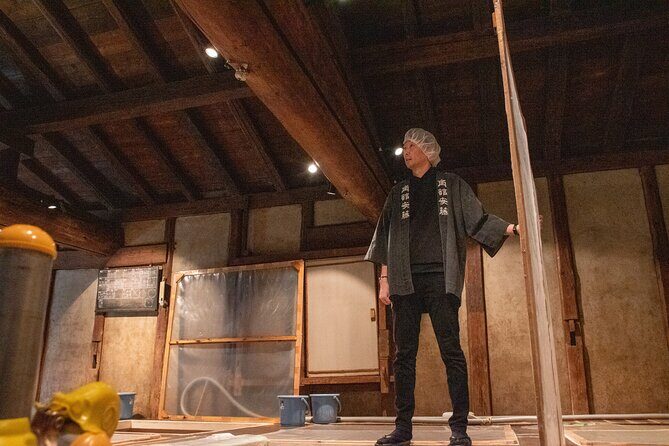
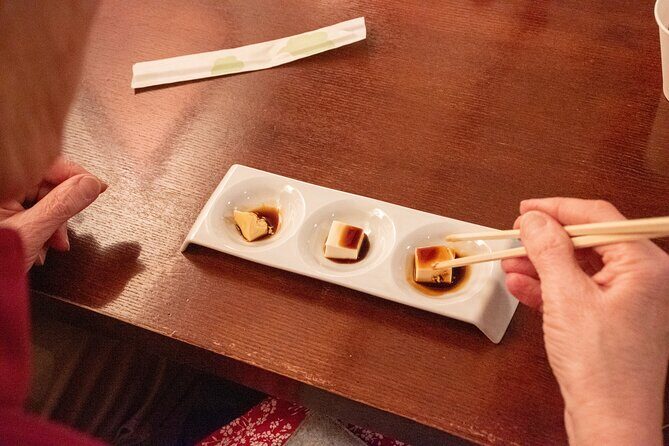
Then you head to Ando Jozo Brewery Honten (about 45 minutes, and tasting is included). The brewery’s history is pinned to a date: 1853 is inscribed on miso barrels, and the main shop was rebuilt in 1883 while keeping its original appearance. That’s the kind of detail that turns a tasting from a snack into a mini-history lesson.
Here’s what I like about pairing food with context: miso and soy sauce can feel everyday and almost invisible until someone explains where the flavor comes from and how long production has been part of regional life. The tour includes an excursion through the brewing areas and a tasting, so you get both sides—learning and sampling.
In terms of what you should expect, plan to arrive hungry but not starving. You’ll want your palate ready, and you’ll likely taste more than one option. If you’re the type who likes to ask follow-ups, this is a good moment. A strong guide can help you connect what you’re tasting to what you’re seeing in Kakunodate’s craft culture overall: careful processes, patience, and technique passed through generations.
Also, one of the reviews you provided mentions that the tour included restaurant recommendations. That kind of advice is often the difference between having a good afternoon and having a memorable trip where you actually eat well afterward.
Samurai Residence Street: protected buildings and the effect of walking slowly
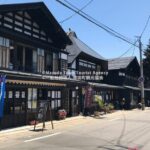
After the food and craft stops, the tour shifts toward the samurai district with a visit to the Kakunodate Samurai Residence Street (about 30 minutes, admission free). This is the part most people picture first when they hear Kakunodate: streets lined with traditional architecture and the feel of Edo-period status.
What makes this walk valuable is the structure of the tour. You don’t get dropped into a samurai zone cold. You’ve already learned about the merchant side of town and what it meant for everyday life. So when you see the samurai residences up close, you can better sense the social contrast instead of treating it like a single themed photo set.
The samurai buildings here are nationally protected Traditional Buildings, and it shows—details are the point. Window shapes, building rhythm, and the street layout all matter. Take your time on this stretch. If you speed through it, you miss what’s special: these are carefully preserved spaces, and the texture of the architecture rewards close attention.


Ishiguro-ke Samurai House: the oldest public residence you can visit
The final stop is Ishiguro-ke Samurai House (about 30 minutes, entrance included). This residence is believed to have been built in 1809, and it’s the oldest of the six samurai residences open to the public in Kakunodate’s historic district. It’s also noted as the only home still occupied by the family, which adds a layer you can’t replicate in a museum-like setting.
What I like about ending here is that you get a sense of continuity. When a historical house is still lived in, it stops being a frozen display. You can see that tradition wasn’t just something past generations practiced—it’s something that continued. And because this stop comes after the crafts and food, the house doesn’t feel like a random final checkbox. You read it as part of the same culture of skill, household life, and inherited practice.
If you’re the kind of traveler who enjoys small details—how rooms relate, what a household layout says about daily routines—this is a strong finish. Pair it with a bit of quiet watching. This last stretch tends to stick in your memory because it feels personal.
Price and what you truly get for $174.13 per person
Let’s talk value, not just cost. This tour runs about 3 hours and costs $174.13 per person. That may sound steep if you’re thinking only about walking through historic streets. But this experience includes several things that quickly add up on their own:
- Sakura craft workshop fee
- Ando brewery excursion and tasting
- Entrance fee to Ishiguro-ke Samurai House
- 3 hours of in-person guiding
- Insurance for the tour
It also has a small-group limit of up to 6 people. In tours, small-group scale can mean more time with the guide and better pacing—especially important when you want questions answered in English and you don’t want to feel rushed through workshops and historic interiors.
One practical note: the tour does not include private transportation or souvenirs for yourself. You’ll likely spend on small purchases if you want a craft item, but that choice is yours. The big value is that you already get the guided learning and the key admissions/tastings without having to coordinate everything separately.
If you’re already in Kakunodate for a short visit, this format can be efficient. You get merchant culture, craft-making, food tasting, and the samurai district without turning your afternoon into a logistics puzzle.
Timing, group size, and mobile tickets: how to plan so it feels easy
This is a half-day experience listed at about 3 hours. Expect a steady pace with multiple stops rather than one long museum-style session. Since it’s limited to a maximum of 6 travelers, it’s also a good bet for families and mixed-age groups that want structure without chaos.
You’ll start at Inaka Travel Akita, 94-7 Nakasugasawa, Kakunodate (仙北市), Akita 014-0368, and the tour ends at Ishiguro-ke Samurai House, 1番地 Kakunodatemachi Omotemachishimochō, Semboku, Akita 014-0331. The meeting is said to be near public transportation, which helps a lot if you’re using buses or local trains.
A small tip: because craft and historic house stops often mean standing and walking a bit, wear comfortable shoes. And if the weather is wet, bring a light rain layer and something to keep your hands dry—one provided review mentions going out despite very wet conditions, and the experience still worked.
Who should book this Kakunodate tour
This works best for you if:
- You want Kakunodate’s story explained in a clear, local way in English.
- You care about crafts with named traditions, not just generic souvenir shopping.
- You enjoy food tourism where tasting connects to history and process.
- You like small groups so you can ask questions and move at a human pace.
It may not be the best fit if:
- You’re only chasing the fastest possible photo stops and already plan to self-guide the samurai district in depth.
- You’re traveling super budget-focused and would rather spend money on food and local transit than workshops and tastings.
As for guides, your odds are good that you’ll meet someone skilled in English. Names that appear in your provided feedback include Ginji and Mikiya, and multiple comments highlight strong local knowledge and thoughtful recommendations.
Should you book this Kakunodate tour?
If you want more than a postcard stroll, I’d book it. The combination of merchant vs samurai contrast, a kabazaiku-linked craft experience, and a guided miso and soy sauce tasting gives you a complete cultural loop in about 3 hours. It’s also the kind of small-group tour where the guide matters, and the inclusions matter: workshop fee, tastings, and Ishiguro-ke access are all part of the deal.
Skip it only if your plan is mostly about moving through town on your own and you’re happy paying separately for entrances and tastings. Otherwise, this tour is a smart way to spend a half day in Kakunodate—organized, practical, and genuinely focused on how the town’s traditions still live today.
FAQ
How long is the Half Day Kakunodate Tour of Crafts Culture and Cuisine?
It runs for about 3 hours.
What’s included in the tour price?
Included are the sakura craft workshop fee, Ando brewery excursion and tasting, entrance to Ishiguro-ke Samurai House, 3 hours of in-person guiding, and tour insurance.
Is the tour group small?
Yes. This tour has a maximum of 6 travelers.
Where does the tour start and end?
The tour starts at Inaka Travel Akita (94-7 Nakasugasawa, Kakunodate area, Akita 014-0368). It ends at Ishiguro-ke Samurai House (1番地 Kakunodatemachi Omotemachishimochō, Semboku, Akita 014-0331).
Do I need to arrange transportation?
Private transportation isn’t included. The meeting point is described as near public transportation.
If I cancel, do I get a refund?
No. The experience is non-refundable and cannot be changed for any reason.