REVIEW · AKITA PREFECTURE
3 Hour Cycling Tour in Kakunodate
Book on Viator →Operated by Akita INAKA Travel · Bookable on Viator
Three hours, two wheels, Akita countryside. It starts with train views on a one-car, one-man ride, then you hop off at an unmanned station and begin cycling through small-town lanes and open rural roads. The mix is what makes it fun: old streets, farm edges, and a pace that doesn’t feel rushed.
I really like two things about this tour. First, the built-in rhythm of train-to-bike logistics keeps your day simple. Second, the stops feel grounded in place—samurai homes in Kakunodate, chestnut culture at Katakurikan, and farm roads around Senboku City.
One consideration: the tour does not include transportation to the meeting point, so you’ll need to get to Kakunodate Station on your own before it starts.
In This Review
- Key highlights you’ll actually feel during the ride
- Kakunodate on a bike: the short route that still feels real
- From the Nairiku Line to an unmanned station: the fun start
- Stop 1: Kakunodate samurai town, within about 2 km of preserved streets
- Stop 2: Katakurikan and the Saimyoji chestnut connection
- Stop 3: Senboku City’s countryside ride past rivers and rice paddies
- Price and value: what $126.82 covers (and why it’s not just sightseeing)
- How fit do you need to be for this 3-hour ride?
- Timing matters: good weather is part of the plan
- What’s included on the day: small details that keep it easy
- Should you book the Kakunodate cycling tour?
- FAQ
- How long is the 3 Hour Cycling Tour in Kakunodate?
- Where does the tour start and where does it end?
- Is transportation to Kakunodate Station included?
- What’s included in the price?
- Is the tour private?
- Is a mobile ticket used?
- Are admissions required for the stops?
- What fitness level is required?
- What happens if the weather is poor?
- What is the cancellation policy?
Key highlights you’ll actually feel during the ride
- A train-window intro before you pedal so you ease into the area instead of jumping straight onto a bike.
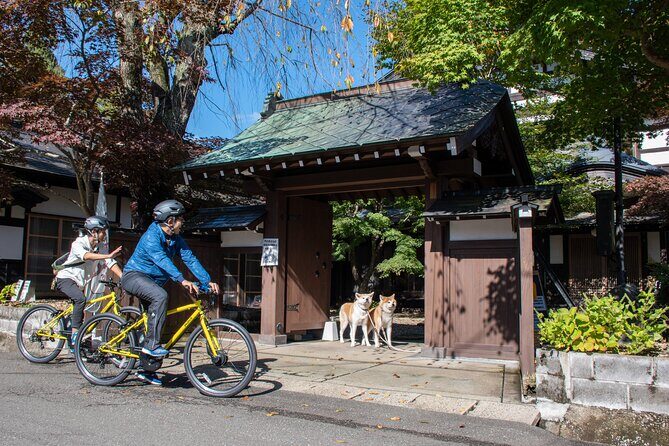
- Kakunodate’s compact samurai district fits into a tight area, roughly a 2 km radius of preserved buildings.
- Katakurikan’s chestnut legacy connects the dots to seeds brought from Kyoto and Gifu over 300 years ago.
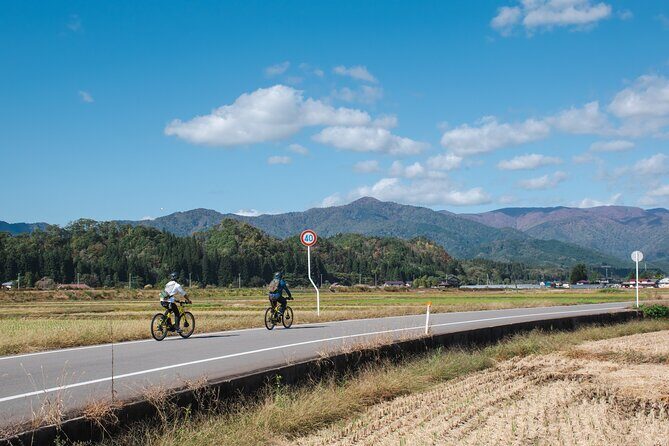
- Senboku’s rural loop passes temples, rivers, castle ruins, and rice paddies for variety across the countryside.
- Snacks plus a provided bicycle make the day practical, not just scenic.
Kakunodate on a bike: the short route that still feels real
Kakunodate works on a bicycle because it’s built for wandering at human speed. It grew as an Edo-period castle town, and the old quarter still holds onto that feel in a fairly compact footprint. You’re not trying to cover a whole prefecture. Instead, you get focused time where the samurai residences and older buildings are clustered, then you slowly drift outward into the countryside.
That matters if you’re visiting Akita for the first time. If you only do museums or long transfers, you can miss the texture of everyday place. On this tour, you’ll get a “how it feels to move through the area” kind of understanding—first in Kakunodate’s historic lanes, then in the quieter Senboku rural stretches.
You can also read our reviews of more tours and experiences in Akita Prefecture.
From the Nairiku Line to an unmanned station: the fun start
The day begins with the included train ticket for the Nairiku Line. You’ll watch the scenery from the train window on a one-car, one-man ride, then switch gears when you get off at an unmanned station. That setup is surprisingly satisfying because it turns transit time into part of the experience.
Then comes the moment you’ll care about: once you start cycling, you’re already oriented. You’re not guessing where to go or how to stitch the day together. The bicycle is included, and the tour’s flow is designed around cycling between the three stops—Kakunodate, Katakurikan, and Senboku—within about 3 hours total.
If you like days with a clear plan but no heavy structure, this is a good match. The tour is also private, meaning you won’t be squeezed into a big group dynamic.
Stop 1: Kakunodate samurai town, within about 2 km of preserved streets
Your first major stop is Kakunodate, often described as Michinoku’s Little Kyoto. That nickname isn’t just marketing fluff. It points to the concentration of older architecture in a relatively tight area—around a 2 km radius—where samurai residences and other historic buildings remain visible.
You get about 1 hour here, which is a smart length. Long enough to move around the streets at a relaxed pace, short enough that you’re still fresh when the ride starts stretching into the countryside. You’ll also likely appreciate the stop being centered in a compact area; it means you spend less time on big “cross-town” cycling and more time absorbing what’s here.
A practical way to enjoy this stop is to think in layers:
- Look for the preserved samurai-residence atmosphere first.
- Then slow down for the surrounding old-town buildings and side lanes.
- Save your “quiet observation” time for when the street gets calmer.
Stop 2: Katakurikan and the Saimyoji chestnut connection
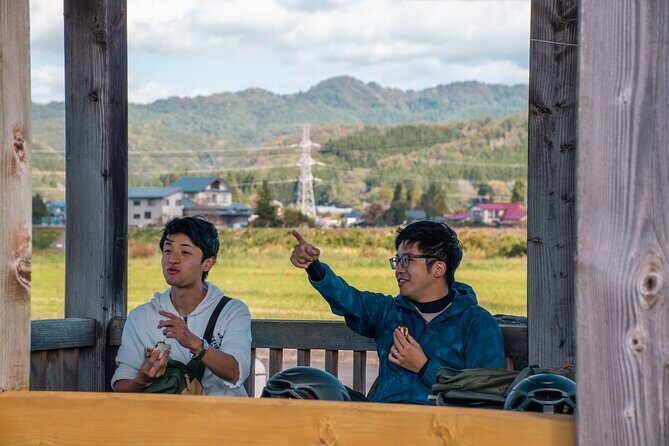
Next up is Katakurikan, scheduled for about 30 minutes. This stop is built around chestnuts, with Katakurikan tied to the claim of producing the largest chestnut in Japan. More importantly, the story behind it stretches back centuries: seeds were brought from Kyoto and Gifu to Akita Prefecture more than 300 years ago for cultivation.
That long timeline is what makes the stop more than a quick food break. You’re seeing how a regional ingredient becomes part of local identity. Even if you don’t go deep into historical details, you’ll still come away with a clearer sense of how Akita’s rural traditions connect to wider Japanese networks.
Why the short time works: with only 30 minutes, you’re not stuck waiting around for the next segment. You can treat it like a reset point—get your bearings, refuel with included snacks, then roll onward into Senboku’s more open countryside.
Stop 3: Senboku City’s countryside ride past rivers and rice paddies
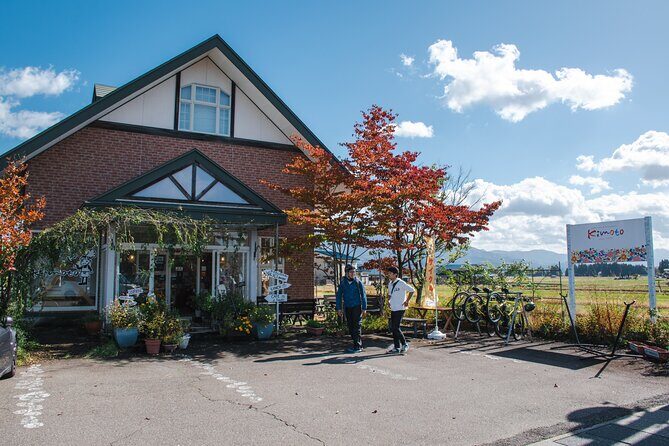
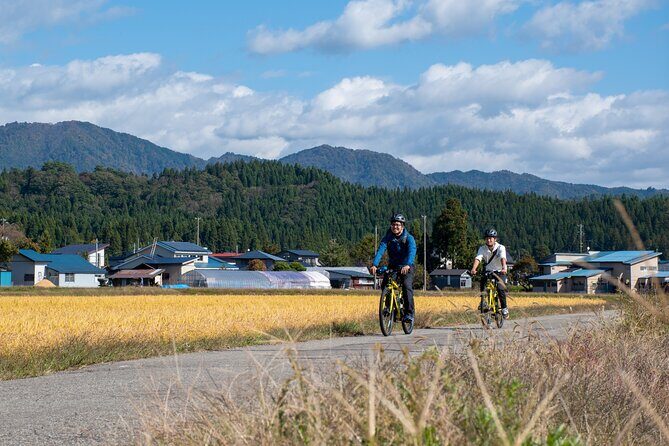
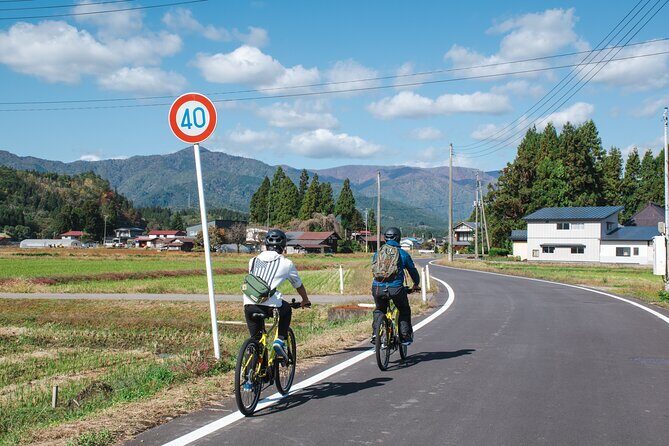
The final stretch is the bicycle ride through Senboku City (Akita Prefecture). This part doesn’t rely on a single “famous landmark” name. Instead, it’s about the ride itself—temples, rivers, castle ruins, and rice paddies showing up as you move along.
You’ll have about 1 hour 30 minutes here, which is the longest portion of the cycling day. That’s the right choice for a cycling tour because it gives you enough continuous time for the roads to start feeling like countryside, not just a series of brief photo stops.
Here’s how to get the most out of the Senboku segment:
- Keep your eyes forward and let your pace settle.
- Watch for the shifts in scenery—temple-to-riverside moments and then back to fields.
- Treat castle-ruin views as “pause points,” not just background scenery.
Also, remember that the tour is designed for a moderate fitness level. The ride time is meaningful, but it’s still a half-day style pace. If you prefer cycling that’s more about flow than athletic effort, this is likely your sweet spot.

Price and value: what $126.82 covers (and why it’s not just sightseeing)
At $126.82 per person, this isn’t the cheapest option you’ll find in Japan. But the value is in what’s bundled into that price.
You get:
- Snacks
- Bicycle use
- Train ticket for the Nairiku Line
- Insurance fee
- Mobile ticket support
- Pickup offered (so some of the day’s friction is reduced)
And the itinerary stops themselves include admission ticket free time for the listed stops. That combo matters in Japan, where self-guided days can quietly add up once you factor in transport, rentals, and ticketed stops.
There are trade-offs. The tour price includes a lot of “daymaking” logistics, but it still doesn’t include transportation to Kakunodate Station itself. So your true cost depends on how you plan to reach the meeting point.
If you’re already in the area, the price can feel especially fair. If you’re coming in from elsewhere, treat the tour like one piece of a bigger travel day: calculate how you’ll get to Kakunodate Station, then compare against what you’d pay for a bicycle rental plus train plus insurance.
How fit do you need to be for this 3-hour ride?
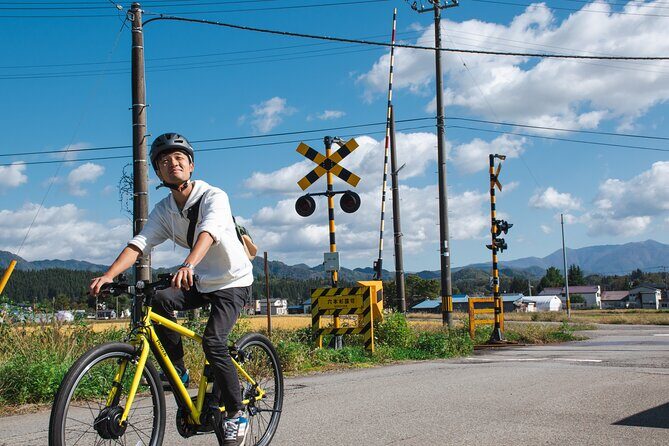
The guidance here is a moderate physical fitness level requirement. That’s a helpful phrase because it signals that you’re not signing up for an all-day grind, but it’s also not a gentle stroll.
What “moderate” usually means in a cycling context:
- You should feel comfortable riding a bicycle for stretches of time.
- You should be okay with changing scenery over a few hours, including a longer final cycling segment.
The tour is also private, which helps. A smaller group often means the pacing can feel more natural, and it’s easier to ask for adjustments if you need to slow down.
If you’re on the fence, a good rule is to judge by your comfort with steady riding. If riding a standard bike for 30–60 minutes doesn’t feel like a struggle, you’re likely in the right zone for this tour.
Timing matters: good weather is part of the plan
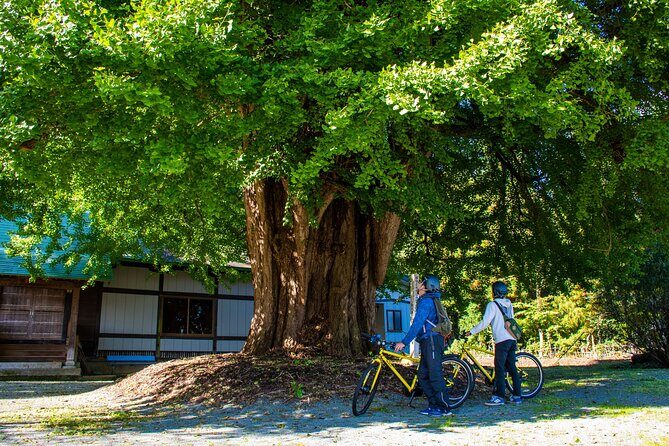
This is a weather-dependent experience. It requires good weather, and if it’s canceled because of poor weather, you’ll be offered a different date or a full refund.
That matters for a cycling tour. Even if you can handle a bit of drizzle, the tour provider’s rule is “good weather” as the baseline. So build your trip days with flexibility when you can.
One more timing note from the spirit of the tour: Kakunodate is known for seasonal charm, but timing can shift what you’ll see at any given moment. If you’re chasing specific seasonal blooms, expect that you might not hit peak conditions perfectly, and still plan to enjoy the historic streets and rural ride as the main draw.
What’s included on the day: small details that keep it easy
A few built-in comforts make this tour more practical than many “book a thing, figure out the rest” experiences.
You’ll have:
- Snacks, which is a real help when you’re cycling and don’t want to stop for food mid-route.
- A provided bicycle, so you don’t need to hunt down a rental shop in advance.
- Insurance fee coverage as part of the package.
- A mobile ticket, so you’re not juggling paper.
Also, it’s near public transportation, which makes getting to Kakunodate Station simpler than if it were in a remote pocket of the countryside.
Should you book the Kakunodate cycling tour?
Book it if you want a day that feels like you’re moving through Japan instead of just looking at it. The combination of Kakunodate’s preserved samurai-town atmosphere, Katakurikan’s chestnut heritage, and Senboku’s river-and-rice-paddy ride is a balanced three-part route that fits into about 3 hours.
Skip it or think twice if:
- You can’t realistically get to Kakunodate Station on your own (the tour doesn’t include that travel).
- You’re not comfortable with a cycling day that expects a moderate fitness level.
- Your schedule can’t handle weather changes, since the experience depends on good weather.
If you’re after an authentic-feeling Akita slice—historic streets plus real countryside—the odds are strong you’ll leave happy with how the day flows.
FAQ
How long is the 3 Hour Cycling Tour in Kakunodate?
The tour lasts about 3 hours.
Where does the tour start and where does it end?
It starts at Kakunodate Station and ends back at the same meeting point.
Is transportation to Kakunodate Station included?
No. Transportation to the starting point (Kakunodate Station) is not included.
What’s included in the price?
Snacks, use of bicycle, train ticket for the Nairiku Line, and an insurance fee are included.
Is the tour private?
Yes. It’s a private tour/activity, so only your group will participate.
Is a mobile ticket used?
Yes, the tour uses a mobile ticket.
Are admissions required for the stops?
The listed stops have admission ticket free.
What fitness level is required?
You should have a moderate physical fitness level.
What happens if the weather is poor?
The experience requires good weather. If it’s canceled due to poor weather, you’ll be offered a different date or a full refund.
What is the cancellation policy?
Free cancellation is available up to 24 hours in advance for a full refund. Cancellation within 24 hours of the start time is not refunded.