REVIEW · SAPPORO
Hokkaido, Sappro, Otaru & Cape Kamui One-day Tour
Book on GetYourGuide →Operated by YH International Travel co.,Ltd · Bookable on GetYourGuide
Coastal cliffs and sweet stops, all day. This one-day bus tour strings together Cape Kamui viewpoints, Otaru’s old-street charm, and a famous candy-world finale in a format that’s easy to manage in Hokkaido. It runs year-round with seasonal variations, so the day feels different depending on when you go.
What I like most is the mix: big nature views plus real people culture stops. On top of that, the guide support is active right from check-in, with staff holding an “EASY GO” flag to help you get on track fast.
One thing to consider: you’re riding with a large group and assigned seating, so sound and English clarity can vary depending on where you sit—especially toward the back of the bus.
In This Review
- Key things to know before you go
- How the Sapporo morning schedule shapes your whole day
- Cape Kamui and the Shakotan Peninsula: your best payoff for getting out early
- Otaru’s canal vibes, Sakaimachi street, and the music box break
- Shiroi Koibito Park: the sweet ending that also changes with the season
- Season-by-season routing: what changes from spring to winter
- Spring to summer (May to August): nostalgic streets and cliffside drama
- Autumn (September to November): a choice point, then volcanic views
- Winter (December to March): snow play, white streets, and evening lights
- Price and value: what you’re paying for at $66 per person
- The guide setup: English/Japanese support, plus real-world bus constraints
- Practical tips that keep the day smooth (and comfortable)
- Who this tour suits best—and who should skip it
- Should you book this Hokkaido one-day bus tour?
- FAQ
- Where is the meeting point for the tour?
- What time should I arrive?
- What languages are available for the guide?
- Is the Shiroi Koibito Park ticket included?
- What is included in the price?
- What is not included?
- What should I bring?
- Is the tour refundable if plans change?
Key things to know before you go

- Morning departure is strict: arrive by 7:20 AM at Sapporo Tokyu REI Hotel, or you risk being left behind.
- Season controls the route: spring/summer clifftops, autumn choices, winter snow—same overall structure, different stops.
- Otaru time can feel short: you’ll cover the main sights and get some free time, but it’s not a slow stroll day.
- Shiroi Koibito Park is a highlight: factory-style visit, seasonal treats, and in winter, illumination.
- Bus comfort is hit-or-miss: large-group tours are efficient, but the back row can reduce what you hear.
- Nature interruptions happen: on some days, an area can close due to wildlife sightings.
How the Sapporo morning schedule shapes your whole day

This is a true one-day loop. You start at the Sapporo Tokyu REI Hotel main entrance lobby (5-1 Minami 4-jo Nishi, Chuo-ku, Sapporo). The goal is simple: get everyone aboard smoothly, then start moving before the day turns busy.
Your instruction is to arrive by 7:20 AM. The bus departs shortly after. That matters because the rest of the day is timed around set boarding windows at each stop. If you’re the type who likes to linger “just one more minute,” this tour will teach you to be on time—fast.
Also, this is a full bus day. Expect a group size that means you’ll be moving efficiently, not casually. You’ll still get genuine breaks, but you won’t have the freedom of a private car.
You can also read our reviews of more tours and experiences in Sapporo.


Cape Kamui and the Shakotan Peninsula: your best payoff for getting out early

The coastal section is where this tour earns its reputation. On the spring to summer route, you’ll head to the dramatic Cape Kamui area and the broader Shakotan Peninsula viewpoints. The big reason to go is the sheer scale of the coast: you’re looking at rock faces, open sea, and long horizons that make winter-weary minds feel better by lunchtime.
You also get the sense that this route is built around scenery, not just checkboxes. The coastline stops are designed for photo breaks and viewpoint time, not shopping.
A practical heads-up: wildlife can affect access. I’ve seen this tour mention that a peninsula park can close after bear sightings. If you’re traveling in the active wildlife season, keep expectations flexible. If a viewpoint area shuts down, your day still continues—but the “exact” view might shift.
Otaru’s canal vibes, Sakaimachi street, and the music box break

Otaru is the romantic second act. Depending on season, you’ll spend time near the Otaru Canal area, plus a stroll through Sakaimachi (the classic shopping street vibe).
Here’s what I’d tell you to expect in plain terms: Otaru is pretty, but it’s also a main-sight town. On a bus tour, you experience it as a series of stops—canal, shopping street, one museum moment—then back to the schedule. That’s great if you want a curated overview. If you’re craving quiet corners and long wandering, you may feel slightly rushed.
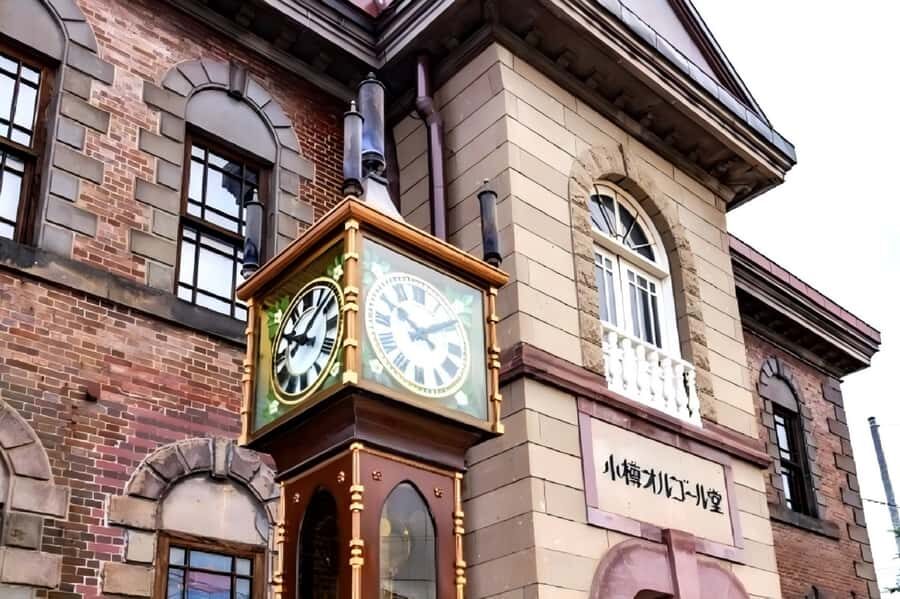
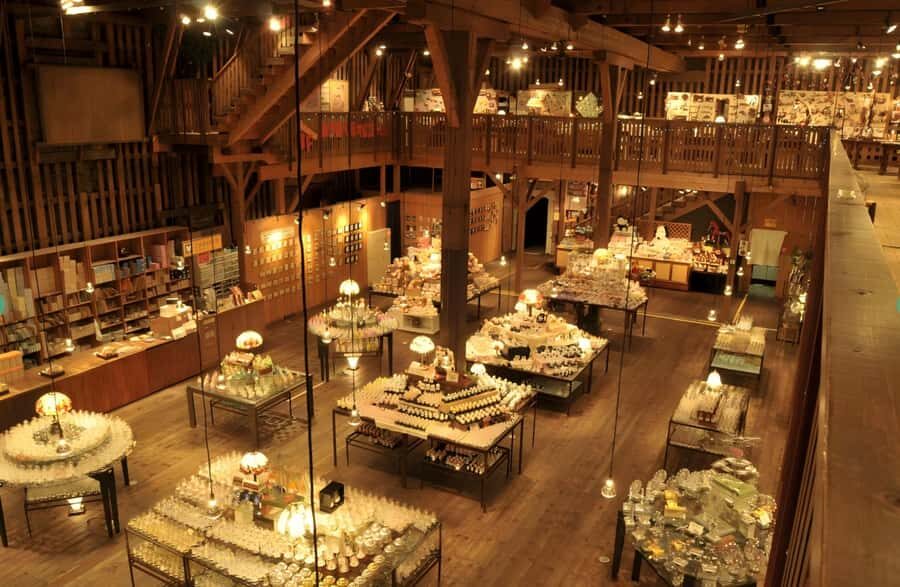
The Music Box Museum is one of those “small but memorable” stops. It’s the kind of place that gives you a break from outdoors, and it fits well into the pacing of a day trip. If the weather turns, an indoor stop like that helps.
The vibe can also depend on crowding. With a full day bus, you’ll share the street-level experience with a lot of people. That’s not a deal-break—it’s the tradeoff for fitting multiple major sights into one day.
Shiroi Koibito Park: the sweet ending that also changes with the season
This is the stop that makes the trip feel like more than just “scenery + transit.” Shiroi Koibito Park centers on the brand’s candy culture, and you’ll get time for treats. On some routes, the park visit also includes a more formal factory-style experience, not just a vending-machine stop.
There’s a major value detail here: admission to Shiroi Koibito Park is included only in the autumn package. In other seasons, your Shiroi Koibito ticket is listed as not included, so you should plan for that extra cost if you’re trying to keep your budget tight.
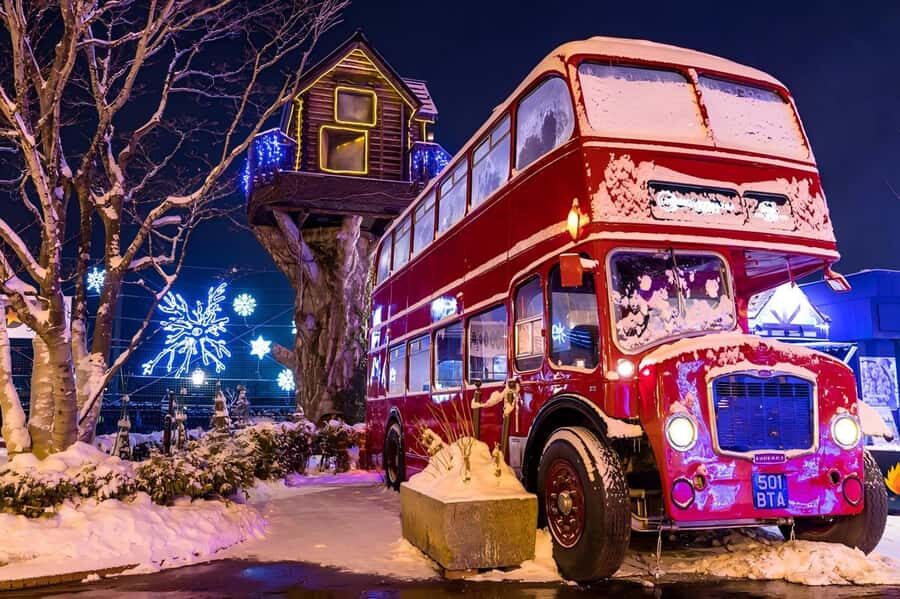
Winter is special. In the winter routing, the park is part of a nighttime-feeling moment with seasonal illumination. That transforms the last hour into something atmospheric, especially after a snowy day.
If you love food souvenirs, this is also where you can justify the cash you brought. The tour rules also say no food or drinks in the vehicle, so you’ll likely want to treat yourself at the stops—especially here.
Season-by-season routing: what changes from spring to winter

This tour is built around the idea that Hokkaido changes fast. The overall structure is consistent—Sapporo to Otaru, coastal views, Shiroi Koibito Park—but the middle pieces shift.


Spring to summer (May to August): nostalgic streets and cliffside drama
In the warmer months, you’ll lean into Otaru’s canal atmosphere first. The tour frames it as romantic, and on a day trip it really is the right “starter” after an early bus ride.
From there, you’ll head to Shiroi Koibito Park, then continue on to the cliffs at Cape Kamui and the wider Shakotan Peninsula area. This is the route that feels most “coast-first.” Expect more outdoor time and more viewpoints.
Autumn (September to November): a choice point, then volcanic views
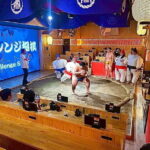
Autumn has a built-in decision. You’ll choose between either Date Jidaimura (a samurai and ninja themed park) or Noboribetsu Onsen (on the relaxation side).
Then the day shifts to volcanic scenery at Noboribetsu Jigokudani (Hell Valley). After that, you return toward Otaru for the Otaru Canal and Sakaimachi free time, plus the Music Box Museum stop. You finish again at Shiroi Koibito Park in an autumn setting.
From a planning standpoint, autumn can be the best season for variety. You get culture or onsens as an option, and you still get the “Otaru + sweets” ending.
Winter (December to March): snow play, white streets, and evening lights
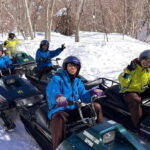
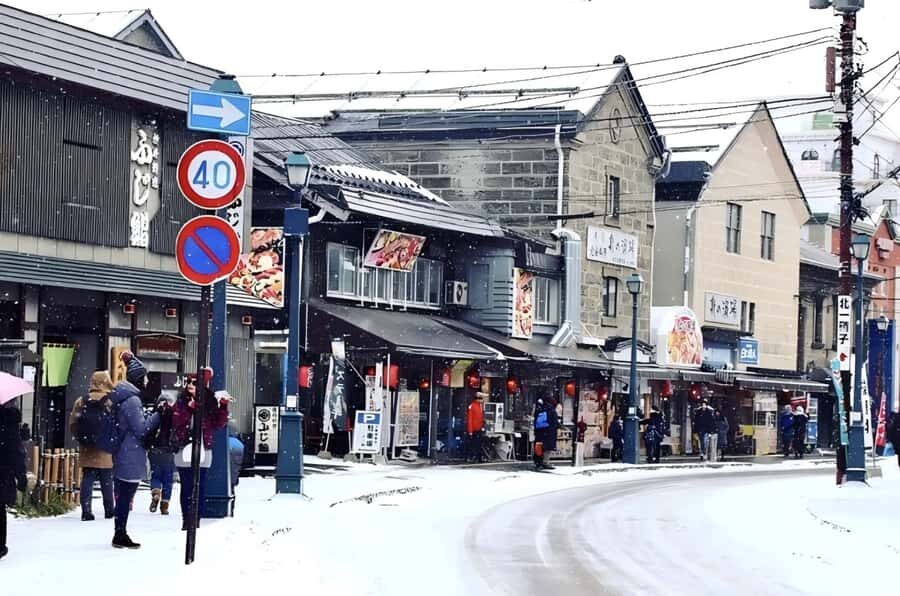
Winter turns the tour into a proper snow day. You’ll start with Bibai Snowland for snow activities. Then you’ll head to Otaru where the streets and scene are blanketed in white.
The finale is Shiroi Koibito Park illumination, giving you that glow-at-the-end feeling that’s hard to recreate on your own if you’re trying to manage transport.
If you hate winter logistics, this routing helps. It packages snow play and a city finale into one scheduled day. You just need to dress for it and wear shoes you trust.
Price and value: what you’re paying for at $66 per person
At around $66 per person, this tour is priced like a practical “see a lot with less hassle” product. You’re paying for transport by bus, plus the guide fee. That’s the core value.
But the extra costs matter for real budgeting:
- Lunch isn’t included, so you should plan for that.
- Personal expenses (souvenirs) aren’t included.
- Shiroi Koibito Park admission is listed as not included overall, with the note that an admission ticket is included only in the autumn package.
So the real value depends on your travel month. If you’re going in autumn, the entry detail helps your math. In spring/summer or winter, you should assume you’ll pay for the park ticket separately.
Is it still worth it? Usually, yes—if you want a low-stress day with multiple major stops. If you’re a careful shopper who hates adding on tickets, you’ll want to budget in advance.
The guide setup: English/Japanese support, plus real-world bus constraints
Your guide assists with check-in, and they’re identifiable by the “EASY GO” flag. The tour also lists guide languages as Chinese, English, and Japanese, which is a big positive for international groups.
Now the practical reality: on a large bus, communication depends on where you sit and how the audio setup works. One downside that shows up in feedback is that the back row may not hear the guide well because there’s no speaker there. Another issue is that most guests on some departures may be Chinese, which can affect how much is understood in English.
What I’d do if you care about hearing every detail: try to get a seat closer to the front when possible at boarding. You can also look for chances to ask questions during stops, because that’s when you can get clarity without relying on bus audio.
Also, one small social note: some people want a more formal group introduction. If you’re the type who likes knowing your guide name right away, you might have to wait until later, or ask.
Practical tips that keep the day smooth (and comfortable)
This tour has clear “do this, not that” rules, and following them saves time.
Bring:
- Comfortable shoes (you’ll do walking at multiple stops)
- Comfortable clothes (especially if you’re visiting in winter or coastal weather)
- Cash (useful for ticket gaps and snacks)
Don’t do:
- No smoking in the vehicle
- No alcohol and drugs
- No food and drinks in the vehicle
One more timing tip: stick to the designated boarding times at each stop. The tour note is straightforward—if you’re late, the bus departs as scheduled and you’ll have to arrange your own transportation. That’s not a threat; it’s just how these group days stay on track.
If you’re worried about bear-related closures on coastal areas, you can’t control wildlife. What you can do is keep your expectations flexible and understand that nature sometimes wins.
Who this tour suits best—and who should skip it
This day trip fits you if:
- You want a guided, packed day without juggling buses or maps.
- You’re happy with a curated view of Sapporo-to-Otaru highlights.
- You like switching settings—coast, street, museum, sweets—without planning all the logistics.
It may not fit you if:
- You hate crowds. A full bus means you’ll share the moments.
- You need strong English audio throughout. Seat location and audio coverage can matter.
- You prefer independent exploration at your own pace. This is built for efficiency, not slow wandering.
There are also listed limits: it’s not suitable for pregnant women, babies under 1 year, and people over 70. If any of those apply, you’ll want a different travel plan.
Should you book this Hokkaido one-day bus tour?
I’d book it if your priority is simple: get out of Sapporo early, see Cape Kamui-style coastal scenery, taste your way through the Shiroi Koibito Park finale, and get a solid overview of Otaru without planning every connection.
Skip it (or choose a different format) if you know you’ll be miserable on a full bus, or if hearing the guide clearly in English is non-negotiable for you. In that case, consider smaller-group tours or plans that let you choose your seating and timing more freely.
If you want a good “Hokkaido sampler” day—this delivers. Just treat it like what it is: a well-organized, schedule-driven day that rewards you most when you show up early, stay flexible, and focus on the sights rather than perfect quiet.
FAQ
Where is the meeting point for the tour?
You meet at Sapporo Tokyu REI Hotel – Main Entrance Lobby, address 5-1 Minami 4-jo Nishi, Chuo-ku, Sapporo, Hokkaido.
What time should I arrive?
Please arrive by 7:20 AM. The bus will depart shortly after.
What languages are available for the guide?
The guide languages listed are Chinese, English, and Japanese.
Is the Shiroi Koibito Park ticket included?
Admission to Shiroi Koibito Park is listed as not included in general. An admission ticket is included only in the autumn package.
What is included in the price?
Included items are tour bus fare, guide fee, and an admission ticket (autumn package only).
What is not included?
Not included: Shiroi Koibito Park admission ticket (outside the autumn package), lunch expenses, and personal expenses like souvenirs.
What should I bring?
Bring comfortable shoes, comfortable clothes, and cash.
Is the tour refundable if plans change?
Yes. You can cancel up to 24 hours in advance for a full refund.