REVIEW · NARA
Kyoto/Osaka: Nara Customizable Self-Guided Tour with Driver
Book on GetYourGuide →Operated by 大阪旅行株式会社 · Bookable on GetYourGuide
Nara is a great day trip when it’s planned right. This Kyoto/Osaka to Nara customizable tour gives you control over your stops and a private, air-conditioned car so you can focus on seeing things instead of wrestling with transit.
I especially like the flexibility: you can tweak your day based on what you want to prioritize, and the driver can handle pickups, timing, and the back-and-forth.
The one drawback to plan for is that this is not a guide-led tour. You get a driver, but no tour guide or translation, so you’ll rely on your own ability to navigate your choices and on the driver’s English/Japanese/Chinese.
In This Review
- Key things to know before you go
- Why a private driver makes Nara feel easy
- Price and value: what you’re really paying for
- Customizing your Nara day: the practical rules
- The 10-hour Nara route: what each stop is for
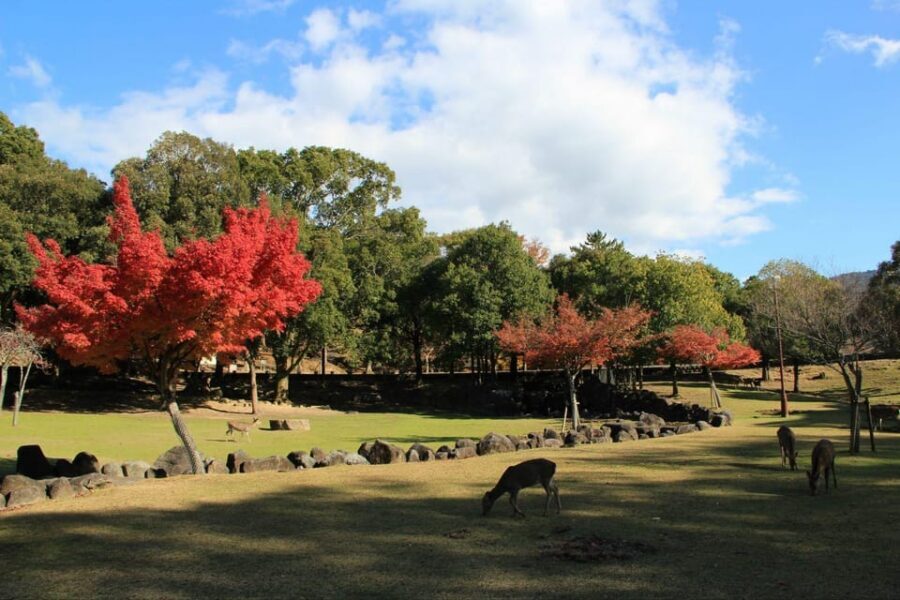
- Nara Park (about 2 hours)
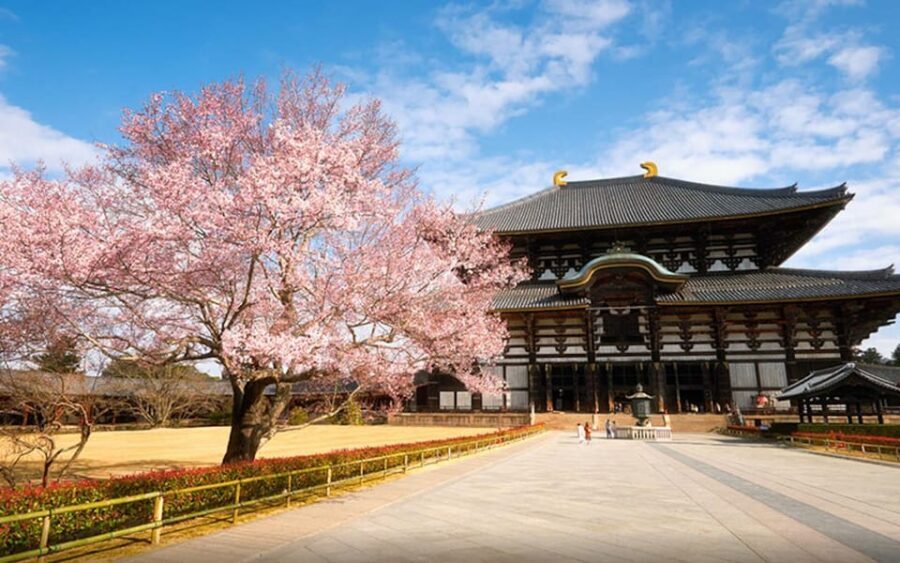
- Todai-ji (about 1 hour)
- Kasuga-taisha (about 1 hour)
- Mount Wakakusa (about 1 hour)
- Toshodai-ji (about 1 hour)
- Heijō Palace Site Historical Park (about 1 hour)
- Sanjō-dōri Street for dinner and shopping (about 2 hours)
- The driver part: where quality shows up
- Logistics that can make or break your day
- Who should book this Nara customizable day tour
- Tips to make the most of your 10 hours
- Should you book this Kyoto/Osaka to Nara tour?
- FAQ
- How long is the Kyoto/Osaka to Nara tour?
- Where can you be picked up and dropped off?
- Can I customize the Nara itinerary?
- Is there a guide or translation included?
- What’s included in the price?
- What is not included?
- How does luggage and vehicle size work?
- Is the tour wheelchair accessible?
- What happens if I go past 10 hours?
Key things to know before you go
- Your itinerary is yours to customize (and you can even adjust within Nara while you’re on the vehicle).
- Private car + professional driver means no map anxiety and fewer missed connections.
- Driver flexibility with timing helps when you want extra time in Nara Park or you want to move faster.
- A smart mix of big sights and variety: Todai-ji, Kasuga-taisha, Wakakusa views, Toshodai-ji, and Heijō Palace.
- Nara Park + deer time is built in with about 2 hours for wandering at your pace.
- Dinner time on Sanjō-dōri is part of the flow rather than an afterthought.
Why a private driver makes Nara feel easy
Nara is famous for temples, deer, and that calm, slightly timeless atmosphere. The problem is that a self-planned day can turn into a logistics puzzle: how long between stops, which bus or train to take, where to park, and whether you’ll be able to return on time.
This setup fixes the big stress points. You’re not guessing routes or translating signs in a hurry. You’re riding in a comfortable, air-conditioned vehicle with a driver who’s there to get you from point A to point B, help with pickup/drop-off, and coordinate waiting time while you explore.
And because it’s private, you’re not forced into a group pace. If you want more quiet time at a temple or you want to linger longer in Nara Park, you have the room to do it.
You can also read our reviews of more guided tours in Nara
Price and value: what you’re really paying for
At $509 per group (up to 6) for a 10-hour day, this isn’t the cheapest way to do Nara. But you’re paying for three things that add up fast:
- Time and reliability: having a dedicated driver for 10 hours reduces the risk of wasting part of your day on transit confusion.
- Logistics handled: highway tolls and parking fees are included, so you don’t get surprise add-ons for getting around.
- Flexible routing: you can choose your favorites and adjust as you go within Nara.
If you’re traveling with friends or family, the math tends to work better than it looks at first. A private car is usually the expensive part of any customized day. Here, that cost is bundled into the service, along with the waiting-and-pickup concept while you’re sightseeing.
Just be aware of the potential cost curve if you run long. Overtime is charged per hour once you go past 10 hours, and there’s also a night service fee after 21:00. If you think you might want a very long evening, it’s worth planning your day so the 10 hours covers the stops you care about most.
Customizing your Nara day: the practical rules
Here’s what “customizable” actually means in a way that matters for your planning:
- You can choose your preferred attractions in Nara and share your other special requests.
- The company helps draft the routing for you, and if reservations are needed, they work on those in advance.
- You can change the itinerary within Nara even while you’re traveling on the vehicle.
That last point is important. Japan trips often run on foot traffic, timing, and simple preference. Being able to adjust mid-day helps you avoid the classic problem of feeling trapped by a rigid plan.
Pickup and drop-off are also flexible—at least within the boundaries of where you’re staying. The service includes pick-up and drop-off from Kyoto/Osaka/Nara options, but pickup is limited to customers living in urban areas. When you confirm your tour details, you’ll be asked for things like the number of passengers and luggage.
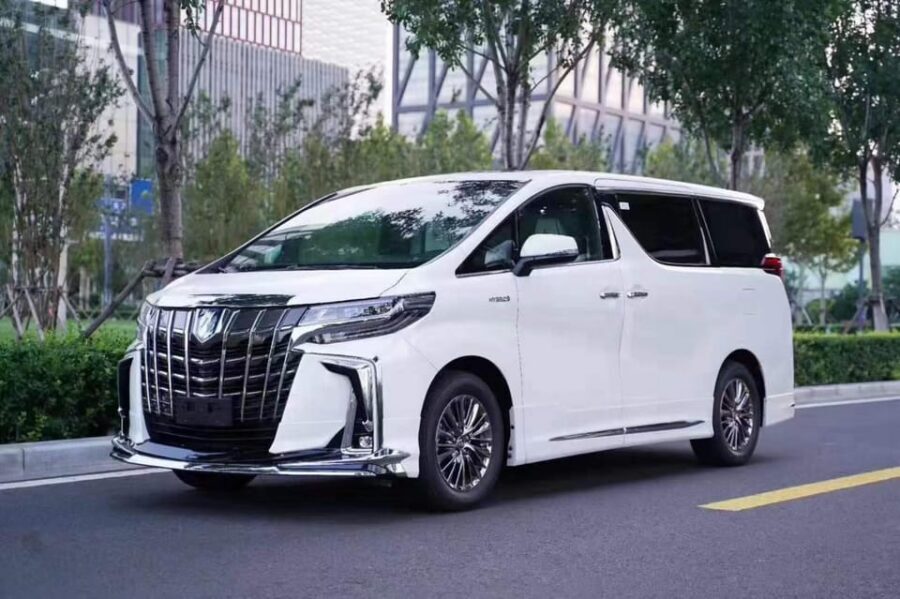
Luggage matters because vehicle size affects what you can bring. The service uses 6-, 9-, and 13-seat cars with different luggage allowances (the luggage defaults to a 24-inch suitcase). If you’re bringing multiple large bags, make sure you match your party size and luggage to the right vehicle capacity.
One more heads-up: you can’t select the driver’s nationality. Drivers may speak English, Japanese, or Chinese, arranged at random. This isn’t a dealbreaker, but it’s good to know if you’re planning on heavy language support. The driver is there to drive and coordinate, not to be your translator.
The 10-hour Nara route: what each stop is for
This tour is structured like a smooth sightseeing loop in Nara—temples, park time, scenic views, and a dinner stroll—so you don’t waste time crisscrossing the city.
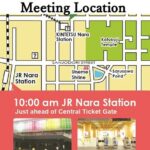
Nara Park (about 2 hours)
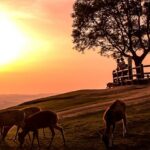
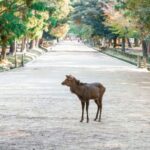
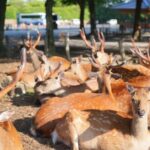
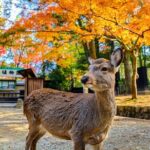
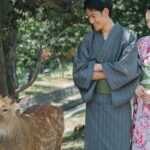
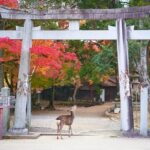
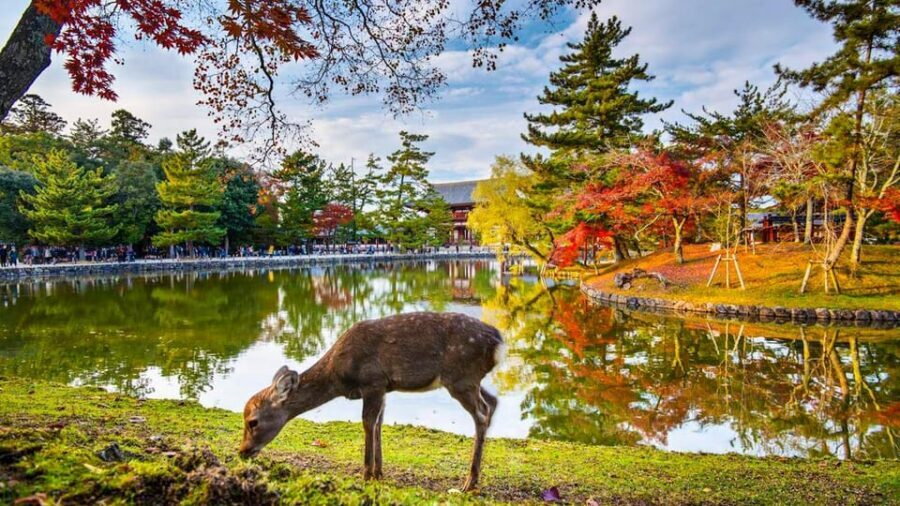
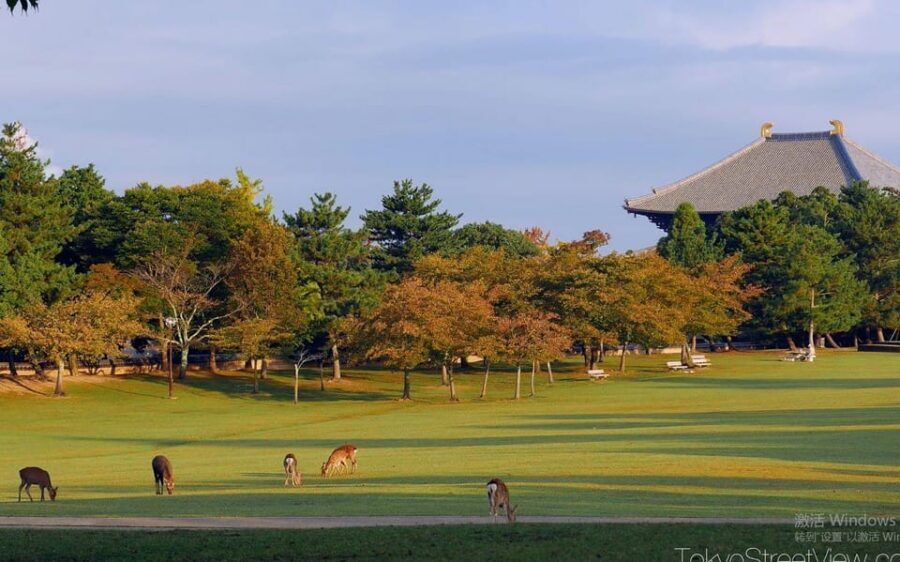
Your day starts with Nara Park, including free time for sightseeing and self-guided wandering for around 2 hours. This is the moment to slow down and let Nara do what it does best: deer, open space, and photo-friendly atmosphere without needing to rush.
The big practical benefit of setting aside time here is that it’s flexible. If you want more deer time, you can. If you’d rather get moving quickly to Todai-ji and other temple sites, you can shorten it and still keep the rest of the day in balance.
Wear comfortable shoes. You’ll likely be walking more than you expect once you start moving between viewpoints and paths.
Todai-ji (about 1 hour)
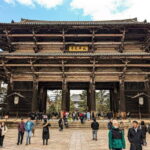
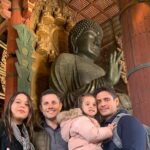
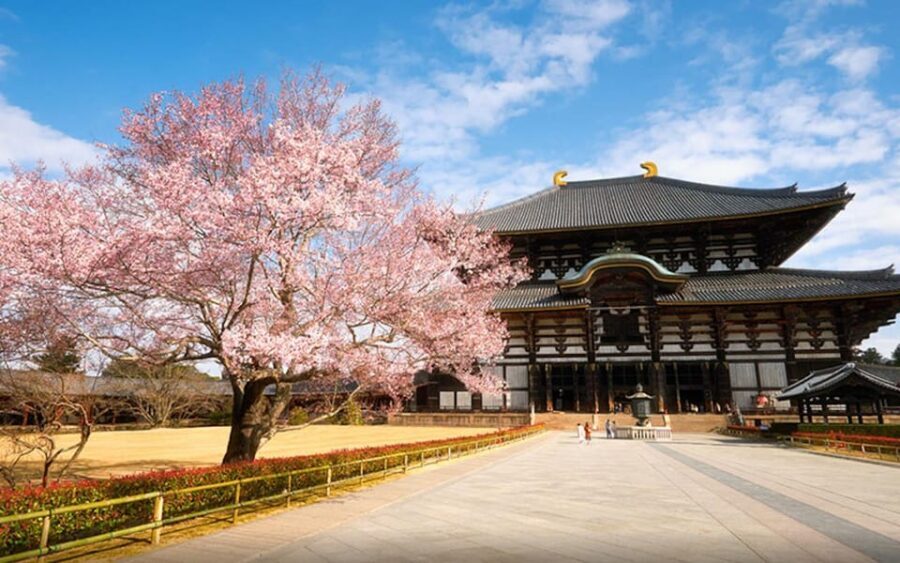
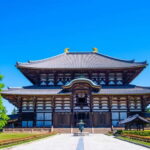
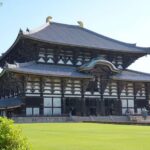
Next is Tōdai-ji, with about an hour for free time and self-guided sightseeing. This is one of Nara’s headline sights, known for the giant Buddha statue.
One-hour can feel short if you like to take your time, so I’d think of this stop as a focused visit: arrive, see the main highlight, then decide quickly whether you want to stay longer (and adjust the rest of your schedule with the driver’s help).
If you’re sensitive to crowds, the advantage of a private car is that you can still adjust your timing while staying within your overall plan.
Kasuga-taisha (about 1 hour)
After Todai-ji, you head to Kasuga-taisha for another hour of self-guided time. This is a different type of experience than Todai-ji—more of a temple-journey vibe than a single centerpiece-focused stop.
The value of keeping this stop around an hour is that it fits naturally into a day that also includes scenic views and several additional sites. You won’t feel like you’re spending half your vacation in one place.
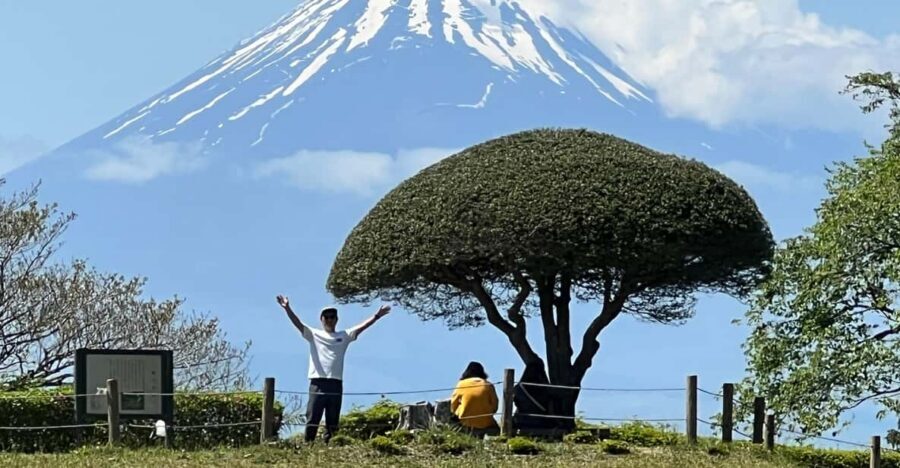
Mount Wakakusa (about 1 hour)
Then comes Mount Wakakusa, planned for about an hour including scenic views on the way. This is a nice break from temple density, and it helps diversify your day so it doesn’t feel like one long checklist.
Because this part is about views, it’s smart to plan for weather. If visibility is clear, you’ll likely enjoy it more. If conditions are less ideal, you can still use this hour as a breather and choose what you want to prioritize visually.
Toshodai-ji (about 1 hour)
Your route continues with Toshodai-ji for about an hour of free time. Like the earlier temple stops, this gives you enough time to see the main points without turning your day into an endurance test.
This is where your customization can really pay off. If you love the quieter temple side of Nara, spend your full hour. If you’re more interested in park time and deer moments, you might keep this visit efficient.
Heijō Palace Site Historical Park (about 1 hour)
Next is the Heijō Palace Site Historical Park, again with about an hour for self-guided sightseeing. This stop adds something different to your day, giving you a sense of Nara beyond just temples and animals.
Even if you’re not reading every sign in detail, the benefit here is pacing. It keeps the day from turning into back-to-back heavy sights with no room to reset your attention.
Sanjō-dōri Street for dinner and shopping (about 2 hours)
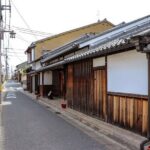
You finish with Sanjo dori Street, including dinner, street food, shopping, and local snacks during about 2 hours of free time. This is a practical and fun way to end the day because you can choose exactly what you want to eat instead of having a fixed meal plan.
Also, having the driver service means you don’t have to stress about getting yourself to dinner quickly. You arrive, you eat at your pace, and you can browse without worrying you’ll miss your pickup window.
If your group is split—some want street food, others want souvenirs—this last section works well because it’s flexible. You can decide how long to spend in each area and then regroup.
The driver part: where quality shows up
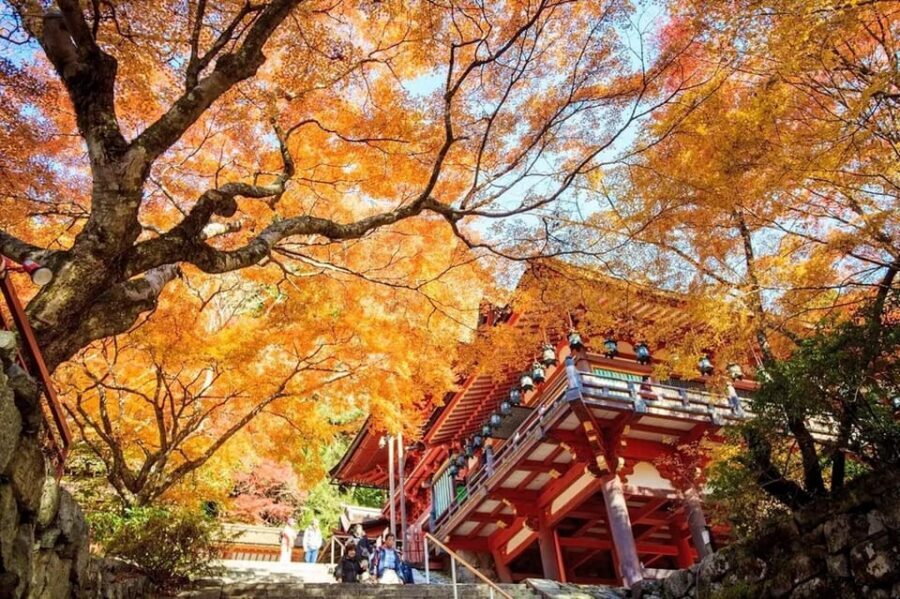
The “driver with a private car” part isn’t just transportation. It’s how smoothly your day runs.
A big strength here is that the driver is typically willing to work with your flow—waiting while you explore and then picking you up when you’re done. That matters because Nara sights involve lots of little stops, photos, and occasional slowdowns.
If you get a driver like Ryan, the setup can feel especially easy, with last-minute changes handled smoothly. Even if you don’t have language support, good driving coordination helps you keep your day moving without feeling rushed.
You’ll receive the driver’s phone number one day before the trip, which is a simple but useful detail. If timing shifts because of traffic or crowding, you can communicate rather than guessing.
Logistics that can make or break your day
Here are the things to get right before you go:
- Pickup location timing: you’ll confirm your starting time in advance, and the driver will wait for you at a scheduled time.
- Pickup zones: you can be picked up from Osaka/Kyoto/Nara options, but only if you’re in urban areas.
- Luggage planning: confirm how many suitcases you have since the vehicle sizes come with different luggage allowances.
- Real-world timing: the itinerary is for reference, and traffic or visitor flow can change the exact order or how long you spend at each stop.
Because the plan is built as self-guided time blocks, you get a lot of flexibility in how you use each hour. The key is to stay aware of the day’s total 10-hour limit and avoid trying to do everything perfectly.
Who should book this Nara customizable day tour
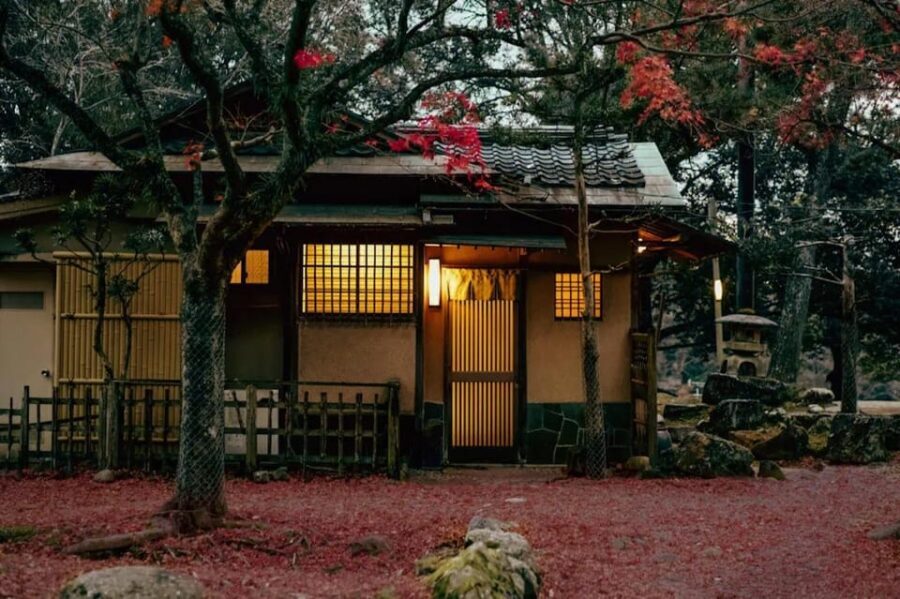
This is a great fit if you want:
- A relaxed, self-guided day with no transit stress.
- Maximum choice inside Nara, not a fixed rigid schedule.
- Private group comfort, especially if you’re traveling with kids (a first baby seat is free if requested before departure).
- A plan that covers the main Nara sights plus a practical dinner ending.
It may not be your best match if you’re hoping for a fully guided experience with explanation and translation. This is driver-led transport and route coordination, not interpretation. If you want someone to narrate temples and guide your walk step-by-step, you’ll likely prefer a guide-led tour instead.
Tips to make the most of your 10 hours
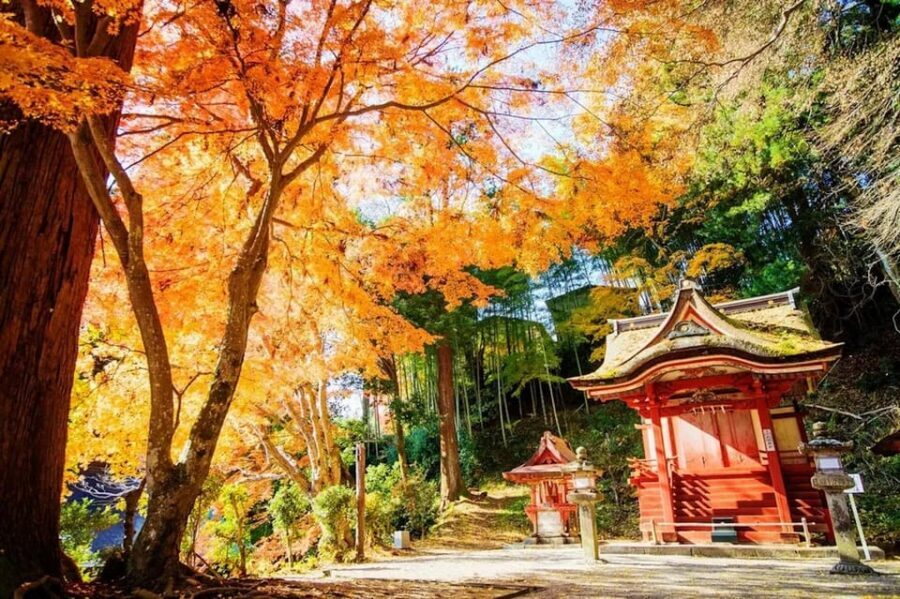
You’ll get more out of this day if you treat it like a sequence of choices rather than a checklist.
- Prioritize one “anchor” stop you really don’t want to rush. For many people, that’s Todai-ji or Nara Park.
- Use the deer/park block to set your mood. If you start calm, the rest of the day feels smoother.
- For temple stops, decide in advance how you’ll spend the hour: quick highlight loop or slower walk-and-look.
- Plan your dinner browsing as part of the sightseeing. Sanjō-dōri time is not just food; it’s also where you can shop and soak up the vibe at your own pace.
Also, keep in mind that admission tickets and food aren’t included. Build that into your daily budget and arrive ready to pay as needed.
Should you book this Kyoto/Osaka to Nara tour?
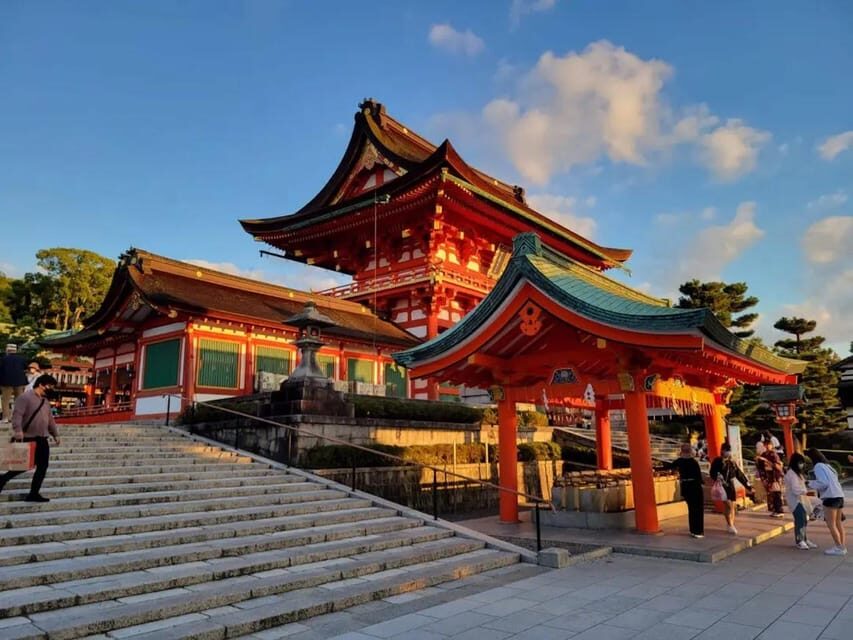
I’d book it if your priority is a stress-free Nara day with private transportation and the ability to customize your Nara route without needing to solve transit or language problems. The value comes from bundling the hardest part—getting around—and giving you self-guided freedom once you’re there.
Skip it (or pair it with a different style of tour) if you need a guide to explain what you’re seeing. Since there’s no translation or tour guide support, you’ll need to feel comfortable exploring on your own.
If you want a clean, flexible, driver-supported Nara day that still leaves room to breathe, this is a strong option.
FAQ
How long is the Kyoto/Osaka to Nara tour?
The service is 10 hours total. It can be extended with an additional charge.
Where can you be picked up and dropped off?
Pick-up options include Osaka, Kyoto, or Nara. Drop-off options include Nara, Kyoto, or Osaka. Pick-up is only available for customers living in urban areas.
Can I customize the Nara itinerary?
Yes. You can fully customize your itinerary within Nara, and you can make changes even while you’re traveling on the vehicle.
Is there a guide or translation included?
No. This tour provides a driver and private transportation, but it does not include a tour guide or translation.
What’s included in the price?
Included are hotel pickup and drop-off, a private air-conditioned vehicle with a driver, highway tolls, parking fees, 10 hours of service, and the first baby seat for free if requested before departure.
What is not included?
Admission tickets and food and drinks are not included.
How does luggage and vehicle size work?
The tour uses 6-, 9-, or 13-seat cars with different luggage allowances. The luggage defaults to a 24-inch suitcase, and the capacity differs by vehicle size (6-seat allows 4 luggage, 9-seat allows 10 luggage, 13-seat allows 6 luggage).
Is the tour wheelchair accessible?
Yes, the tour is wheelchair accessible.
What happens if I go past 10 hours?
Overtime is charged per hour: 5,000 yen per hour for 6/9 seat vehicles and 10,000 yen per hour for 13-seat vehicles. A night service fee of 2,000 yen per hour applies after 21:00.