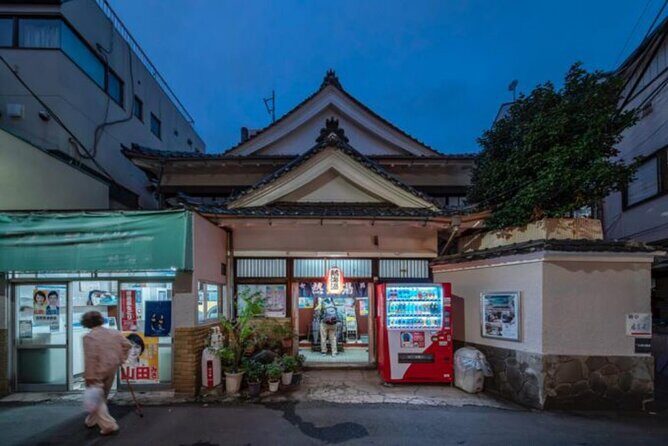
Tokyo has plenty of baths, but a neighborhood sento in Shinjuku feels different from minute one. This one is set inside a retro bathhouse built in 1954, the kind locals still return to, not a tourist-only operation.
I like how the experience starts with a practical walkthrough, not vague cultural lecturing. You get hands-on guidance on the flow of the bathhouse and the rules that keep it comfortable for everyone: shoe lockers, changing areas, the washing zone, and the bathing pools.
One thing to consider: the hour is focused and structured, so if you want a long, silent, unassisted spa day with zero guidance, this may feel a bit “guided.” Also, tattoo rules aren’t spelled out in the details I have, so it’s smart to confirm before you go.
In This Review
- Key reasons to book this sento experience
- A 1954 Shinjuku Sento: What you’re actually stepping into
- Meeting at Kagurazaka-shita: getting your bearings fast
- The etiquette briefing: shoes, lockers, and the wash area
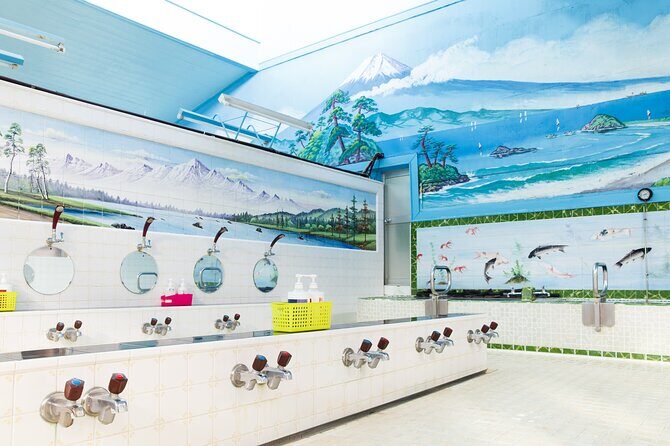
- Mount Fuji murals and postwar sento: the story you’ll actually notice
- Bathing or relaxing: the guide helps with shyness, not judgment
- What you get in the water (and the cold bottle after)
- Price, timing, and small-group value at $35.77
- Who should book this, and who might not
- Should you book this sento in Shinjuku?
- FAQ
- How long is the sento experience?
- Where do I meet the guide?
- What is included with the tour?
- Do I get a guide the whole time?
- What does the guide teach during orientation?
- Is this experience good for beginners?
- Is there an option if I feel shy about bathing?
- What if I need to cancel?
Key reasons to book this sento experience
- 1954 retro bathhouse in Shinjuku that locals still use
- Bilingual guide who teaches you the exact rhythm of a sento
- Mount Fuji murals explained, plus why sento mattered after the war
- First-timer-friendly option to observe or relax if you’re shy
- Includes one bottle drink (milk or soft drink) after you soak
- Small group (max 6) for a calmer, less overwhelming visit
A 1954 Shinjuku Sento: What you’re actually stepping into
This experience takes place in a working neighborhood bathhouse built in 1954. The big value here is that you’re not just “visiting a building that looks traditional.” You’re learning how a sento functions as a living part of local daily life.
In many Tokyo experiences, you’re dressed up for the camera. Here, the mood is different. You’ll spend the hour understanding the logic of the space—how people move, where things go, and what you’re supposed to do so you don’t accidentally turn your bath into a mild chaos experiment.
And that retro feel isn’t decoration for decoration’s sake. You’ll actually learn what’s going on inside: why Mount Fuji murals show up on the walls, how sento helped postwar communities, and why people treat bottled milk as the classic finish after bathing.
A few more Tokyo tours and experiences worth a look
Meeting at Kagurazaka-shita: getting your bearings fast
You meet at Starbucks Coffee – Kagurazaka-shita in Shinjuku (Kagurazaka, 1-chōme, in the address listed). The whole thing is designed to be easy to find, and you’ll be near public transportation.
In practice, the vibe is simple: the guide is there waiting and you start by getting your bearings. One review highlighted how the guide named Kosei met them right at Starbucks before walking over together. That matters more than you might think. If you’re new to sento etiquette, arriving already oriented cuts stress in half.
From there, you head to the bathhouse as a small group, capped at six people. Small numbers matter. You’ll be able to ask questions and actually hear the guide’s explanations instead of competing with the noise of a crowd.
The etiquette briefing: shoes, lockers, and the wash area
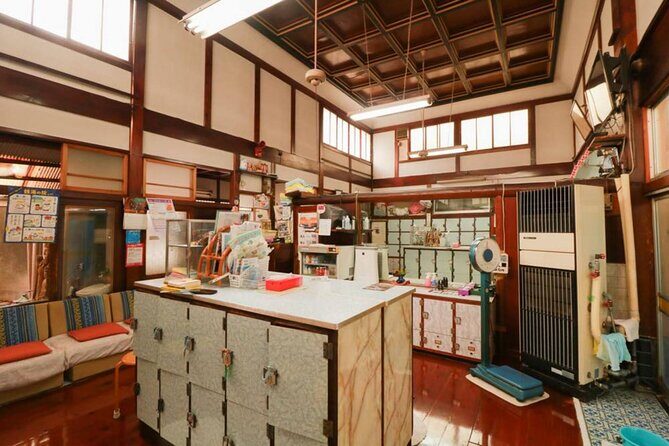
The core of the experience is the orientation with a bilingual guide. You learn sento etiquette in a way that’s meant for beginners—clear, step-by-step, and focused on what you need in the moment.
Here’s what you can expect the guide to cover:
- How to use the shoe lockers (so you don’t leave your shoes in the wrong place)
- How the changing rooms work
- What the washing area is for, and how you navigate it
- Where the bathing pools fit into the flow, after washing
This is the part that makes the experience worth doing with a guide. If you try to figure it out alone, you can easily get lost in translation: what goes where, what’s optional, and what’s expected.
The guide also builds context while you’re learning the mechanics. That combination helps the rules stick, instead of turning into random instructions you forget the minute you walk into the water.
Mount Fuji murals and postwar sento: the story you’ll actually notice
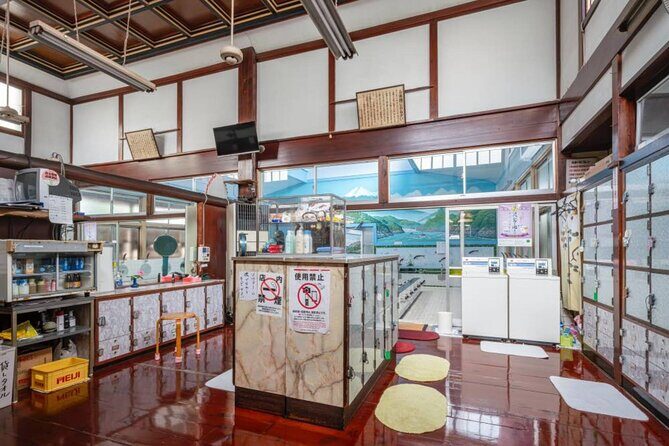
Many people walk past a painted wall and keep moving. This experience helps you slow down just enough to see what’s there.
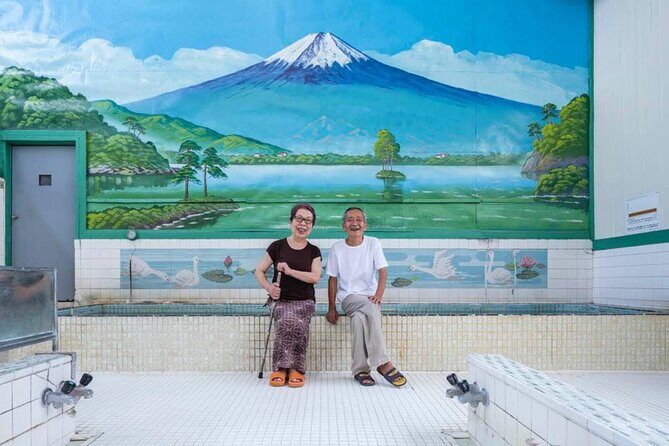
You’ll hear the explanation behind the Mount Fuji murals—why they’re iconic in sento spaces—and how sento culture supported communities after the war. The point isn’t just trivia. It changes your attention.
When you understand why certain images and design choices show up, the bathhouse stops feeling like a generic old building. It starts to feel like a purpose-built social space—somewhere people could reset their day, trade news, and take care of themselves without needing a big, fancy “destination” label.
By the time you step into the bathing area (or just linger to observe), you’ll likely notice details you would’ve missed.
Bathing or relaxing: the guide helps with shyness, not judgment
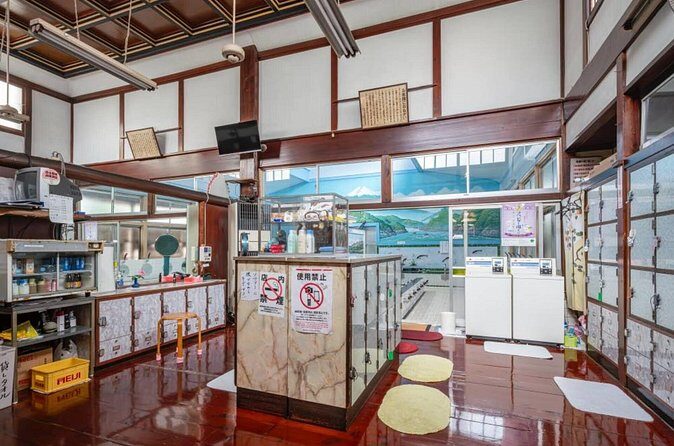
A smart feature of this tour is that it respects how different first-timers feel. If you’re eager to bathe, you can go ahead after the orientation.
If you’re shy or just not ready, you still get a real experience. The guide can offer alternatives like:
- Observing the architecture
- Checking out the entrance murals
- Relaxing in the lobby with your drink
That matters because sento can be intimidating at first, especially if you’re worried about doing things wrong. This isn’t a “force it” style of tour. It’s more like: learn the flow, then choose your comfort level.
Also note one practical detail: the guide is male, and female guests enjoy the bath on their own without a guide. If that’s relevant to your comfort level, plan around it.




What you get in the water (and the cold bottle after)
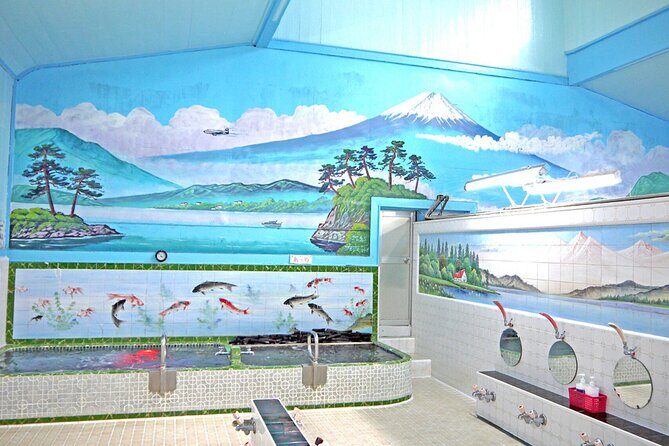
You’ll have access to shampoo and body soap, which is a big help for first-timers. It means you aren’t scrambling to figure out what’s available on-site.
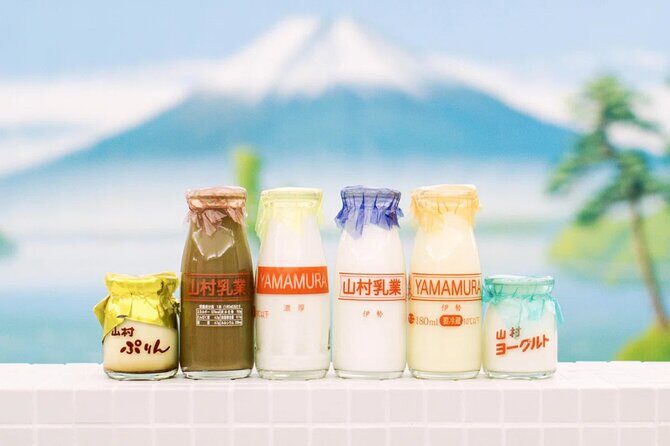
After bathing—or after your time relaxing—the tour includes a complimentary bottle drink: either milk (including milk coffee or fruit milk) or a soft drink. Cold drinks after soaking are a big part of the sento rhythm, and the bottled format is part of why it’s so recognizable.
This is one of those details that sounds small until you’re actually warm, dry-throated, and ready for the simple payoff. That cold bottle is your reset button, the moment you can exhale and say, done.
Price, timing, and small-group value at $35.77
At $35.77 per person for about one hour, this is mainly paying for three things:
1) a bilingual guide who teaches the practical rules of a sento
2) cultural context that makes the visuals mean something
3) included essentials (soap) plus a post-bath bottle drink
For a local experience, the time is tight but not rushed. You’re not being dragged from stop to stop. In one hour you learn how to function inside a real bathhouse, then you get your cool-down drink and done.
A couple of timing notes help you plan well:
- You’ll want to book early because the average booking window is about 55 days in advance.
- The tour uses a mobile ticket, so keep it handy on your phone.
- Group size stays small at up to six, which makes the explanations easier to follow.
If you’re short on time in Tokyo or you want one experience that’s more “do it” than “look at it,” this format fits.
Who should book this, and who might not
This sento experience is especially good if:
- It’s your first time with a Japanese bathhouse
- You want local atmosphere instead of a theme-park spa
- You like guided context that helps you understand what you’re seeing
- You’re okay with a structured hour and then going at your own pace afterward
You might skip or at least think twice if:
- You want a totally unstructured, long self-guided soak
- You’re very sensitive to being in a shared public bathing environment (even with guidance)
- You have tattoos and need certainty about policies, since tattoo rules aren’t included in the details I have—so confirm with the provider before you book
Should you book this sento in Shinjuku?
I’d book it if you want the real thing: a working, older sento where etiquette is taught clearly and you get a cold bottle drink at the end. The guide component is the real leverage—people consistently highlight how kind, informative, and comfortable the guidance feels, including moments like meeting Kosei at Starbucks and walking in already knowing what to do.
If you’re the kind of traveler who enjoys practical experiences and wants to understand daily-life Japan, this is a strong match. Just double-check anything personal you need (especially tattoo policy) before you go, and bring the mindset of learning, not performing.
FAQ
How long is the sento experience?
It lasts about 1 hour.
Where do I meet the guide?
You meet at Starbucks Coffee – Kagurazaka-shita (Shinjuku City, Kagurazaka, as listed in the address).
What is included with the tour?
The tour includes shampoo and body soap use, plus one complimentary bottle of milk or a soft drink after your bath.
Do I get a guide the whole time?
You get a bilingual guide for the orientation and guidance. After that, you can choose to bathe or relax. A note in the details says that the guide is male, and female guests enjoy the bath on their own without a guide.
What does the guide teach during orientation?
The guide explains sento etiquette and helps you navigate shoe lockers, changing rooms, the washing area, and the bathing pools.
Is this experience good for beginners?
Yes. It’s described as beginner-friendly and focused on easing you into Japan’s bathing culture.
Is there an option if I feel shy about bathing?
Yes. The guide offers alternatives such as observing the architecture, looking at the entrance murals, or relaxing in the lobby with a drink.
What if I need to cancel?
Cancellation is free up to 24 hours in advance for a full refund. If weather affects the experience, you’ll be offered a different date or a full refund.