REVIEW · AKITA PREFECTURE
Walking Tour of Wealthy Merchant’s Storehouses in Akita
Book on Viator →Operated by AKITA Geo Tour Co., Ltd. · Bookable on Viator
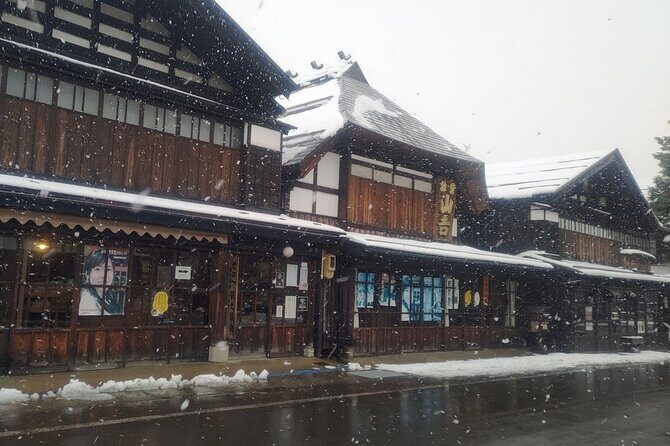
Masuda’s storehouses feel like time froze. I love how this easy, guided 2-hour walk reveals Edo-era merchant power through storehouses called kura, still inhabited today. You also get to see the craftsmanship up close, including white plaster, polished black plaster, and lacquered interior details.
I also like the small group size (max 8 people). That makes it easier to ask questions and get translation help while you’re standing right in front of the buildings, not just staring at them from the sidewalk.
One consideration: the experience depends on good weather. If it’s canceled due to poor conditions, you’ll be offered a different date or a full refund.
In This Review
- Key Things to Know Before You Go
- Wealth, Storage, and Beauty: Why Masuda’s Storehouses Matter
- Price and Timing: What You’re Really Paying For
- Getting There From JR Jumonji Without Stress
- On the Clock: What the 2-Hour Walk Feels Like
- Stop 1: Masuda Storehouses and the Details You’ll Want to Notice
- What you’ll learn as you walk
- Townscape First, Then Architecture: A Smart Way to See Old Japan
- The Guide Makes It Click (Takeshi’s Style)
- What You’ll Take Home From This Tour
- Who This Walking Tour Is Best For
- Should You Book the Walking Tour of Wealthy Merchant’s Storehouses?
- FAQ
- How long is the walking tour?
- Where does the tour start?
- What mansions and storehouses will I visit?
- Is the admission ticket included?
- How many people are in the group?
- How do I get to the meeting area from JR Jumonji station?
- What ticket format do I get?
- Do I need good weather for the tour?
- Can I get a full refund if my plans change?
Key Things to Know Before You Go
- Still-in-use kura storehouses in a former merchant town
- Black-plastered uchigura walls and fine exterior/interior finishing
- Visit 2–3 mansions with storehouses during the walk
- Max 8 people, so the guide can spend time with you
- Meet at Masuda Kuranoeki-mae and finish back there
- Weather matters, since it’s a walking tour
Wealth, Storage, and Beauty: Why Masuda’s Storehouses Matter
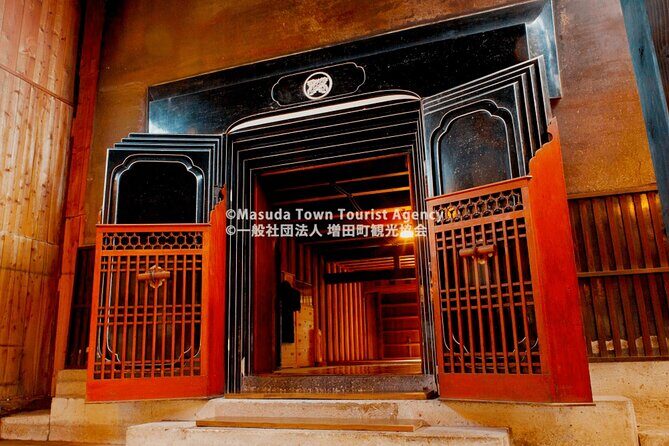
If you’ve ever wondered why some old Japanese towns feel so carefully built, Masuda gives you a clear answer. Since the Edo period, Masuda Town prospered as a merchant town, boosted by its role as a transportation hub where agricultural products gathered. Merchants grew wealthy, then turned that wealth into impressive mansion towns.
The star of the show is the kura: a storehouse built by wealthy merchants to hold documents and household furniture. What makes this tour special is that these storehouses are not just preserved museum props. They are still inhabited, and that’s rare even across Japan.
As you walk, you’ll start to notice how the buildings are designed to project status without needing big showy monuments. Instead, you get serious visual signals: layered plaster finishes, crisp architectural lines, and interior finishing that feels more refined than you’d expect from a “storage” building.
You can also read our reviews of more walking tours in Akita Prefecture
Price and Timing: What You’re Really Paying For
This tour costs $29.43 per person for about 2 hours, and the price includes an admission ticket. That matters because you’re not just paying for a stroll and a few talking points—you’re paying for guided access and the context that helps you read what you’re seeing.
You’ll also move at a human pace. With a maximum of 8 people, the guide can explain details as you reach each mansion storehouse, instead of rushing everyone through like a conveyor belt. That’s part of why the experience feels more useful than many “quick old town” walks.
One practical note: the tour is typically booked about 61 days in advance on average. If your dates are fixed, it’s smart to lock it in early, especially in seasons when Akita weather is stable.
Getting There From JR Jumonji Without Stress
Your starting point is Masuda Kuranoeki-mae (Nakamachi Masuda, Masudamachi, Masuda, Yokote, Akita 019-0701, Japan). You get there by transferring from JR Jumonji station (JR十文字駅). From there, you’ll take a bus or taxi to Masuda-kuranoeki depending on your arrival time.
Because this is rural transport, bring cash:
- Bus round trip fare is ¥500 per person
- Taxi is about ¥3,000 per car
Trains from JR Jumonji have limited departure options. Check your arrival and departure times ahead of schedule so you don’t end up waiting too long. If you let the operator know in advance, they can meet you at JR Jumonji station and help you with the transfer.
If you’re driving, parking is available near the Hotaru – Masuda Tourist Information area (right by where you’d expect to orient yourself).
On the Clock: What the 2-Hour Walk Feels Like
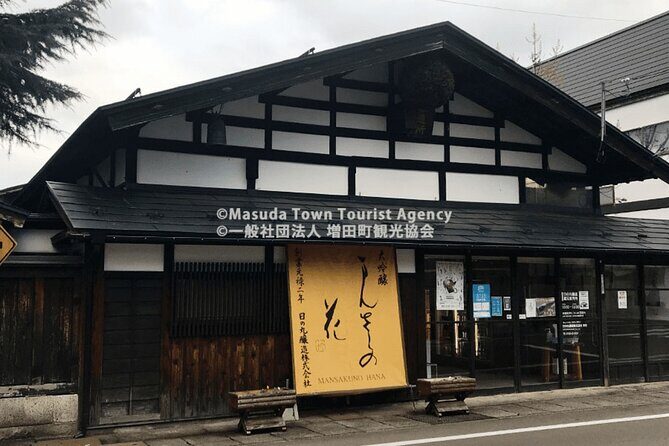
This is a straightforward walking format. Expect a guided route that focuses tightly on one theme: merchant mansions and their storehouses. You’ll see two to three mansions with kura during the tour, which is a good number for keeping the details from getting repetitive.
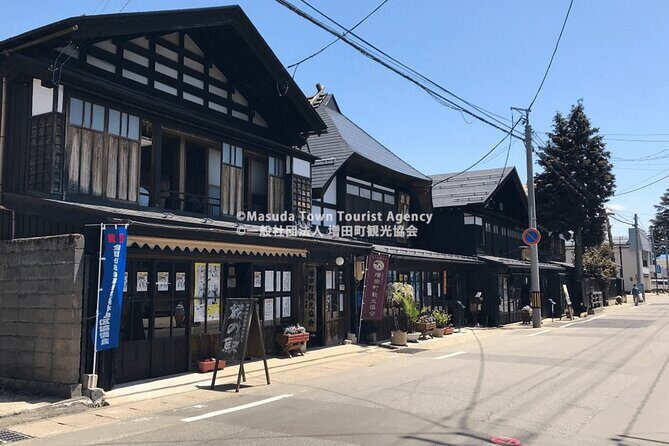
A 2-hour duration also helps you manage attention. You can take in the townscape of old houses, then switch to close-up building details without burning out. For most people, it’s an easy plan that still feels like you accomplished something.
The tour uses a mobile ticket, and you’ll get confirmation at booking time. Since it’s capped at 8 people, you’re not stuck with a big group that forces everyone to walk in lockstep.
Stop 1: Masuda Storehouses and the Details You’ll Want to Notice
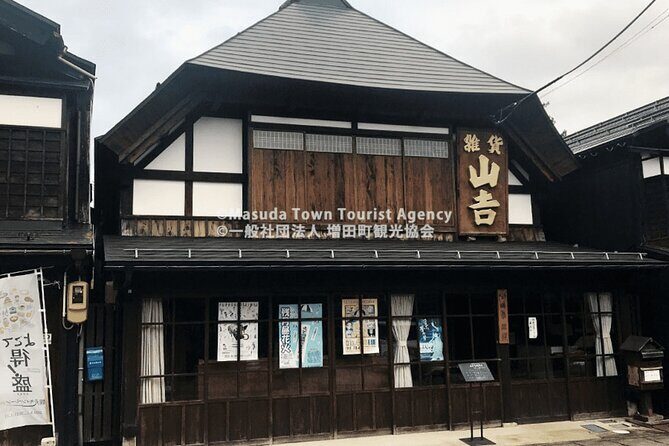
The main experience happens during the Masuda storehouses stop. Here’s what you can expect in plain terms: you’ll explore Masuda town’s wealthy merchant town look and learn how storehouses inside mansions worked as symbols of financial power more than 100 years ago.
You’ll focus on the style known as uchigura—storehouses built within the mansion complex—often with walls plastered black. That black plaster isn’t just decorative. It reads as deliberate, expensive, and carefully maintained, and once you start seeing it, you’ll spot it again and again.
As you move between mansions, watch for variations in structure and finishing. Even when they share the kura purpose, each complex can feel different—different arrangement, different sense of proportion, different finishing touches. That’s the value of visiting multiple mansions in one tour: you get comparison without getting lost in a big museum.



What you’ll learn as you walk
The guide explains the lifestyle of merchants from long before modern conveniences, including how the storehouses functioned as space for documents and household items. It changes how you look at the town. Instead of seeing old buildings as scenery, you start treating them like physical records of how people ran daily life.
Townscape First, Then Architecture: A Smart Way to See Old Japan
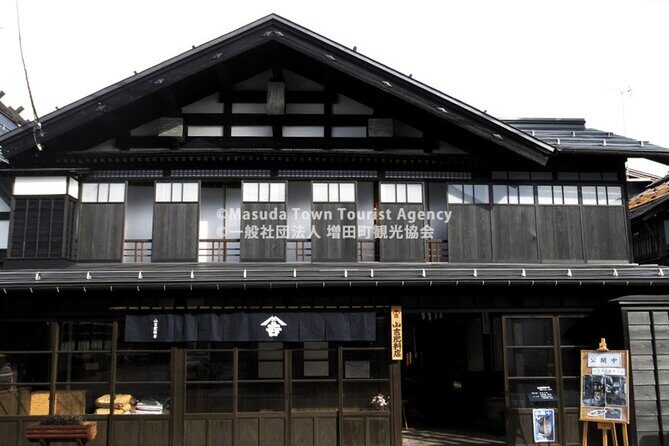
I like how this experience doesn’t jump straight to close-up details. You start with the street atmosphere—the quaint lanes lined with older houses—so your brain has a sense of place before you start analyzing plaster finishes and interior styling.
Then the tour shifts into architecture. You’ll hear about the “elegance” in the finishing, including white plaster, polished black plaster, and lacquered interior elements. That combination is a useful clue: these weren’t bare-bones storage rooms. They were designed to represent status while serving practical needs.
There’s also a bigger cultural meaning here. Masuda was designated as a National Preservation District for Groups of Traditional Buildings in 2013, and you feel the intent behind that. The goal isn’t just to keep a single structure standing. It’s to keep the whole merchant neighborhood character intact.
The Guide Makes It Click (Takeshi’s Style)
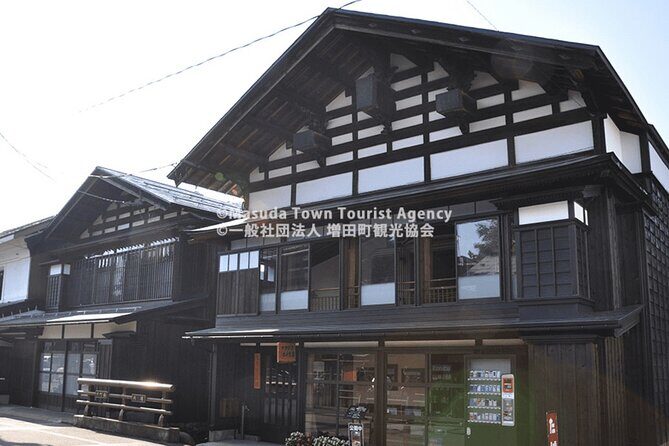
A good guide turns buildings into stories you can actually remember. In this tour, that’s where the quality really shows.
One guide mentioned by name is Takeshi, and the overall vibe around the guiding is consistent: professional, warm and polite, and focused on making the experience easy to follow. You’re not just receiving a scripted lecture. You’re being guided step-by-step through what you’re looking at.
Translation support is also part of the value. One of the best moments can happen when the guide helps you connect with the people who live in or are tied to these storehouses, so conversation becomes possible rather than everything staying strictly one-way.
And yes—guides sometimes go beyond the listed plan. Takeshi has been described as generous with time, including helping extend the outing afterward for someone who wanted to keep exploring. Even if you don’t plan to add extras, it’s a good reminder: ask your guide what’s worth seeing nearby.
What You’ll Take Home From This Tour
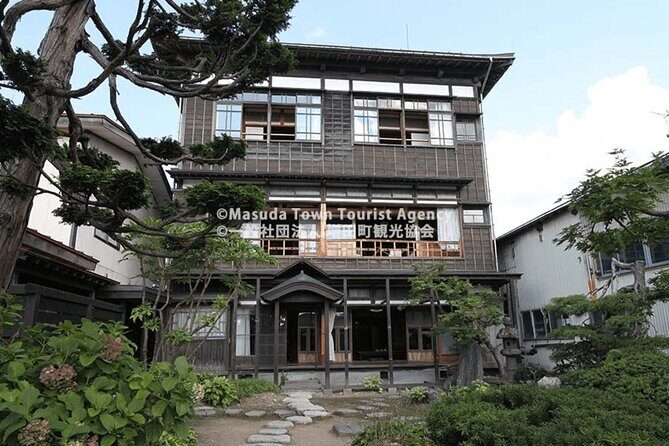
By the end of the 2 hours, you’ll have more than a few photos of old buildings. You’ll understand why merchant towns looked the way they did in Japan’s countryside, and why storehouses mattered so much to wealthy families.
You’ll also get a clearer sense of what to notice in other historical neighborhoods. When you see plaster patterns or interior finishing, you’ll know it can reflect function, status, and care—not just age.
If you like architecture, history, or simply good walking routes, this tour gives you a focused way to spend time in Akita that doesn’t require museum tickets, long drives, or complicated planning.
Who This Walking Tour Is Best For
This is a strong fit if you:
- Want a small-group guided experience rather than a big crowd
- Enjoy learning through architecture details, not just general sightseeing
- Like towns where people still live alongside heritage buildings
- Prefer a short plan that still feels substantial
You might want a different option if you:
- Don’t want to walk for about 2 hours
- Are traveling on days when weather might be unstable, since the tour needs good conditions
- Want a very large number of stops (this one intentionally keeps it to two to three mansions for quality)
Should You Book the Walking Tour of Wealthy Merchant’s Storehouses?
I think you should book this tour if you want a genuinely practical introduction to Masuda’s merchant town identity. The combination is hard to beat: still-inhabited kura, careful finishing like black-plastered uchigura walls and lacquered interior details, and a guide who can make explanations land with translation help.
It’s also good value for the time. For a little under $30, you get a guided walk with admission included and access to multiple mansions in just 2 hours—plus a small group size that makes the whole thing feel calmer and more personal.
If the forecast looks solid and you’re already in the area with at least half a day to spare, this is an easy yes.
FAQ
How long is the walking tour?
The tour lasts about 2 hours.
Where does the tour start?
It starts at Masuda Kuranoeki-mae in Masuda (Nakamachi Masudamachi Masuda, Yokote, Akita 019-0701, Japan), and it ends back at the meeting point.
What mansions and storehouses will I visit?
You’ll visit two to three mansions that have storehouses (kura), and you’ll explore the uchigura style with walls plastered black.
Is the admission ticket included?
Yes. Admission is included in the tour.
How many people are in the group?
The tour has a maximum of 8 travelers.
How do I get to the meeting area from JR Jumonji station?
You’ll transfer from JR Jumonji station to Masuda-kuranoeki by bus or taxi, depending on your arrival time. You should bring cash (bus round trip is ¥500 per person; taxi is about ¥3,000 per car).
What ticket format do I get?
You’ll receive a mobile ticket.
Do I need good weather for the tour?
Yes. The tour requires good weather. If it’s canceled due to poor weather, you’ll be offered a different date or a full refund.
Can I get a full refund if my plans change?
Yes. You can cancel up to 24 hours in advance for a full refund.